Most people assume the gap between a seasoned traveler and a first-timer is money or mileage. It isn’t. The real difference shows up in dozens of small, almost invisible habits – the way someone moves through an airport, chooses a restaurant, or reacts when a flight gets canceled. These habits don’t announce themselves. They just quietly make every trip smoother, cheaper, and more memorable than what the person dragging three suitcases to the wrong terminal ever gets to experience.
The wild part? Most of these habits aren’t secret. They’re just overlooked. Experienced travelers have internalized them through repetition, while everyone else keeps re-learning the hard way on every single trip. Some of what’s on this list will feel obvious in hindsight – and a few will make you genuinely wish someone had told you years ago.
#20 – They Always Check In Online, Even When It Feels Unnecessary

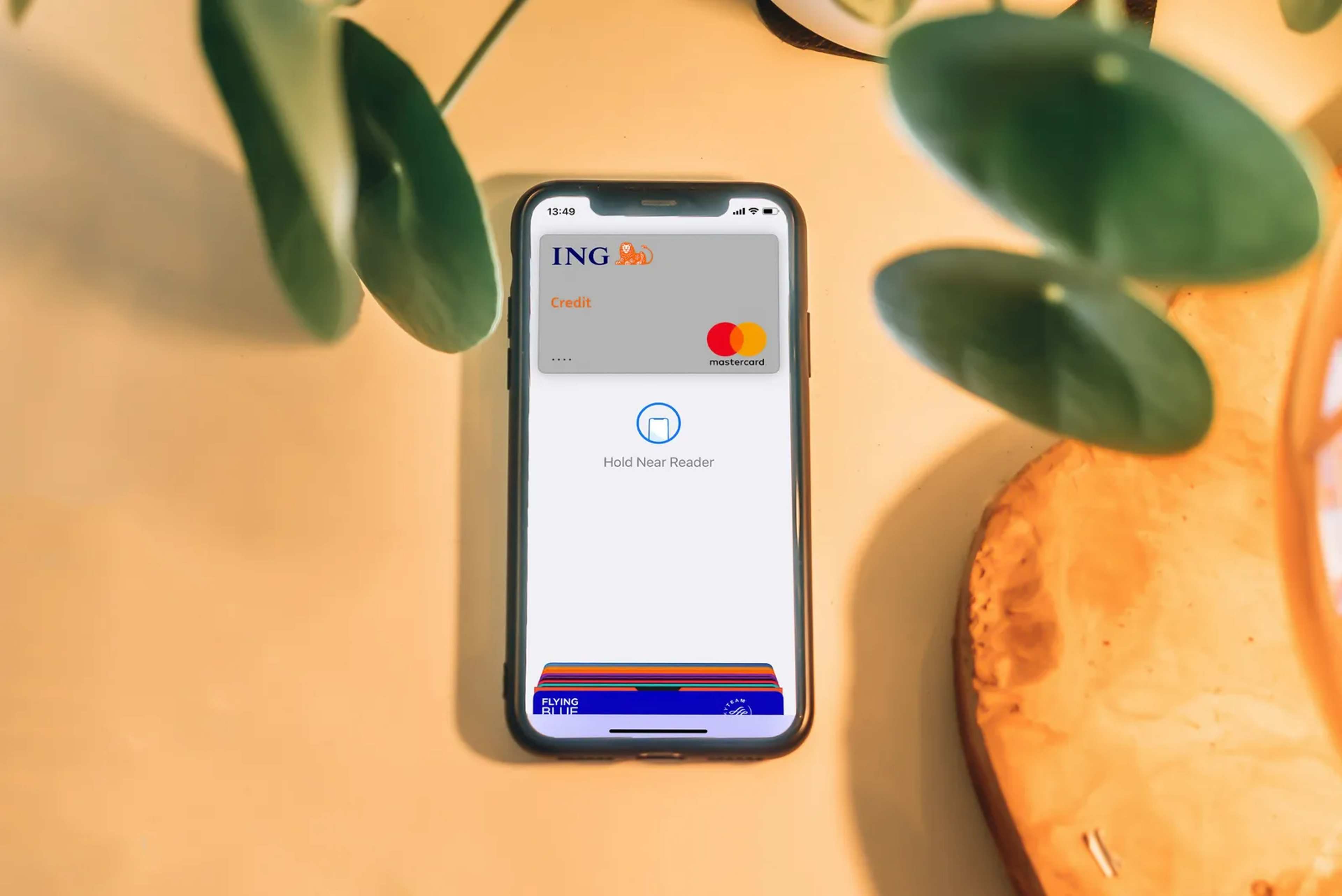
Experienced travelers treat online check-in as a non-negotiable ritual, not an optional convenience. The moment check-in opens – usually 24 hours before departure – they’re on it. This isn’t just about getting a boarding pass early. It’s about locking in a seat before the airline reassigns one, and being first in line if a better upgrade or exit-row option becomes available. Tourists skip this step and then wonder why they’re stuck in a middle seat next to the lavatory.
There’s also a practical backup at play. Seasoned travelers screenshot their boarding passes and store them in their camera roll in case the app crashes or they lose signal at the gate. That 10-second habit has saved countless people from standing at the jetway with a dead phone and a blank stare. Passengers who’ve already checked in are also harder to bump when a flight oversells – and that protection costs exactly nothing.
Fast Facts
- Online check-in typically opens 24 hours before departure on most major U.S. carriers
- Screenshotting your boarding pass takes under 10 seconds and works with zero signal
- Checked-in passengers have stronger protections when a flight is oversold
- Exit rows and upgrades are often reassigned in the hours before departure – being checked in early keeps your seat locked
#19 – They Download Offline Maps Before the Plane Lands
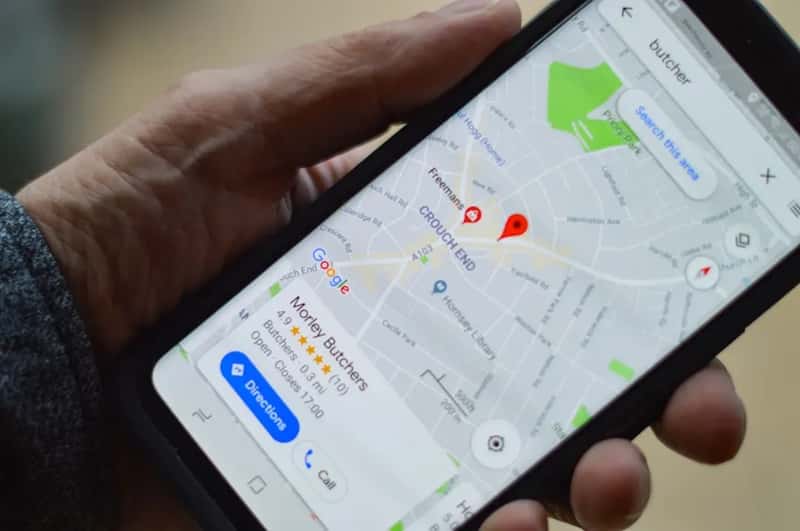
Ask any experienced traveler what they do on the flight before landing and the answer is almost always the same: download offline maps. The moment you step off an international flight, you may have no data, no Wi-Fi, and no idea how to get to your hotel. That’s exactly when tourists realize they forgot to prepare. You can download entire regions in Google Maps before departure – and smart travelers do this for every city on the itinerary, plus stretches in between in case of an unexpected detour.
Even in destinations where data is readily available, roaming fees stack up fast. Testing every navigation app in airplane mode before takeoff ensures nothing fails at the worst possible moment. This is five minutes of prep that prevents a two-hour nightmare on arrival. The travelers who look most confident stepping out of customs almost always did this homework at 35,000 feet.
#18 – They Never Eat Within Two Blocks of a Major Landmark

This is one of the most reliable rules in all of travel, and tourists violate it constantly. Famous monuments act like magnets for overpriced cafes that charge double because they can – and the food is almost always worse. The kitchen knows you’re not coming back. The pasta near the Colosseum isn’t better because it costs three times as much. It’s worse precisely because of that dynamic.
The fix is simple: walk two or three blocks away and look for where locals are actually eating. A restaurant packed with people who live nearby at noon on a Tuesday is almost always worth it. Watch for the universal red flag – laminated picture menus in six languages out front. A handwritten menu in the local language with no photos is nearly always a better sign than anything with a TripAdvisor sticker in the window.
Quick Compare
| Tourist Trap Signs | Local Gem Signs |
|---|---|
| Laminated picture menu in 6+ languages | Handwritten menu in the local language |
| Staff standing outside flagging you down | Packed with locals at lunchtime |
| Located directly beside a landmark | Two or more blocks off the main drag |
| TripAdvisor or Yelp sticker in the window | No English sign out front |
#17 – They Split Their Cash, Cards, and Documents Across Multiple Locations
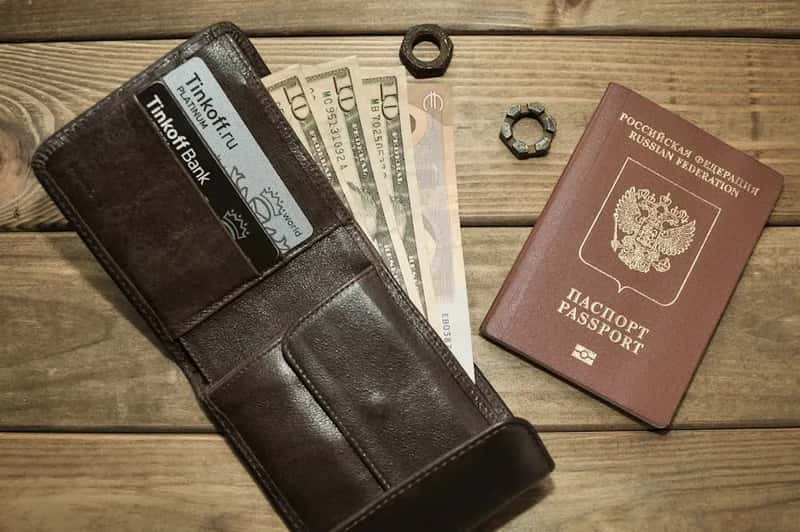
Experienced travelers never keep all their financial lifelines in one place. Cash in one pocket, cards in another, backup emergency cash hidden somewhere else entirely. This isn’t paranoia – it’s basic risk management. The tourist who gets pickpocketed in Barcelona and loses everything in one move learns this lesson once and never forgets it. By then, of course, it’s too late for that trip.
Copies of passports, insurance documents, and hotel confirmations stored in email or cloud storage have rescued more trips than most people realize. A security belt or hidden pouch feels fussy right up until the moment it saves your entire vacation. The most experienced travelers also carry a small emergency cash stash – tucked away and genuinely untouched – reserved only for situations where everything else has already gone wrong.
#16 – They Learn at Least Five Phrases in the Local Language

Nobody expects fluency. But there’s a dramatic difference between walking into every interaction with “do you speak English?” and opening with a simple greeting in the local tongue. A sincere attempt at “please,” “thank you,” and “excuse me” in the local language shifts the entire reception you receive – from restaurant service to directions to the small but real warmth that changes the texture of a trip. Locals notice the effort immediately.
This habit also builds a baseline of cultural awareness that colors everything else. Learning even a handful of phrases forces you to engage with how a language works, which is a back door into how a culture thinks. Tourists demand translation. Experienced travelers attempt connection. That gap – small as it sounds – produces entirely different trips.
#15 – They Use the Google Translate Camera Feature Like a Superpower

Most people know Google Translate exists. Far fewer know how to use it effectively on the road. The camera feature – where you point your phone at a menu, sign, or label and it overlays the translation in real time – is one of the most genuinely useful tools in modern travel. Travelers regularly navigate menus across Japan, navigate train schedules in Eastern Europe, and read pharmacy labels in Southeast Asia using this feature alone.
The critical step most people miss: downloading the offline language pack before departure, so the translation works without any data connection at all. Tourists still photograph menus and zoom in slowly, trying to decode letters one at a time. Experienced travelers translate the entire page in about three seconds and spend the remaining time actually deciding what to order. It sounds minor. At the end of a long travel day, it’s the difference between calm and chaos.
#14 – They Book Flights Early and Set Price Alerts the Same Day

Experienced travelers treat flight booking like a strategic game, not an errand they’ll get to eventually. The people paying the most for any given flight are almost always the ones who waited the longest and are now out of options. According to Expedia’s 2026 Air Hacks Report, Friday is now the cheapest day to book flights, driven by reduced business travel at the end of the week – a shift from prior years when Sunday held that title. For actual travel days, Tuesday is the cheapest day to fly domestically, averaging 14% less than Sunday departures.
Setting price alerts the same day you decide on a destination means you’re tracking the market instead of reacting to it at the last possible moment. Expedia’s data shows the most affordable booking window for domestic economy flights is 15 to 30 days before departure, averaging $130 less than bookings made more than six months out. International travelers can save roughly $190 on average by booking 31 to 45 days ahead rather than locking in too early.
At a Glance: Smarter Flight Booking
- Best day to book (2026): Friday – new cheapest booking day per Expedia data
- Cheapest day to fly domestically: Tuesday (avg. 14% less than Sunday)
- Domestic sweet spot: Book 15–30 days out to save ~$130 vs. booking 6+ months early
- International sweet spot: Book 31–45 days out to save ~$190 on average
- Cheapest month to travel: August – flights avg. 29% cheaper than December
#13 – They Ask a Local – Not Google – For Restaurant Recommendations

Google reviews are increasingly dominated by tourists reviewing places for other tourists. Experienced travelers bypass the algorithm entirely and ask someone who actually lives there. The concierge, the bartender, the person eating breakfast next to you at the hotel – these are genuine sources. Telling them what you’re in the mood for helps narrow it down so you don’t get sent somewhere interesting but completely wrong for the moment.
Office workers and local professionals vote with their feet every Tuesday through Thursday at noon. They know which spots offer generous portions, fair prices, and food worth going back for – because they do go back. Look for lines at family-run places during the weekday lunch rush. These restaurants survive on repeat customers, not one-time visitors. The best meal you’ll have on any trip almost certainly won’t have a QR code menu, an English sign out front, or a Yelp decal on the door.
#12 – They Have TSA PreCheck or Global Entry

If you travel more than twice a year without TSA PreCheck, you’re voluntarily paying a tax in the form of time and stress on every single trip. The PreCheck lane at most U.S. airports is a genuinely different experience – shoes stay on, laptops stay in the bag, and the line moves in minutes. According to the TSA, about 99% of PreCheck passengers wait less than 10 minutes in the security lane. Meanwhile, the standard security queue in summer can run 45 minutes or longer at major hubs.
TSA PreCheck costs as little as $76.95 for five years depending on the enrollment provider. Global Entry – which includes PreCheck and expedited U.S. customs re-entry – is $120 for five years, a fee that was updated in 2024. Many travel credit cards, including Chase Sapphire Preferred, Capital One Venture X, and the Amex Platinum, reimburse the application fee as a standard cardholder perk. The fee pays for itself the first time you breeze past a 45-minute line without breaking stride. Tourists stand in that line every single time.
Worth Knowing
- TSA PreCheck: From $76.95 for 5 years (varies by enrollment provider)
- Global Entry: $120 for 5 years – includes full PreCheck benefits automatically
- 99% of PreCheck passengers wait under 10 minutes, per TSA data
- Most premium travel cards (Amex Platinum, Capital One Venture X, Chase Sapphire) reimburse the full application fee
- Children 17 and under can use the PreCheck lane with an enrolled parent at no extra cost
#11 – They Travel Carry-On Only, Even on Long Trips

This is the one that surprises people most. Experienced travelers routinely take two-week trips with nothing but a carry-on – and they come back happier, not more frustrated. The counterintuitive truth of packing is that your enjoyment of a trip tends to be inversely related to the weight of your luggage. The longer the trip, the more that weight compounds. Travelers who are still genuinely happy six weeks in are almost always traveling light.
The practical advantages stack quickly. No checked-bag fees on budget airlines. No 30-minute wait at the baggage carousel. No airline losing your bag somewhere between connections. And when you need to sprint through a train station or pivot to a different city at the last minute, you actually can. Walking straight out of an airport while everyone else crowds around a luggage belt – that specific feeling – is one of the most quietly satisfying experiences in all of travel.
#10 – They Leave Unscheduled Time in Every Itinerary

Tourists over-schedule. They build 12-item daily itineraries, color-coded by hour, and spend the entire trip stressed about falling behind. Experienced travelers deliberately leave gaps. Overplanning sounds responsible in theory. In practice, it turns a vacation into a logistics sprint. Some of the best travel moments happen precisely when you’re not rushing to the next scheduled thing – the detour you didn’t plan, the conversation with a stranger at a market, the café you walked into because the smell stopped you cold.
Building in empty hours isn’t laziness. It’s the ingredient that turns a trip from an exhausting checklist into something you actually remember. With enough time, you can stumble onto a local festival, wait out an afternoon thunderstorm with a glass of wine, or follow a recommendation that requires two unplanned hours to find. Those are the stories people tell for years. The color-coded itinerary is usually forgotten by the flight home.
#9 – They Confirm Their Bank and Cards Can Work Abroad Before Leaving

Nothing kills travel momentum faster than a card getting flagged and frozen in a foreign country. Experienced travelers notify their bank before every international trip – a two-minute phone call or in-app notification that tells the card company where they’ll be and for how long. Tourists skip this step and discover the problem at a restaurant check, a hotel front desk, or a train ticket machine with a line forming behind them.
The smarter play is also to carry cards from more than one network. Currency exchange booths near tourist landmarks frequently charge fees of 5–10% or more. Bank-affiliated ATMs and your card’s own network exchange rate are almost always the better option. Experienced travelers also know the approximate local exchange rate before they land – so they can recognize immediately when a rate they’re being offered is a rip-off.
#8 – They Arrive at Popular Attractions Right When They Open (or at Noon)

The tourist instinct is to arrive at a famous site mid-morning with the tour buses. The experienced traveler arrives when the gates open – or returns at noon, when everyone else has scattered to restaurants. Lunchtime can be surprisingly quiet at major attractions, because most tour groups operate on fixed schedules that funnel crowds away at predictable times. In very hot climates, midday visits at top sites can mean having the place almost to yourself.
The payoff is dramatic. At the Valley of the Kings in Egypt, morning visits during tour group hours mean long, slow queues. Returning at noon – the window everyone warns against – can mean wandering through with almost no one around. The same principle applies at the Louvre, at Yosemite, at Machu Picchu. Experienced travelers see the actual place. Tourists see the backs of other tourists’ heads, and spend most of their visit waiting for a clear photo.
#7 – They Buy Travel Insurance Every Single Time, Without Exception

This is the habit that separates confident travelers from anxious ones – and it has nothing to do with pessimism. If you get seriously ill or injured abroad, the cost of treatment and medical evacuation can easily reach tens of thousands of dollars. Experienced travelers view travel insurance the way they view a seatbelt: not because they expect a crash, but because the cost of being unprotected in that one scenario is catastrophic. The premium is a rounding error by comparison.
Beyond medical emergencies, comprehensive travel insurance covers trip cancellations, delayed or lost luggage, and significant flight disruptions. Cancel For Any Reason coverage can reimburse nonrefundable costs when life intervenes unexpectedly. The experienced traveler who gets sick in a foreign country is inconvenienced. The tourist without insurance in the same situation is potentially financially ruined. That gap in outcome comes down to one form filled out before departure.
#6 – They Research the Culture Before Arriving, Not After

Most people research restaurants and hotels before a trip. Experienced travelers go a layer deeper and develop a working understanding of the culture, customs, and current context of wherever they’re going. Without that baseline, confusing or even offensive situations happen not out of bad intent but out of ignorance – and there’s no way to know what to even look for when you have no frame of reference at all.
This doesn’t mean reading an entire history book. Knowing local tipping customs, basic greeting norms, dress codes for religious sites, or what gestures are considered rude – that level of prep prevents the most avoidable friction. Context doesn’t spoil discovery. It deepens it. You can still be surprised by the details of a place when you understand its larger shape. What you lose without that knowledge isn’t spontaneity – it’s comprehension.
#5 – They Book Direct With Hotels After Comparing Prices Online
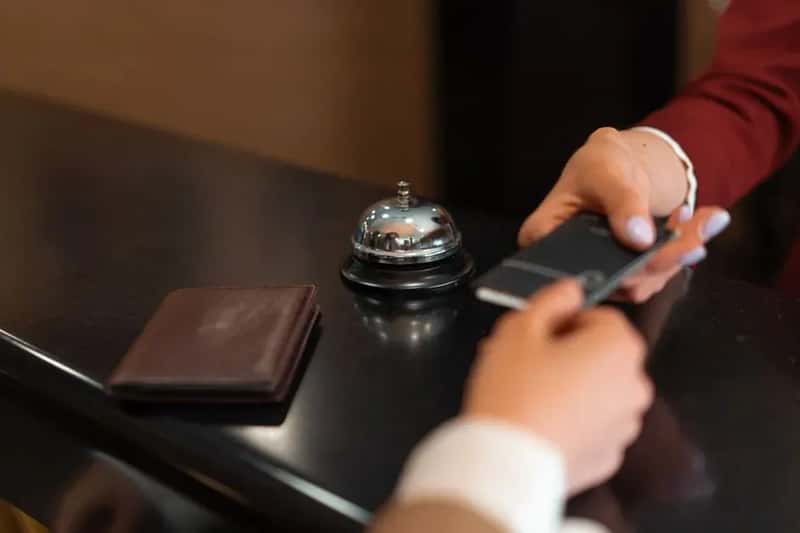
Experienced travelers use comparison sites to find the best rate, then book directly with the hotel at the same or better price. Most hotel chains now offer price-match guarantees along with direct-booking perks like free Wi-Fi, flexible cancellation, or room upgrades that third-party platforms won’t offer. OTA reservations often lock you into rigid, non-changeable bookings with zero loyalty credit and no relationship with the property whatsoever.
Direct bookings also create a connection with the hotel before you arrive. A quick note about a special occasion, an email asking about room availability, or simply having your name in their own system – rather than filtered through an intermediary – meaningfully increases the chances of an upgrade, an early check-in, or a small gesture of hospitality. The hotel sees a direct booking as a guest. They see an OTA booking as a transaction. That distinction shows up in how you’re treated from the moment you walk in.
#4 – They Travel During Shoulder Season Without Apology
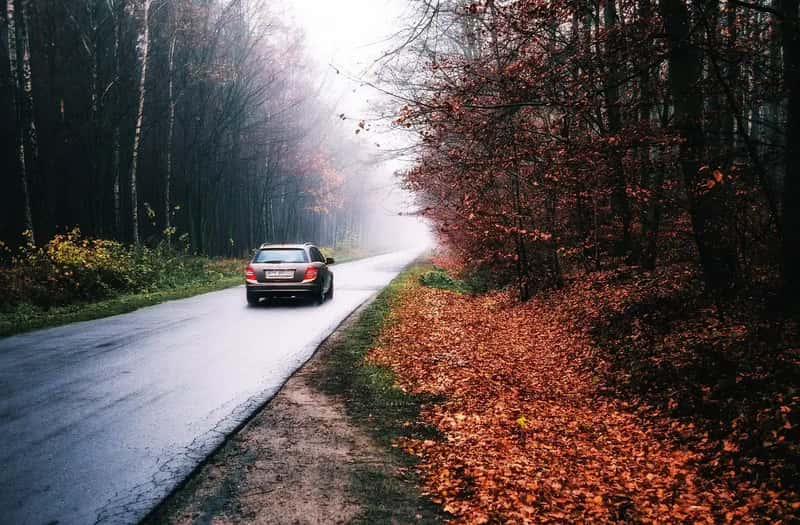
Peak season travel is, in most cases, the objectively worst time to visit a famous destination – and experienced travelers have figured this out completely. According to Kayak data, airfare to Europe during shoulder season runs 37% lower than peak summer months – and flights to Spain can drop nearly 47% compared to August. Spring travel (April through May) and fall travel (late September through November) typically offer better weather, meaningfully lower prices, and far more breathing room than the summer crush. The Amalfi Coast in May is a different, better experience than the Amalfi Coast in August. Cooler, cheaper, and populated by people who can actually move through the streets.
According to Skyscanner’s 2025 Smarter Summer Report, one in three Americans is now planning off-peak trips, with Gen Z leading the charge. The strain on heavily visited destinations has become visible – overcrowded streets, overloaded infrastructure, and residents pushed out of their own neighborhoods. Shoulder season sidesteps most of that. The most photogenic version of almost every famous place exists about six weeks before or after the peak tourist window. Experienced travelers know this. That’s exactly why they’re never there in August.
Why It Stands Out: Shoulder Season by the Numbers
- Flights to Spain drop nearly 47% vs. August peak – one of the biggest savings in Europe
- Domestic L.A. round-trips fall over 30% in fall shoulder season vs. summer, per Hopper data
- Fewer crowds, easier reservations, and more authentic local atmosphere come free with the savings
#3 – They Collect Points and Miles – and Actually Redeem Them
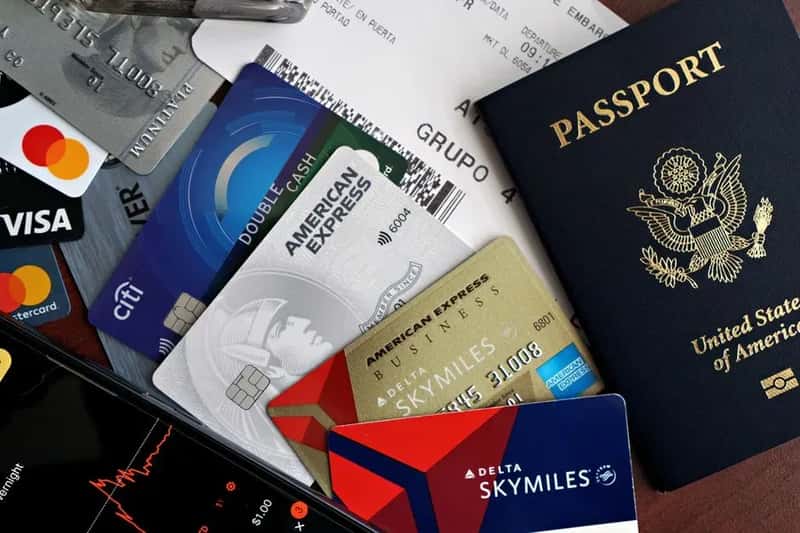
Experienced travelers understand that loyalty programs and travel credit cards function as a parallel currency running alongside their everyday spending. Using a travel rewards card for groceries, gas, and dining – and paying it off monthly – means earning free flights and hotel nights on money you were already spending. Most people leave thousands of dollars worth of unredeemed points sitting dormant in accounts they’ve lost track of.
Cards like Chase Sapphire Preferred, Capital One Venture X, and Amex Platinum offer substantial stacked perks: no foreign transaction fees, airport lounge access, travel insurance, and TSA PreCheck or Global Entry reimbursement. The lounge access alone – real food, quiet seating, actual Wi-Fi, and beverages that don’t cost $14 – transforms long layovers from ordeals into something genuinely pleasant. The experienced traveler boarding in a premium cabin on points while sitting next to someone who paid full fare for the same seat isn’t lucky. They’ve just been paying attention for a few years.
#2 – They Stay Calm When Everything Goes Wrong

Flight canceled. Hotel lost the reservation. Train strike. Bag delayed. These aren’t rare catastrophes – they’re the predictable friction of travel, and experienced travelers have mentally accepted them before leaving home. Patience isn’t a personality trait here; it’s a practical strategy. The tourist in a full meltdown at the gate is not getting on the plane any faster. They’re just burning energy, alienating the staff who might actually help them, and making an already bad situation worse.
When things go wrong, the calm traveler has a real advantage. They speak clearly and quietly to airline staff, know what compensation they’re entitled to, ask for a supervisor when appropriate, and keep every receipt. Good habits and preparation don’t make a trip perfect – but they remove enough friction that problems stay manageable instead of becoming catastrophic. Tourists react to travel disasters. Experienced travelers have already made a plan for them. The difference in trip quality between those two mindsets is enormous.
#1 – They Treat Getting Lost as the Best Part of the Trip
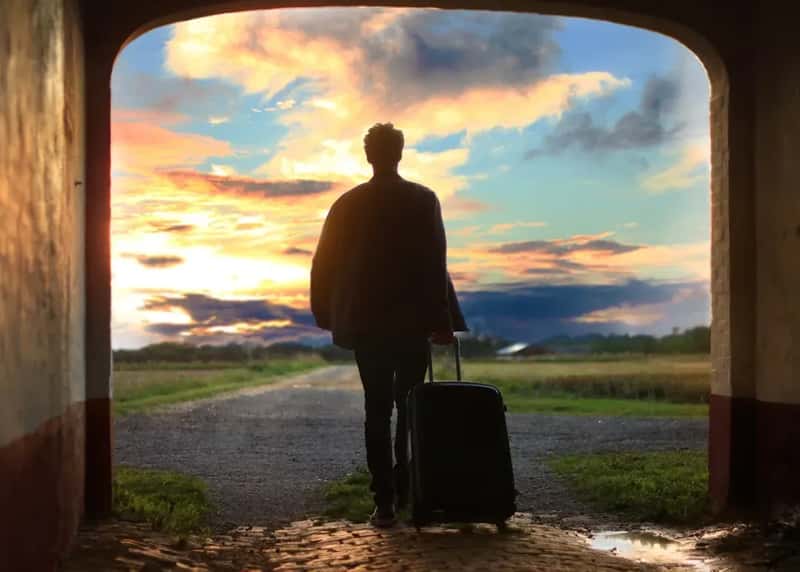
Every habit on this list feeds into one master skill: the willingness to release control and let a place surprise you. Experienced travelers don’t experience getting lost as a failure. They experience it as the trip actually beginning. The alley you wandered down by accident. The neighborhood you ended up in after a wrong turn. The street festival you stumbled into because you had nothing scheduled that afternoon and nowhere else to be. That’s the material that becomes the story you tell for the next decade.
Wandering without a fixed agenda – sometimes without Google Maps open at all – is how the most irreplaceable travel discoveries happen. Every habit listed above exists to give you the confidence to eventually put the map away. You prepare carefully so you can let go completely. That’s the final secret – and the one that takes the longest to learn.
“The world is a book, and those who do not travel read only one page.”
Saint Augustine
There’s a certain kind of traveler you recognize the moment you see them. They’re not stressed at the gate. They’re not hauling a 50-pound suitcase across cobblestones. They’re not eating somewhere with a menu in eight languages because it was the first place they found. They got there one smarter habit at a time, until travel stopped feeling like a gamble and started feeling like coming home – anywhere in the world. None of these habits require money or experience to start. They just require paying slightly more attention than you did last time. Which one do you already have nailed down – and which one do you wish someone had told you years ago?