Most people assume frequent flyers glide through security because they’re lucky, or because they’ve paid for some secret pass. The truth is less glamorous. The speed comes from small habits they finish before they ever reach the conveyor belt.
Those habits matter more than ever. Shoes mostly stay on now, new scanners are changing what comes out of your bag, and one rule people swear is dead is very much alive. Some of the moves on this list are practical, some are surprising, and the last one has nothing to do with gear at all.
#23 – They Read the Lane Before They Pick a Line
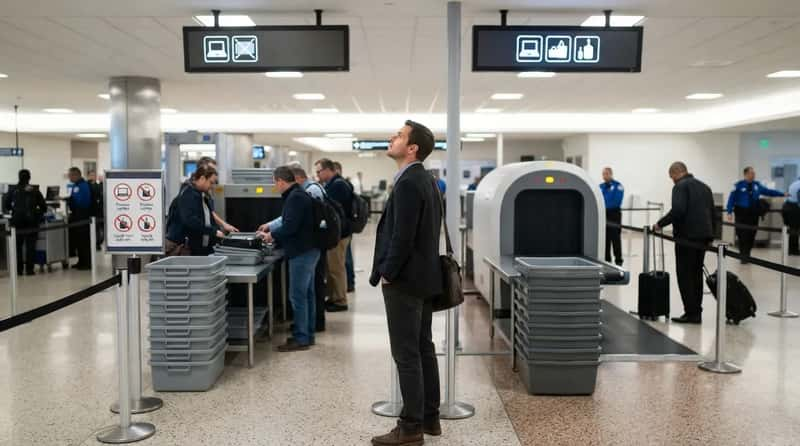
Regulars look up before they look at the crowd. New CT scanners let travelers leave laptops and travel-size liquids packed. Not every checkpoint works that way, though.
In a lane with older equipment, you should expect to pull out the laptop and the liquids bag. They check for signs, bin stacks and machine type. Two lanes that look identical can ask for completely different things. Picking the right one saves the awkward mid-line unpacking scramble.
#22 – They Wear Slip-Ons Even Though Shoes Now Stay On
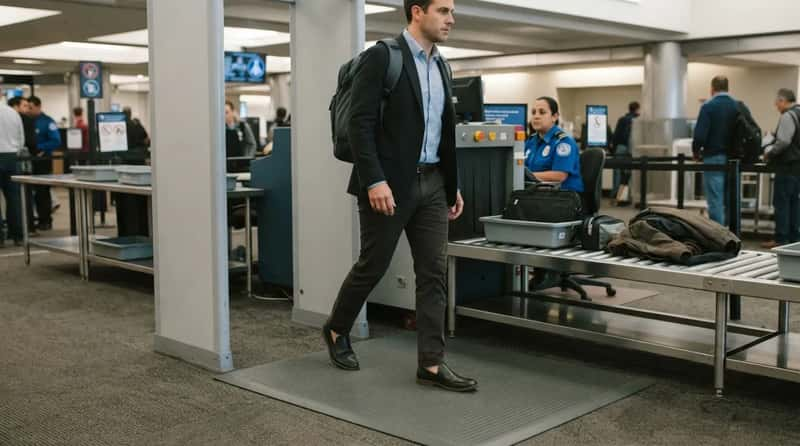
The shoes-off era is over, yet frequent flyers still dress for the exception. DHS ended the shoes-off requirement at checkpoints nationwide on July 8, 2025, retiring a policy that had run since 2006. That’s almost two decades of people hopping around on sock feet.
The catch is that passengers selected for additional screening can still be asked to take their shoes off. “Shoes on” is the default, not a guarantee. Regulars pick footwear they can slip off in two seconds without an audience.
#21 – They Still Treat the 3-1-1 Liquids Rule as Law
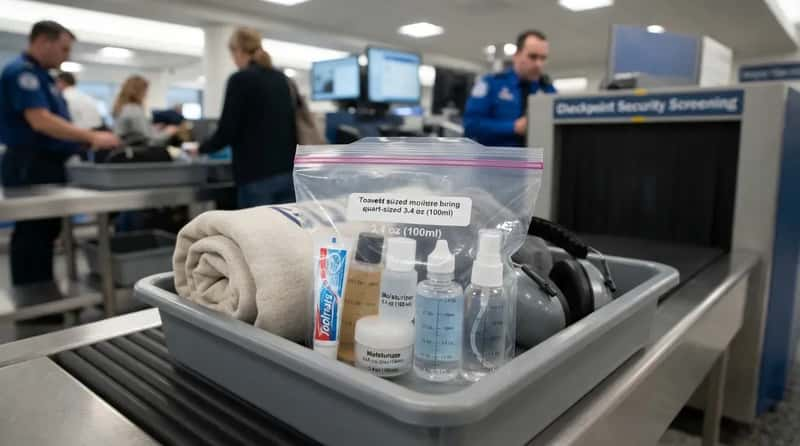
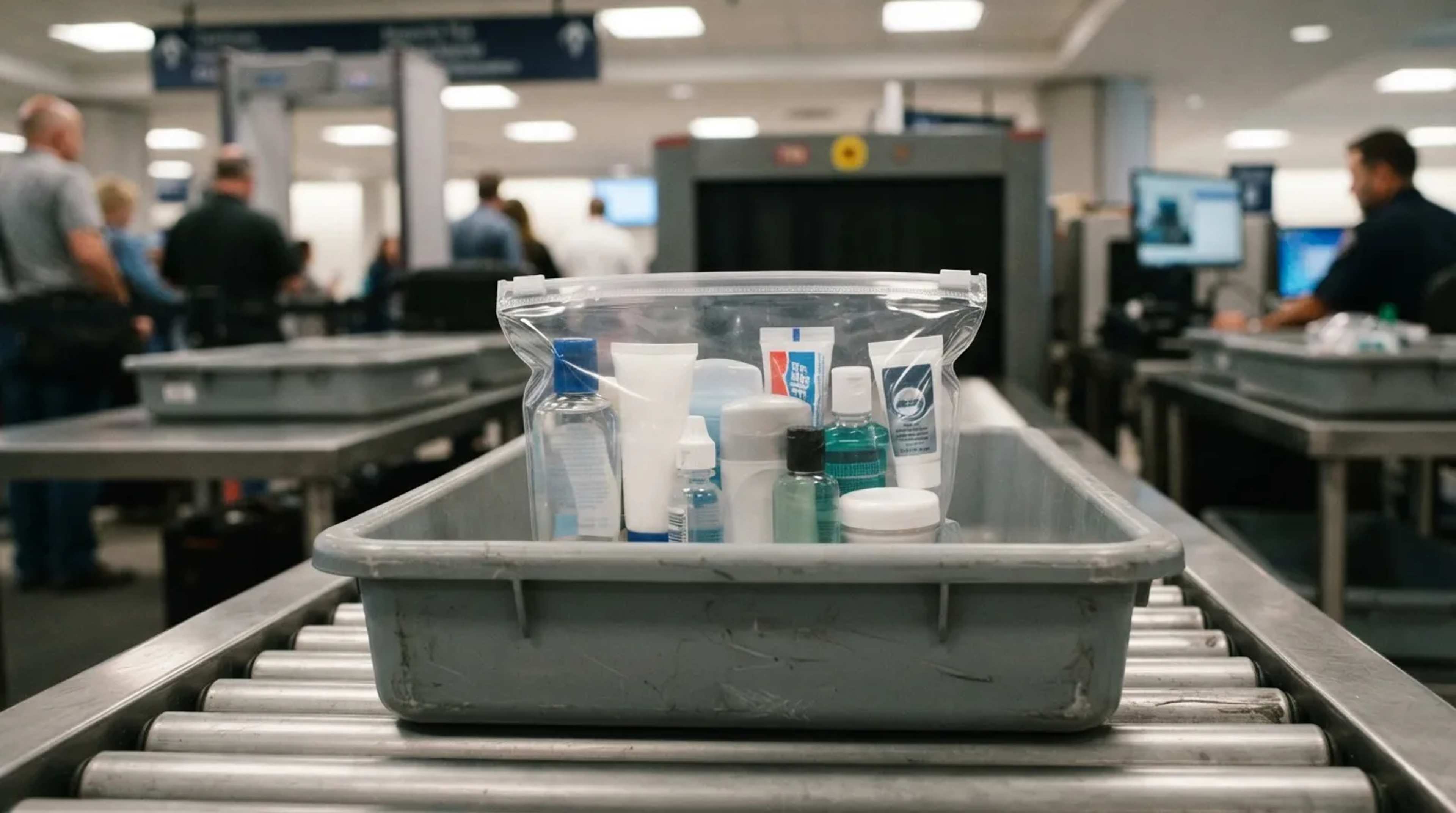
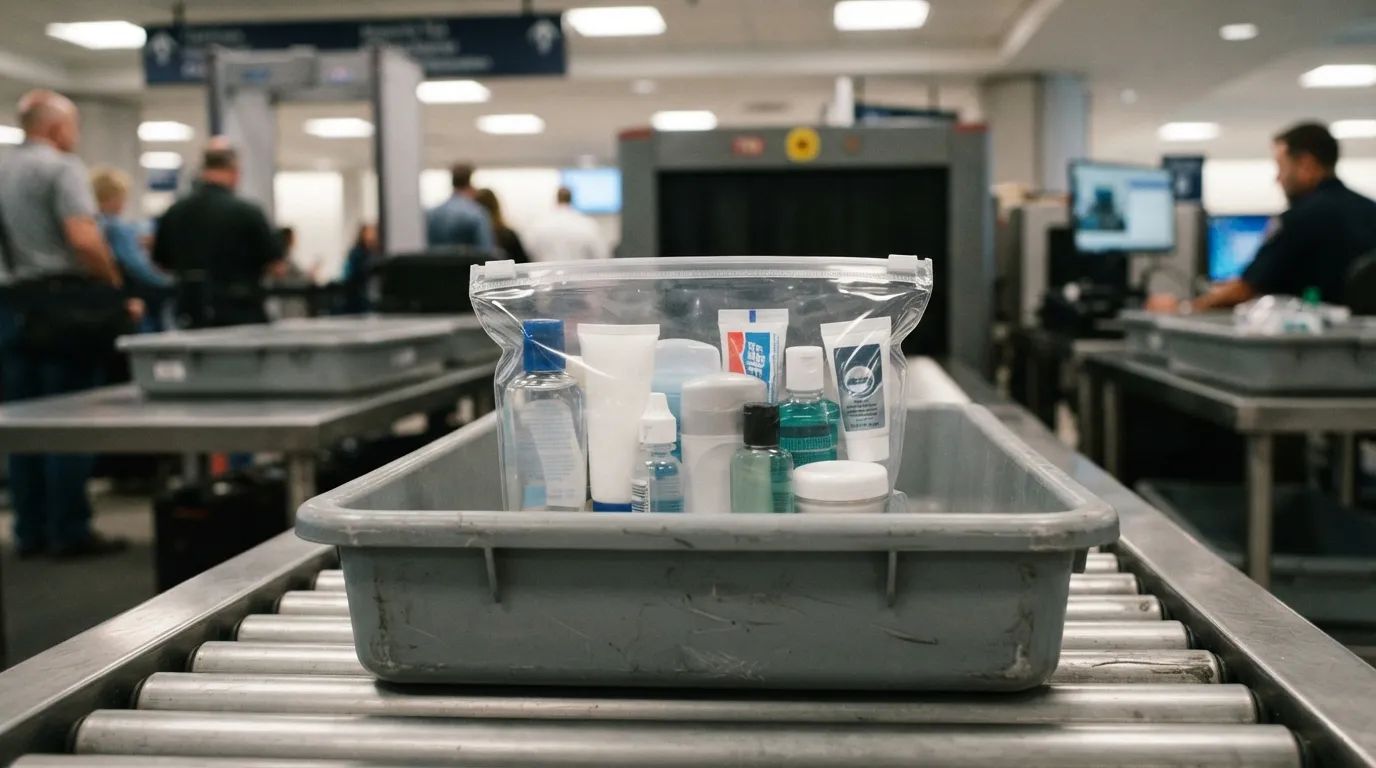
Online rumors keep announcing that the liquids rule is dead, and frequent flyers don’t buy them. The 3-1-1 rule is unchanged: 3.4 ounces per container, one quart-size bag, one bag per passenger. Even in CT lanes, the 3.4-ounce limit still applies.
The definition catches people out. TSA treats anything spreadable, pourable, pumpable, squeezable or scoopable as a liquid. That’s why peanut butter and hummus get pulled aside. Regulars leave the snack jar at home.
#20 – They Carry an Empty Water Bottle Like It’s a Passport
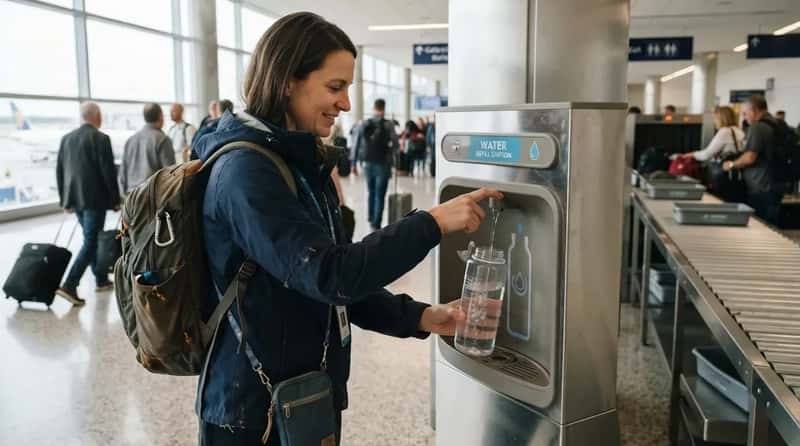
The most useful item in a frequent flyer’s bag has nothing in it. An empty reusable bottle goes through security without trouble. They fill it at a fountain or refill station on the other side.
It sidesteps the liquids rule completely. It also skips the airport-priced bottle at the newsstand, which plenty of seasoned travelers consider the biggest small ripoff in the terminal. The habit costs nothing and removes one purchase from every trip.
Worth Knowing
- The 3.4-ounce limit applies to what’s inside a container, so an empty bottle is fine.
- If a bottle still has water in it, expect to be asked to empty it before the belt.
- Collapsible silicone bottles fold flat once they’re empty, which frees up bag space.
#19 – They Put Everything in the Bin, Even When the Lane Seems Relaxed
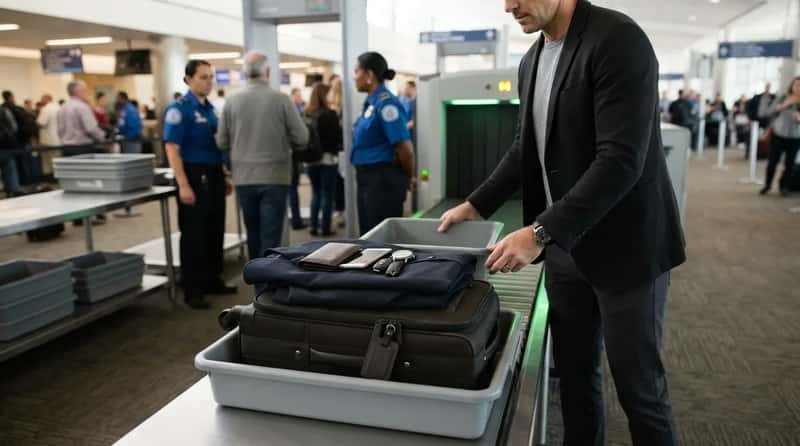
A CT lane feels like the rules relaxed. They didn’t. TSA still requires all belongings, including carry-on bags, jackets and other personal items, to be placed in a screening bin.
Regulars don’t get caught halfway through the routine, and they don’t hold up the line while an officer repeats instructions. The packed laptop is the only thing that gets a pass. The jacket and the bag still ride in the bin.
#18 – They Never Overstuff the Carry-On
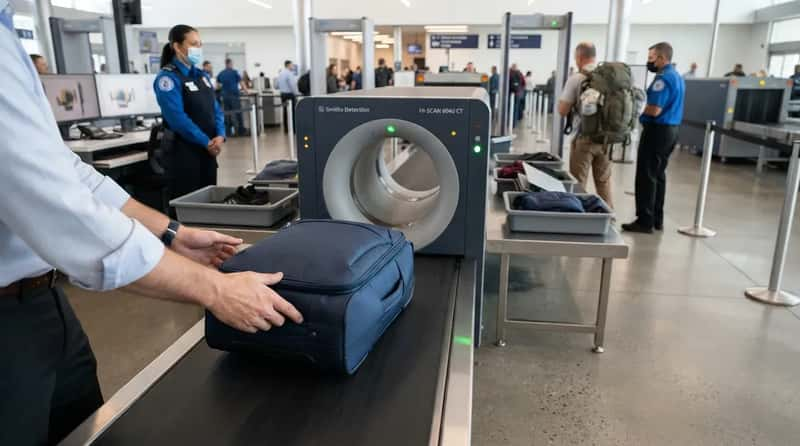
A bulging bag can stop a line cold. CT machines have smaller openings, so some overstuffed carry-ons may no longer fit. That’s a new problem for people who treat the overhead bin as a challenge.
If that happens, officers will either screen the bag by hand or send you to a lane without CT scanners. Your bag’s shape can decide which lane you end up in. Regulars pack soft and slightly under capacity.
#17 – They Had Their REAL ID Sorted Long Before It Mattered
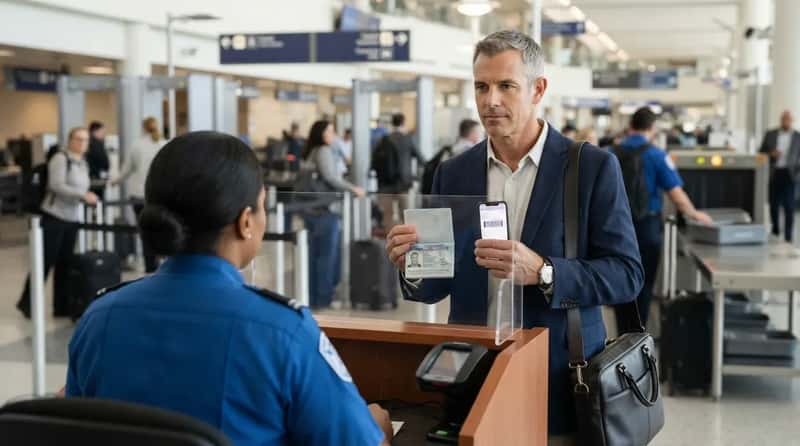
Frequent flyers don’t gamble at the ID podium. REAL ID enforcement began May 7, 2025. Reports also point to a $45 ConfirmID fallback fee for travelers without acceptable ID, set to start in February 2026.
Regulars keep a passport or REAL ID in the same pocket every time. Forgetting your ID can now cost you money as well as time. They hold it in hand before reaching the officer, with the boarding pass already open.
#16 – They Build In Time for the Random Pull-Aside
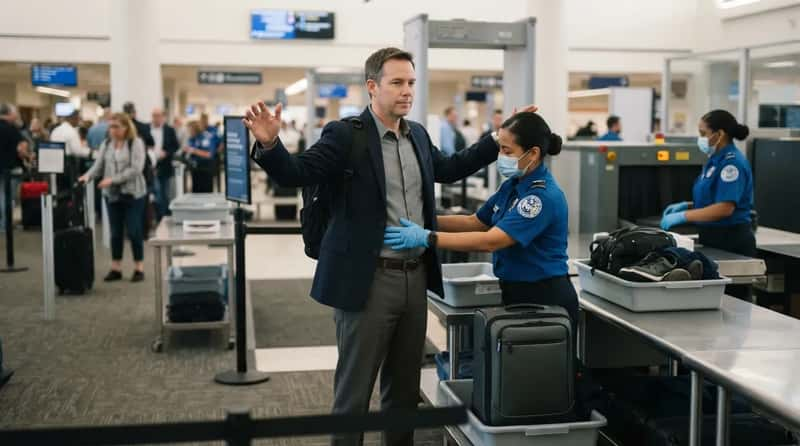
Seasoned travelers accept that screening isn’t identical twice. TSA uses unpredictable security measures, so no traveler is guaranteed the same screening on every trip. That includes PreCheck members.
So they don’t plan around the best-case scenario. The calm person in the line is usually the one who left a buffer. They also don’t treat a pat-down or bag check as a personal insult. It’s just part of the process.
#15 – They Paid for PreCheck, and the Debate Doesn’t Faze Them
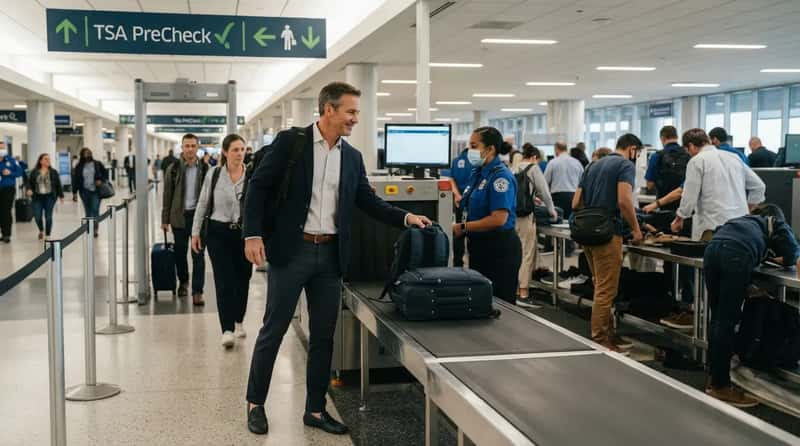
PreCheck is the quiet favorite of regular flyers. It costs about $79.75 to $85 depending on the provider. Eligible members don’t need to remove shoes, belts, light jackets, laptops or compliant liquids.
Some critics argue the shoes-on change and CT scanners have shrunk its value. TSA disagrees, and a spokesperson told Afar that PreCheck retains unique advantages, such as expedited screening and shorter lines. Frequent flyers say the real prize is a predictable routine.
#14 – They Skip Straight to Global Entry
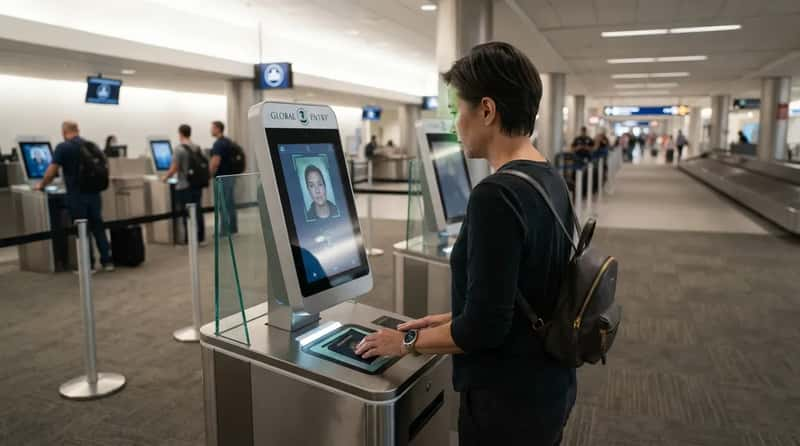
Plenty of regulars never bother with PreCheck alone. Global Entry costs $120 for five years and includes TSA PreCheck. The price gap is small, and it adds fast customs on the way back into the country.
Compared with PreCheck’s price range, the difference is roughly $35 to $40. One application can cover your domestic lane and your return from abroad. Even one overseas trip every few years can make that worthwhile.
#13 – They Know CLEAR Isn’t Security Screening, and Many Skip It
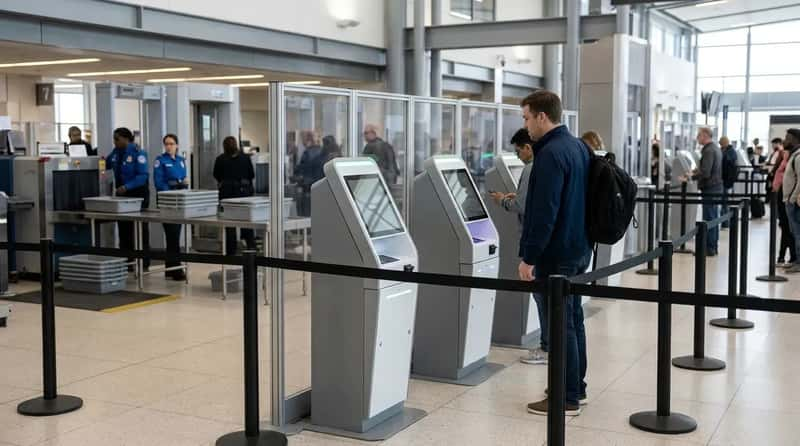
CLEAR gets confused with PreCheck all the time. It doesn’t do the same job. CLEAR doesn’t screen you at all. It speeds up identity verification, which is only one step in the process.
Prices cited recently range from roughly $189 to $219 a year. That’s a recurring fee, unlike the five-year government programs. Many frequent flyers say it only pays off at busy hubs where the ID line really backs up.
#12 – They Let a Credit Card Pay for the Fast Lane
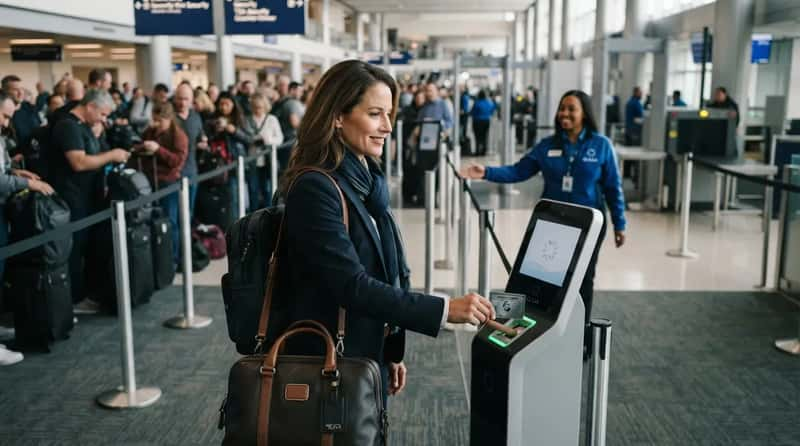
Many regulars never see the fee. Some premium cards offer statement credits toward Global Entry or PreCheck. One roundup noted up to a $120 credit on such a card.
Reports also say some cards, including the American Express Platinum, offset the annual CLEAR price through credits. The “expensive” programs can end up effectively free. It pays to check what your card already covers before paying out of pocket.
Quick Compare
- TSA PreCheck: About $79.75 to $85, and it speeds up the screening itself.
- Global Entry: $120 for five years, with PreCheck included plus faster customs on return.
- CLEAR: Roughly $189 to $219 a year, and it only speeds up ID checks.
#11 – They Avoid the Days Everyone Else Picks
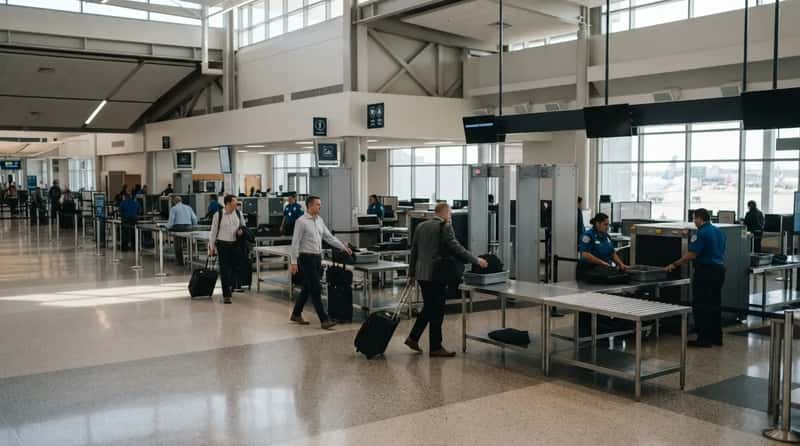
Frequent flyers know the calendar is a weapon. In late 2025, TSA screened more than 3.13 million people on a single Sunday, a new record. That Sunday came right after Thanksgiving, and the previous high had come in June.
Record days keep stacking up, and peak days are getting more crowded, not less. Regulars shift to mid-week or early flights whenever they can.
#10 – They Check Their Airline’s Power Bank Rules Before Packing
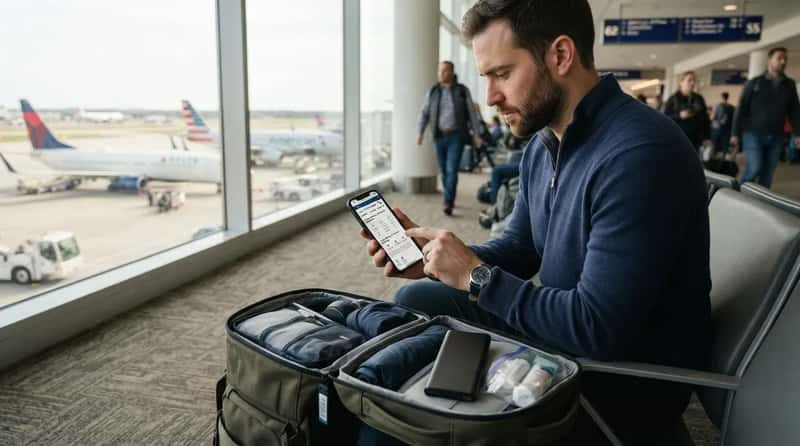
Battery rules are the new surprise at the gate. Reports say several major carriers, including American, Delta and Southwest, have tightened how many power banks passengers can bring. Limits differ by airline and keep changing.
Spare lithium batteries belong in carry-on bags, not checked luggage. Two airlines can give you different numbers for the same bag. Regulars check before they pack, not at the checkpoint.
#9 – They Empty Their Pockets Before the Line Even Starts
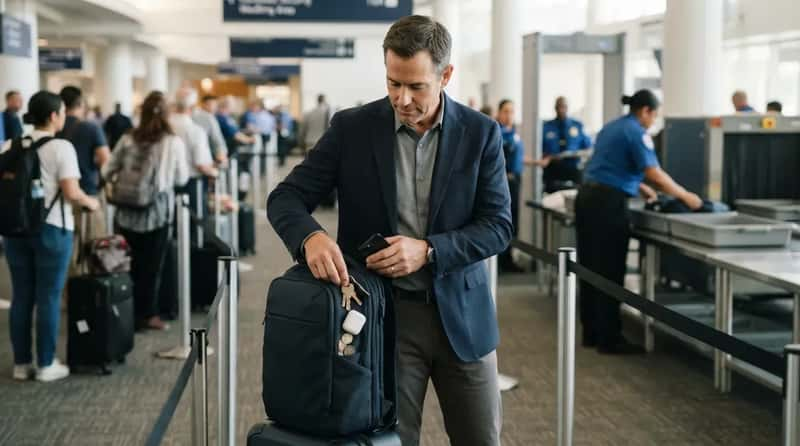
Watch a veteran in the queue. Their pockets are already empty. Keys, coins and earbuds go into the carry-on while the line crawls, not at the bin.
It cuts the number of loose items that go through the belt. Fewer loose items means fewer things left behind in a tray. It also makes it harder to set off the metal detector for something small.
#8 – They Dress for the Scanner
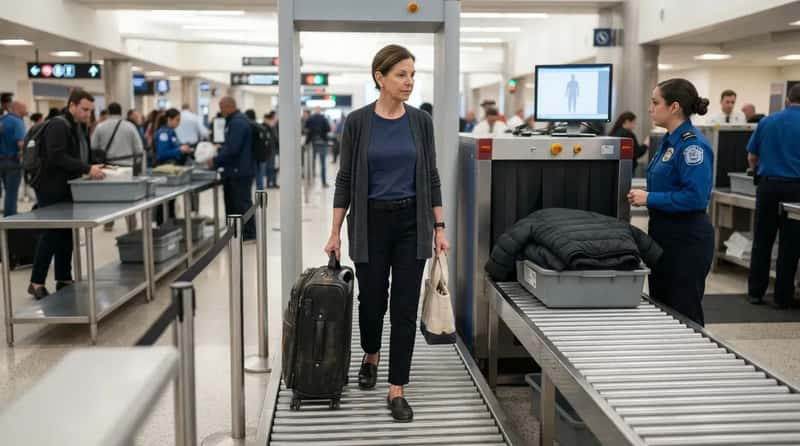
Frequent flyers pick outfits like it’s a logistics problem. PreCheck members generally keep belts and light jackets on, but standard lanes can ask for more. So they plan for the stricter version.
That means a belt with a plastic buckle, no heavy jewelry, and a light layer that’s easy to remove. The best outfit is the one that never makes an officer ask a second question. It’s a small choice that adds up over dozens of trips.
#7 – They Treat Duty-Free Liquids Like a Separate Rulebook
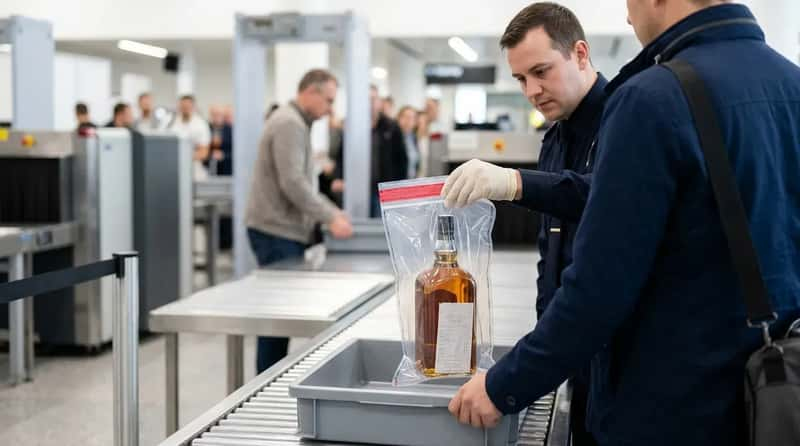
International connections can trip up even experienced travelers. Duty-free liquids can have separate screening requirements, and items that don’t meet TSA’s rules may require additional screening or be refused. Lots of people buy the bottle first and ask questions later.
Regulars ask at the shop about sealed bags and connection rules. A bottle that cleared one airport can be a problem at the next one. That’s an expensive lesson for someone carrying gifts home.
At a Glance
- Duty-free liquids usually come sealed in a clear security bag with the receipt inside.
- Opening that bag before your final stop can make the bottle a problem at a later checkpoint.
- Rules differ by country, so ask the cashier about your connecting airports before you pay.
- Bottles over 3.4 ounces that miss the exemption may be taken at screening.
#6 – They Pull Out the Laptop Before They Reach the Belt
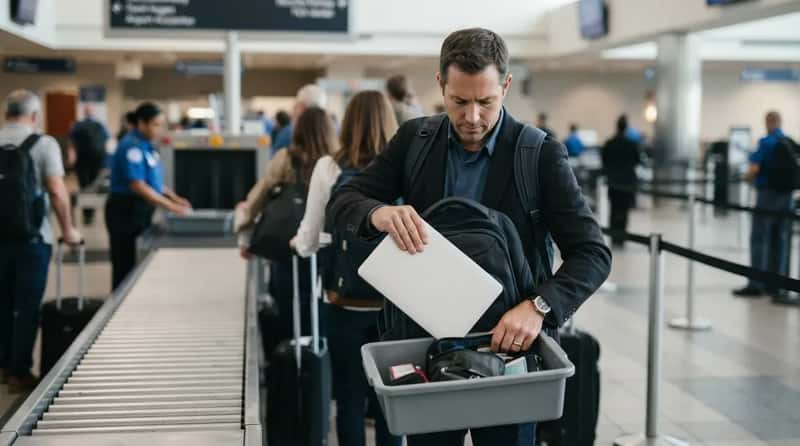
You can tell a veteran by what they’re doing in the queue. They’ve read the lane. If laptops and liquids are going into bins, it’s an older lane, so they pull theirs out before they reach the belt.
That way they walk up ready. The delay in most checkpoint lines is people unpacking at the belt. Regulars never become that person.
#5 – They Grab Their Stuff and Move Off the Belt Immediately
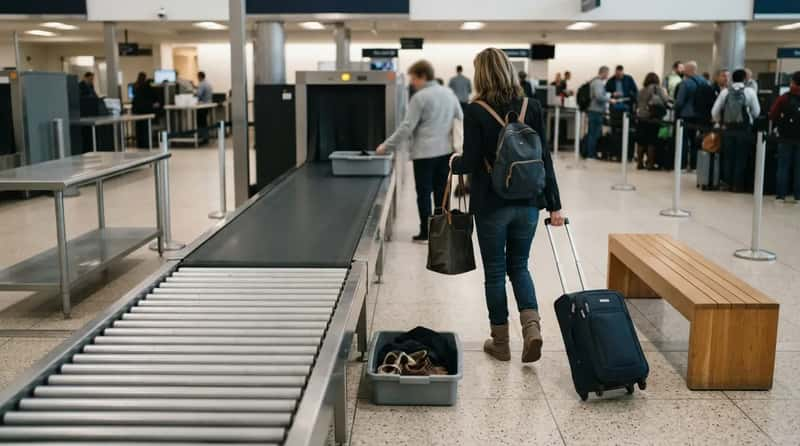
The belt exit is where courtesy shows. Regulars pull their bin and walk to a bench or a quiet spot to repack. They don’t re-lace, re-pack and re-check their phone at the end of the belt.
It keeps the next person’s items from piling up behind them. Most backups happen after the scan, not before it. Moving ten feet is a free favor to everyone behind you. Now for a take that may start an argument.
#4 – They Don’t Trust the Shortest Line
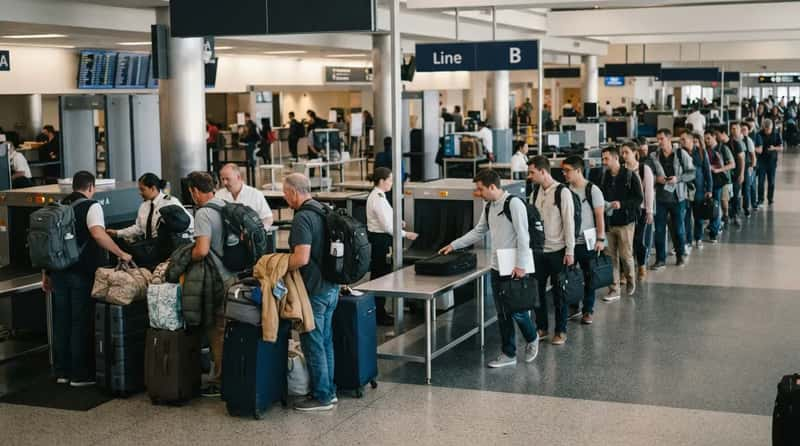
Seasoned travelers will tell you the shortest line isn’t always the fastest. A short line full of people with oversized bags and full liquids kits can move slower than a longer one of light packers. That’s an opinion, not a measurement, but it’s a common one.
They look at what people are carrying, not how many are waiting. Frequent flyers read the bags, not the length. It also pays to notice which lane has the CT scanner.
#3 – They Keep a Permanent Liquids Bag Packed
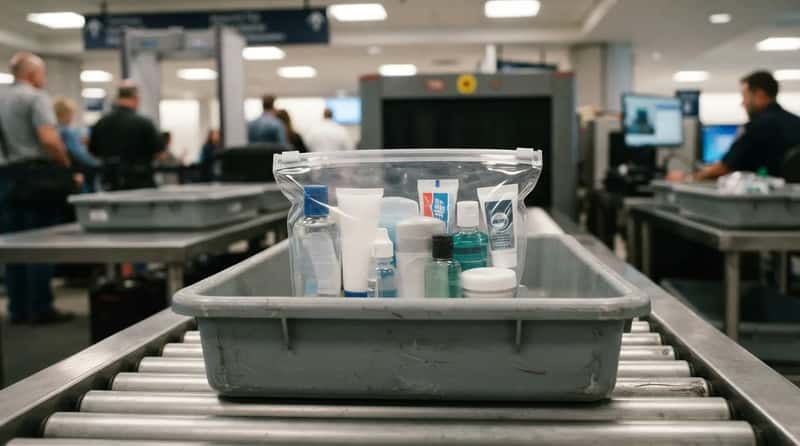
Some regulars never repack their toiletries. A clear quart-size bag lives in the suitcase with 3.4 oz containers, one bag per traveler. It goes in and out of the carry-on at every trip.
That removes the last-minute guessing at the sink. The bag is basically always ready for inspection. The routine also stops them from accidentally packing a full-size bottle.
Fast Facts
- The “3-1-1” name stands for 3.4 ounces, one quart-size bag and one bag per passenger.
- 3.4 ounces is the same as 100 milliliters, so check the number printed on the label.
- A container that’s only half full still counts by its size, not by how much is left inside.
- Medications, baby formula and breast milk are allowed in reasonable quantities, but tell the officer at the checkpoint.
#2 – They Trust TSA’s Site, Not the Viral Post
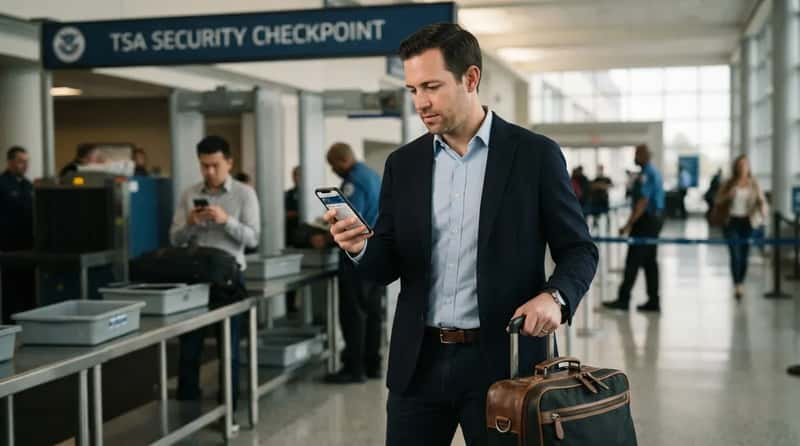
Every few months a post claims the liquids rule is gone. Frequent flyers check the source. TSA still lists the limit on its official rule page, and there’s no update loosening it.
Real changes leave a trail. They arrive as a dated DHS or TSA press release, like the shoes announcement did. A screenshot isn’t a rule change. Regulars verify before they pack.
#1 – They Say Thank You, and Mean It
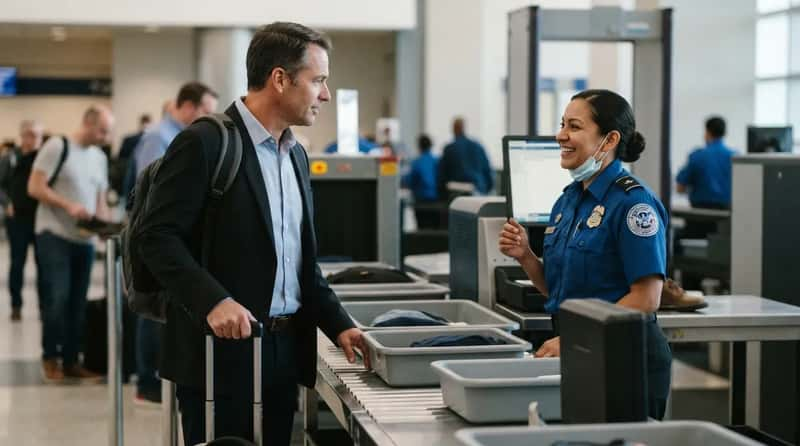
The habit that stands out most has nothing to do with gear. Frequent flyers acknowledge the officer. They’ve seen the checkpoint on its worst days.
Late in 2025, a 43-day funding lapse left TSA employees missing multiple paychecks, with some taking second jobs. Just weeks later, the agency screened a record 3.13 million people in a day. The people running the line kept working through all of it. A short thank-you costs nothing, and regulars have worked that out.
So frequent flyers aren’t faster because they’re luckier. They read the lane, keep their ID and liquids ready, and don’t believe every rumor about the rules. The shoes-off era may be over, but CT scanners, bag size, airline battery limits and random extra screening still catch plenty of people off guard.
The best habit on this list might also be the easiest to copy on your next trip. Which one did you already have, and which one are you stealing?