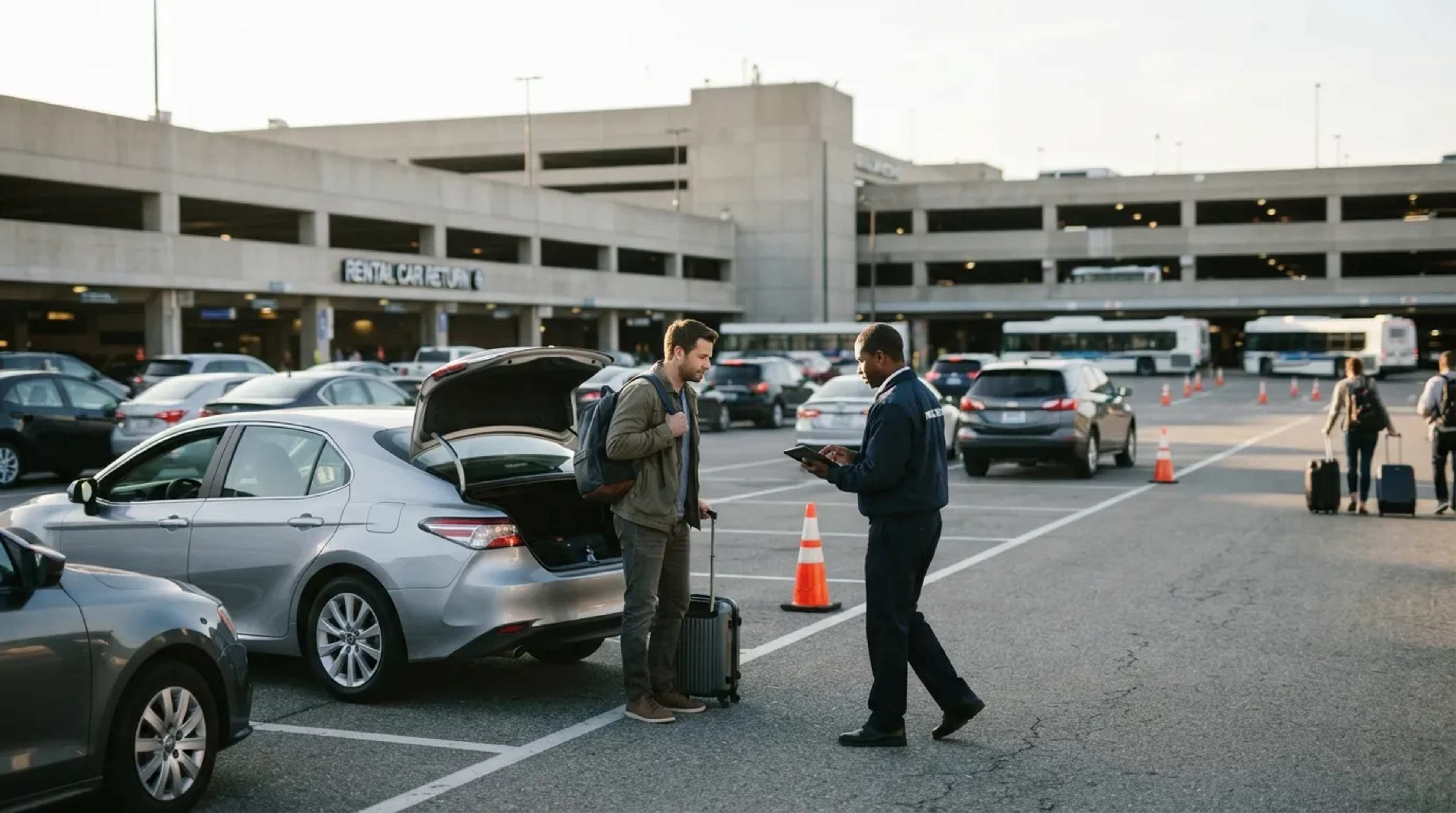
A connection your booking site sold you is not a connection anyone promises you’ll make. The site only checks that it clears the minimum connection time, the shortest layover an airport or airline allows to be booked.
A late inbound plane, a long passport line or a bag you have to re-check can wipe out that cushion. The bill can be a night on terminal carpet, a rebooking fee or a whole new fare.
These 25 mistakes run from small annoyances to expensive errors. The last one shows who pays when a cheap-looking itinerary falls apart, but first comes the one that costs nothing to fix.
#25 – Skipping the Terminal Map Until You Land
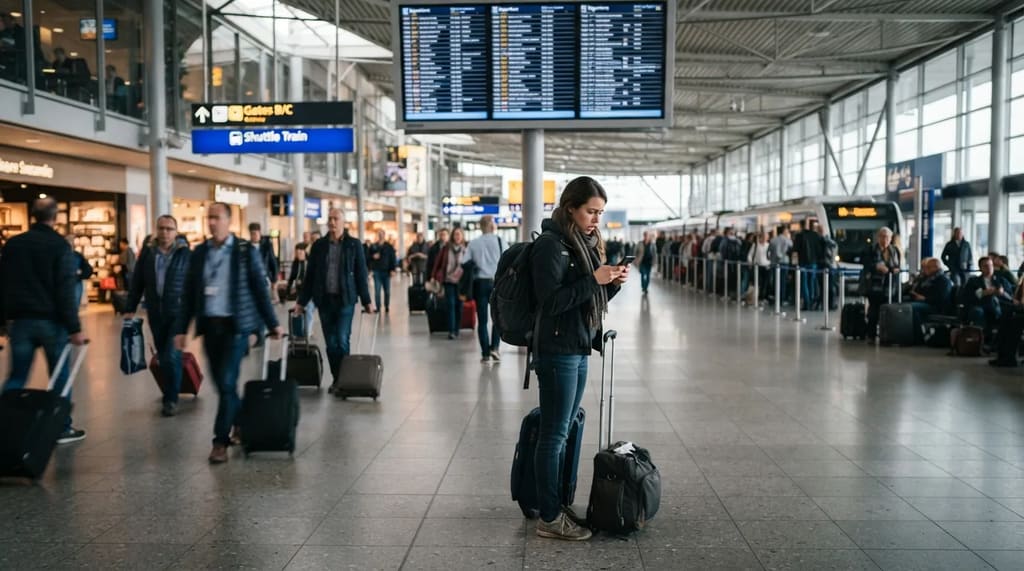
Connecting flights don’t always leave from the gate next door. At some airports you have to change terminals, and that eats time.
Look up your layover airport the night before and note both terminals. A change can mean a shuttle, a train or a long indoor trek.
Write down your arrival and departure terminals before you leave home.
Then you’ll know within seconds of landing whether you face a short walk or a real journey.
Once you know where you’re going, you’ll need a battery to get you there.
#24 – Landing With a Nearly Dead Phone
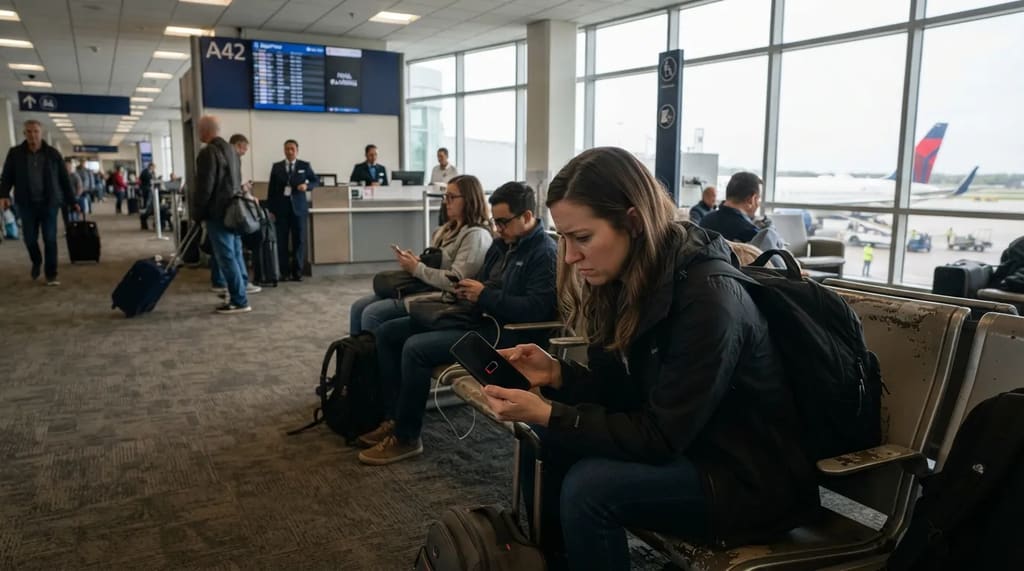
Your boarding pass, gate change and rebooking options all live on one screen. Airline apps push those alerts, and you’ll miss them if the screen goes dark.
Charge the phone fully before the first flight, and pack a short cable and a power bank. Outlets near a busy gate fill up fast.
Keep your phone above half a charge before any connection.
A paper copy of your boarding passes and hotel details costs a few cents and works when the battery doesn’t.
A charged phone still has a weak spot, and it’s the network you plug it into.
#23 – Banking on Free Airport Wi-Fi
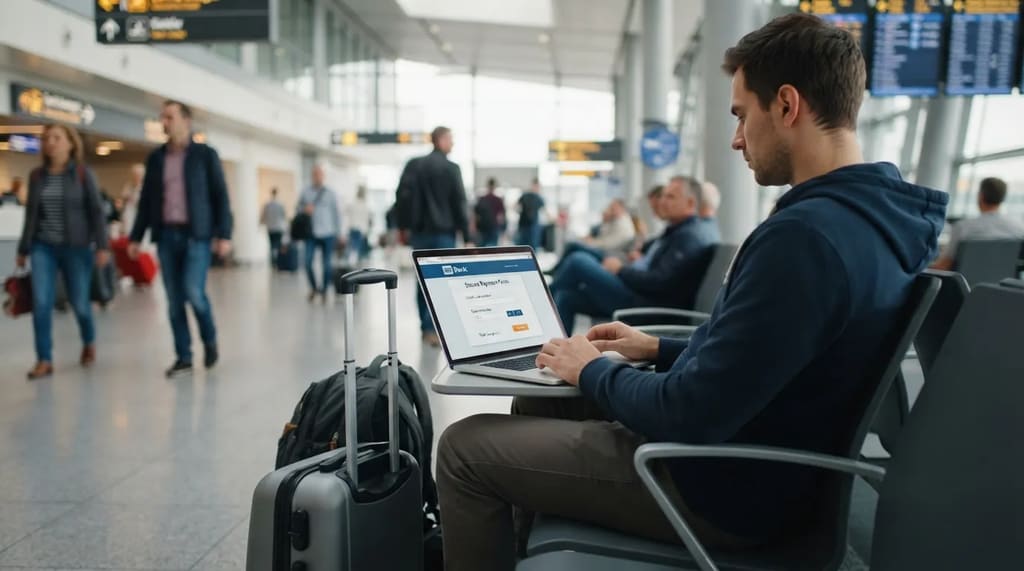
Airport Wi-Fi is open to everyone in the terminal, including people you’d never hand your passwords to. Typing a card number into it saves a little data and risks a lot.1
Use it for news, flight tracking and email you wouldn’t mind a stranger reading.
Bank, shop and pay bills on cellular data, never on open airport Wi-Fi.1
Here’s a verdict worth arguing over: free Wi-Fi is fine for reading and a poor choice for paying.
Now picture yourself too relaxed on that connection. The next mistake starts with a comfy seat.
#22 – Napping at the Gate With No Alarm
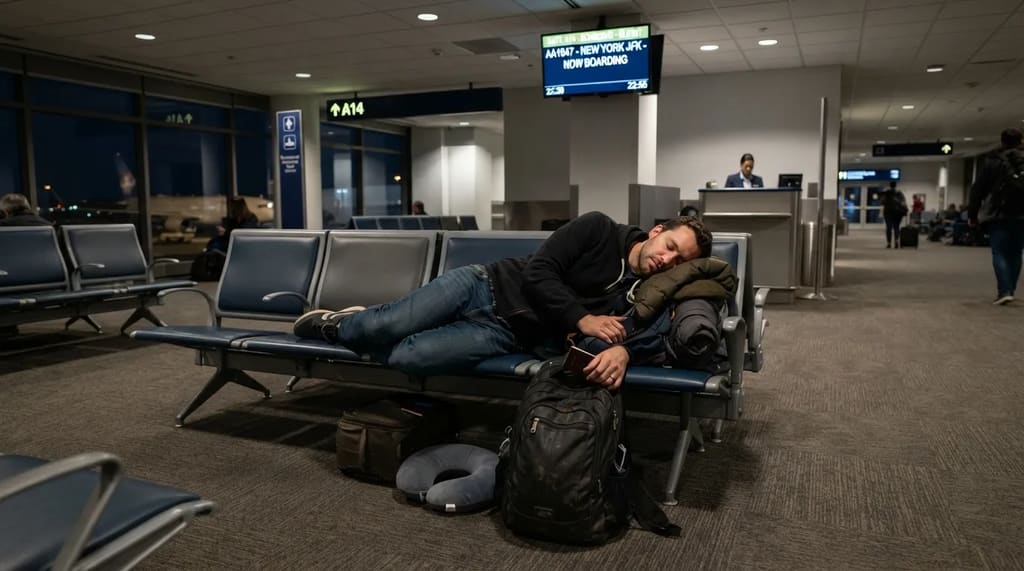
Gates change, boarding starts well before departure, and a quiet terminal makes sleep easy. Put those together and a nap becomes the way you miss the flight.
Set your alarm for boarding time, not departure time, and add a second one 20 minutes earlier. Keep your passport and phone on your body, and loop a bag strap around your arm or leg.
Wherever you rest, the bag you checked is out of reach, and one item in it can’t be replaced at a gift shop.
#21 – Packing Daily Medicine in a Checked Bag
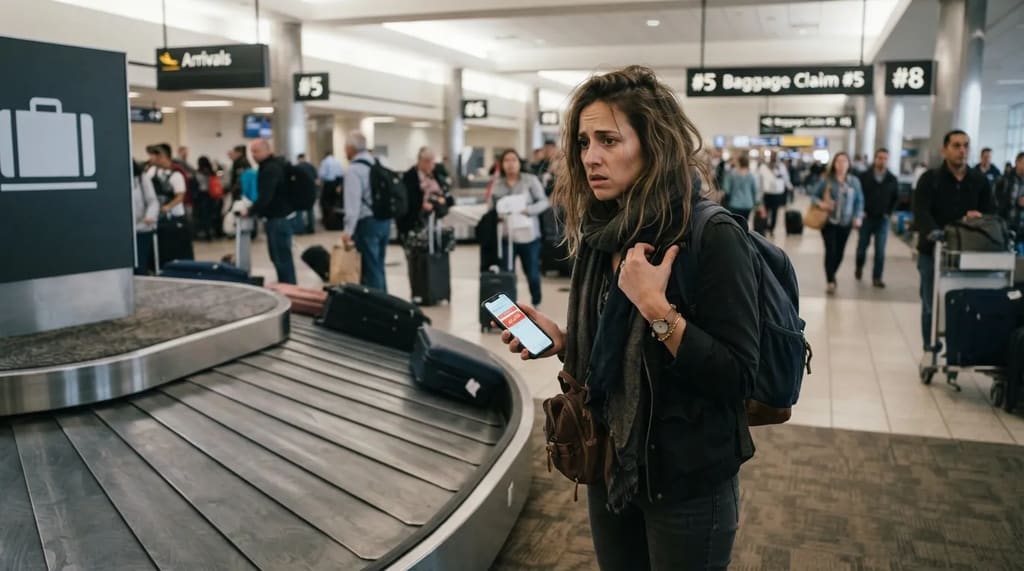
A checked bag can be delayed or routed separately from you. Your prescriptions can’t wait a day, and no airport gift shop can refill them.
Keep every medication in your carry-on, plus a few spare days’ supply in case a delay stretches the trip.
Pack medications in your carry-on, with a few spare days’ supply.
Worth Knowing
- Medically necessary liquids are exempt from TSA’s 3.4-ounce limit.2
- Declare those liquids to the officer at screening.2
- Keep pills in their original labeled containers.
- Carry a written list of what you take and the doses.
Another item has the opposite problem: it has to ride with you, and it’s probably in your bag right now.
#20 – Tucking Spare Batteries Into Checked Luggage
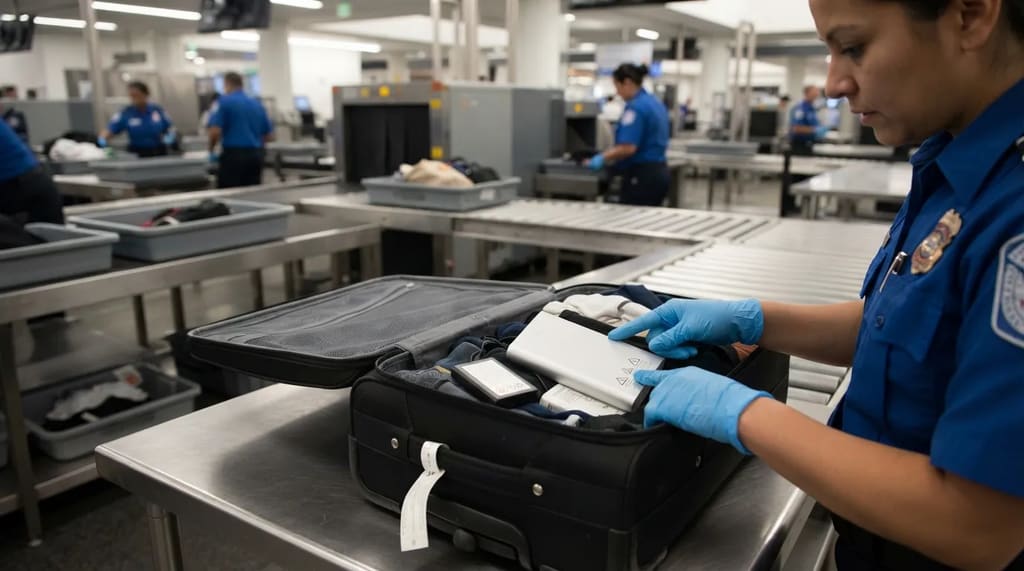
Power banks and spare lithium batteries belong in the cabin with you. Put one in a checked bag and you’ve broken a rule that exists for good reason.
The FAA requires spare lithium batteries, including portable chargers, to travel in carry-on bags.3 That way a crew can respond if one overheats.
Spare lithium batteries and power banks go in the carry-on, never in checked luggage.3
Some help at a large hub costs nothing, but you have to ask for it before the day you travel.
#19 – Waving Off Wheelchair Help at a Giant Hub
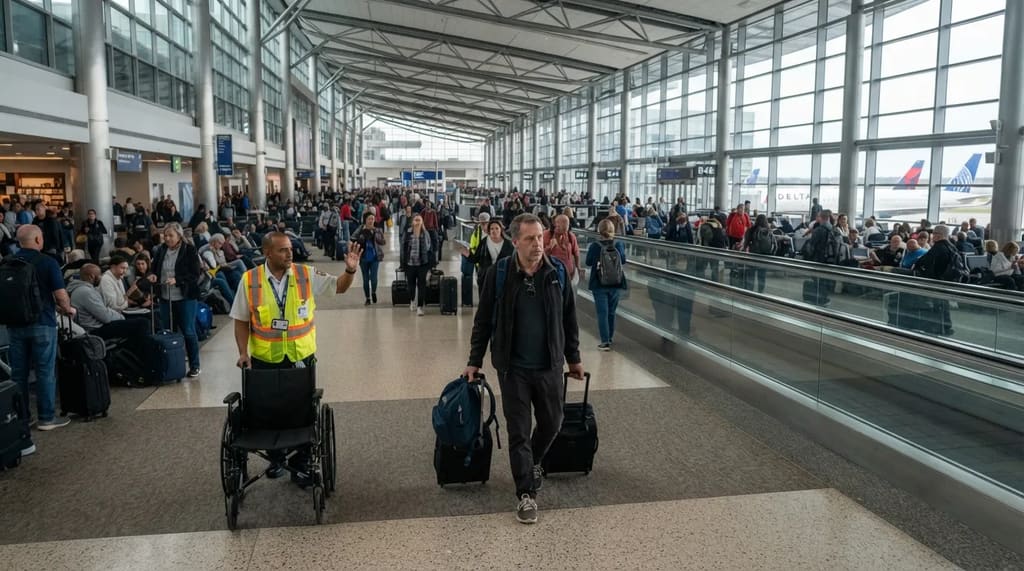
Large hubs can stretch a connection across several concourses. The walk between gates eats minutes you counted on.
U.S. airlines provide wheelchair and cart assistance at no charge, and asking early means someone is waiting at the aircraft door.
Ask for mobility assistance when you book or at check-in.
Here’s a verdict some will push back on: if your connection is tight and the gates are far apart, accept the help. A connection you make beats a stride you’re proud of.
Speaking of things that can stop you at the gate, the next one is sitting in a duty-free bag.
#18 – Carrying Duty-Free Liquor Through a Second Checkpoint
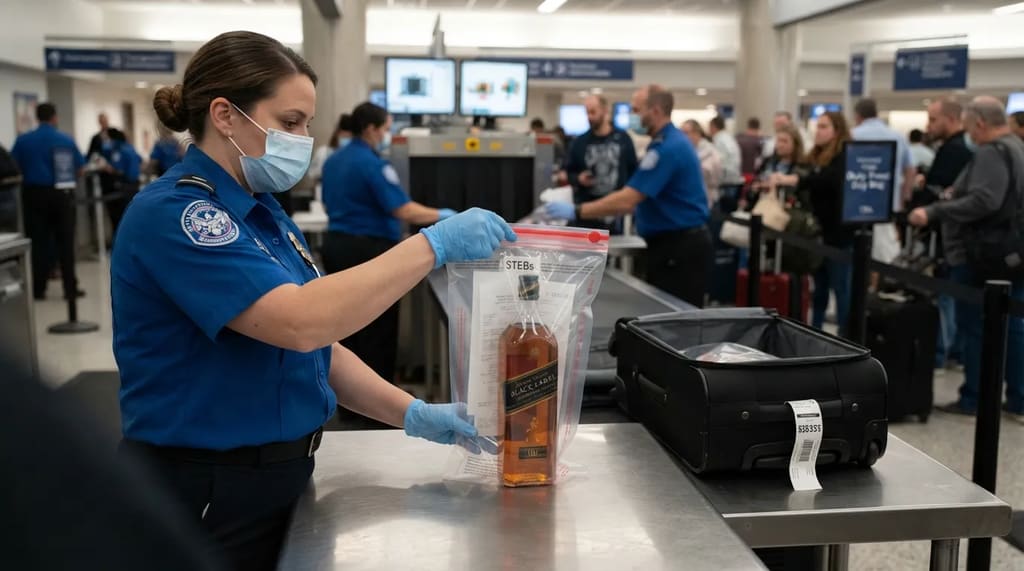
For international connections, duty-free liquids must stay in sealed, tamper-evident bags with the receipt visible. That’s the only way a bottle over 3.4 ounces rides in your carry-on.4 5
Even then, a second checkpoint can reject it. TSA recommends packing duty-free items in checked luggage if your connection goes through another security checkpoint.5
Keep the bag sealed, with the receipt, until your whole journey is complete.
Liquids are one reason to avoid passing a checkpoint twice, but leaving the building on a short layover is the bigger one.
#17 – Stepping Outside on a Three-Hour Layover
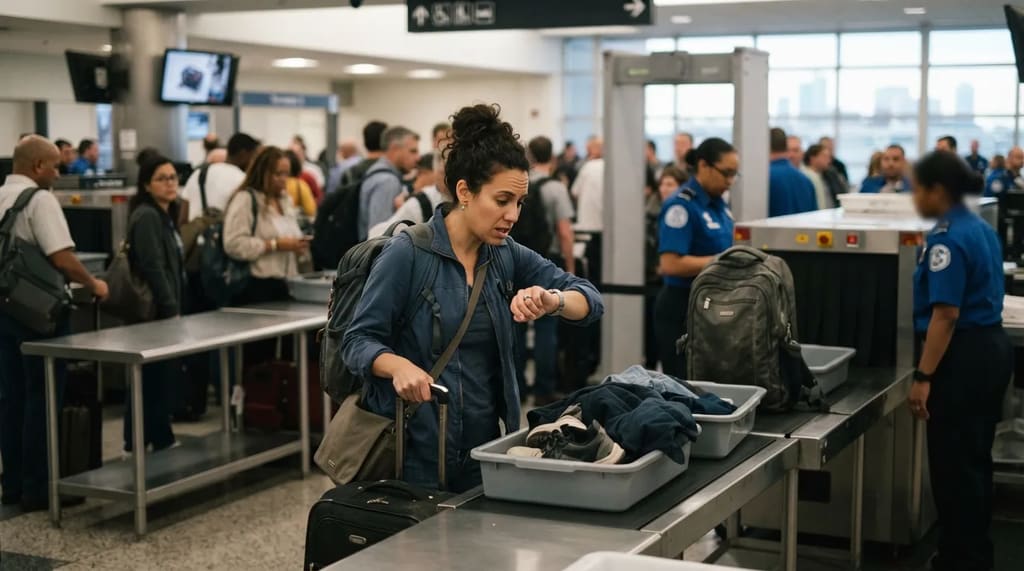
A three-hour layover sounds like plenty of time for lunch in town. On international routes, it’s generally too short to leave the airport.
Leaving means clearing immigration, getting out, getting back and passing security again. As a general rule, only consider it if the layover runs longer than five or six hours.
Under five hours, stay inside the airport.
A sandwich in town isn’t worth a missed flight.
Staying put doesn’t make the schedule safe, because one number on your booking can make a tight connection look generous.
#16 – Treating the Minimum Connection Time as Your Goal
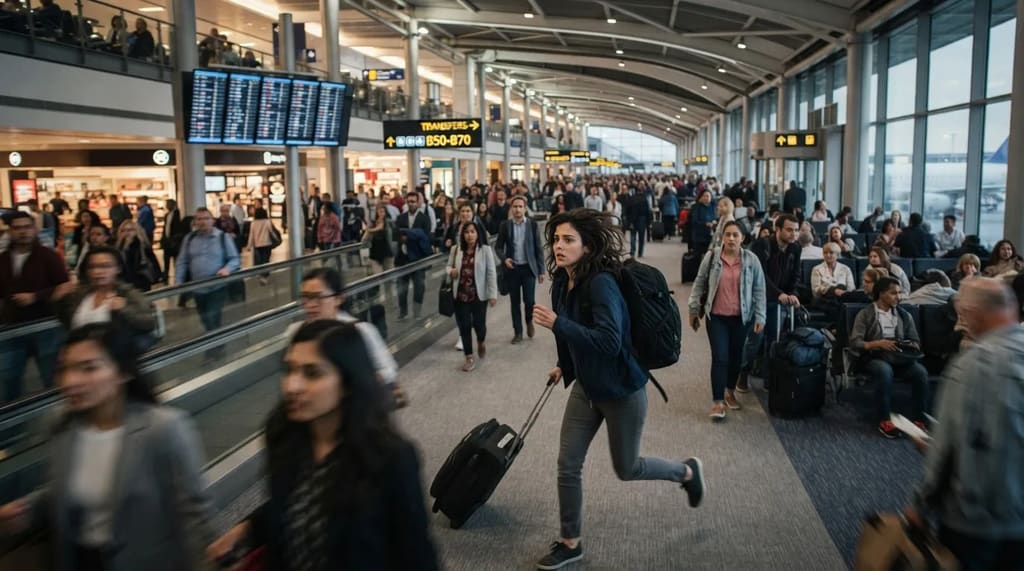
If your booking site lets you buy a connection, it meets the minimum. That’s all the site is telling you.
The minimum is a floor, not a target, and it doesn’t budget for a late inbound plane or a gate change.
A permitted connection isn’t the same as a safe connection.
Whatever the site allows, add a cushion, especially at big hubs where a terminal switch can eat your margin.
Cushion or not, the last departure of the day changes the math in a way a daytime connection never does.
#15 – Booking the Last Flight of the Day Second
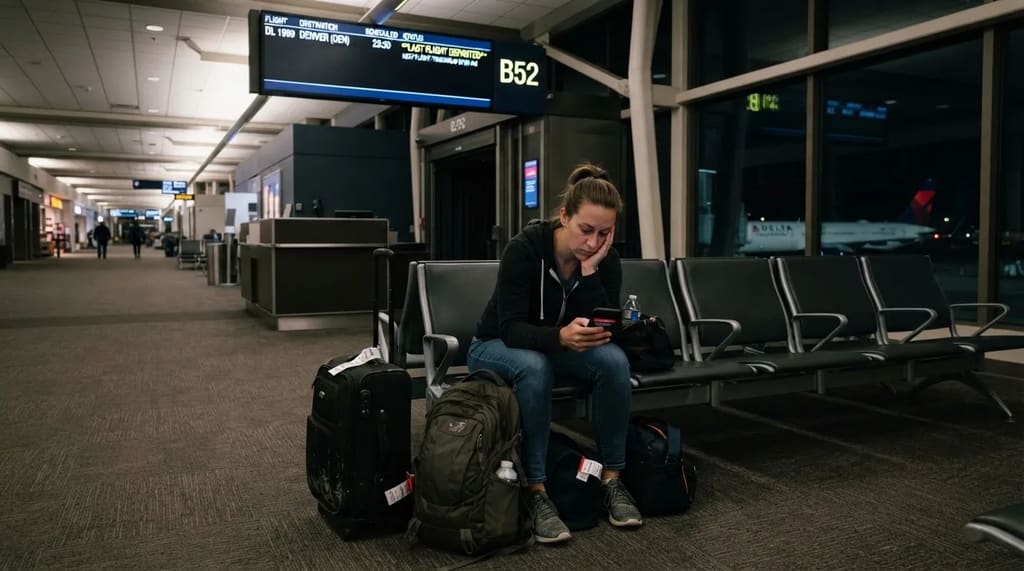
If your second flight is the day’s final departure, a missed connection doesn’t mean a short wait. It means a hotel room and a rebooking for tomorrow.
If the route has several departures a day, a miss is far less costly.
Pick a second flight that has another departure later the same day.
If only one flight a day serves the route, lengthen the layover so a late inbound plane can’t strand you.
The next mistake is about paperwork, and it can end your trip before the first flight even leaves.
#14 – Assuming You Don’t Need a Visa Because You Never Leave the Airport
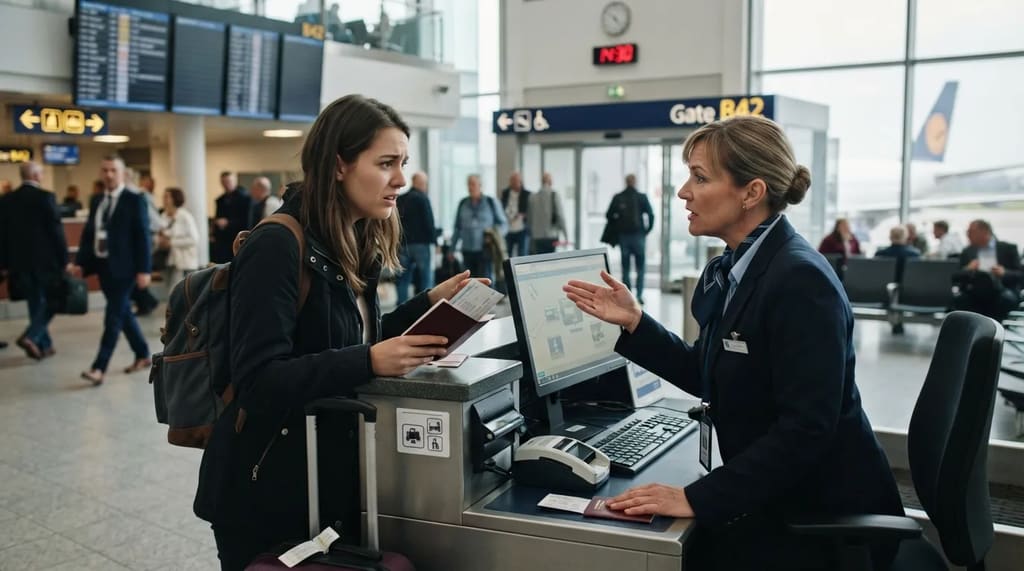
Some countries require a transit visa even if you never leave the secure area. Whether you need one depends on your passport, not on how short your stop is.
Some countries also want your passport valid for months beyond your travel dates. Check-in staff can refuse to board you if your documents don’t cover the stop.
Check the transit rules for your passport at every stop, not just your destination.
One country in particular surprises travelers who thought they were only passing through.
#13 – Expecting to Stay Airside on a U.S. Connection
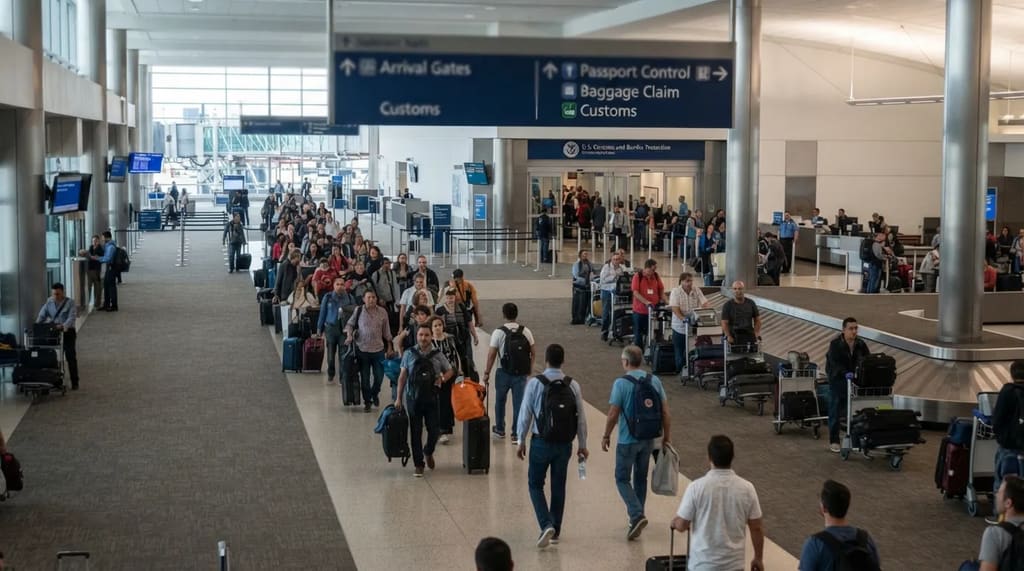
Connecting through the U.S. from abroad usually means leaving the secure area. You clear passport control, collect your bags, pass customs, then drop the bags again and go back through security.
Travelers from visa-waiver countries need an approved ESTA, and others need a visa, even for a connection.
At a Glance
- Step 1: Passport control on arrival.
- Step 2: Collect your checked bags.
- Step 3: Customs.
- Step 4: Re-check your bags for the next flight.
- Step 5: Security screening again before your gate.
Treat a U.S. connection as an arrival, because the border does.
Even a perfect itinerary has one enemy you can’t book around, and it hangs over the hub.
#12 – Ignoring the Weather at Your Connecting Hub
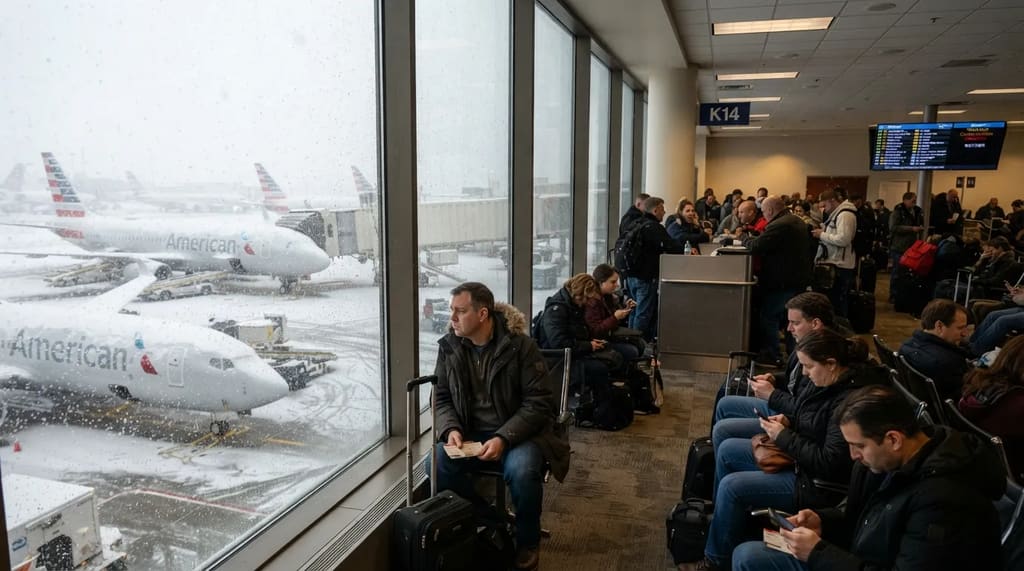
Your first flight can leave on time and still land in a mess. Summer thunderstorms and winter snow can back up a hub for hours and ripple through schedules far beyond it.
Check the forecast for the connecting city, not just your destination. If bad weather is coming, a morning connection leaves more room to recover than an evening one.
Look up the forecast for your layover city, not only where you’re going.
When the weather does win, the next ten minutes decide how your day goes.
#11 – Joining the Rebooking Line and Doing Nothing Else
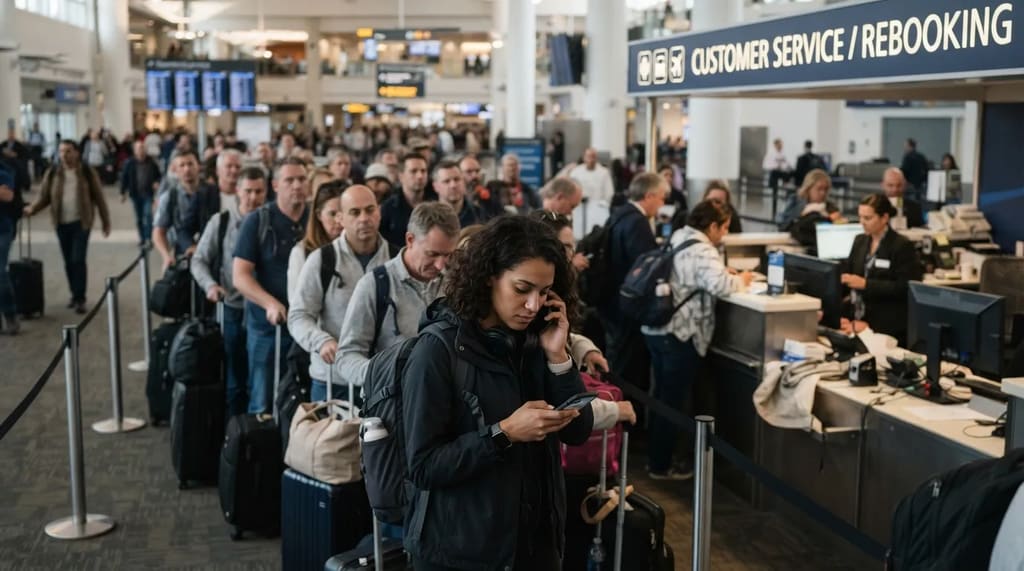
When a flight cancels, a hundred people hit the same desk at once. The line is only one way to get a seat.
Open the airline app while you wait, and call the airline’s phone line too. Whichever route works first wins.
Work the app, the phone and the line at the same time.
And if the best seat on offer is tomorrow, you’d better know where you’ll sleep.
#10 – Assuming You Can Camp Anywhere on an Overnight Layover
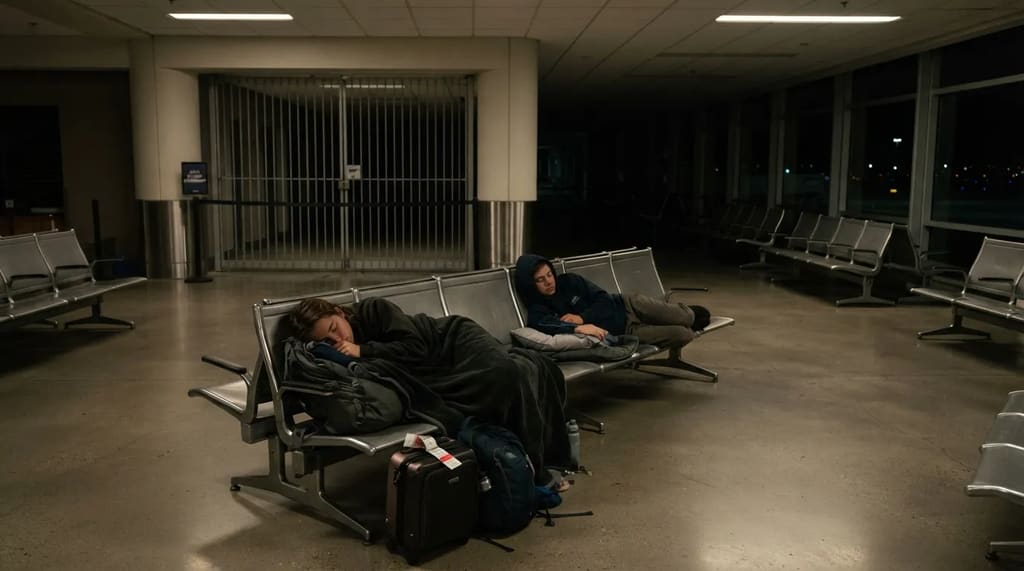
Some airports close terminals or sections overnight, and rules about sleeping on site vary. A bench that looked like a free bed can turn out to be behind a locked gate.
Look up the airport’s overnight policy before you land. Then decide whether a nearby hotel or a lounge is worth the cost.
Check overnight rules before you count on a free bench.
Even the best-prepared sleeper hits the next problem around hour six: hunger.
#9 – Counting on a Restaurant Being Open
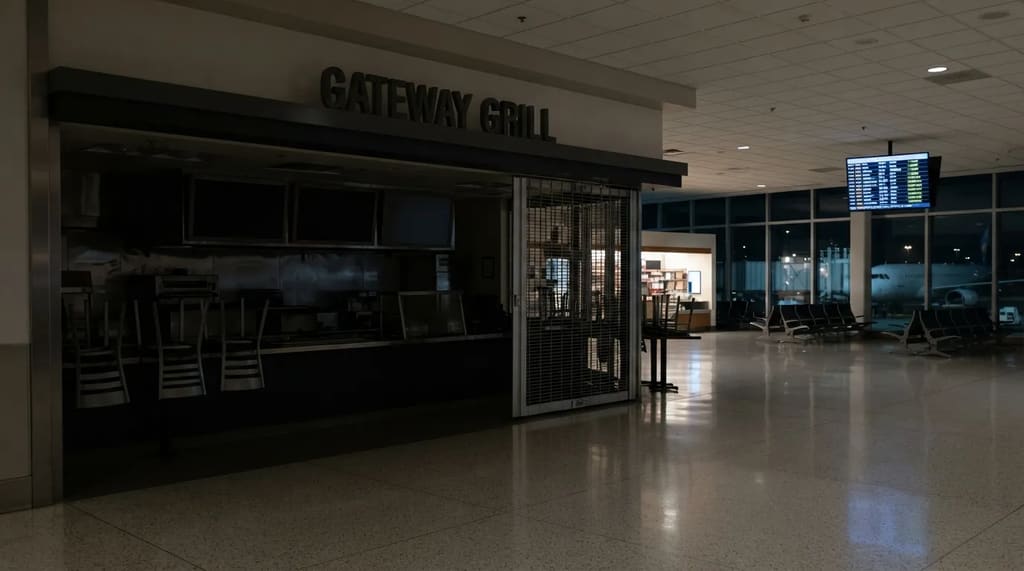
Late arrivals often land after the food court shuts. Early flights board before the coffee line opens.
TSA allows most solid food through screening, so pack snacks. Bring an empty water bottle and fill it after security.
Pack snacks in your carry-on and an empty bottle for water.
Fed and rested, you’ll still meet a surprise at the jet bridge.
#8 – Packing a Carry-On Too Big for the Regional Jet
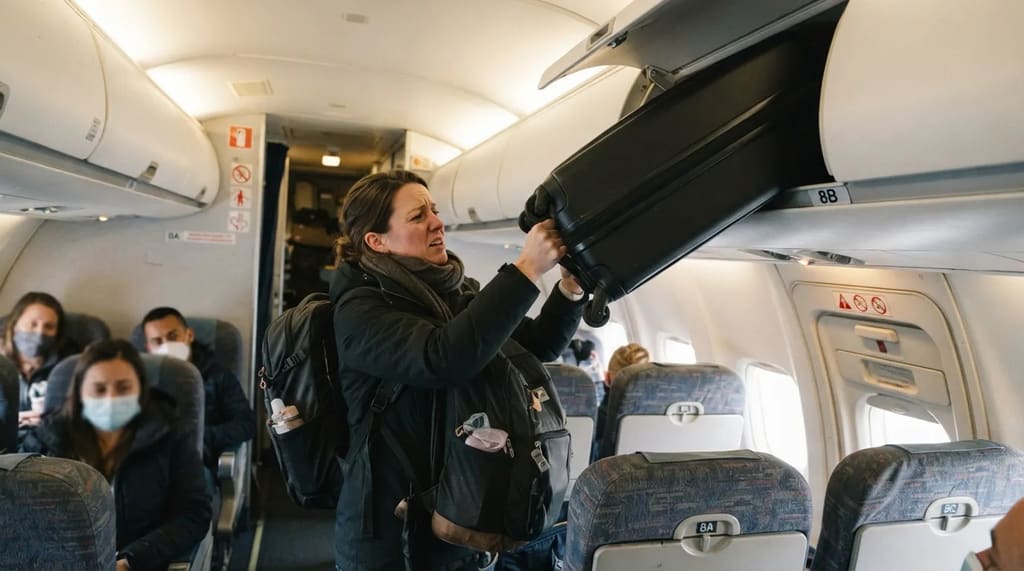
Your second flight may be on a smaller regional jet with tiny overhead bins. A bag that fit on the first plane can end up gate-checked on the second.
Use a soft-sided bag that squeezes, and keep anything you can’t lose in a small personal item.
Keep medicine, documents and valuables out of any bag that might get gate-checked.
If everything goes wrong and you need a hotel, there’s a popular myth to clear up first.
#7 – Assuming the Airline Will Pay for Your Hotel
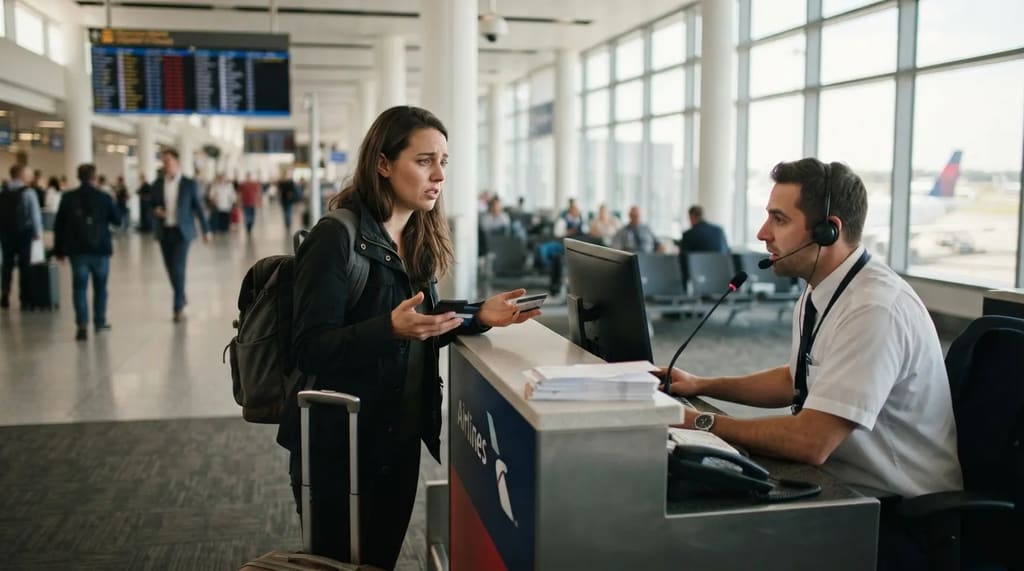
Many travelers believe a delay means a free room. In general, federal rules don’t require U.S. airlines to cover hotels or meals for most delays, so each airline sets its own commitments.
Fast Facts
- The U.S. Department of Transportation’s airline customer service dashboard lists what major carriers have promised.6
- Promises tend to be stronger when the airline caused the problem.
- Weather delays are where the commitments usually run thinnest.
- Ask the agent about a hotel voucher before you pay, and keep every receipt.
Check your airline’s written commitments before you count on a free room.
Even a smooth connection can hinge on something as small as where you’re sitting.
#6 – Choosing a Back-Row Seat on a Tight Connection
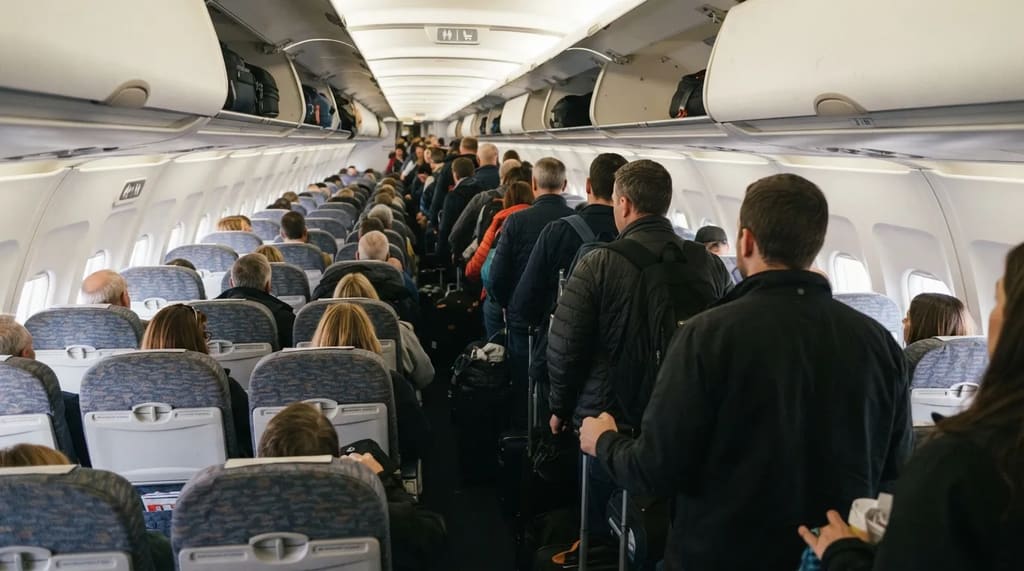
Deplaning is slow, and a seat near the back puts a long line of passengers between you and the door. On a tight connection, that line is your whole margin.
Pick a seat toward the front when time is short, and an aisle seat helps too.
Related Stories From Travelbinger

Choose a front-of-cabin seat when your connection is tight.
Once you’re off the plane, one habit that feels harmless can bring security running.
#5 – Leaving a Bag Unattended “Just for a Minute”
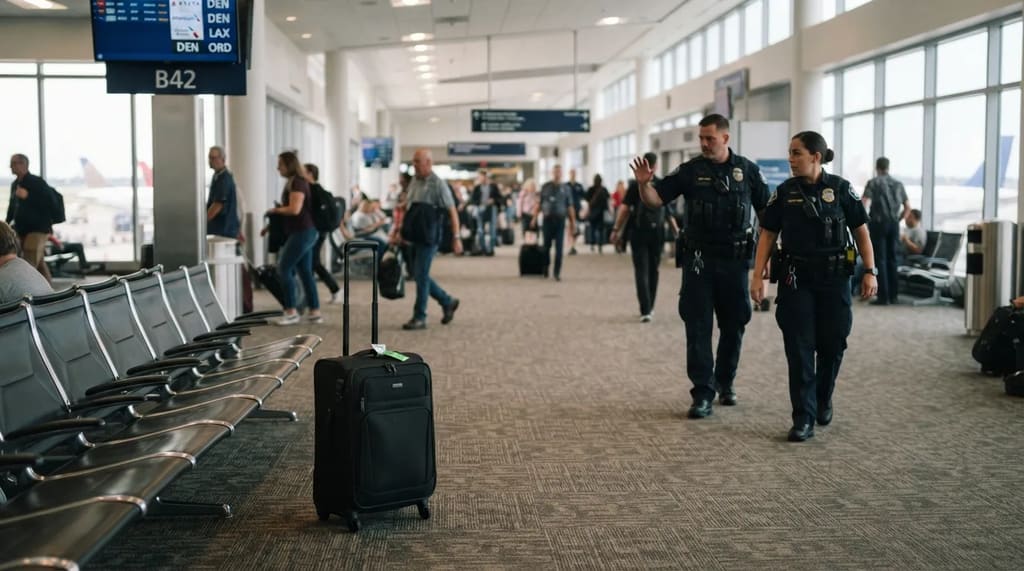
Airport security takes unattended bags seriously. Staff can remove them, and the area around one can be cleared.
Take your bag to the restroom and the coffee line. If you can’t, ask a travel companion to stay with it.
Keep your bags within arm’s reach in the terminal.
The next mistake needs no luggage at all, just a stroll.
#4 – Strolling to the Gate Right as Boarding Closes
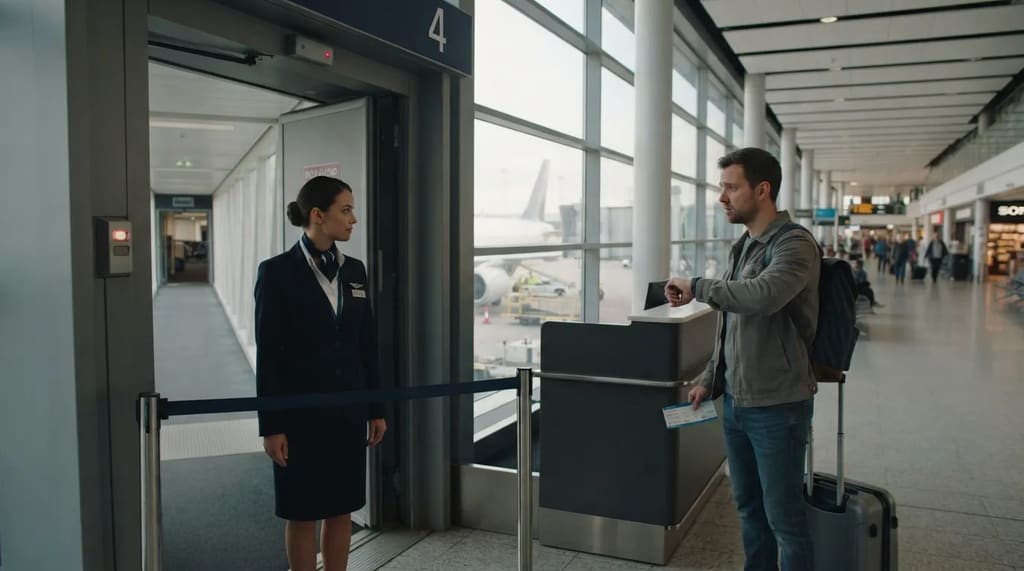
Boarding doesn’t last until takeoff. Airlines close the boarding door before the posted departure time, and the cutoff varies by carrier.
Once it’s closed, the agent can give your seat away.
Be at the gate when boarding starts, not when the clock runs low.
Knowing when the door closes is only half the battle, because you also need to know whether your plane is even coming.
#3 – Not Tracking the Plane That Will Carry You Out
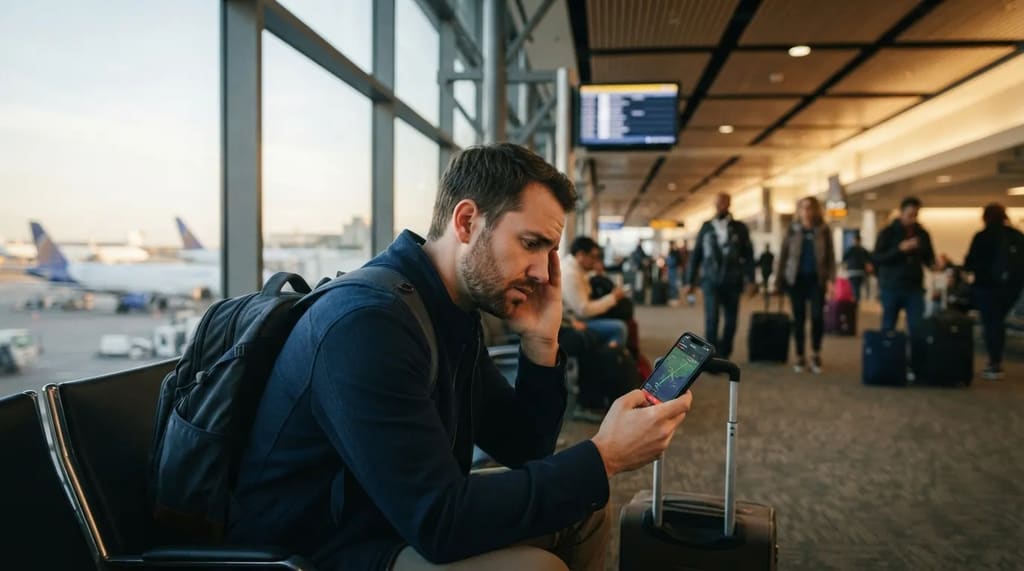
The aircraft for your second flight often arrives from another city first. If it’s running late, your flight probably is too.
Flight-tracking apps and your airline’s app can show the inbound flight. A delay spotted early gives you time to rebook before everyone else does.
Check your next flight’s status before you land.
One more mistake hides in the reservation itself, long before you reach the airport.
#2 – Booking Through a Third Party and Skipping Your Contact Info
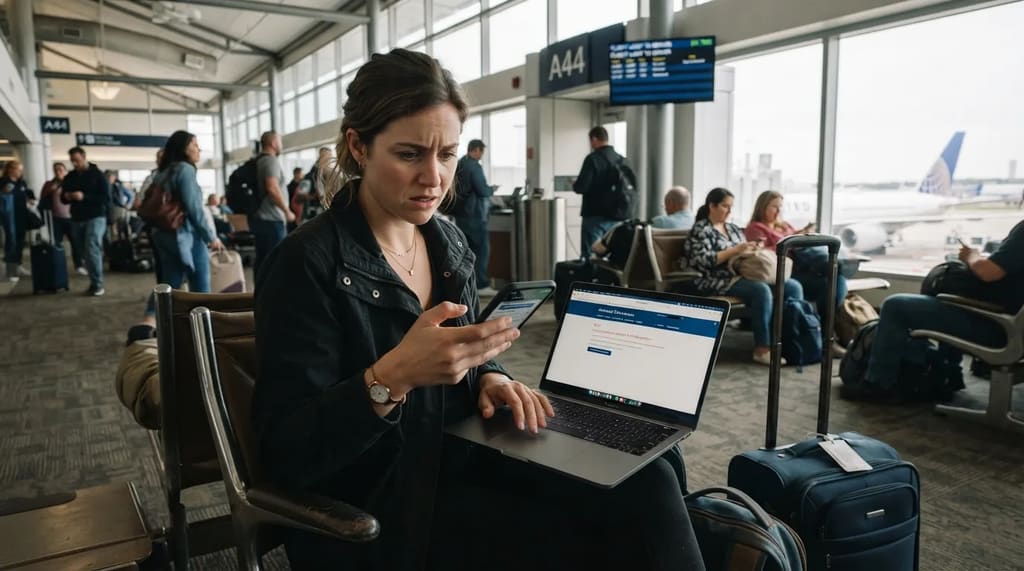
When you book through an online travel agency, the airline may not have your phone number or email. Delay and gate-change alerts may never reach you.
Open the booking on the airline’s own site with your confirmation code. Add your contact details there.
Add your phone and email directly in the airline’s system.
Now for the one promised at the start: the cheap fare that turns expensive.
#1 – Stitching Together Separate Tickets to Save a Few Dollars
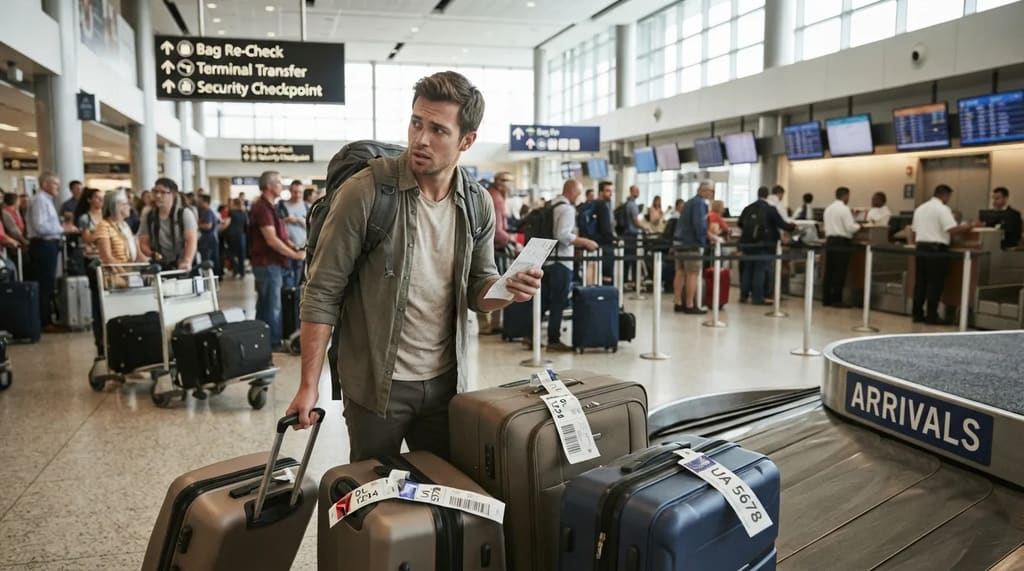
Two cheap tickets can look like a bargain next to one connecting itinerary. But when the tickets are separate, the airlines treat them as separate trips.
Your bags usually aren’t checked through, so you collect them, check in again and clear security again. If your first flight runs late, the second airline generally isn’t required to rebook you.
Quick Compare
- One ticket: bags are usually checked through, and a missed connection from a delay is the airline’s problem to fix.
- Separate tickets: you collect bags, re-check and clear security again, and the rescue is on you.
- The savings: certain on day one, and potentially wiped out by one late arrival.
If you self-transfer, leave a long buffer, or buy one ticket.
That’s the real price of a cheap-looking itinerary: the savings are certain, and the rescue bill is yours.
#26 – The Bonus Tip Nobody Shares: Rebook Before You Land
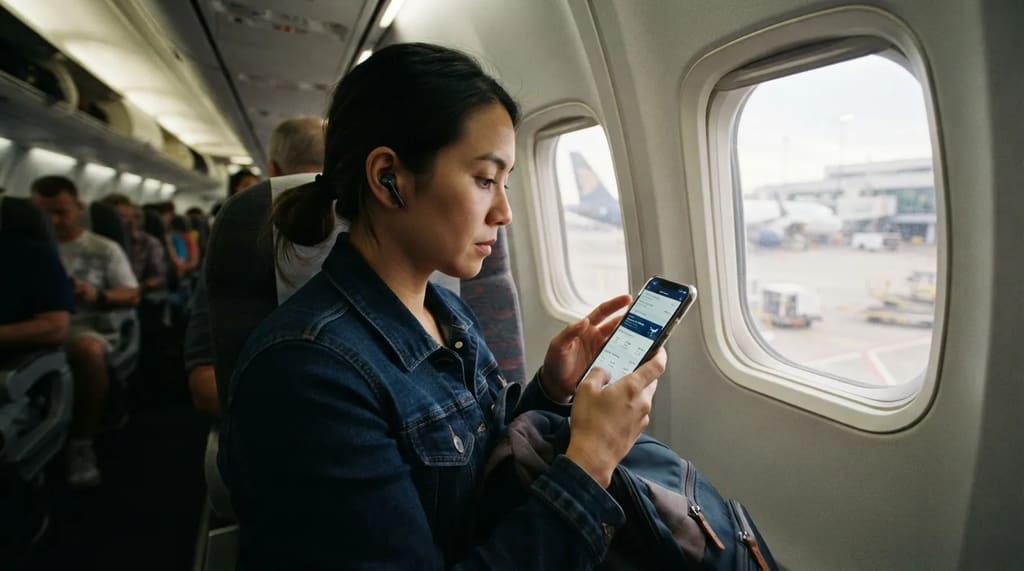
The moment your inbound flight shows a delay, stop waiting and start rebooking. Passengers who wait to land join the same long line as everyone else.
Walk up to the agent with specific flight numbers, not a vague request.
- Open your airline’s app as soon as a delay alert appears, and find every later departure to your destination.
- Screenshot the top two or three options, including flight numbers and departure times.
- Try the app’s rebooking tool first, then call the airline while you taxi to the gate.
- At the desk, ask for a specific flight by number, and ask to be put on standby for an earlier one.
An agent can say yes to a named flight in seconds. An open-ended “what can you do for me?” takes far longer.
If the airline cancels your flight and you choose not to travel, U.S. Department of Transportation rules generally entitle you to a refund. Don’t accept a voucher unless you want one.
- CISA Public Wi-Fi Guidance: https://www.cisa.gov/news-events/news/holiday-traveling-personal-internet-enabled-devices
- TSA Medication Rules: https://www.tsa.gov/travel/frequently-asked-questions/i-am-traveling-medication-are-there-any-requirements-i-should-be
- FAA PackSafe Lithium Batteries: https://www.faa.gov/hazmat/packsafe/lithium-batteries
- TSA Liquids Rule: https://www.tsa.gov/travel/security-screening/liquids-aerosols-gels-rule
- Duty-Free Connection Rules: https://www.awaytravel.com/blogs/the-away-pages/tsa-liquid-rules
- DOT Customer Service Dashboard: https://www.transportation.gov/briefing-room/dot-propose-requirements-airlines-cover-expenses-and-compensate-stranded-passengers