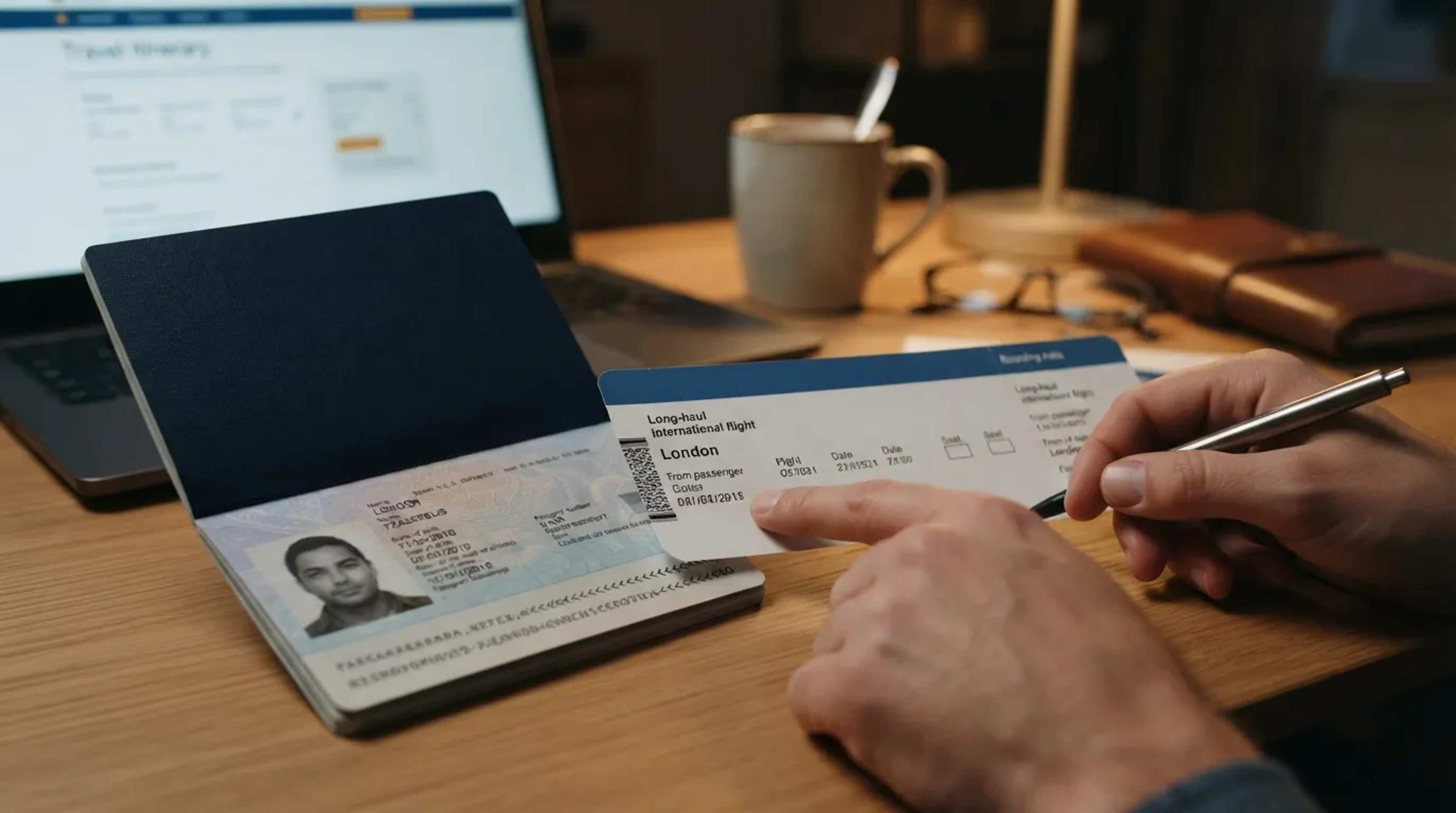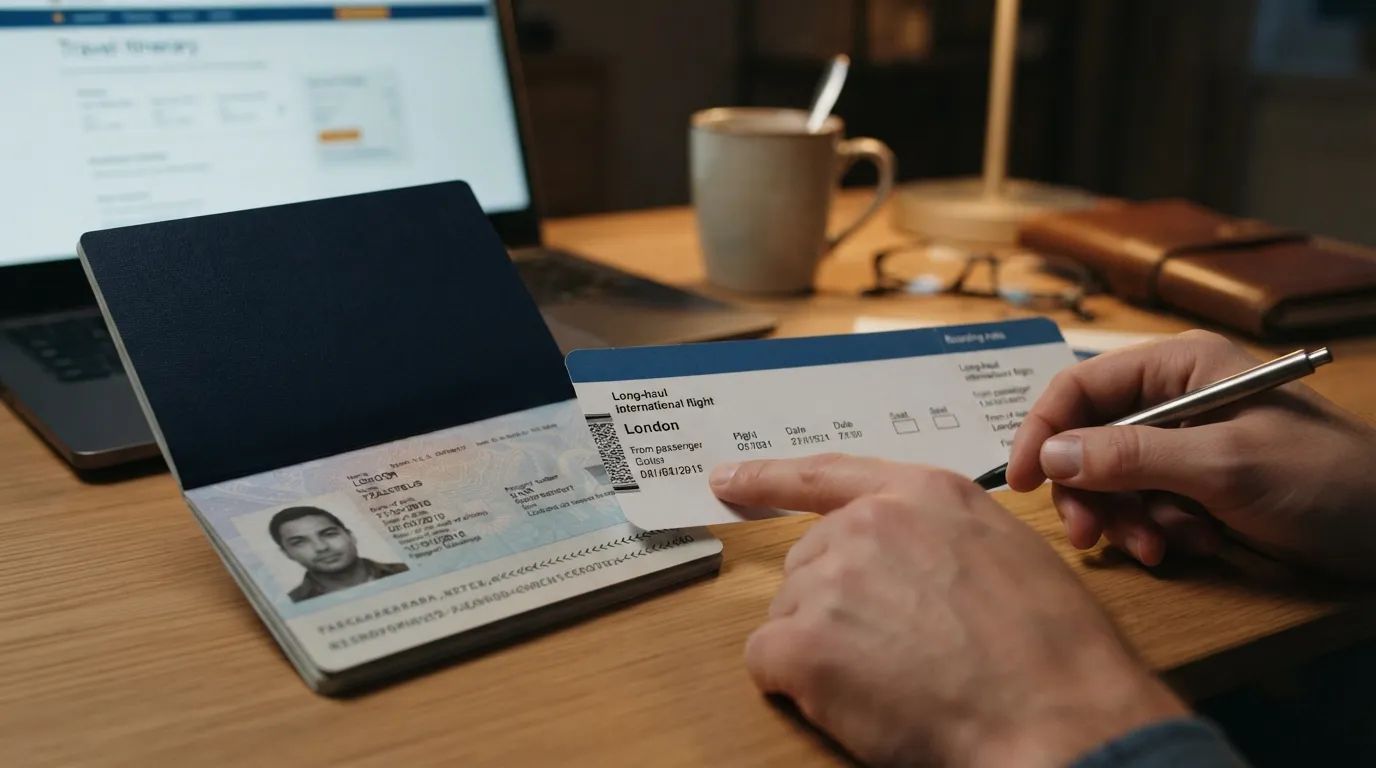
Most people think the stress of a long-haul trip starts at the airport. It doesn’t. It starts around 9 p.m. the night before, when a 5 a.m. departure is still a comfortable idea and a tiny oversight is still easy to fix. By dawn, that same oversight can be a tossed water bottle, a surprise fee or a gate agent shaking their head.
The rules have also shifted since 2024. The shoes-off ritual is gone, Europe is scanning fingerprints, and airlines are policing power banks in ways that catch plenty of people off guard. A few items on this list look boring until you see what they cost. Start at the bottom of the countdown, because even #25 has ended trips before takeoff.
#25 – The Passport Check That Quietly Cancels Trips
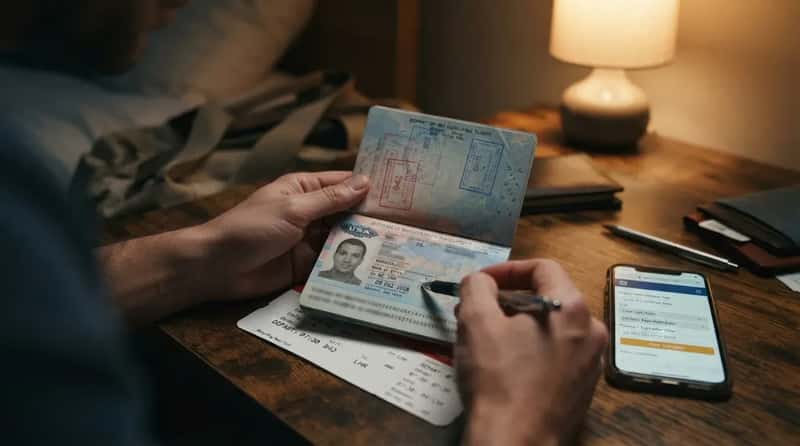
A passport that looks perfectly fine can still keep you off the plane. Many countries want it valid for a set period past your arrival date, and some want blank pages too. The rule belongs to your destination, not to the country that issued your passport. That catches a lot of people at the check-in counter.
Count from your return date, not just your arrival. If you’re connecting, check the transit country too. Seasoned travelers recheck even when they looked weeks ago, because rules shift.
#24 – Europe’s Entry Permit Everyone Keeps Mixing Up
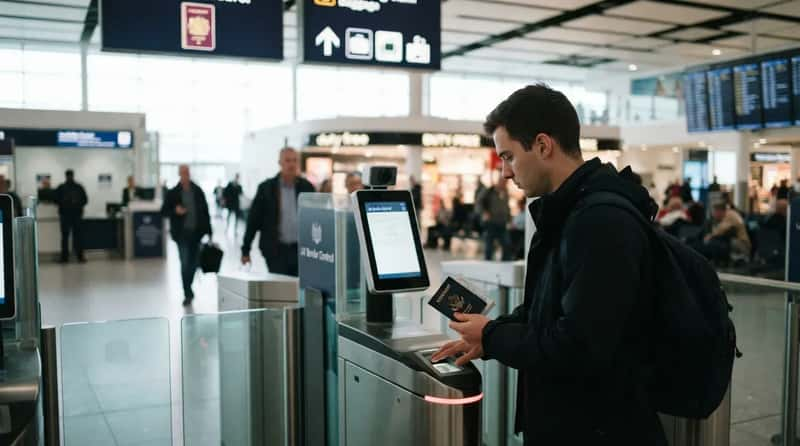
Here’s the twist: the European travel permit Americans keep hearing about has been delayed again and again. ETIAS, the planned €20 pre-travel authorization, has been “coming soon” for years. Some travel sites still sell applications or print firm launch dates, so trust only the official EU travel site.
The UK is a separate story. Its Electronic Travel Authorisation is already required for Americans, and it has been since January 2025. Check which system applies to your route tonight, because approvals aren’t always instant and a gate agent can’t fix a missing one. Mixing these two up is a classic mistake.
Quick Compare
- ETIAS: Planned €20 pre-travel permit for Europe. It isn’t the thing to pay a third-party site for.
- UK ETA: Already required for Americans since January 2025.
- EES: A border fingerprint and photo registration, with no application beforehand.
#23 – The Fingerprint Scan That Replaced the Passport Stamp
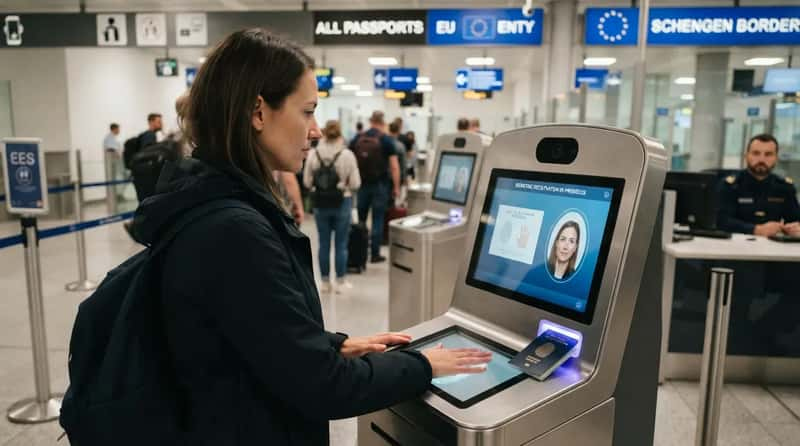
Your next Europe trip may not leave a single stamp in your passport. Instead, the border records your fingerprints and a face photo the first time you enter. That system, called EES, became fully operational in April 2026. For non-EU visitors on short stays, the scan is now part of the Schengen border routine.
You don’t need to do anything in advance. For now, Americans need only a valid passport plus the biometric registration at the border. Because the new process can mean longer queues at busy airports, seasoned flyers pad their connection times.
#22 – The Check-In Window Most People Sleep Through

The best seats often vanish while you’re still asleep. Many airlines open online check-in about a day before departure. Seasoned travelers check in the minute it opens. It’s the cheapest way to dodge a middle seat on a 10-hour flight.
Some international routes still require document checks at the counter, so read your airline’s rules. Save the boarding pass to your phone wallet and screenshot it as a backup. Airport Wi-Fi is the last thing you want to depend on at 4 a.m.
#21 – The Power Bank in the Checked Bag That Gets Bags Pulled
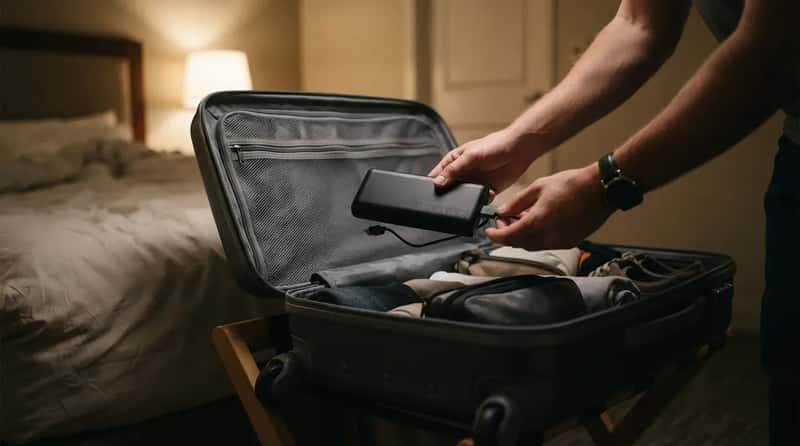
Packing a power bank in your suitcase is the shortcut that goes wrong fastest. The FAA says spare lithium batteries must travel in carry-on baggage only. Each one is limited to 100 watt-hours unless the airline approves a larger one. The logic is blunt: a smoking battery in the cabin can be reached in seconds, while one in the cargo hold can’t.
Most phone banks land well under the cap. Anything between 100 and 160 Wh is limited to two spares, with airline approval. Check the label tonight, not at the security belt.
#20 – Airlines Quietly Rewrote the Rules on Using Power Banks
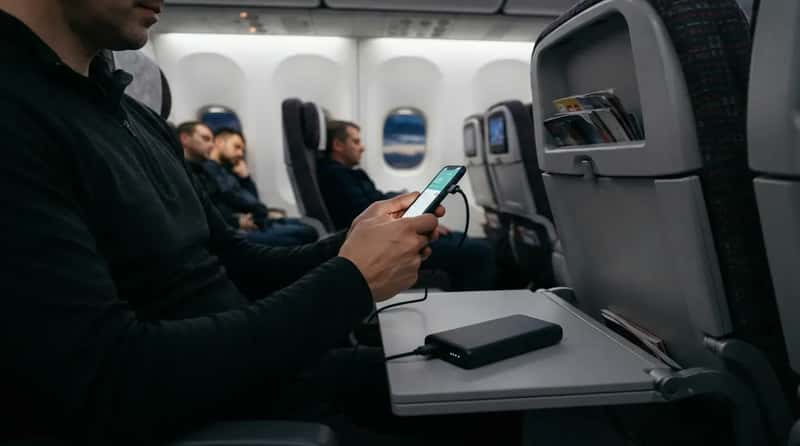
You may be allowed to carry it but not to use it. Southwest’s policy, which took effect in May 2025, says a power bank that’s actively charging must stay visible, not buried in a bag or bin. Other carriers have been tightening their own rules on in-flight use too. Policies now differ from airline to airline.
So charge your phone fully tonight. Don’t count on topping it up mid-flight. Plenty of travelers still treat the bank as an unlimited backup, and that assumption no longer holds.
#19 – The Dead-Battery Disaster You Can Prevent in Ten Minutes
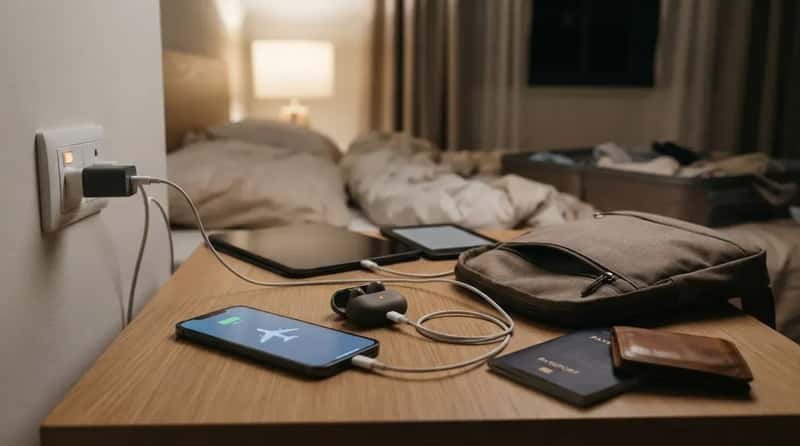
Your phone is your boarding pass, map and translator all at once. Many long-haul meltdowns start with a drained battery and no cable. Charge the phone, earbuds, tablet and e-reader before you sleep. Then put the chargers in your carry-on, not your checked bag.
Download movies, playlists and offline maps for your destination. In-flight Wi-Fi is a bonus, not a plan. Many seasoned flyers also load their hotel confirmation and ride-share app while still on home Wi-Fi.
#18 – The “New Liquid Rule” Headlines That Keep Getting It Wrong
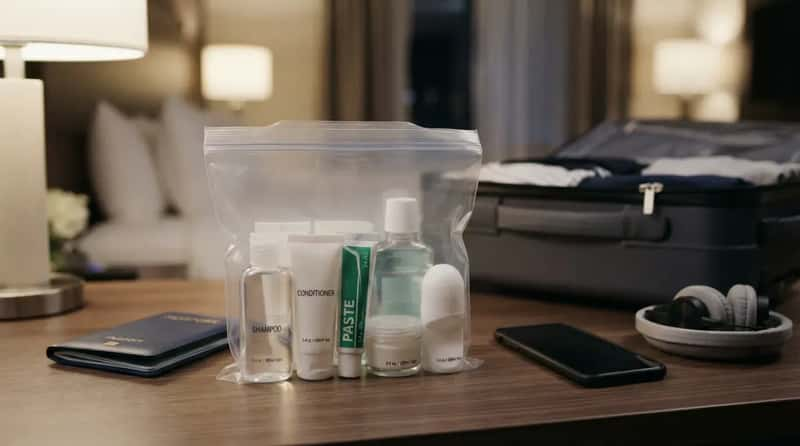
Every year, someone announces the end of the quart bag. Don’t believe it until TSA says so. Carry-on liquids are still limited to 3.4-ounce containers, in one quart-size bag per passenger. Viral posts keep promising a big change, but the 3-1-1 rule has stayed in place.
Pack the bag tonight and test the zipper. In a PreCheck lane, liquids and electronics usually stay in the bag. Treat any site claiming a brand-new limit with suspicion.
#17 – The Shoe Rule That Died After Nearly 20 Years
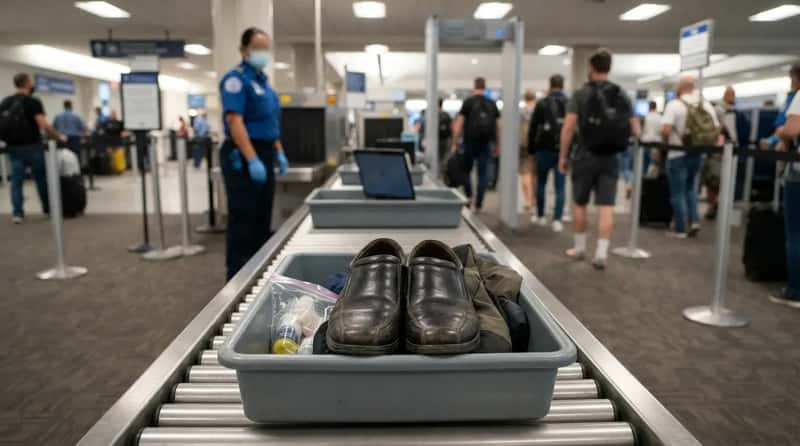
For almost two decades, the shoes-off tray was just part of flying. On 8 July 2025, DHS ended the shoes-off requirement at U.S. checkpoints. It had been in place since 2006. Plenty of people still strip them off out of habit.
Slip-ons are still the safer pick, and airports abroad may run their own rules. Wear comfortable shoes you can take off easily, in case you’re asked. Your feet will swell on a long haul anyway.
#16 – The Medication Mistake That Can’t Be Fixed Mid-Air
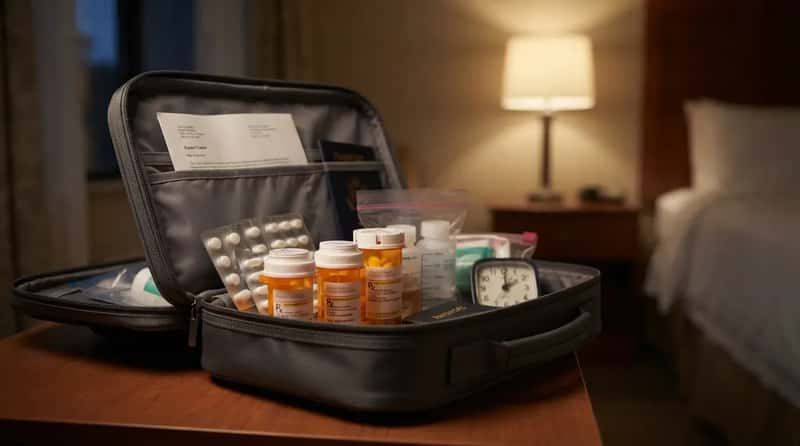
Checked luggage is the worst place for anything you can’t replace. Prescriptions belong in your carry-on, in original labeled containers. A bag that arrives a day late can’t deliver a missed dose. TSA also allows medically necessary liquids in reasonable quantities, as long as you declare them for screening.
Bring a little extra in case of delays. Check your destination’s rules for your specific medication too, because some countries restrict common ones. Carry a doctor’s note or a copy of the prescription if you can.
#15 – The Baggage Scale Verdict That Costs Real Money
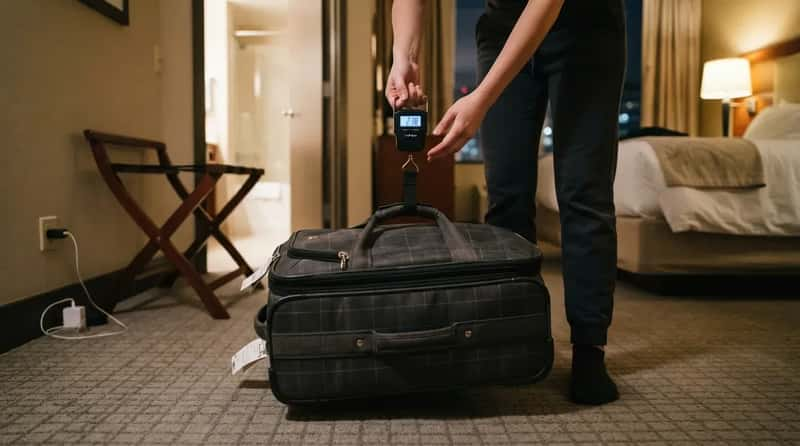
A suitcase can look light and still fail the scale. Airlines set their own weight limits, and long-haul carriers often differ from domestic ones. Overweight fees are set by the airline, not by any government rule. A bathroom scale tonight beats a surprise at the counter.
Check the weight and size limits for your exact fare class. Carry-on rules often differ between the outbound and return legs. Moving heavy items to your personal bag is fine when the airline allows it.
#14 – The Smart Suitcase Battery That Has to Come Out
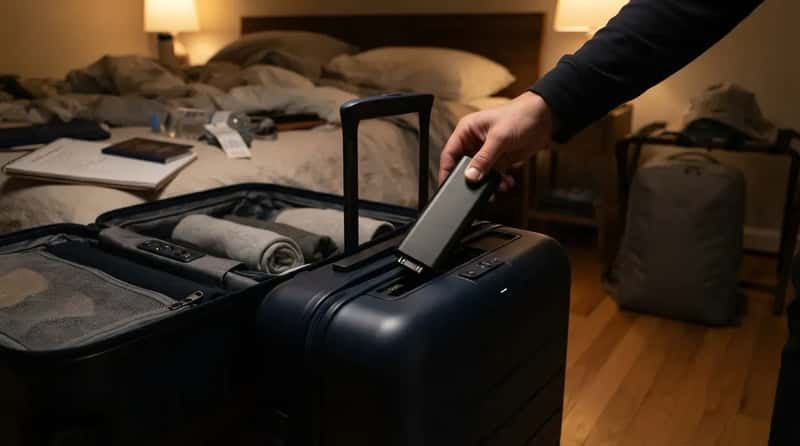
Some bags have a built-in battery. The FAA says bags with lithium batteries must travel in the cabin unless the battery can be removed. Once removed, the battery follows the same rules as any spare. A high-tech bag can turn into a gate problem.
The same goes for gate-checked bags. If you’re asked to gate-check your carry-on, remove all power banks and batteries first. Do the sweep before you leave the house.
#13 – The Card Freeze Nobody Plans For
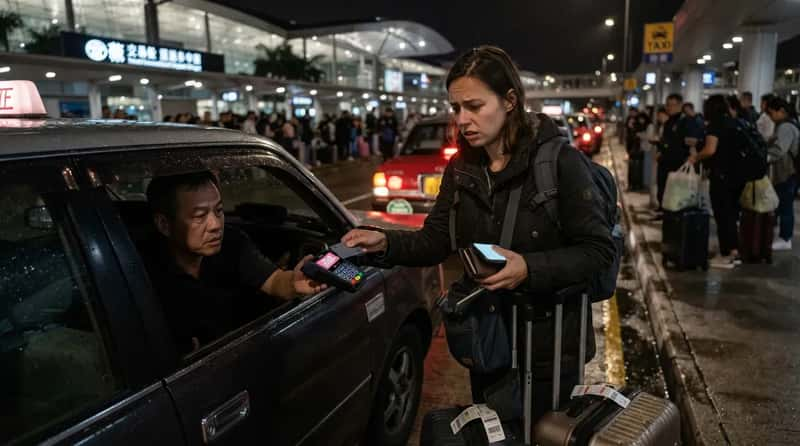
A declined card at a foreign taxi line is a miserable welcome. Many banks flag overseas charges on their own, but not every one does. Check your bank app tonight, and set a travel notice if it offers one. Then carry a second card in a separate spot.
Sort out your phone plan too. Roaming, an eSIM or a local SIM all need a decision before you land. A little local cash helps with the first ride.
At a Glance
- Bank: Open the app and look for a travel notice option.
- Backup: Keep a second card away from your main wallet.
- Phone: Pick roaming, an eSIM or a local SIM before you land.
- Cash: Carry enough for the first ride and a snack.
#12 – The Airport Arrival Time Seasoned Flyers Actually Pick
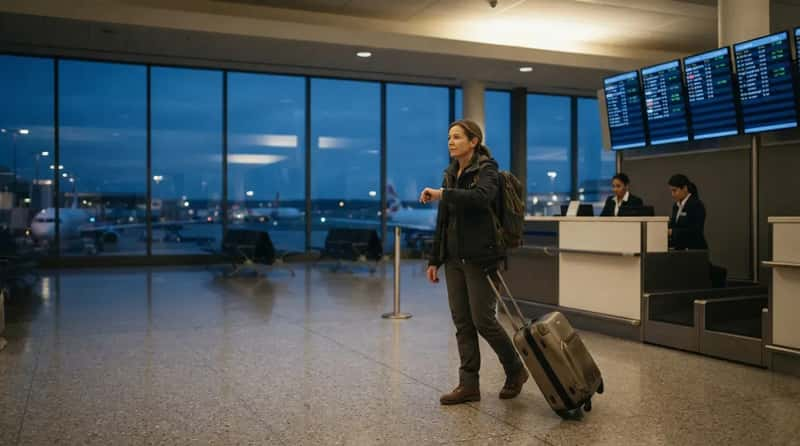
Two hours feels fine until it isn’t. The usual guidance is about 2 hours early for domestic flights and 3 for international. Early-morning departures can mean fewer open counters and thinner staffing. Plan your ride the night before, not at 3 a.m.
Book the ride, or check parking, before bed. Set a backup option too. Seasoned travelers treat the ride to the airport as part of the flight.
#11 – The “Stay Up All Night” Plan That Backfires

Plenty of people swear by skipping sleep so they can doze off on the plane. It sounds clever at midnight. By hour three of a 12-hour flight, it often feels like a trap. Starting a long-haul trip exhausted tends to make the whole journey harder.
Pack early, then actually go to bed. Set two alarms, one on your phone and one backup. Lay out your clothes and documents by the door. The less you decide at 3 a.m., the fewer mistakes you make.
#10 – The Seat and Meal Settings You Can’t Change Later

Seat assignments and special meals have deadlines. Special meal requests often need to be made a day or more ahead, depending on the airline. A quick look at the app can reveal a seat swap you never agreed to. Check it tonight, not at the gate.
Confirm the flight is still on time and the gate hasn’t shifted. The app often knows before the airport signs do.
#9 – The Outfit Mistake Your Legs Will Feel at Hour Eight

Tight clothes and long flights are a bad pairing. Public health agencies like the CDC advise moving your legs and wearing loose, comfortable clothing on long trips. Sitting for hours is a known risk factor for blood clots. Layers handle the cold cabin and the hot terminal.
Pick the outfit tonight. Wear your bulkiest layers and shoes on the plane to save bag space. Add a light scarf or sweater you can use as a blanket.
#8 – The Empty Water Bottle Trick Seasoned Flyers Use

You can’t carry a full bottle of water through security, but you can carry the bottle. Pack it empty and fill it after screening. Cabin air is notoriously dry, and a drink cart can’t keep up on a long haul. Sipping steadily works better than chugging.
Skip heavy alcohol before the flight, since it dehydrates you further. Put the empty bottle by your bag now so you don’t forget it. Little habits like this separate the veterans from everyone else.
#7 – The Carry-On Kit for the Day Your Bag Doesn’t Arrive
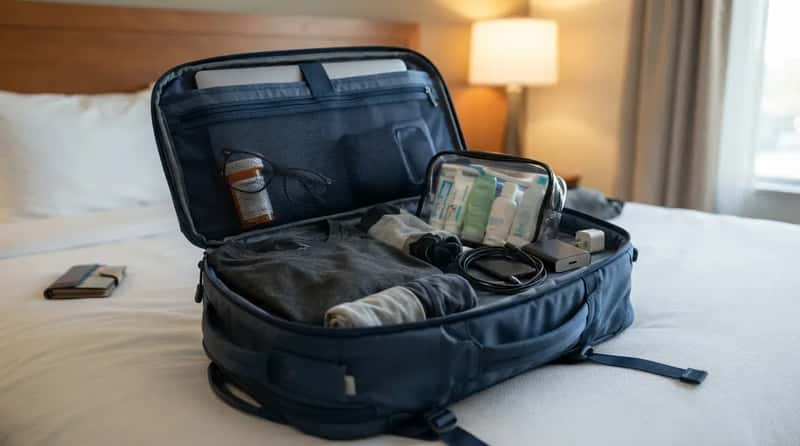
Lost luggage is rare, but long-haul connections raise the odds. Seasoned travelers pack as if the checked bag will arrive a day late. That means one change of clothes, basic toiletries and your chargers in the carry-on. Add any medication and a spare pair of glasses or contacts.
It costs you almost nothing and saves a miserable first day. Toothpaste and shampoo must still follow the liquid rule. Keep anything you can’t replace within reach.
Fast Facts
- One full change of clothes, including underwear and socks.
- Toiletries in containers of 3.4 ounces or less.
- Phone charger, cable and any adapter you need.
- Medication, plus spare glasses or contacts.
- Anything you’d hate to replace, like a laptop or keepsake.
#6 – The Photo and Tracker That Turn a Lost Bag Into a Found One
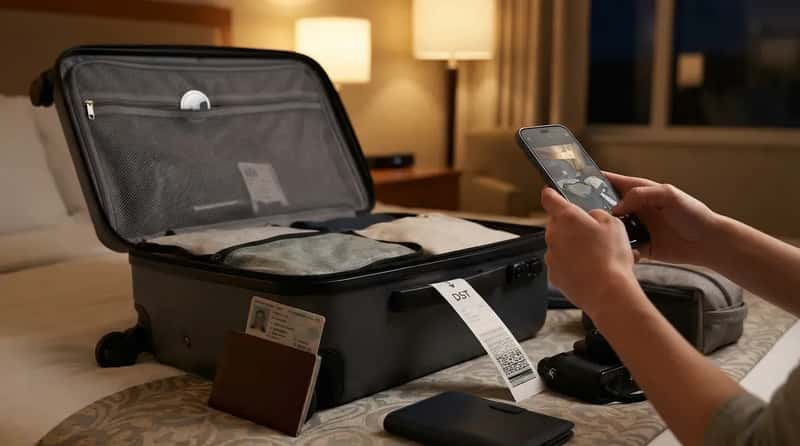
Airlines can find a bag faster when you can describe it exactly. Take a photo of your suitcase tonight. Photograph the baggage tag the second you get it, too. Many travelers also tuck a small tracker inside, though you should check your airline’s policy first.
Take a quick photo of anything valuable you’re packing as well. It makes a claim simpler. Most people skip this step, and they regret it when the bag doesn’t show.
#5 – The Jet Lag Head Start That Begins Before You Leave

Jet lag doesn’t begin when you land. Many experts suggest switching your watch to destination time as soon as you board. Light exposure is one of the strongest cues your body clock responds to. Plan when you’ll seek daylight and when you’ll avoid it.
Decide tonight when you’ll try to sleep on the plane. Pack an eye mask and earplugs. It’s a small plan that beats improvising at hour ten.
#4 – The Layover Rule That Catches Duty-Free Shoppers Out
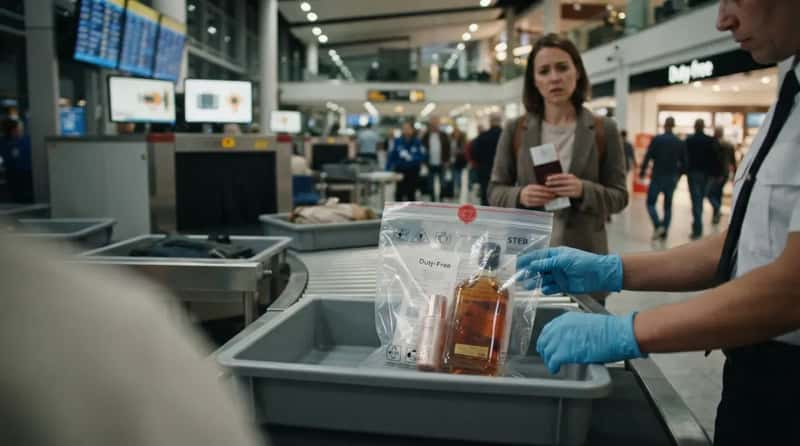
That bottle from the duty-free shop can vanish at your connection. Larger liquids can sometimes pass if sealed in a tamper-evident bag with the receipt, bought shortly before your flight. Even so, security at a foreign hub may follow its own rules. Plan for that before you buy.
Check the layover airport’s liquid policy tonight. Keep receipts and sealed bags intact. For the trip home, most U.S. checkpoints still require 3-1-1 compliance.
#3 – The Document Backup That Saves a Stolen-Passport Trip

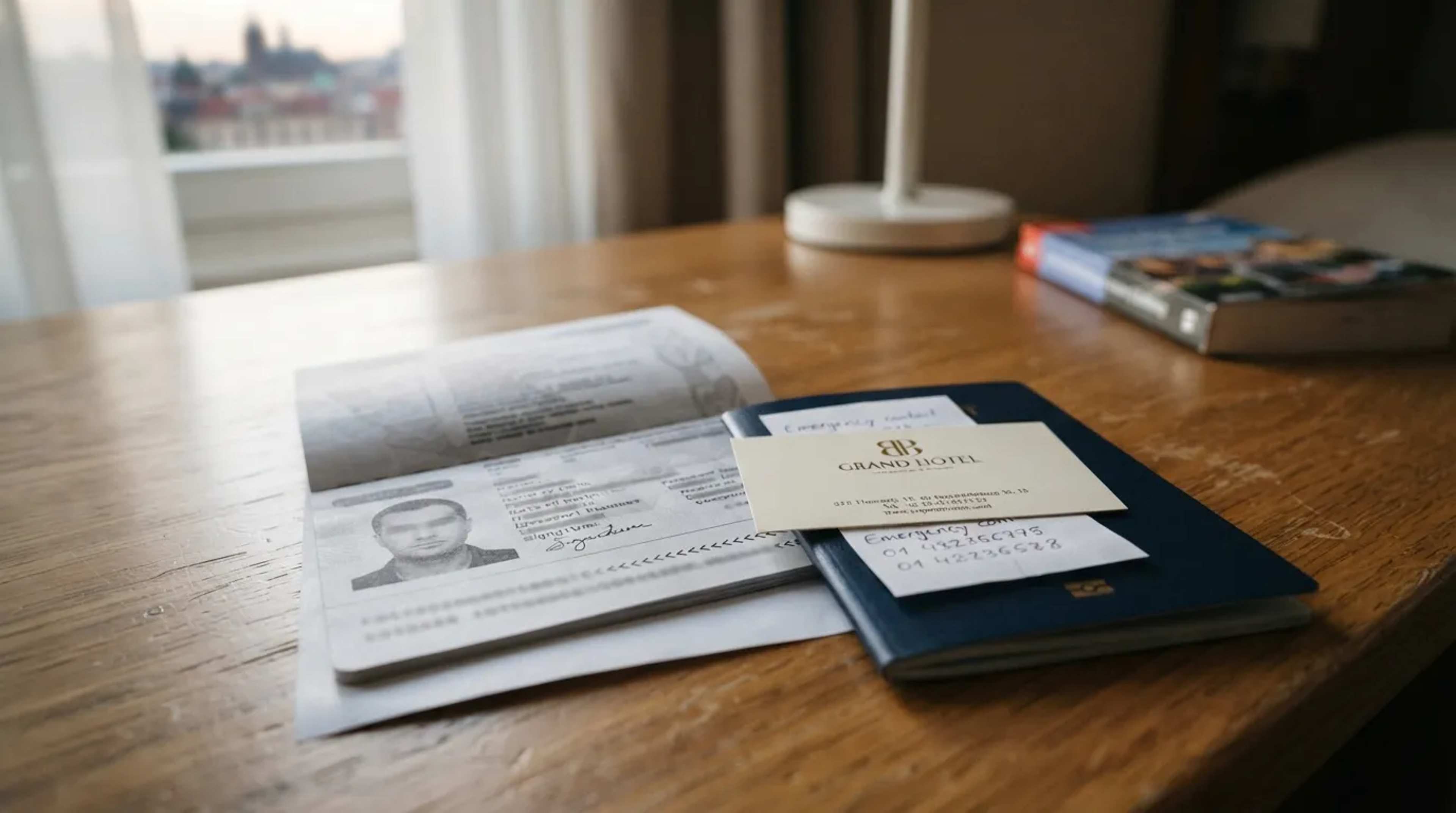
If your passport vanishes abroad, the first hour decides everything. Email yourself photos of your passport, visas and insurance card. A copy won’t replace the original, but it speeds up a replacement. Save them offline on your phone too.
Share your itinerary with someone back home. Include flight numbers, hotel names and one emergency contact. It takes five minutes, and it matters most when everything else has gone sideways.
#2 – The Single-Ticket Rule That Protects a Missed Connection

Two separate tickets can look cheaper and feel risky. When one flight runs late, a single booking is usually the one an airline will rebook for you. Separate tickets generally leave you on your own. Check how your itinerary was booked tonight.
Look at your layover time and ask whether you must collect and recheck bags. Know the airline’s help line before you need it. Save the number in your phone.
Worth Knowing
- One booking: The airline is usually the one to rebook you after a delay.
- Two bookings: You’re generally on your own if the first flight runs late.
- Bags: Find out whether you must collect and recheck them at the connection.
- Backup: Save the airline’s help line before you go to bed.
#1 – The Name Mismatch That Can End a Trip at the Counter
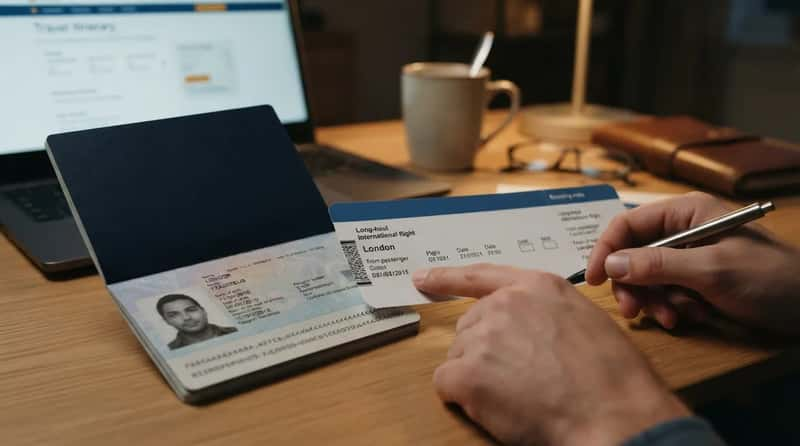
The smallest typo can be the biggest problem. Your ticket name should match your passport exactly. A mismatch can mean a fee, a delay or a denied boarding. The U.S. Secure Flight program also checks your name, birth date and gender against your booking.
Compare the booking to your passport line by line tonight. If something is off, contact the airline now. Minor corrections are often possible, but timing matters. The airline’s help line is far easier to reach at 9 p.m. than at 4:30 a.m.
The best long-haul departures are won the night before. The biggest surprises weren’t dramatic. They were small: a name typo, a power bank in the wrong bag, a permit that isn’t live yet, a bottle that doesn’t survive the layover. Several of these rules changed in 2025 and 2026, which is why old habits now cost people.
Do the checks tonight, and the 4 a.m. alarm becomes the easy part.