Most travelers walk up to the front desk already convinced the answer is no, so they never bother asking. That single assumption quietly costs people free upgrades, quieter rooms, and better views every single day, and almost nobody realizes what they left on the table.
Here’s the part nobody tells you: it’s rarely about what you’re asking for. It’s about how and when you ask. Guests who speak up early, stay specific, and stay polite get a yes far more often than the ones who just hope for the best – and the 27 requests below are the ones hotel insiders say actually work.
#27 – Asking “Any Higher Floor Available?” Instead of Paying for “The View”
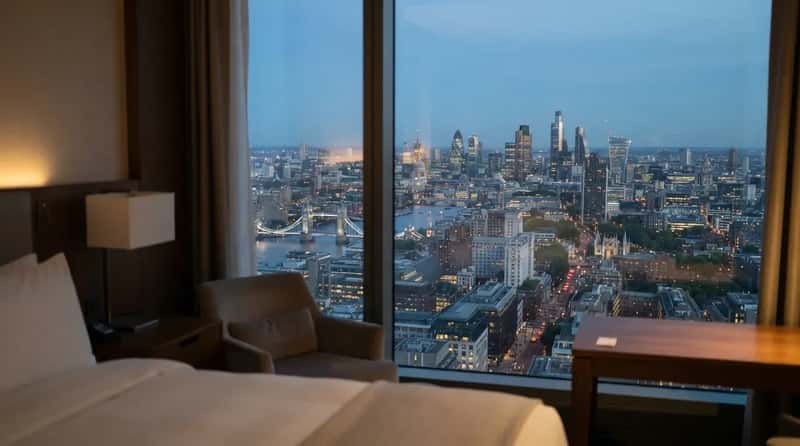
This is the easiest yes a front desk agent will ever give, and almost nobody asks it directly. Moving you up a floor or into a corner room costs the hotel nothing beyond a little extra attention during assignment. Most guests just assume any view upgrade means a fee, so they never even try.
Staff can often move you up several floors at zero cost, simply because rooms need to be assigned to someone anyway. The trick tends to fail at beach resorts and view-heavy properties where the top floors are already sold as a premium product. Everywhere else, it costs nothing to ask.
#26 – Corner Rooms: The Free Space Upgrade Hiding in Plain Sight
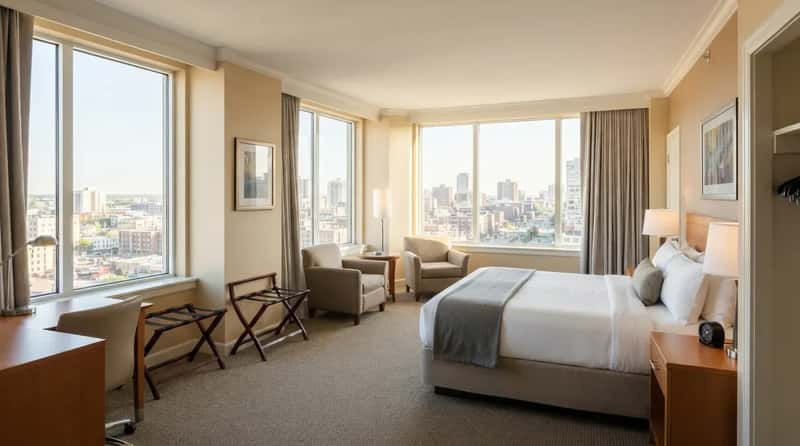
Corner rooms are one of the most overlooked freebies in the entire hotel industry. Because of how hallways are built, these rooms often end up with extra windows, more natural light, and noticeably more square footage than the standard room next door. It isn’t technically an upgrade on paper, which is exactly why it’s so easy to get approved.
It’s one of the oldest tricks in the book among people who travel constantly. Most guests never specifically request a corner room; they just accept whatever the system assigns them by default. A single sentence at check-in is often all it takes to end up with the bigger room instead.
Why It Stands Out
- Extra windows bring in more natural light than a standard room
- Often noticeably larger due to hallway layout quirks
- No upgrade fee attached, even though it feels like one
- Rarely requested by name, which makes it easy to land
#25 – “Away From the Elevator” – The Phrase That Stops Noise Complaints Before They Start
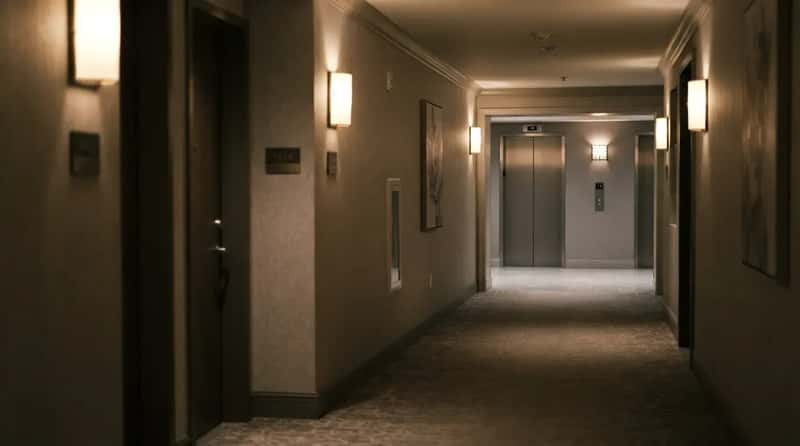
Noise complaints are one of the most common reasons front desks get a call after 10 p.m., and almost all of it is preventable. Staff are trained to ask about floor preference and noise tolerance before the key ever leaves their hand, but most guests never say anything until it’s already too late.
The exact wording matters more than people think. Saying “high floor,” “away from the elevator,” and “quiet room” signals to staff that you’re informed and serious about it. Hotels report that accurate upfront room assignment meaningfully cuts mid-stay change requests – a detail most guests only learn after they’ve already had a bad night’s sleep.
#24 – The Quiet-Room Request That Prevents the 2 A.M. Wake-Up Call
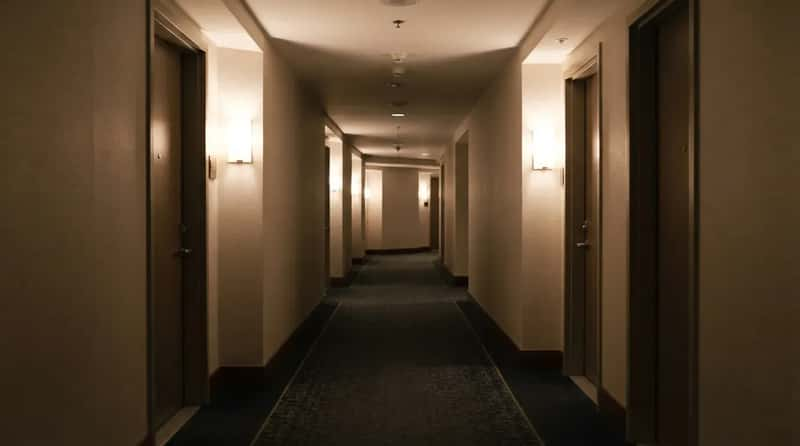
If you’re a light sleeper, jet-lagged, or just hoping for real rest, this request costs nothing and changes everything. Front desk staff already know which floors and hallways run loud all night – they just rarely volunteer that information unprompted.
Rooms near ice machines, stairwells, and elevator banks are the usual culprits, and every property has a mental map of them. Asking specifically to avoid those zones takes seconds and typically comes with zero pushback. Most guests never think to say it out loud until after a sleepless first night, which is exactly the gap this request is meant to close.
#23 – “Any Complimentary Upgrades Available Tonight?” Actually Works
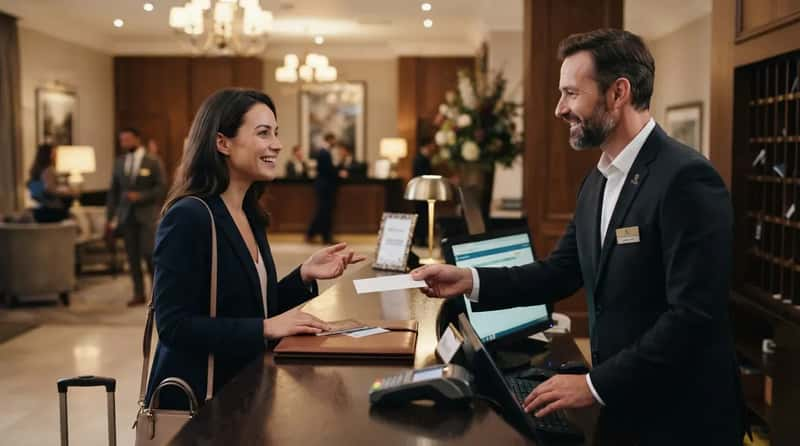
This is the tip hotel employees mention most often, and it surprises people every time. Simply asking, “Are there any complimentary upgrades available tonight?” works far more often than guests expect. If better rooms are sitting empty, staff would honestly rather fill them than leave them dark.
Framing is everything here. The key is asking it as a casual question, not a demand, since a friendly ask gives the agent permission to say yes without feeling pressured into it. A question, not a demand, is what actually unlocks the free upgrade.
#22 – Late Checkout Without Elite Status Isn’t as Rare as You Think
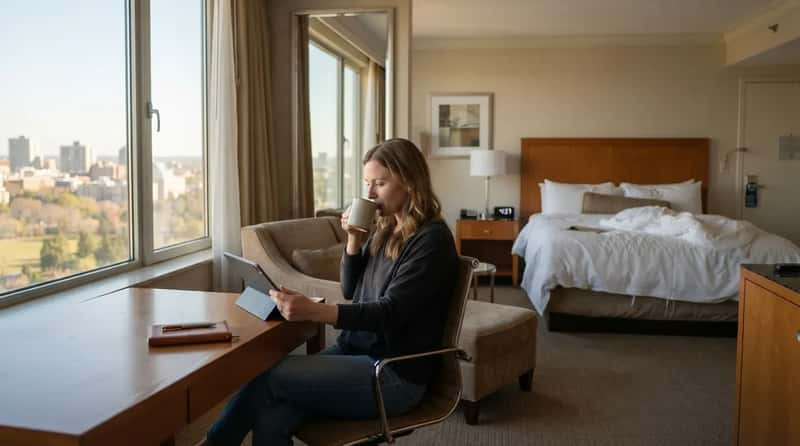
Most guests assume late checkout is locked behind loyalty tiers, but that isn’t entirely true. The real deciding factor is occupancy that day, not the color of your membership card.
If the next guest isn’t arriving until evening, staff have very little reason to say no. This is a slightly controversial take among frequent travelers: elite status matters far less for late checkout than most people assume – it’s simply asked for at the wrong moment, usually while rushing out the door instead of the night before.
#21 – Early Check-In Depends on When You Told Them You’re Arriving
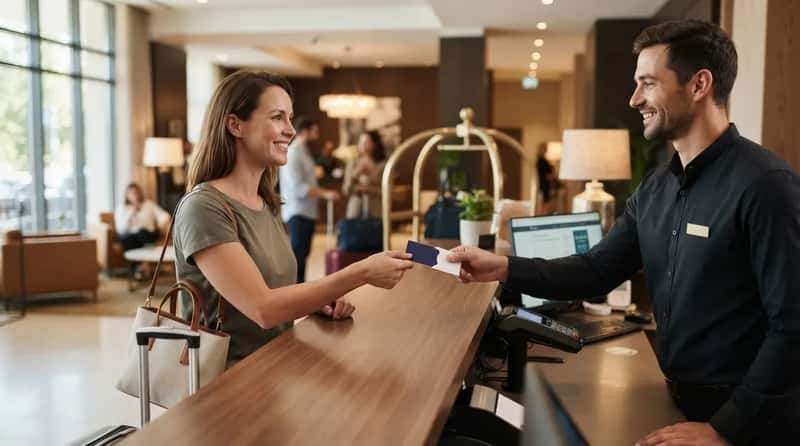
Guests demanding an early key the second they walk in is reportedly one of the biggest pet peeves at the front desk. But that doesn’t mean early check-in is off the table entirely – it just depends on the notice you give.
Staff can’t wake up housekeeping just because someone wants an early key.
Hotel Manager
A little notice changes the outcome completely. If the room happens to be ready, staff will often grant early access simply because they want to provide good service. A quick heads-up text or call the night before is the real trick, not a demand made at 8 a.m. on the sidewalk outside.
#20 – The Special-Occasion Mention That Quietly Unlocks Extra Perks

Birthdays, anniversaries, and graduations aren’t just sentimental – they’re a business opportunity, and hotel staff know it well. A honeymoon, work achievement, or graduation gives the front desk a concrete, emotionally resonant reason to upgrade you. Most guests never mention it at all, assuming it won’t matter to anyone at the counter.
Timing multiplies the odds significantly. Mentioning it when you book, again in your pre-arrival email, and once more at check-in all help reinforce it. The occasion becomes the story the hotel wants attached to your stay – which is exactly why it so often results in a free upgrade or a small complimentary gesture.
#19 – Loyalty Profile Notes Managers Actually Read Before You Arrive

Filling out your preference profile takes five minutes, and most members skip it entirely. Floor, room location, pillow type, dietary or accessibility needs – all of it lands directly in the reservation file that staff check before assigning rooms.
It’s less about the points and more about the paper trail. A fully completed profile signals an engaged, returning guest, and engaged guests get upgraded more often. Most travelers never touch this setting, leaving a free advantage sitting untouched in an app they already downloaded.
#18 – Requesting a Specific Bed Type Beats Hoping the System Gets It Right
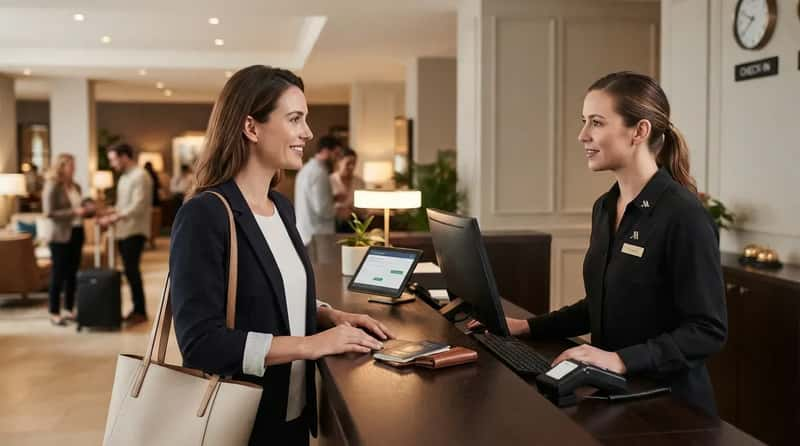
Bed-type mix-ups are one of the most common – and most avoidable – complaints hotels field. Two queens instead of a king, or a king instead of two doubles, can wreck a family trip or a couples getaway fast. Confirming bed type directly at check-in, not just at booking, closes the gap online booking engines routinely leave open.
Staff have more flexibility on this than the app suggests, especially before rooms are fully assigned for the night. A polite confirmation at the counter often fixes what a website already got wrong. It costs nothing, takes ten seconds, and prevents an awkward 11 p.m. room-change request later.
#17 – Extra Pillows and Blankets Are a No-Cost Yes

Housekeeping closets are stocked with far more linens than most guests assume. Asking for extras is one of the most routine requests a hotel handles, and it rarely even requires manager approval.
Guests who need a firmer pillow, an extra blanket for a cold room, or a second set of towels midway through a stay almost always get a yes. This is one of the most underused free requests in hospitality – most travelers simply tough it out instead of picking up the phone.
#16 – The Mini-Fridge Request for Medication Almost Always Gets Approved
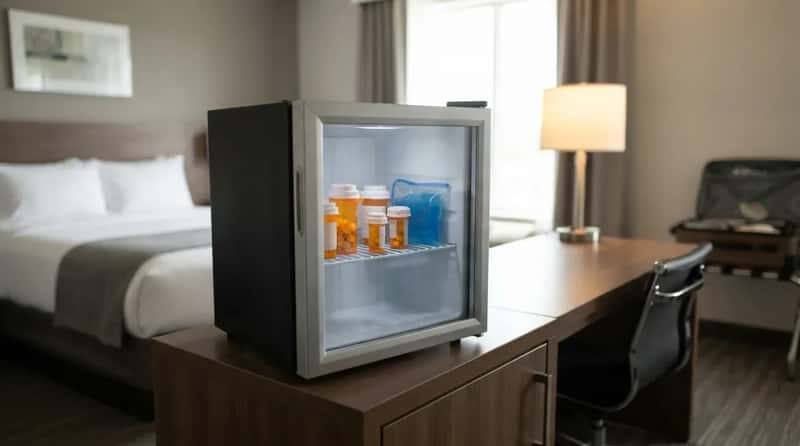
Rooms without a fridge as standard can usually get one added, especially when medication storage is the stated reason. Staff are trained to prioritize health-related requests over convenience ones, and most properties keep portable units in storage for exactly this situation.
This request rarely gets denied outright, even at budget properties. Mentioning medication specifically tends to speed up approval far faster than a generic ask ever would. It’s a small courtesy that costs the hotel almost nothing and matters enormously to the guest who needs it.
#15 – Asking to Confirm Your Reservation Details at the Counter
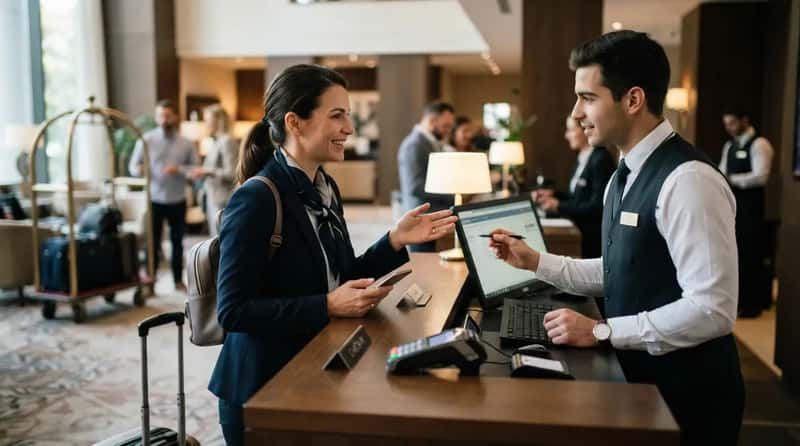
Booking errors happen more often than travelers assume, especially through third-party sites. Wrong dates, wrong room type, or a request typed in weeks ago that never carried over are all common, and this matters most for anyone who booked through an app instead of directly.
Staff would much rather fix a mix-up in thirty seconds at the counter than deal with a furious guest discovering it at 11 p.m. Confirming details out loud takes almost no time and can save an entire evening. It’s a habit that costs nothing and prevents nearly every late-night surprise.
#14 – Adjoining or Connecting Rooms for Families Traveling Together
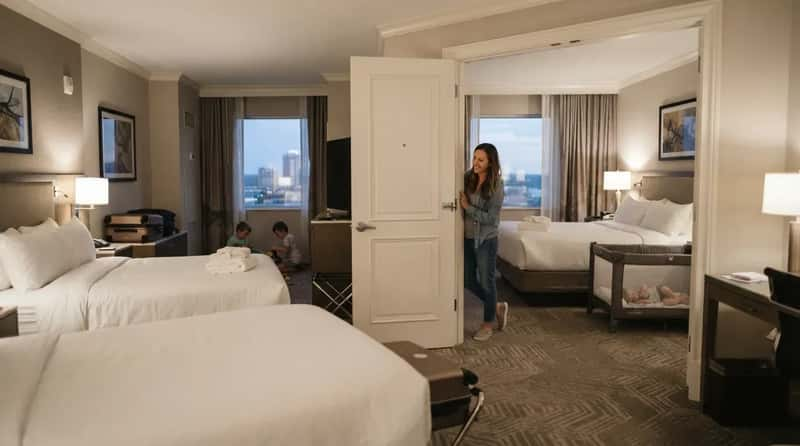
Families booking multiple rooms rarely realize connecting rooms are often held back until specifically requested. Front desks typically have a small block set aside, assigned first-come, first-served to guests who ask directly.
This request works dramatically better in advance than at check-in. Calling ahead, rather than asking at the counter, roughly doubles the odds of getting connecting doors. Most families never call ahead at all, which is exactly why the block fills up with the guests who did.
Worth Knowing
- Adjoining rooms share a wall; connecting rooms share a locking door between them
- Requesting at the time of booking beats asking cold at the front desk
- A phone call to the property tends to work better than an online chat message
- Blocks fill up fast during holidays and school breaks, so ask early
#13 – The Forgotten Charger From Lost and Found Nobody Asks For
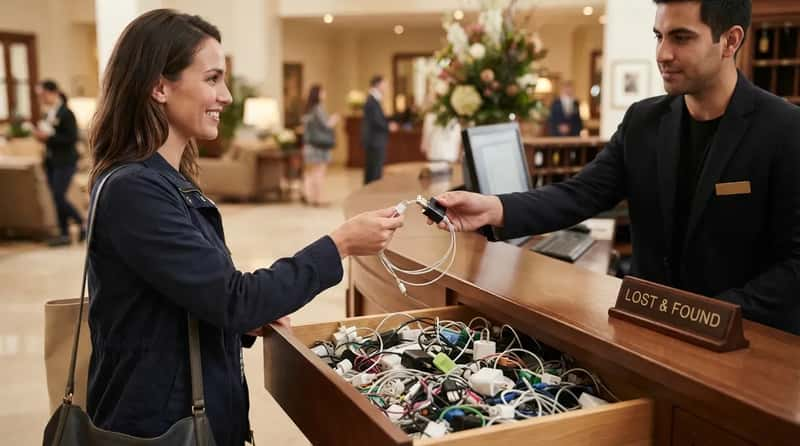
Hotels quietly collect an enormous stockpile of items every year that almost nobody ever comes back for. Phone chargers, adapters, earbuds, and cables pile up in a drawer at the front desk, mostly forgotten by everyone except housekeeping.
Asking about it takes one sentence and usually gets a same-day yes. Many properties will lend a charger out or even let you keep one permanently rather than store it indefinitely. This single tip surprises more guests than almost anything else on this list, mostly because nobody thinks a hotel would just give away found electronics.
#12 – Requesting a Room Away From the Ice Machine or Vending Alcove
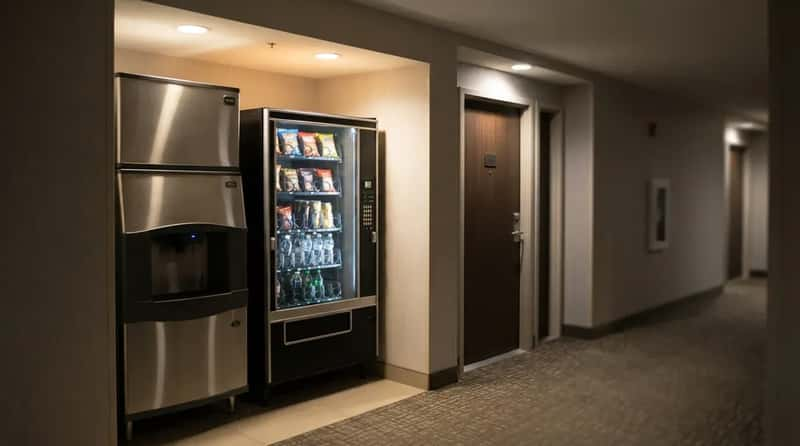
Ice machines run at odd hours, and the alcoves that house them tend to attract foot traffic all night long. This is one of the most specific, most granted noise-related requests a front desk handles, precisely because staff already know which rooms border these zones.
The trick is naming the exact concern instead of a vague “quiet room” request. Being specific about the ice machine or vending nook gets a faster, more accurate placement than a general ask ever will. Staff appreciate the clarity, and it usually means a better room the first time, not after a midnight change.
#11 – A Room Facing Away From the Pool, Bar, or Event Space
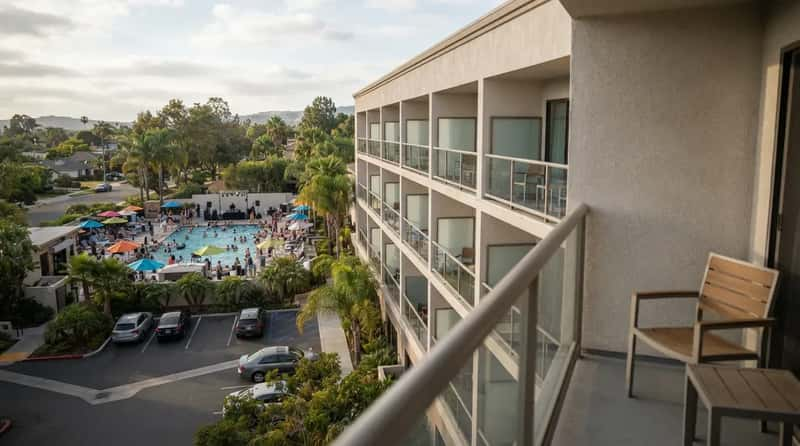
Poolside DJs, wedding receptions, and rooftop bars are unforgettable for the people attending them – and miserable for the guests trying to sleep two floors above. Front desks know exactly which rooms catch the bass line and which ones don’t.
This request works best made at check-in rather than at booking, since event schedules shift daily and staff need same-day information to place you correctly. A room facing the parking lot is sometimes the better deal, even though it sounds worse on paper. Ask directly, and most properties will steer you away from the noise for free.
#10 – The Ground-Floor Request for Guests Who Struggle With Stairs or Elevators
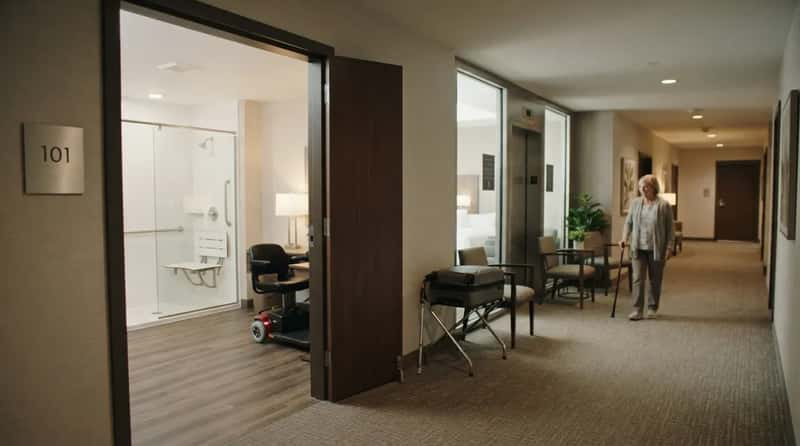
Mobility needs are treated differently than preference requests, and most hotels prioritize them without hesitation. A ground-floor room, a room near the elevator bank, or a walk-in shower instead of a tub is typically arranged the moment it’s mentioned, with no documentation required at most properties.
Staff would rather solve this quietly during check-in than have a guest struggle silently through the entire stay. This is one of the few requests hotels almost never say no to, because the alternative – an injury or a bad fall – is a liability nobody wants. A simple mention at booking or check-in is usually all it takes.
#9 – Extra Towels and Toiletries Without a Housekeeping Fee
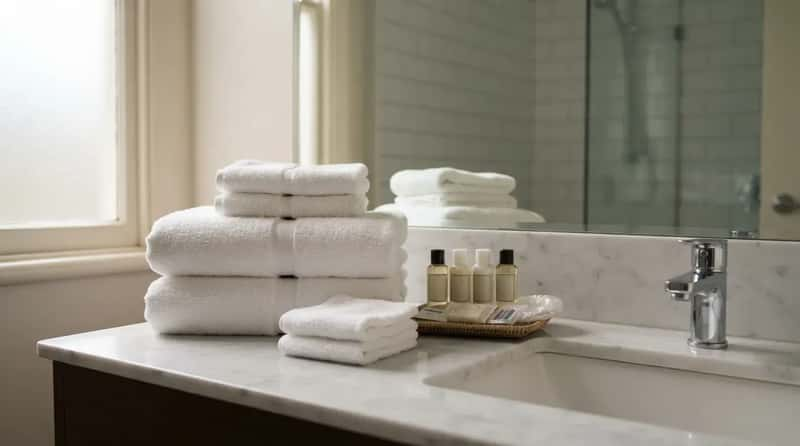
Running out of shampoo or towels midway through a multi-night stay is common, and restocking is one of the most routine, cost-free requests a hotel handles. There’s no upcharge at the overwhelming majority of properties.
This becomes especially useful for longer stays or families sharing one room. Most guests assume a call to the front desk is a hassle for staff, when it’s actually one of the easiest requests they handle all day. A quick call or app message usually resolves it before the next housekeeping round even arrives.
#8 – The Iron, Board, or Humidifier Nobody Realizes Is Free
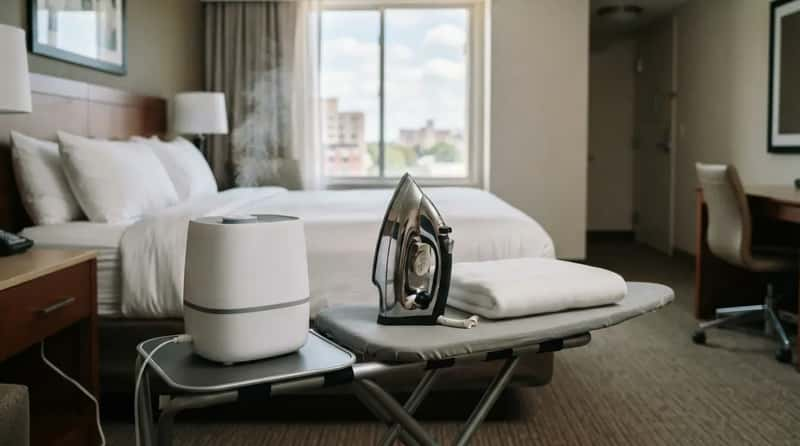
Small comfort items like an iron, ironing board, humidifier, or extra fan are almost always available on request, even in rooms that don’t come stocked with one. Most hotels keep a rotating supply specifically for guests who ask, rather than furnishing every single room.
Dry hotel air is a common complaint, especially in winter or at high altitude, and a humidifier request is granted more often than guests expect. This is one of the quietest free perks in hospitality – nobody advertises it, but almost every front desk has one tucked away in a supply closet.
#7 – Rollaway Beds and Cribs for Last-Minute Family Additions
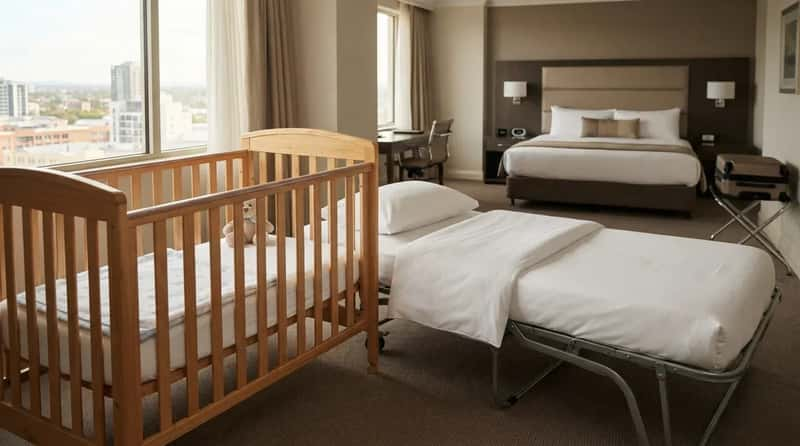
Plans change, and sometimes a family trip grows by one extra child or grandparent after the room is already booked. Rollaway beds and cribs are typically available at no charge, especially when requested a day or two ahead.
Supply is limited property by property, which is exactly why advance notice matters more here than almost any other request on this list. Calling the day before dramatically increases the odds of getting one at all, since walk-in requests often mean the small supply is already gone.
#6 – Requesting a Specific Side or View of the Building
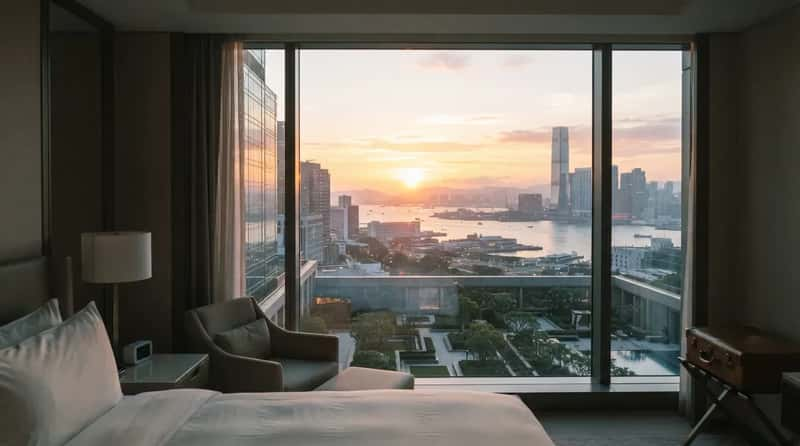
Sunrise side versus sunset side, street noise versus courtyard quiet – the difference between two rooms on the exact same floor can be significant, and it usually costs nothing to choose. Staff can typically accommodate this the same way they handle floor and corner requests.
This tends to work best paired with a reason, not just a preference. Mentioning that you want to avoid morning sun for a late sleeper, or that you specifically want an east-facing room for sunrise photos, gives staff a concrete reason to prioritize your ask. The “why” behind the request often matters more than the request itself.
#5 – The Quiet Floor Request for Guests Recovering From Jet Lag or Illness
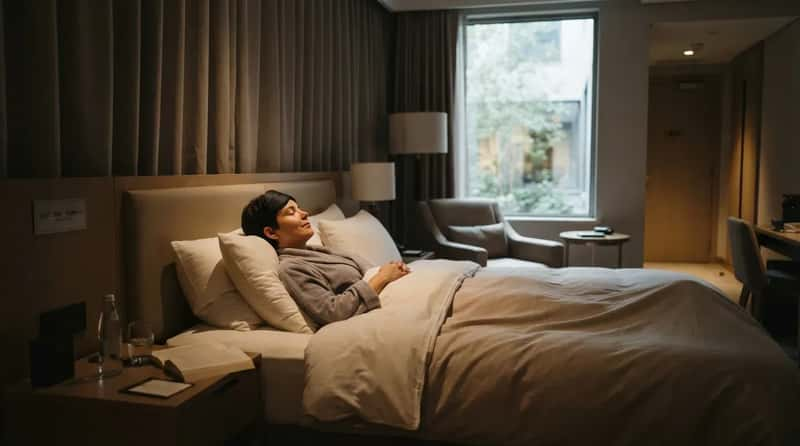
Guests traveling across multiple time zones, or recovering from a long illness, often need genuine quiet more than a nice view. Hotels tend to treat this request with more urgency than a standard “quiet room, please,” especially when the reason is stated plainly upfront.
This is a slightly controversial opinion among frequent travelers: stating the actual reason behind a request gets faster results than a vague preference ever does. Staff aren’t mind readers, and a specific, honest explanation almost always outperforms a polite but generic ask.
#4 – Free Bike Rentals Some Properties Quietly Offer
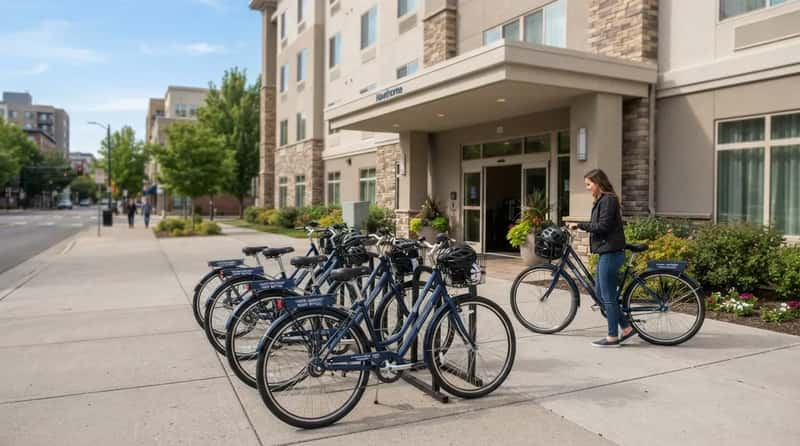
Not every hotel amenity gets mentioned at check-in unless a guest specifically asks. Plenty of hotels these days will let guests rent a bike to ride around the city, and some properties don’t charge for it at all.
Hawthorne Extended Stay by Wyndham runs a bike rental program for its guests that’s completely free, not a paid add-on tacked onto the bill. Most guests never think to ask about it, assuming bike rentals are always a paid concierge service rather than a built-in perk sitting in the lobby.
At a Glance
- More extended-stay and mid-range hotels now offer bikes as a standard amenity
- Some properties charge a small daily fee; others include it at no cost
- Availability is rarely advertised at check-in unless a guest asks directly
- Bike programs are most common in walkable downtown or resort-area locations
#3 – A Small Complimentary Treat for Anniversaries and Birthdays
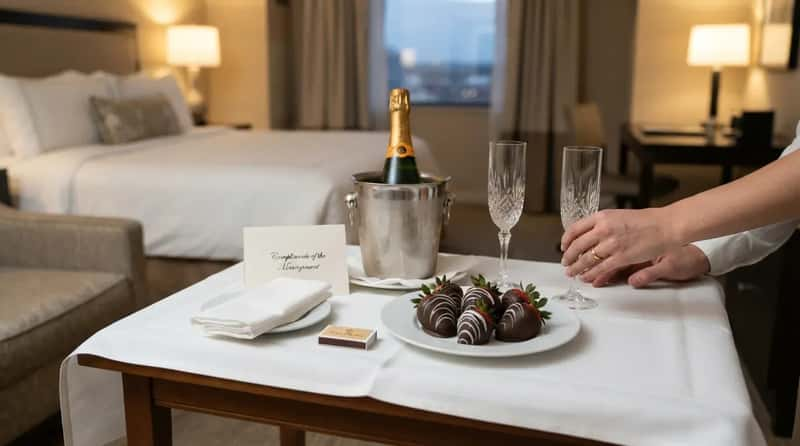
Beyond room upgrades, plenty of hotels quietly send up a small complimentary extra for guests celebrating something. Front desk agents have suggested simply asking if the hotel can send up chocolate-covered strawberries or a small bottle of champagne for special occasions. It’s rarely offered unprompted.
The key, according to staff themselves, is directness. Communicating that you’re there for a special occasion, and being specific about what you’re hoping for, goes a long way toward getting a yes. A simple mention at check-in often turns into a free dessert or something sparkling – a low-cost gesture that means a lot to the guest receiving it.
#2 – Asking Politely at the Right Time of Day Changes Everything
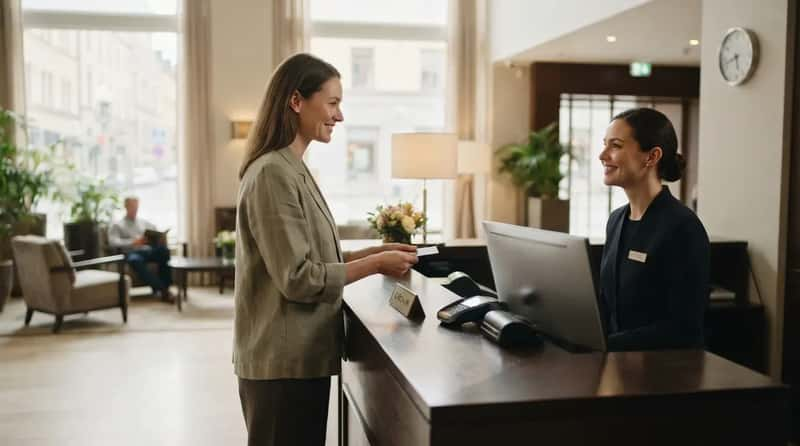
Timing genuinely affects the odds of a yes, and most guests never consider it. Arriving between 2 and 4 p.m., when the lobby is quieter, means staff have more attention and bandwidth to actually consider a request instead of rushing through it.
Attitude compounds the effect even further. Guests who mind their manners are more likely to walk away with a better room, simply because staff aren’t put in an awkward position by a demand. A calm request during a quiet check-in window beats a demanding one during a rushed afternoon almost every time.
#1 – The Direct-Booking Guest Who Gets Priority When Rooms Run Short

This is the request nobody realizes they’re already making just by how they book. Guests who reserve directly through a hotel’s own website or phone line are generally treated as a priority when a property is short on rooms or upgrades – a quiet, structural advantage that has nothing to do with charm or timing.
It’s the one advantage on this entire list that costs literally nothing and requires no request at all. Simply booking direct puts a guest ahead of the line before they’ve said a single word to staff. Everything else on this list works better once that foundation is already in place.
None of these 27 requests involve bribery, elite status, or luxury spending. They involve saying the specific thing, at the specific moment, to a staff member who has more discretion than most guests ever assume. The gap between the guest who gets the corner room, the quiet floor, and the free late checkout – and the guest who gets none of it – usually comes down to nothing more than asking out loud.
Which of these have you actually tried, and which one are you trying on your next trip?