Travel has a way of putting people face to face with the ordinary in unexpected forms. A short airport layover, a bridge crossing on the way to a hotel, a quick elevator ride up to a rooftop bar. None of it seems remarkable until you talk to someone whose brain reacts to these moments as genuine threats rather than minor inconveniences.
For a surprising number of travelers, the itinerary itself becomes the obstacle. Specific phobias are among the most common mental health conditions people live with, and several of them line up almost perfectly with the routine mechanics of getting from one place to another. Here are five everyday travel moments that quietly test the limits of what some people can tolerate.
Boarding a plane and settling in for takeoff
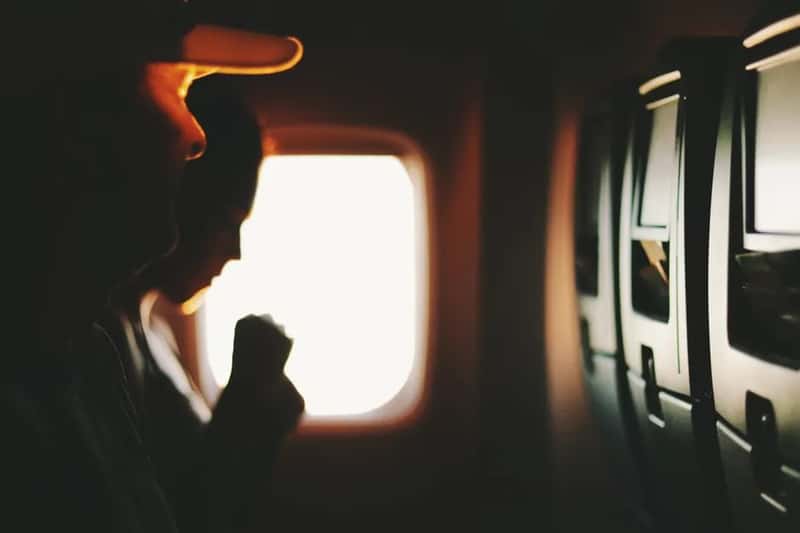
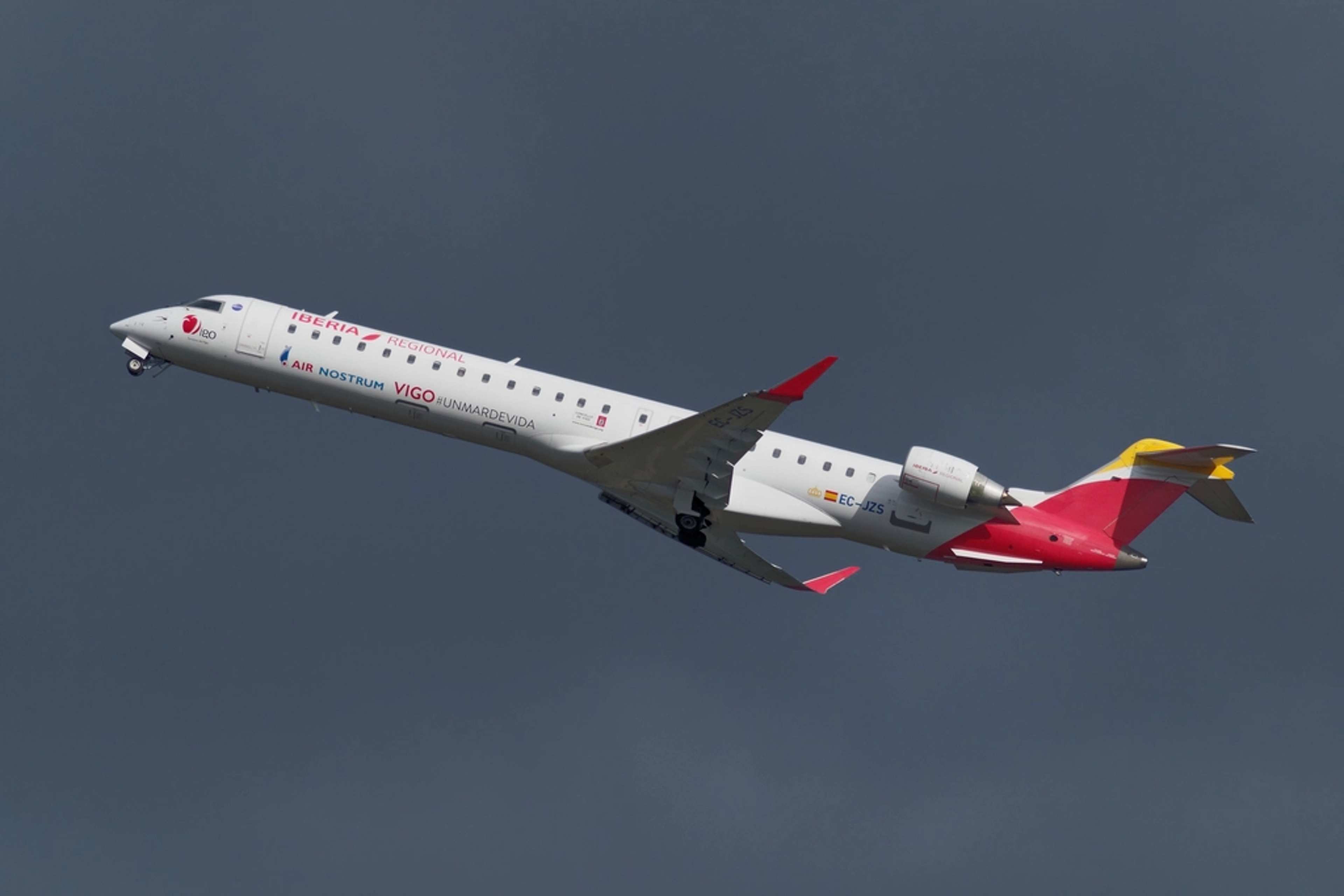
Flying might be the single most common phobia trigger tied to travel, and the numbers back that up. Estimates suggest that between 25% and 40% of air travelers experience some level of flight anxiety, with around 2.5% to 6.5% meeting the clinical criteria for aviophobia, a specific phobia that significantly disrupts daily life and travel.[1] That is a wide range, but even the low end represents millions of travelers who dread the exact moment the seatbelt sign turns on.
What makes this fear interesting is that it rarely centers on the crash itself. Most people with aerophobia aren’t actually afraid of the plane crashing. Instead, they might fear the overwhelming anxiety that comes with being on the plane.[2] That distinction matters, since it explains why some nervous flyers can recite safety statistics from memory and still white knuckle every bit of turbulence.
Driving or riding across a long, high bridge
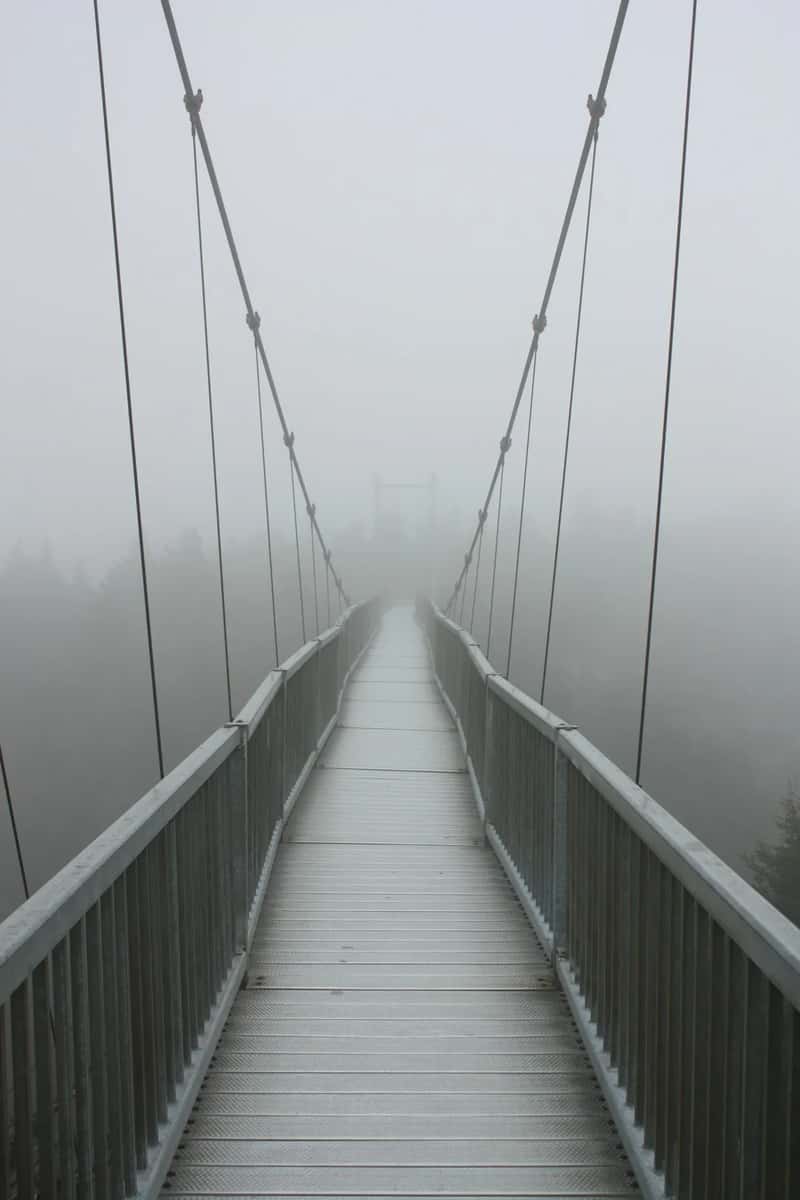
Bridges are unavoidable in a lot of coastal and river cities, which makes gephyrophobia, the formal name for a fear of bridges, a particularly disruptive condition for anyone trying to plan a trip. Data published by the National Institutes of Health estimates more than 9 percent of U.S. adults suffered from some specific phobia in the past year.[3] Bridge fear tends to show up more often in places where crossing water is simply part of daily life, since repeated exposure can sharpen rather than dull the anxiety for some people.
The fear itself is rarely just about the structure collapsing. It can manifest as a fear of heights, fear of structural instability, or fear of being trapped on the bridge.[4] For travelers who plan road trips or rental car routes, that combination can turn a straightforward drive into a source of real dread, sometimes leading to long detours just to avoid a single crossing.
Stepping into a crowded elevator or narrow tunnel
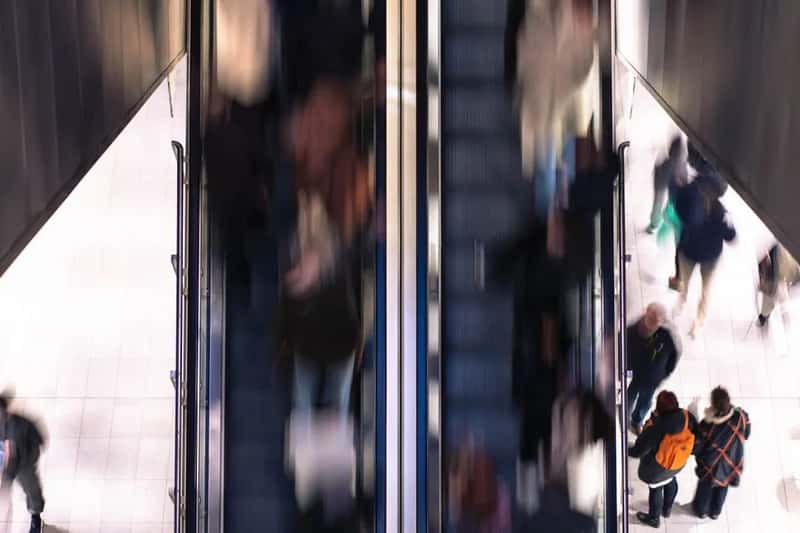
Hotels, parking garages, subway systems, and mountain tunnels all share one thing in common: they close people into small, contained spaces with limited immediate exits. That is exactly the setup that triggers claustrophobia, and it is far from a rare condition. About 12.5% of the population has claustrophobia.[5]
The specific settings that set it off read like a checklist of standard travel infrastructure. Common triggers include tunnels, elevators, trains and airplanes.[5] For someone managing this fear, a straightforward hotel stay can involve genuine strategy, like requesting a lower floor or timing elevator rides for quieter moments when a car is less likely to be crowded.
Taking a ferry or cruise across open water
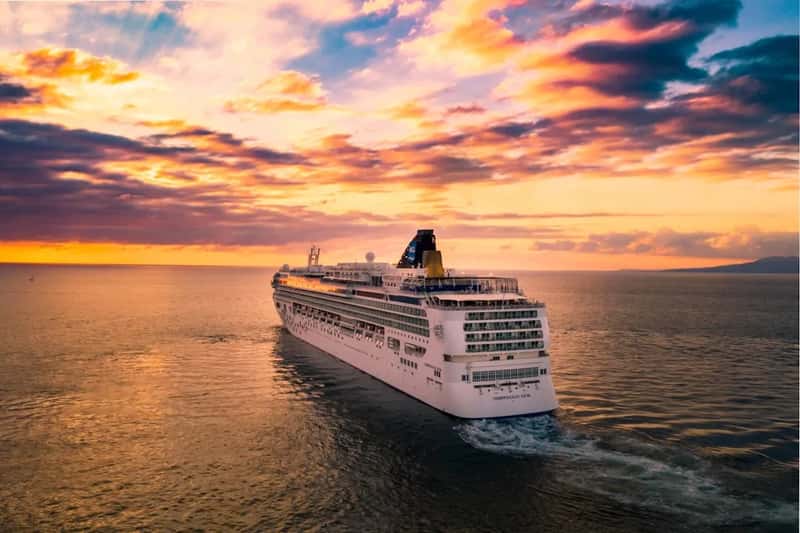
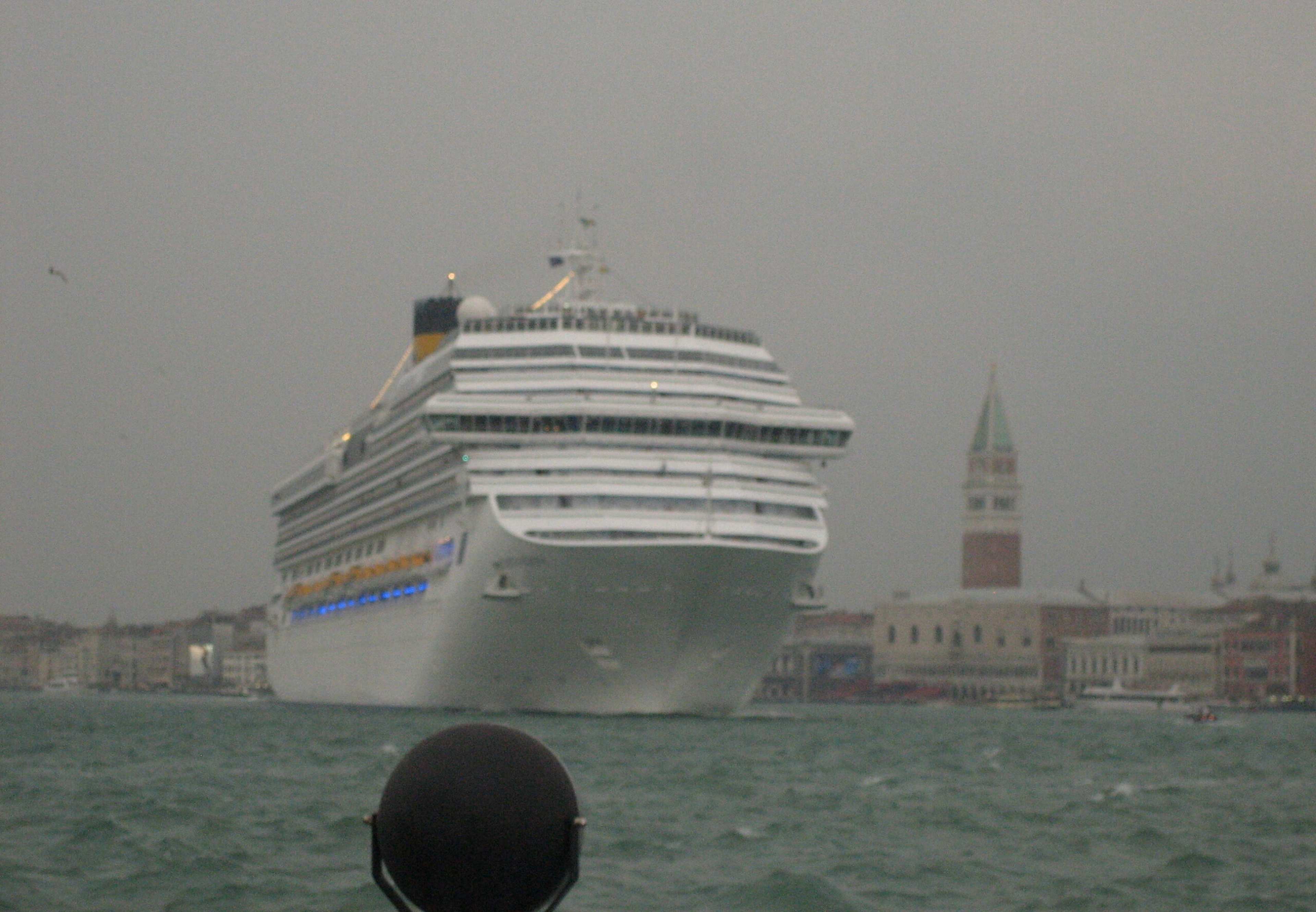
Cruise vacations and island hopping ferries put people directly on top of deep, open water for hours or days at a time, which is precisely the scenario that triggers thalassophobia. Thalassophobia is a specific phobia that involves a deep fear of large bodies of water, such as oceans, lakes, or even deep pools.[6] It is different from a general dislike of swimming, since even calm, glassy water can provoke real distress if it feels vast enough.
The anticipation often starts well before anyone steps on board. Symptoms may begin before a person reaches the water, especially if they anticipate a beach trip, boat ride, ferry crossing, cruise, or diving lesson.[7] That means the anxiety can shape travel decisions weeks in advance, well before a suitcase gets packed for a coastal vacation.
Standing on a glass skywalk or observation deck
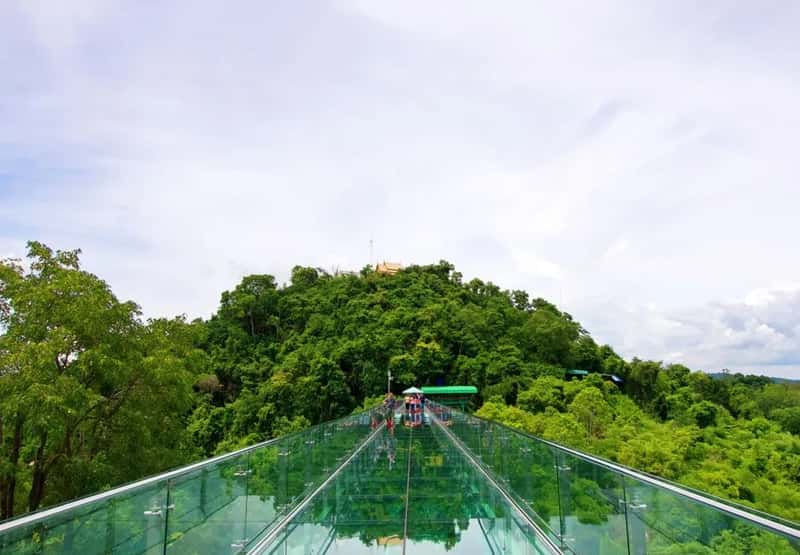
Modern tourism loves a dramatic view, and cities have leaned into that with glass floored skywalks, rooftop bars, and observation decks perched hundreds of feet above street level. For travelers with acrophobia, these attractions sit near the top of the avoid list rather than the must see list. Fear of heights is frequently mentioned alongside other well documented specific phobias in clinical literature, and it runs the gamut from fairly common anxieties, such as ophidiophobia, the fear of snakes, and acrophobia, the fear of heights, to much more obscure fears.[3]
Unlike some phobias tied to a single scenario, acrophobia can attach itself to anything with visible height and exposure, from a cable car ride in the Alps to a hotel balcony on a high floor. Travelers dealing with it often gravitate toward itineraries built around lower elevations, opting for a scenic drive instead of a gondola or choosing a room on a lower floor without much fuss about the view. It is a quiet accommodation, but one that shapes travel choices just as much as budget or timing does.
Taken together, these five phobias reveal something practical rather than dramatic about travel planning. Fear of flying, bridges, enclosed spaces, open water, and heights all sit inside the normal architecture of getting somewhere, which means avoiding them entirely is rarely simple. Most people who deal with these fears do not skip travel altogether. They adapt, plan around specific triggers, and sometimes work with a therapist using approaches like cognitive behavioral therapy or gradual exposure to make the ordinary parts of a trip feel less like an obstacle course.