Most travelers assume that anything better than their booked room comes with a price tag attached. Yet hotel staff consistently say that a surprising number of upgrades and small comforts are handed out for free, simply because someone asked politely and at the right moment. Front desk agents and general managers have discretion over a lot more than guests realize, and many of these “freebies” cost the property almost nothing to grant.
The trick isn’t insider knowledge or a secret password. It’s timing, tone, and knowing which requests actually fall within a manager’s everyday authority. Here are five of the most commonly approved requests, based on what hotel staff themselves have said about how these decisions really get made.
1. A Higher Floor or Corner Room for a Better View
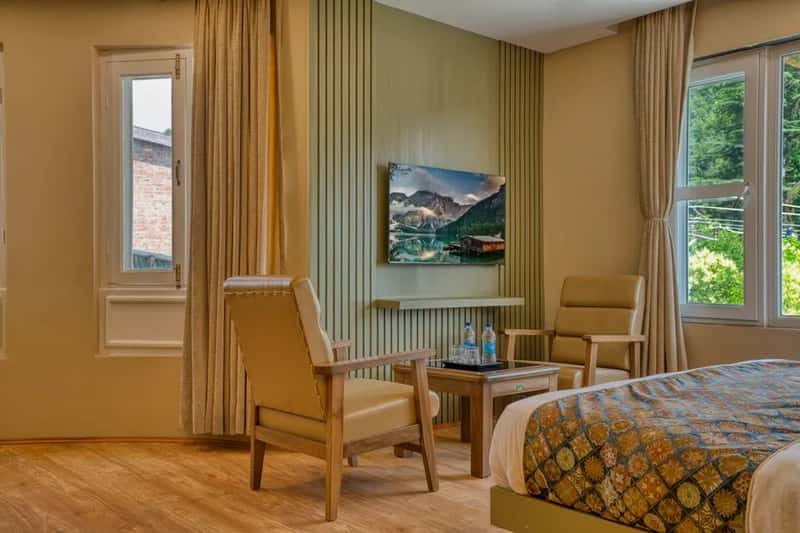
Rooms with ocean, skyline, or river views typically carry a premium rate, but you don’t always have to pay it to enjoy a similar perk. According to a general manager at Conrad New York Downtown, location requests are generally the easiest to grant, because they don’t typically cost the hotel anything beyond a little extra attention during room assignments[1]. Asking for a higher floor or a corner unit rather than a formally categorized “view room” often gets treated as a routine assignment tweak rather than a paid upgrade.
Corner rooms carry an added bonus beyond the view. Industry reporting notes that you can often snag a room with a better view at no extra cost simply by asking for one on a higher floor or one on a corner, since those generally have more windows for better natural light, not to mention extra square footage[1]. Staff also point out that moving a guest up several floors can often be done with zero cost impact to the hotel[2], which is exactly why it tends to be an easy yes at check-in.
2. A Complimentary Room Upgrade Check
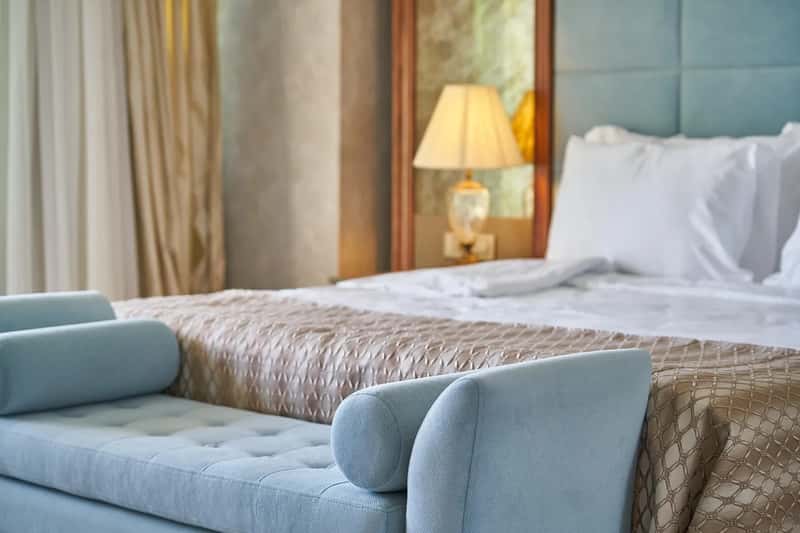
Simply asking whether any upgrades are available, without expecting anything specific, is one of the most effective and least demanding requests a guest can make. Travel reporting on front desk practices explains that hotels frequently have unsold premium rooms and front desk staff often have discretion to upgrade guests, especially exceptionally polite and friendly ones, which could result in a better view, more space, or additional amenities at no extra cost[3]. From the hotel’s side, an empty premium room earns nothing, so filling it with a happy guest is often the more sensible outcome.
The logic behind this extends beyond simple hospitality. One travel resource summarizing how upgrades typically work notes that sometimes you’ll get a better room with a nicer view, or complimentary amenities like free breakfast or parking, because it’s better for the hotel to have a premium room occupied than have it go empty[4]. It’s also worth noting that the hope is that offering free upgrades secures customer loyalty, since visitors overwhelmingly appreciate upgrades and freebies, and this often leads to positive reviews and word of mouth[4]. Booking directly instead of through a third party can also improve your odds, since it gives the hotel a direct relationship with you before you ever arrive.
3. Early Check-In or Late Checkout
Extending your stay on either end of the clock is one of the most frequently granted courtesies in the entire hospitality industry, and it typically costs guests nothing when occupancy allows for it. Reporting on front desk habits confirms that hotels often extend the departure time beyond the usual late-morning cutoff when occupancy is manageable, with front desk staff sometimes allowing guests to remain an extra hour or two if housekeeping schedules permit[3]. This is especially useful for travelers catching afternoon flights who would otherwise be stuck waiting in a lobby with their luggage.
Timing matters more than almost anything else with this request. A hotel manager at Radisson Blu Mall of America explained that the earlier you ask for a late checkout, the better your chances will be[5], and staff elsewhere echo that sentiment closely. Separate guidance notes that most hotels offer one to two hour extensions for free, with a noon or 1 p.m. checkout commonly available if you ask[6], though anything well beyond that window usually does require payment. Asking the night before, rather than waiting until the morning of departure, consistently gets cited as the smartest approach.
4. Extra Pillows, Blankets, and Toiletries
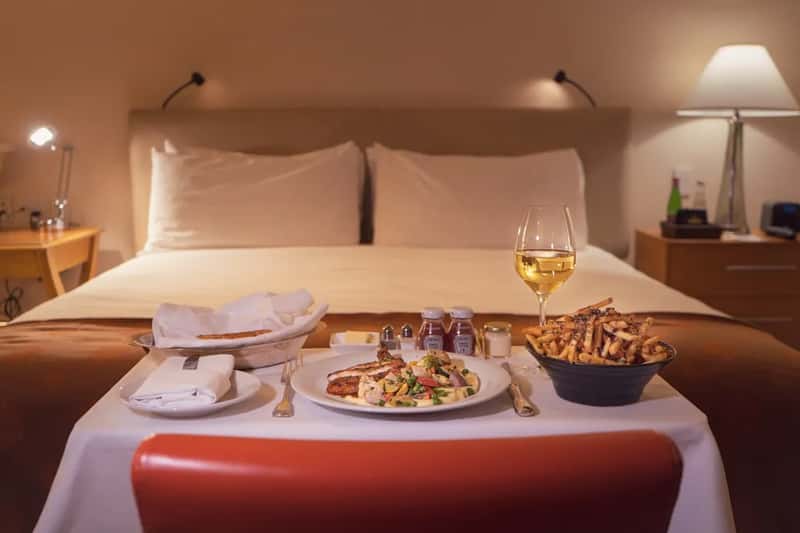
Small comfort items are almost never treated as chargeable extras, and most hotels keep a stock specifically for this purpose. Industry guidance for hotel operators lists these clearly under standard complimentary offerings, noting that extra pillows, blankets, towels, irons, and hair dryers are standard items available on request, usually free of charge[7]. These are considered baseline guest service rather than upgrades, so there’s rarely any hesitation from staff when a guest calls down and asks.
The same courtesy often extends to forgotten personal items. One hospitality roundup notes that some properties keep makeup wipes, sewing kits, or hairspray on hand at no extra cost, and guests who forgot something shouldn’t hesitate to ask the front desk or housekeeping[8]. Because these items cost hotels very little to stock and hand out, they’re treated as routine service rather than a special favor, which is why the answer is almost always yes.
5. Loyalty Program Recognition and Perks
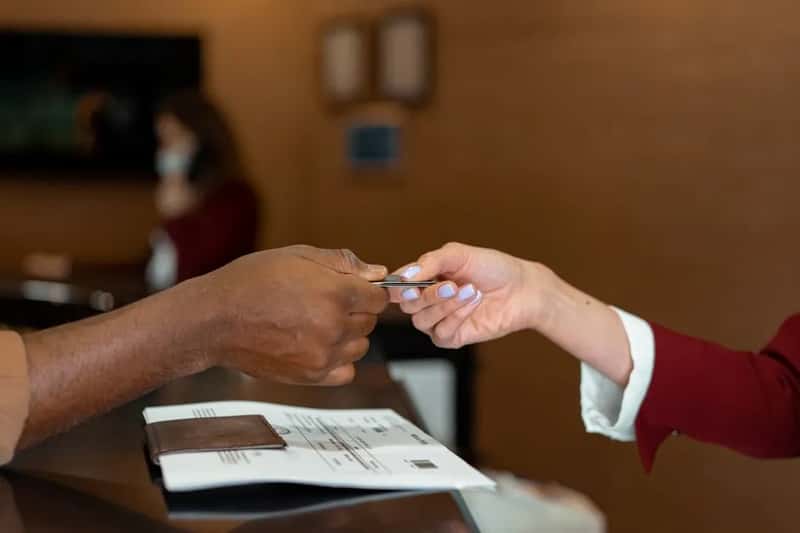
Mentioning membership in a hotel’s loyalty program at check-in, even without elite status, can quietly shift how a request is handled. Coverage of front desk practices notes that loyalty status can improve your odds of an upgrade, and members should always mention their status during check-in since this can increase upgrade chances[3]. Staff aren’t obligated to reward every loyalty member with something extra, but the mention often nudges a borderline decision in the guest’s favor.
This advantage becomes more concrete once you hold mid-tier or higher status. Detailed guidance on checkout policies notes that Marriott’s Gold Elite tier, for example, comes with a guaranteed 2 p.m. late checkout[9] rather than a request-only extension. Loyalty program membership can also influence other decisions during a stay, since properties generally want to protect the relationship with a returning customer more than they want to enforce a minor fee.
None of these five requests require confrontation or negotiation tactics. They work because they align with how hotels already operate: unsold premium rooms, flexible housekeeping schedules, and standard-issue comfort items all exist whether or not a guest asks for them. The only real variable is whether someone speaks up, and speaks up early enough for staff to say yes without disrupting anyone else’s stay. Politeness costs nothing, and neither does asking.