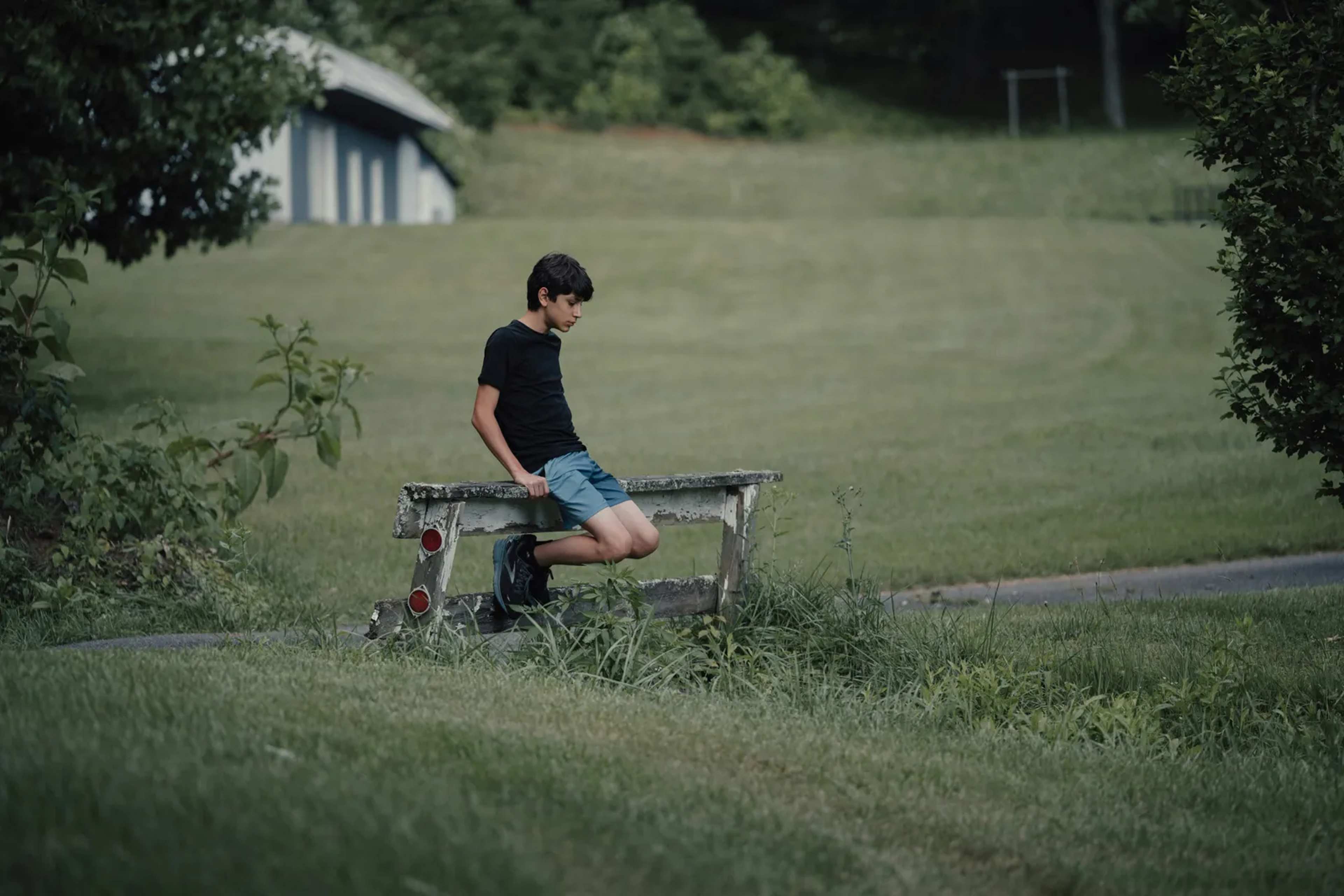
There’s a particular kind of unease that settles in once the sun goes down in a place you don’t know well. Streets that looked ordinary in daylight suddenly feel different, quieter in some spots, louder in others, and your brain starts working overtime trying to make sense of it all. This reaction isn’t random or irrational. It’s rooted in how humans process unfamiliar environments, and understanding the “why” behind it can make those uneasy evenings a little easier to manage.
1. Reduced visual information makes the brain work harder
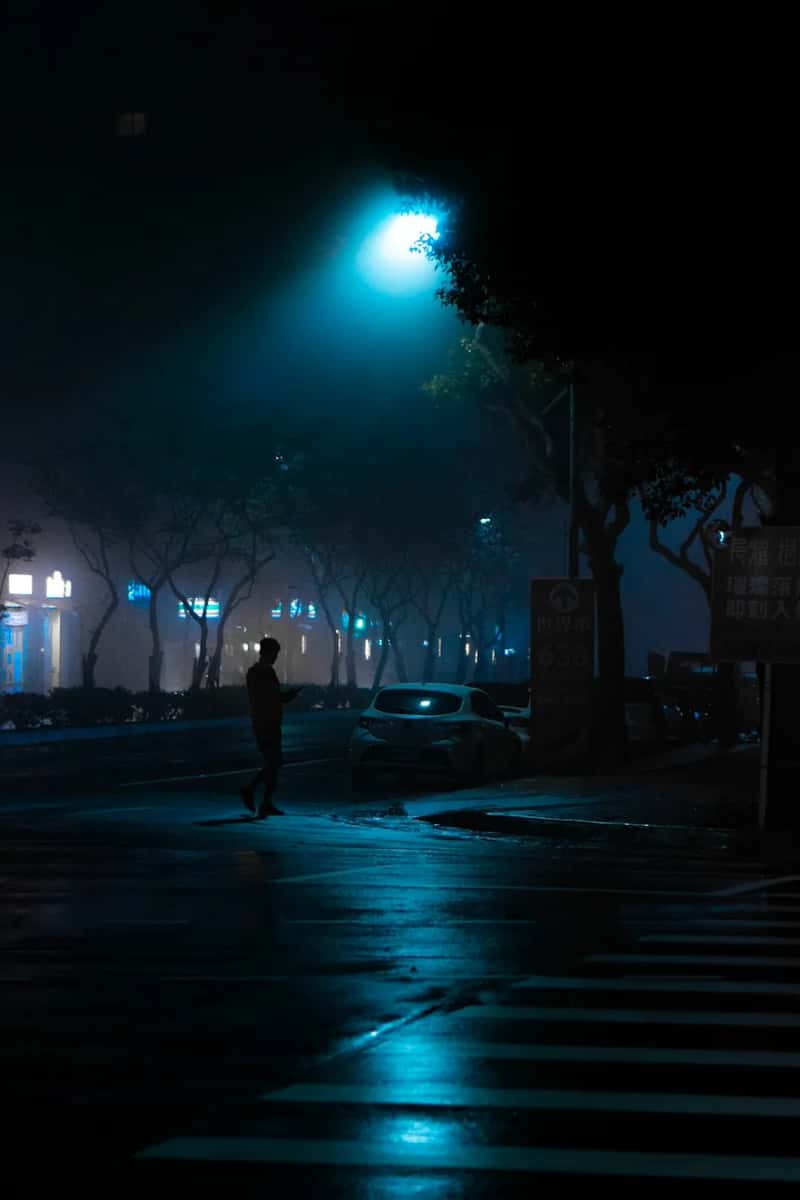
Darkness strips away a huge amount of the visual data your brain normally relies on to assess safety. During the day, you can quickly scan a street, notice exits, read body language from a distance, and clock small details that signal whether an area feels calm or chaotic. At night, much of that information disappears, forcing your brain to fill in gaps with assumptions, and those assumptions tend to skew toward caution rather than comfort.
Researchers who study environmental psychology have long noted that low light increases perceived threat even when actual risk hasn’t changed. This is partly why the same alley that seems unremarkable at noon can feel unsettling at 10 p.m., even if crime statistics for that block are identical around the clock. The unfamiliarity of a new city amplifies this effect, since travelers don’t yet have a mental map of which shadows are harmless and which areas genuinely warrant more attention.
2. Unfamiliar sounds trigger heightened alertness

Cities never go fully silent, but nighttime tends to isolate sounds that daytime noise usually drowns out. Footsteps, distant voices, sirens, or even wind moving through narrow streets become more noticeable and harder to interpret when you don’t know the local rhythm of a place. In a new environment, the brain hasn’t yet learned which sounds are routine and which might signal something worth reacting to.
This is tied to a well-documented survival mechanism sometimes called auditory vigilance, where the brain prioritizes processing unexpected or ambiguous noises, especially in low-light conditions. Travelers who don’t speak the local language often experience this more intensely, since overheard conversations or shouted words carry no immediate context. Without that context, the mind tends to default to uncertainty, which reads emotionally as mild anxiety even when nothing is actually wrong.
3. Lack of a mental map increases feelings of vulnerability
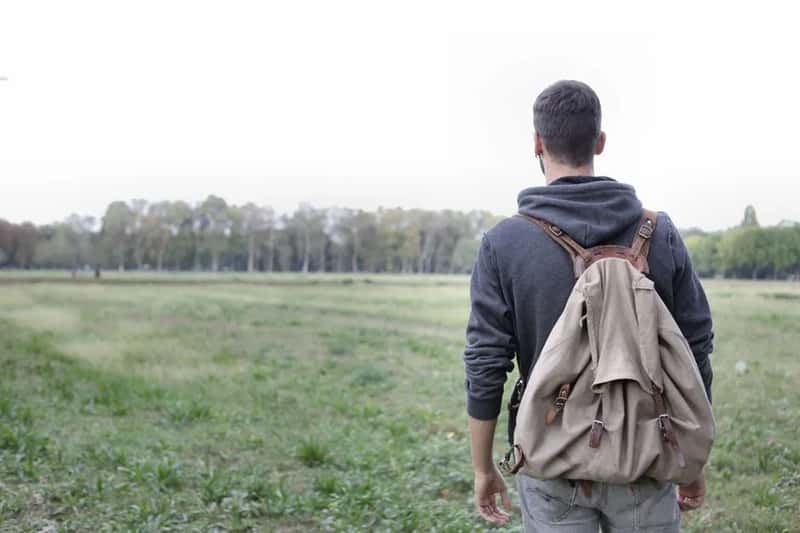
One of the quiet stressors of traveling somewhere new is not yet having an internalized sense of direction. Locals build mental maps over months or years, allowing them to navigate almost automatically, but visitors are still piecing together which streets loop back to their hotel and which lead somewhere unknown. At night, when landmarks are harder to see and fewer people are around to ask for directions, that gap becomes more pronounced.
Psychologists who study spatial cognition note that uncertainty about location directly correlates with increased stress responses, since not knowing how to reach safety quickly is a basic evolutionary concern. This isn’t about a city being unsafe. It’s about the traveler’s brain not yet having confidence in its own internal GPS, which naturally raises alertness until familiarity builds.
4. Social cues are harder to read after dark
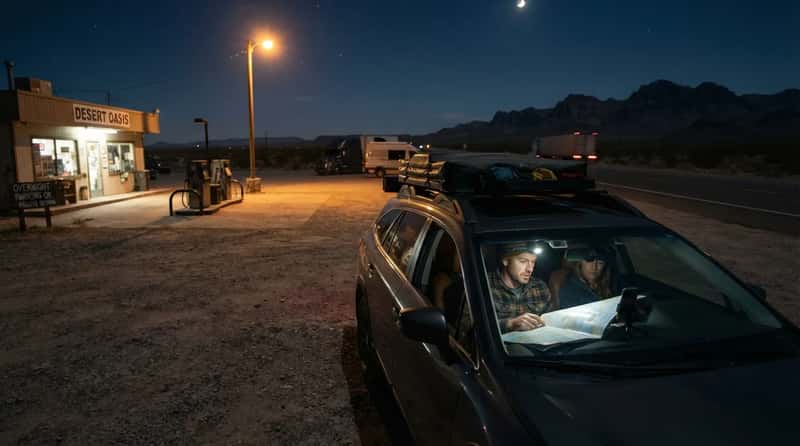
During the day, people rely heavily on facial expressions, posture, and group behavior to gauge whether an environment feels welcoming or tense. Nighttime lighting, along with fewer pedestrians overall, reduces the number of social cues available, making it more difficult to judge intentions or context quickly. In an unfamiliar city, travelers don’t yet have a baseline for what “normal” local behavior looks like, so ambiguous situations can feel more uncertain than they would to someone who lives there.
This effect is amplified in areas with cultural norms different from a traveler’s home country, where gestures, tone of voice, or public behavior may be interpreted differently. Even friendly interactions can feel harder to read at night simply because there’s less visual information supporting them. Over a few nights in the same city, most travelers report this discomfort easing as they start recognizing patterns in how locals interact.
5. Fatigue and jet lag intensify nighttime anxiety
Long flights, time zone shifts, and the general exhaustion of travel don’t just affect energy levels, they also affect emotional regulation. Sleep researchers have consistently found that fatigue lowers the threshold for anxiety and makes ambiguous situations feel more threatening than they would to a well-rested brain. Combine that with the sensory overload of a new environment, and nighttime unease becomes more likely simply because the nervous system is already taxed.
Jet lag in particular disrupts the body’s natural cortisol rhythm, which plays a direct role in stress response regulation. Travelers arriving from far-away time zones often report their most anxious moments occurring during the first two or three nights, before their internal clock adjusts. This isn’t unique to any one city or culture. It’s largely a physiological reaction that tends to fade as the body recalibrates to local time.
Nighttime anxiety in unfamiliar cities tends to stem from a mix of reduced visibility, unfamiliar sounds, incomplete mental maps, harder-to-read social cues, and basic travel fatigue. None of these factors point to a city being inherently dangerous. They reflect how the human brain processes unfamiliar environments when it hasn’t yet had time to build a sense of familiarity and trust.