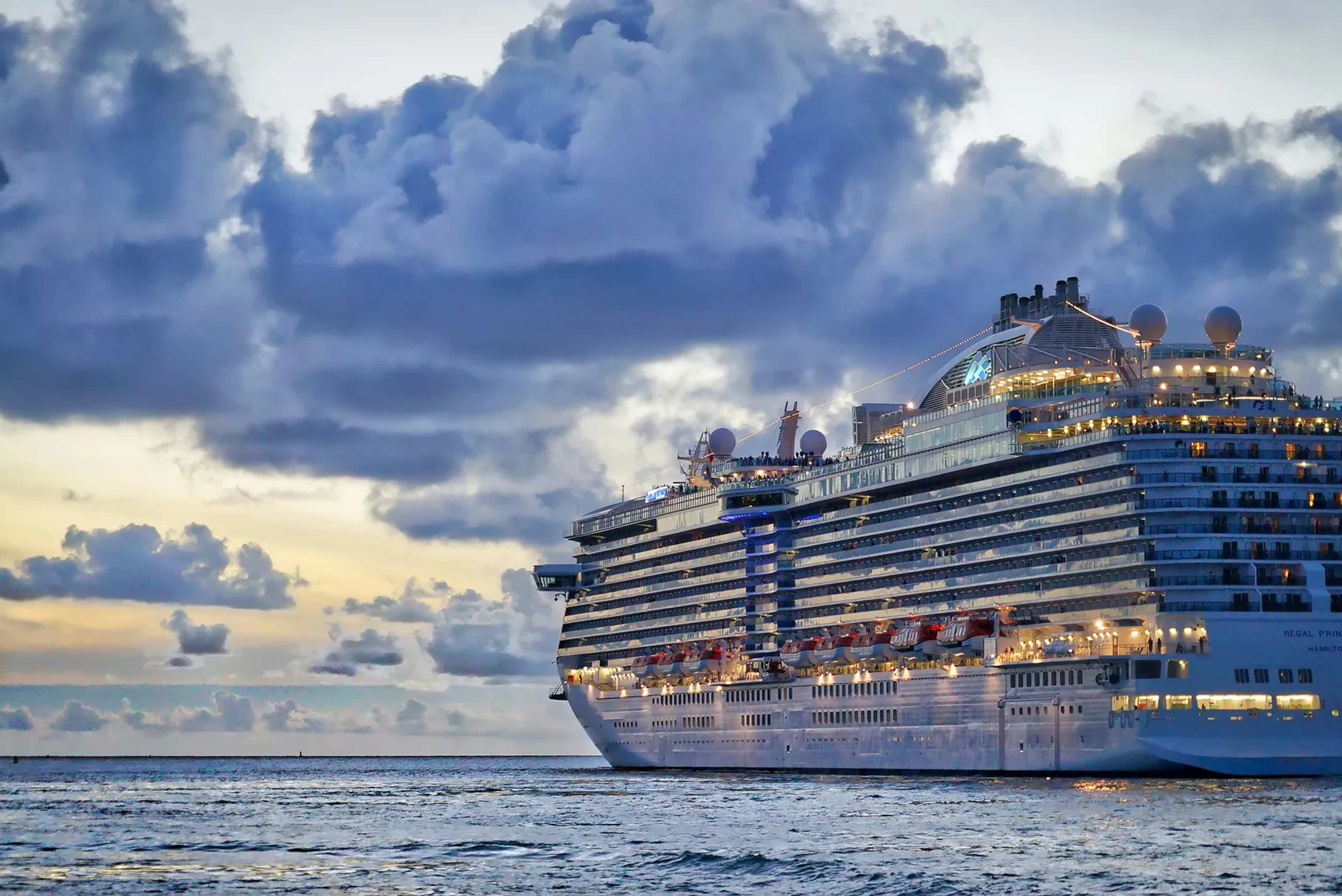
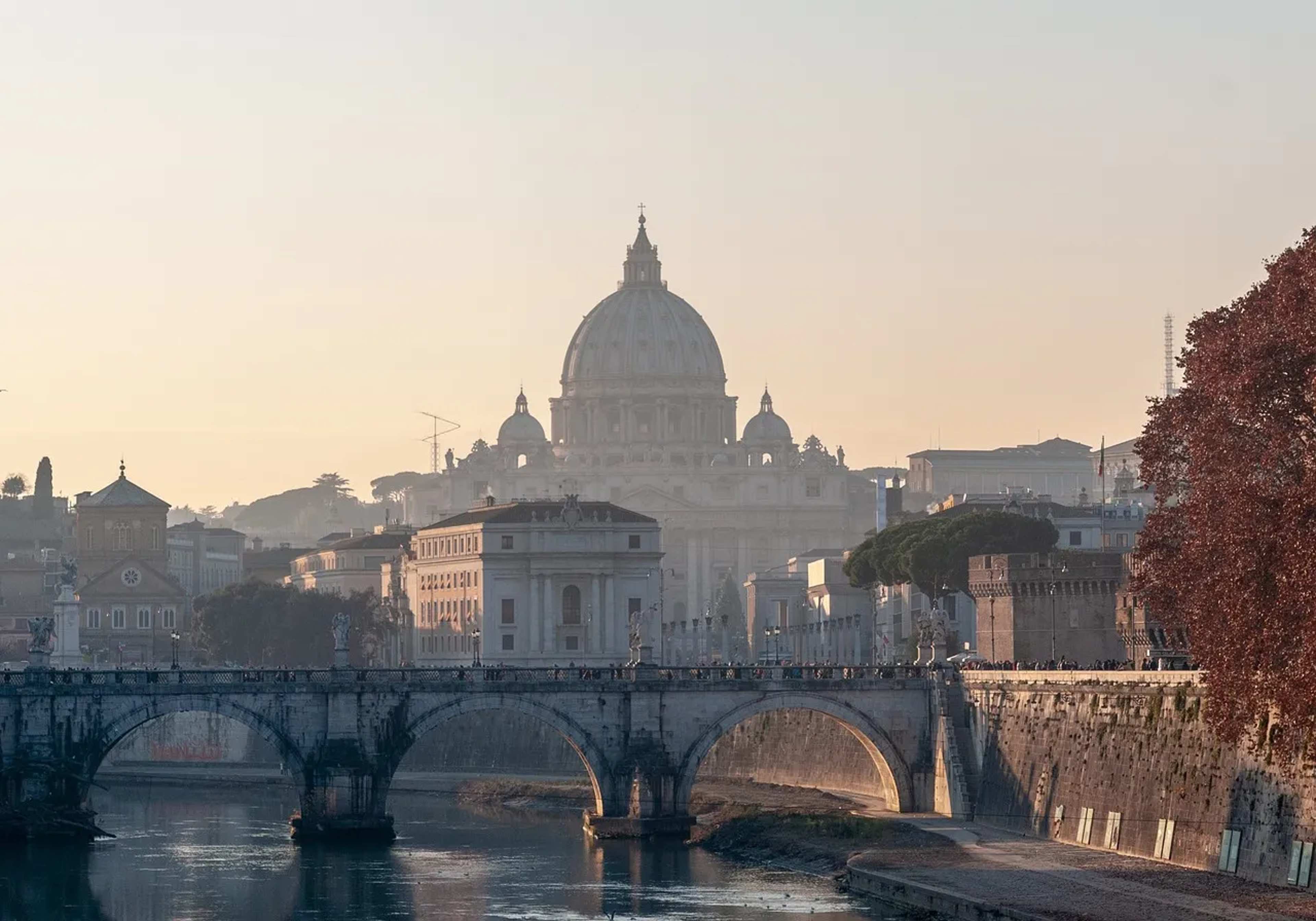
Most travelers assume fear shows up as an obvious refusal to board a plane or a white-knuckled grip on the armrest. In reality, it’s often far subtler, shaping choices long before you even pack a bag. It hides in the itineraries you build, the destinations you quietly cross off, and the reasons you tell yourself for staying close to home.
The tricky part is that fear rarely announces itself. It dresses up as practicality, budget concerns, or simply “not being that into travel.” Recognizing the pattern is the first step toward loosening its grip.
1. You only book trips that feel fully predictable
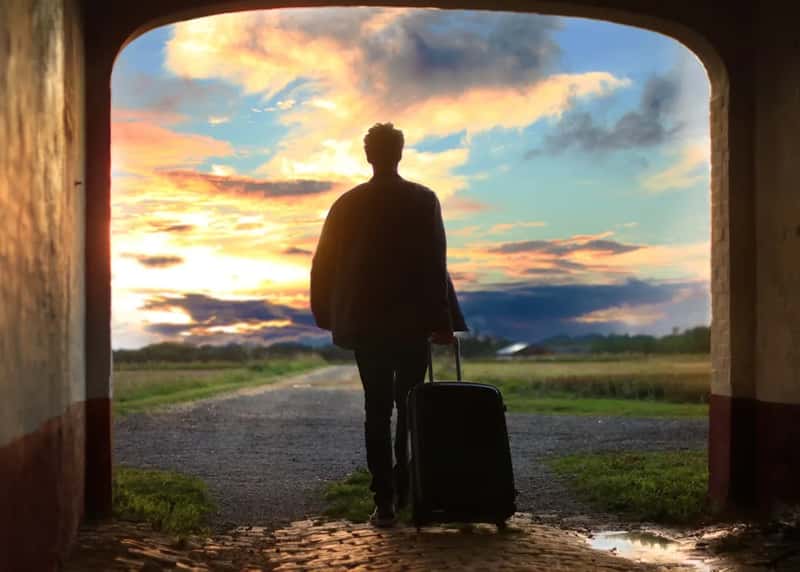
If every vacation looks nearly identical, same type of resort, same familiar country, same tightly scheduled itinerary, that consistency might be less about preference and more about control. Predictability reduces uncertainty, and uncertainty is exactly what anxiety tries to avoid. Travelers who lean heavily on this pattern often report feeling relief rather than excitement when planning, which is a subtle but telling emotional cue.
Psychologists who study travel anxiety note that novelty seeking and anxiety sensitivity often sit at opposite ends of a spectrum. When someone consistently chooses the safest, most mapped-out version of a trip, it can reflect an underlying need to eliminate the unknown rather than a genuine love for routine. Over time, this narrows the range of experiences available, even if the traveler insists they are simply being sensible.
2. You research worst-case scenarios more than the destination itself
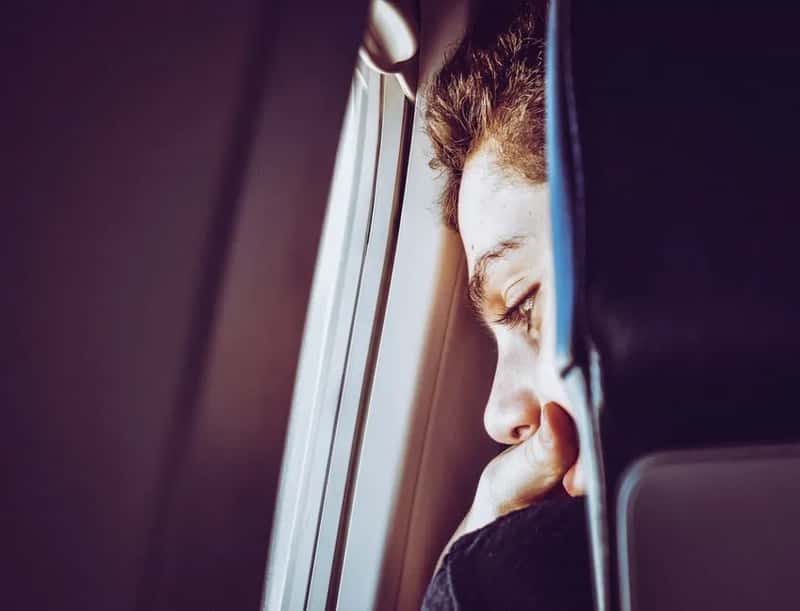
There’s a difference between smart preparation and obsessive worst-case planning. If pre-trip research spends more time on crime statistics, natural disaster risks, or scam warnings than on culture, food, or things to actually do, fear may be steering the process. This kind of hyper-vigilant research pattern is common among people with heightened travel anxiety, according to travel psychology researchers who study pre-trip behavior.
The irony is that most popular destinations, even ones with a reputation for risk, statistically pose far less danger than everyday activities like driving. The U.S. State Department and similar agencies issue travel advisories, but the vast majority of countries fall into low or moderate risk categories. When research becomes disproportionate to actual risk, it’s usually less about safety and more about managing internal anxiety.
3. You avoid solo travel even when you want to go alone
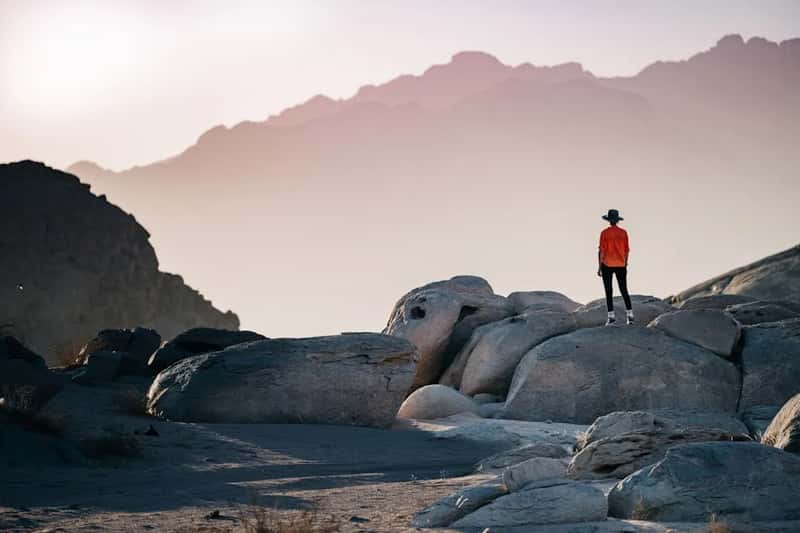
Wanting to travel solo but consistently finding reasons not to, waiting for a companion who never materializes, is a classic sign that fear is quietly making the decision. Solo travel has grown significantly in recent years; booking platforms like Booking.com and Klook have reported rising demand for solo itineraries among younger travelers heading into 2025 and 2026. Yet many people who express interest in solo trips still delay indefinitely, often citing loneliness or safety concerns that don’t hold up under closer examination.
Solo travel doesn’t require reckless behavior, and most seasoned solo travelers report feeling safer and more capable after their first trip, not less. If safety were the true concern, it would apply equally to group travel, since most incidents abroad involve tourists in groups just as often as those traveling alone. The hesitation often points to a fear of being unaccompanied with one’s own thoughts rather than a genuine external threat.
4. You stick to English-speaking or heavily touristed regions

Comfort with familiar language and infrastructure is understandable, but a rigid pattern of only visiting English-speaking countries or extremely tourist-friendly zones can be a quiet fear signal. It’s not about language ability so much as an unwillingness to risk feeling lost, confused, or out of one’s depth. This mirrors broader psychological research on comfort zones, which shows that avoidance of unfamiliar environments tends to reinforce anxiety rather than reduce it over time.
Global tourism data backs up how strong this pull toward familiarity can be. The UN Tourism organization has repeatedly noted that a small number of highly developed destinations, mostly in Western Europe and North America, absorb a disproportionate share of international arrivals. While practical factors like flight access play a role, the pattern also reflects a widespread preference for environments that feel low-risk and easy to navigate.
5. You feel more relief than joy when a trip is cancelled
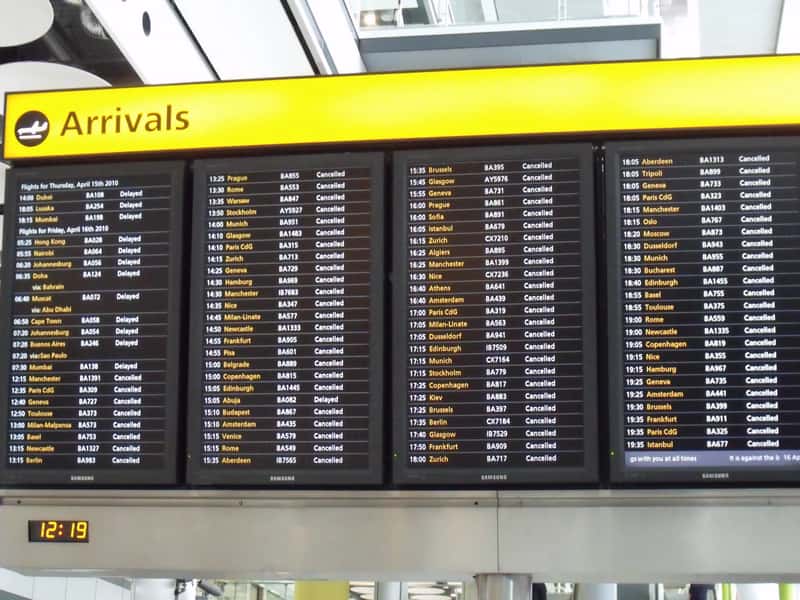
This is perhaps the clearest and most overlooked sign. If a flight delay, weather issue, or unexpected cancellation triggers a wave of relief rather than disappointment, that reaction says a lot. Genuine excitement about travel usually produces frustration when plans fall through, not quiet gratitude for an excuse to stay home.
Travel anxiety specialists often point to this exact moment, the emotional response to a cancelled trip, as one of the most reliable indicators of underlying avoidance. It’s a small, honest reaction that’s harder to rationalize away than a carefully worded excuse. Noticing it doesn’t mean travel is wrong for someone, but it does suggest fear may be doing more of the decision-making than they realize.
Fear rarely stops people from traveling outright. More often, it works quietly in the background, narrowing choices, softening ambitions, and dressing itself up as reasonable caution. Spotting these signs doesn’t require a dramatic life change, just a willingness to notice when a decision is coming from curiosity versus when it’s coming from avoidance.