Most people picture travel anxiety as something that shows up at the airport, maybe during turbulence or a long security line. In reality, a lot of the heavy lifting happens hours or even days earlier, quietly, inside the house. It rarely looks dramatic from the outside. It looks like someone walking past the stove one more time, or typing a note into their phone that nobody else will ever read.
These habits tend to blend into the ordinary chaos of getting ready to leave, which is exactly why they go unnoticed. Friends and family often just see someone who is “a little particular” about departures. What is actually happening underneath is a set of small, repeated rituals designed to manage uncertainty before it has a chance to spiral.
1. They check locks and appliances more than once, sometimes three or four times
For a lot of anxious travelers, walking out the door isn’t a single moment, it’s a loop. They check that the stove is off, then check it again five minutes later, then think about it once more while loading the car. This isn’t forgetfulness. Clinical guidance on travel anxiety specifically flags this pattern, noting that people often run through a mental checklist of whether the lights are off, the stove is off, and pets are taken care of before feeling ready to head out the door.[1]
What outsiders see is someone running slightly late or fussing at the last minute. What’s actually happening is an attempt to close every open loop before leaving, because an open loop, even a small one like an unlocked door, can feel disproportionately large once the person is already on the highway. Health experts note that this kind of repeated reassurance seeking, like asking excessively whether things are running on time or repeatedly checking on details[2], is a common and recognizable expression of pre-travel anxiety rather than simple carelessness.
2. They write packing lists that plan for disasters, not just for the weather
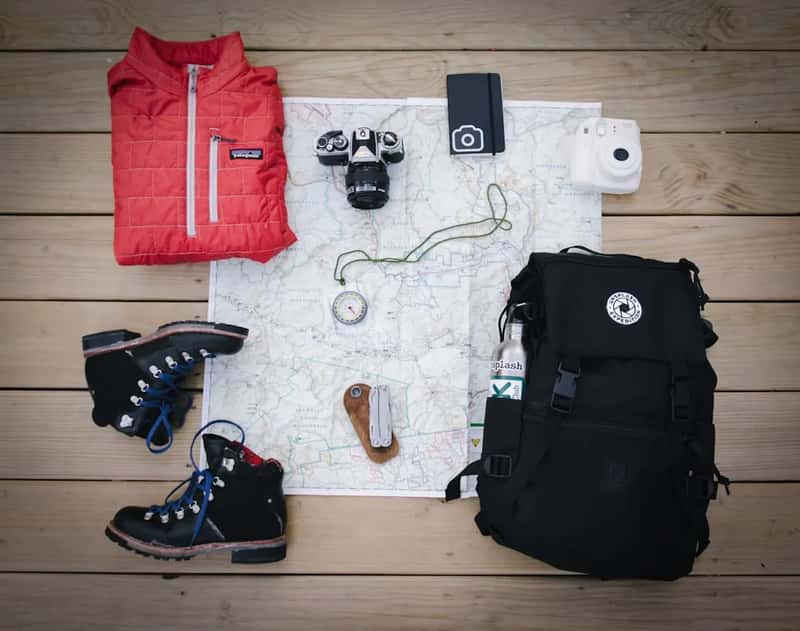
A packing list sounds like the most mundane part of travel prep. For anxious travelers, though, it often becomes something closer to a coping mechanism. Mental health researchers describe packing anxiety as a genuine trigger point, explaining that it can turn into a symbol of everything that feels uncertain about the trip, often involving obsessive thinking about forgetting something essential, losing luggage, or being unprepared[3].
This is why the list keeps growing well past clothes and toiletries. Chargers get backups. Medications get duplicated across different bags. Documents get printed even when a phone would technically do the job. None of this looks unusual to a bystander, since everyone packs before a trip, but the sheer volume and repetition of the checking is the tell.
3. They quietly build a safety net for the house before they’ve even left it
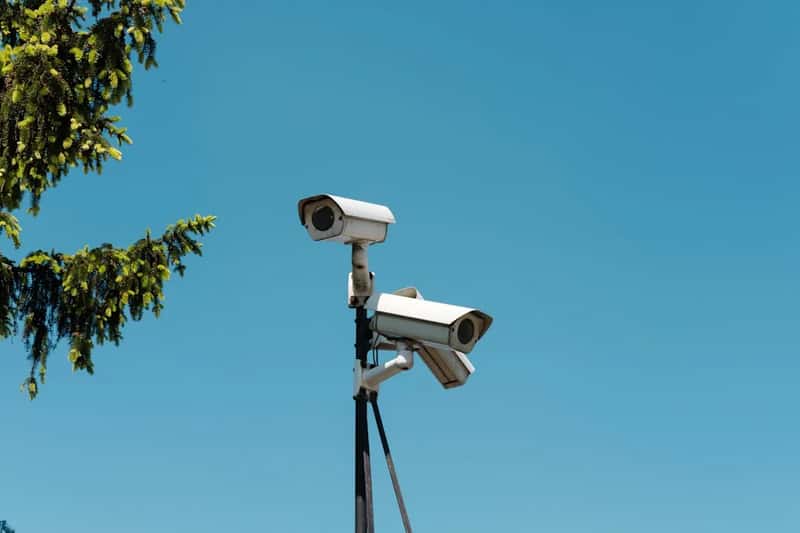
Long before the suitcase is zipped, a lot of anxious travelers have already arranged for someone to keep an eye on the house. Mental health resources point out that this kind of preparation, things like enlisting a neighbor to water plants, setting up an alarm or security camera, or placing a temporary hold on the mail[4], is a common and effective way of managing the discomfort of being away from home.
Cleveland Clinic’s guidance on travel anxiety echoes this, recommending a written checklist of everything that needs to be wrapped up at home, plus an emergency contact handy in case someone needs to check on things while the traveler is gone[1]. From the outside, this can look like ordinary responsibility, the kind of thing any homeowner might do. For the anxious traveler, it’s closer to insurance against a specific, recurring worry about what might go wrong while nobody is watching.
4. They set up check-in schedules with someone staying behind
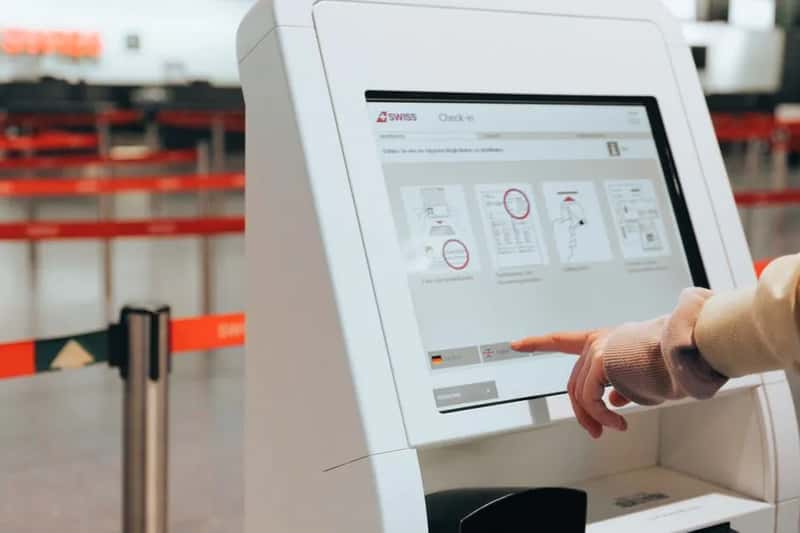
Before leaving, many anxious travelers quietly negotiate a communication plan with a partner, family member, or pet sitter. Psychology Today describes this dynamic clearly, noting that arranging regular phone calls to check in at the end of the day, whether with a partner or a kennel or housesitter, can help lower a traveler’s anxiety threshold[5].
It’s a small negotiation that rarely gets mentioned out loud. Nobody announces “I need you to text me at eight every night,” it just becomes an unspoken understanding folded into the departure routine. The same source cautions that leaning on this too heavily can become its own trap, since constant reassurance can lower a person’s tolerance for uncertainty over time rather than building it.
5. They build in far more travel time than the trip actually requires
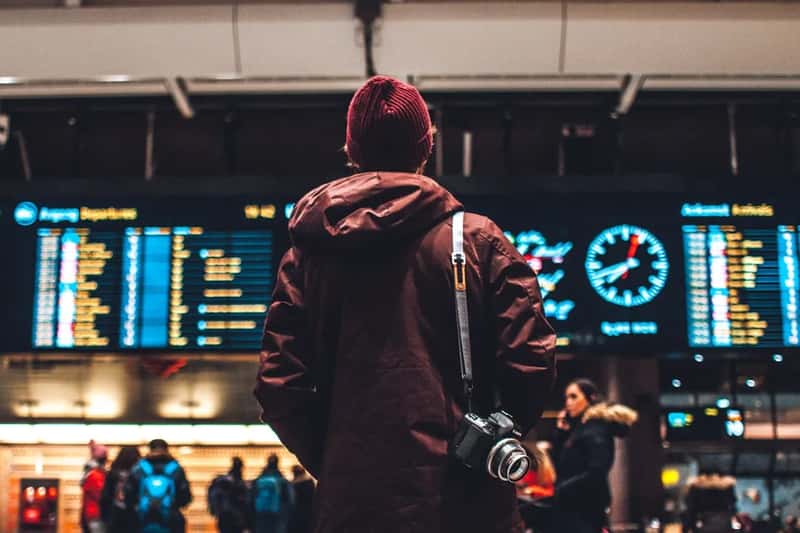
Arriving early is common advice, but anxious travelers tend to take it several steps further than necessary. Reporting on this behavior notes that for many people, showing up hours ahead of schedule isn’t really about being prepared, it’s about control, tied to what psychologists call anticipatory anxiety[6].
Airlines and travel writers increasingly point out that the standard advice has drifted toward extremes, with recommendations to arrive three hours early no matter what, when a smarter baseline for most domestic flights is closer to ninety minutes to two hours[7]. Anxious travelers often know this on some level. They pad the timeline anyway, because the buffer itself, not just the extra minutes, is what makes the departure feel survivable.
6. They research risks that most travelers never think to look up
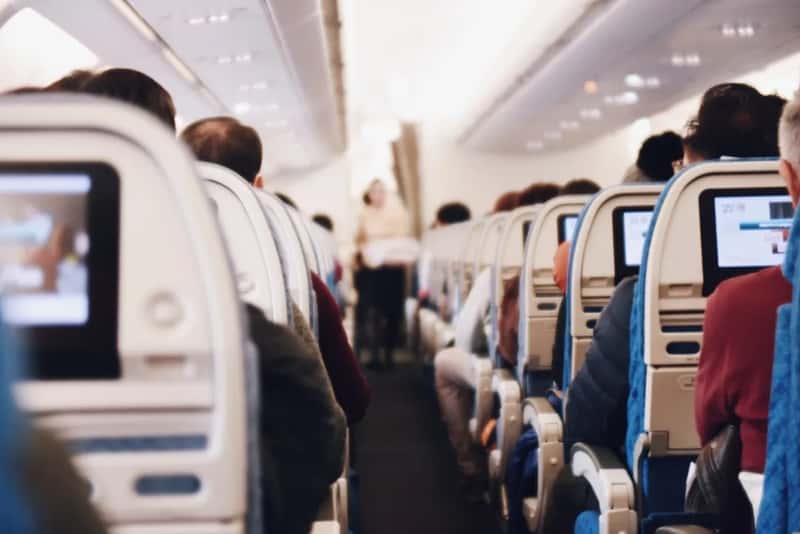
Somewhere in the days before departure, a lot of anxious travelers quietly go looking for information that has nothing to do with restaurants or itineraries. Flight safety records, weather patterns, embassy advisories, none of it gets mentioned at dinner, but it gets read carefully. Survey data backs up just how widespread this concern has become: nearly half of travelers now believe flying is less safe today than it was five years ago, and about two-thirds said they would pay more to book with an airline with a perfect safety record, averaging roughly a fifth more for that peace of mind[8].
That same survey found the anxiety has real behavioral consequences, not just private worry. Roughly one in seven travelers reported having canceled a trip outright because of fear of flying.[8] The quiet research phase before a trip, the tabs left open, the safety statistics skimmed late at night, rarely comes up in conversation. It’s one of the more invisible parts of getting ready to leave, precisely because it happens in private, long before anyone else notices the suitcase by the door.