A beach town can look perfect in photos and still feel underwhelming once you’re standing on the sand. Crowds, litter, seaweed, tired seafronts and high prices all play a part. Review data and surveys from the past couple of years give us a fairly clear picture of where those letdowns happen.
None of the places below are universally bad, and plenty of people have a great time in every one of them. The rankings rely on review analysis and member surveys, which reflect visitor sentiment rather than objective quality. Think of this list as a guide to setting realistic expectations.
Cancún, Mexico
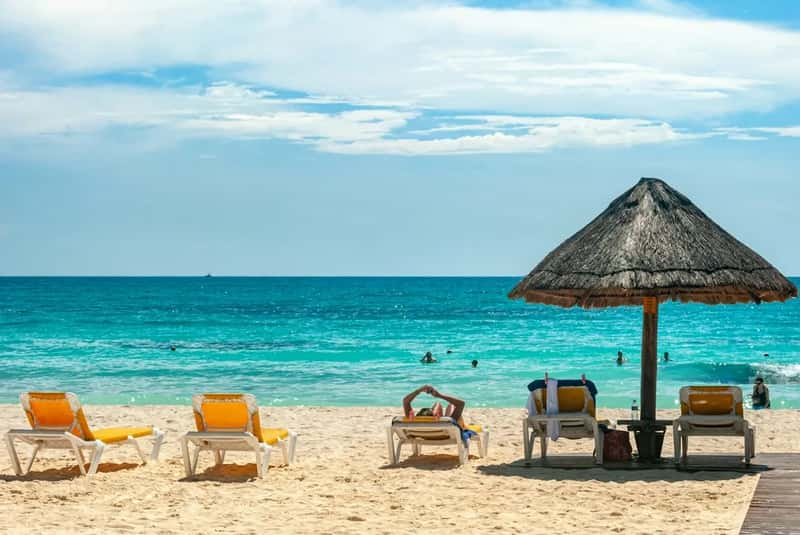
Cancún topped the 2025 ranking of the world’s most disappointing tourist destinations from Radical Storage, which analyzed 97,409 reviews of 100 popular cities.[1] About 14.2 percent of Cancún’s reviews were negative, the highest of any city studied, and two points worse than runner-up Antalya in Turkey.[1] That’s a review study of the whole city, not a verdict on its beaches alone.
Scale may explain part of the frustration. SECTUR data shows more than 9.7 million international arrivals in Cancún in 2024, over double the figure for Mexico City.[2] Visitors who left unhappy pointed to things like inflated prices, scams and aggressive salespeople[2]. Seaweed has made things harder too, as the next entry shows.
Tulum and Playa del Carmen, Mexico

Few things spoil a beach day like a shoreline buried in rotting seaweed. Reuters reported in July 2026 that a record wave of brown, smelly seaweed was washing up along Mexico’s Caribbean coast, forcing closures at top tourist spots and hurting hotels, restaurants and shops.[3] One local operator says Tulum, Playa del Carmen and the Cancún Hotel Zone are seeing the heaviest accumulation.[4]
The problem has been building for a while. In late May 2025, 28 of 100 monitored Quintana Roo beaches were under a red alert for excessive sargassum, with Tulum, Playa del Carmen, Puerto Morelos and eastern Cozumel hit hardest.[5] Seaweed season there generally runs from May to October,[5] so timing your trip matters. Holbox, Isla Mujeres, Costa Mujeres and Mahahual have been the most reliably clear stretches of coast.[4]
Waikīkī, Honolulu, Hawaii

Waikīkī is one of the most famous beaches on earth, which sets a very high bar. A Cloudwards review analysis named it the world’s most complained-about beach, with a complaint score of 100 out of 100 and roughly two thirds of complaints mentioning overcrowding.[6] If you picture a quiet tropical escape, the reality can feel like a busy urban promenade.
Travelers often voice similar frustrations online. One Reddit commenter called Waikīkī overpriced and crowded, with a tiny beach.[7] That’s anecdotal, but it matches the study. The same commenter preferred Waimea Bay in summer and Lanikai or Kailua in winter.[7]
Venice Beach, California
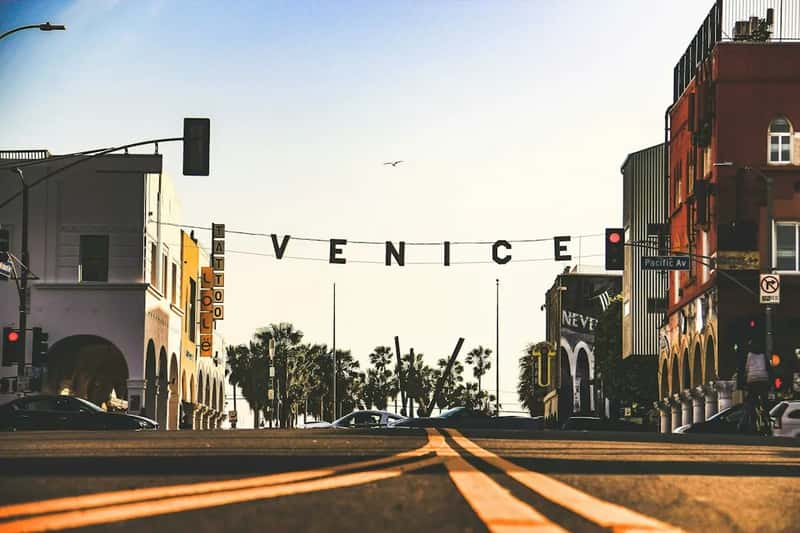
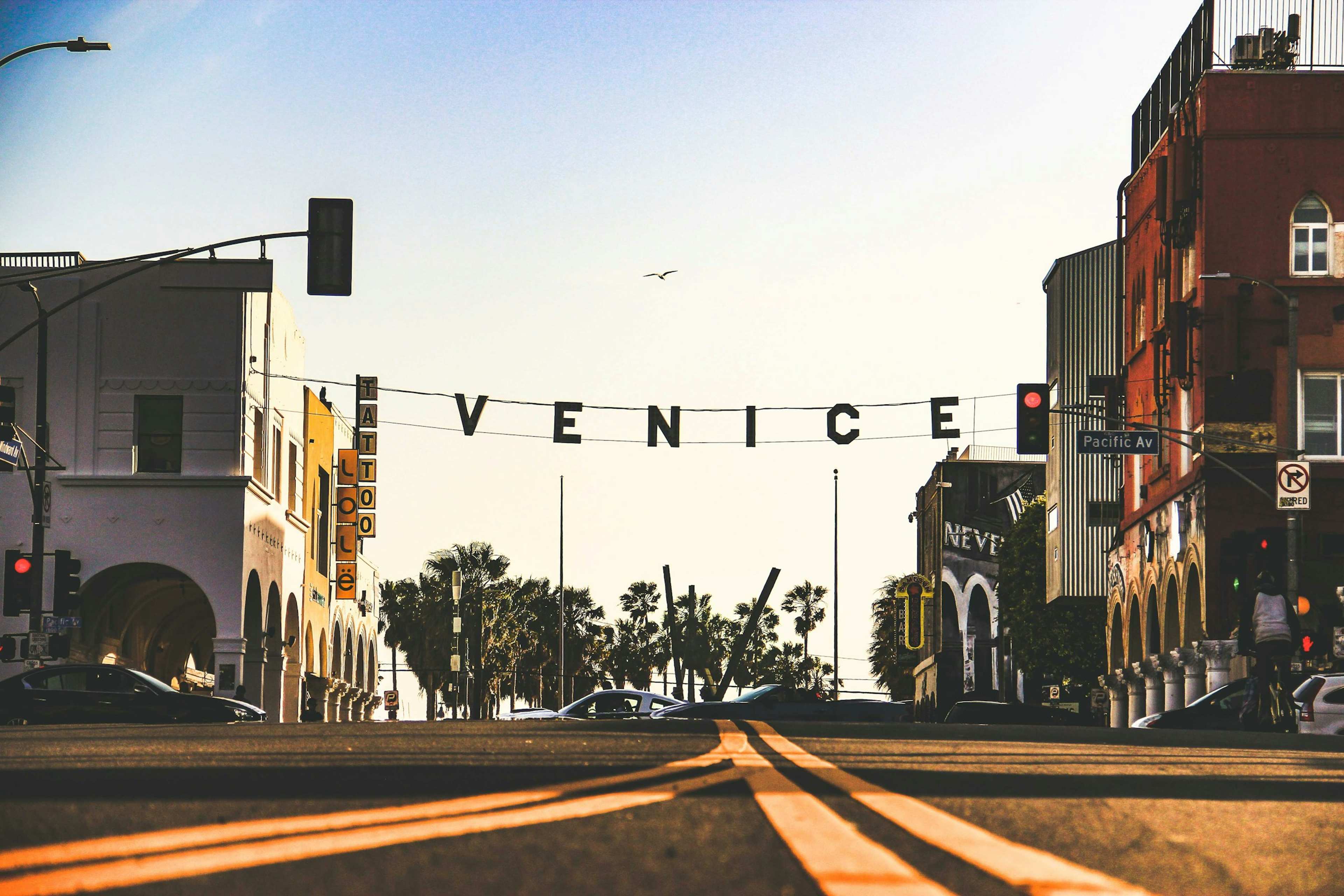
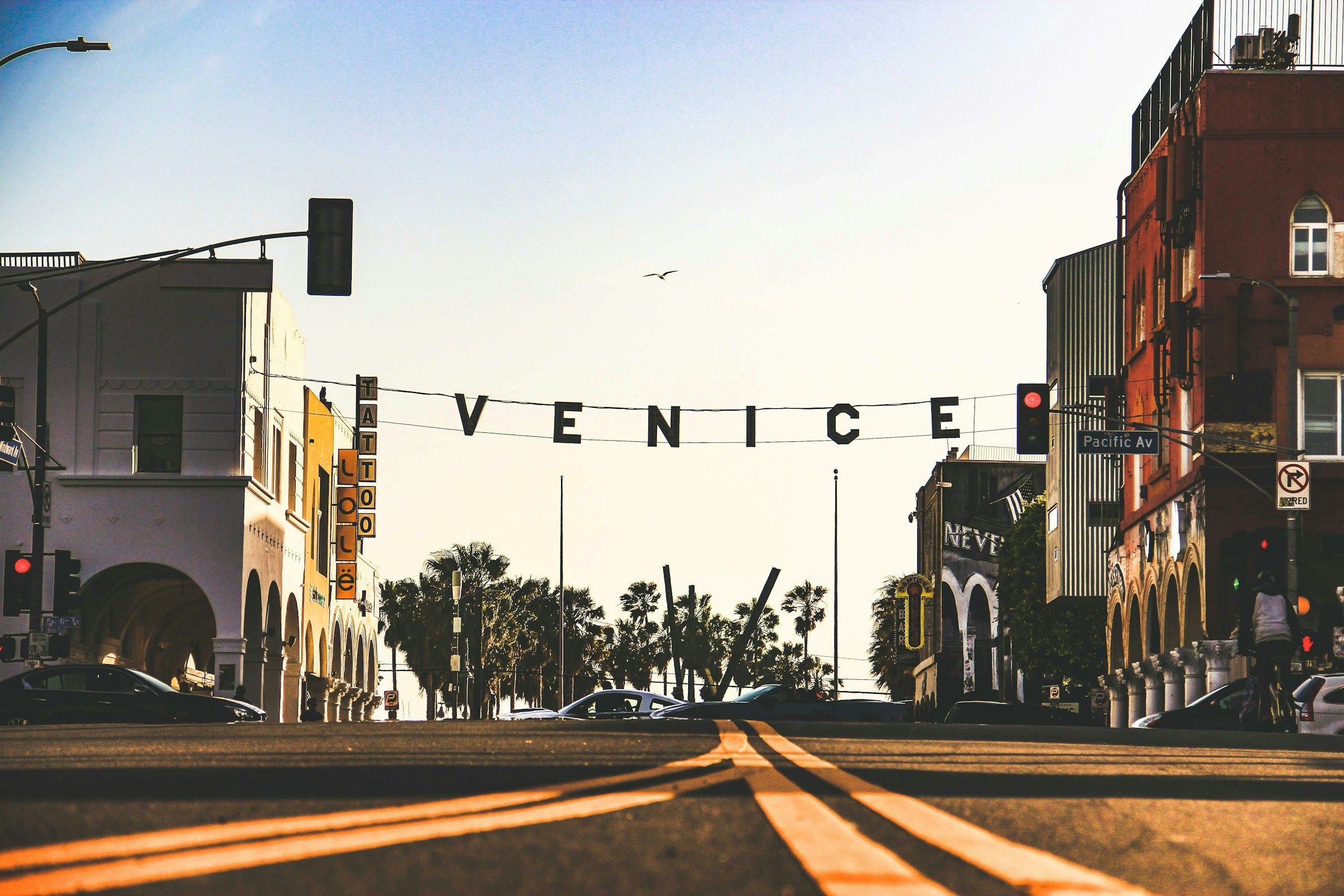
Venice Beach is better known for its boardwalk culture than for a pristine shoreline. Cloudwards scored it 89.7 out of 100 for complaints, second worldwide, and found that about 60 percent of negative reviews cited dirt, litter and unpleasant odors.[6] American beaches also made up half of that study’s ten dirtiest spots.[6]
Visitors expecting a classic California beach day sometimes find something different. One roundup describes a narrow strip of sand competing with constant boardwalk foot traffic and street vendors.[8] Go for the people-watching and the atmosphere, and the place makes more sense. If you want calm water and a spotless shore, you may want to look elsewhere along the coast.
Clearwater Beach, Florida
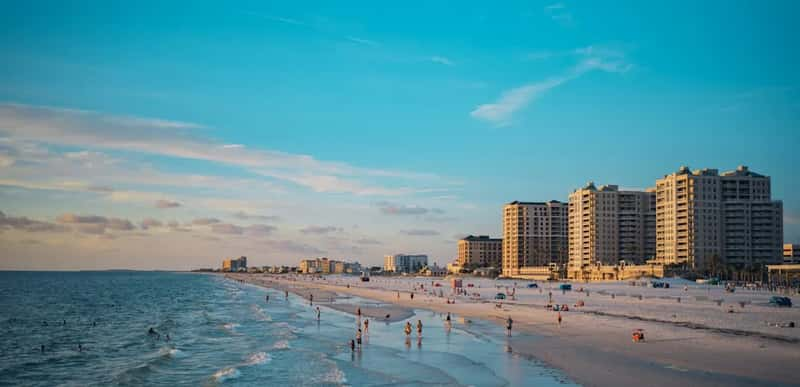
Clearwater Beach has long been a favorite on Florida’s Gulf Coast, and it still draws big crowds. In the Cloudwards analysis it ranked fourth overall, with overcrowding by far the biggest complaint.[9] Popularity is part of the problem, and that shows in the reviews.
Traffic comes up often in traveler commentary. One Reddit user said the area has been built up so much that there’s hardly any beach left, and that traffic can eat two hours of beach time.[7] That’s one person’s view rather than a measured study. Still, it fits the pattern of crowd-driven disappointment in the research.
Bangor, Wales
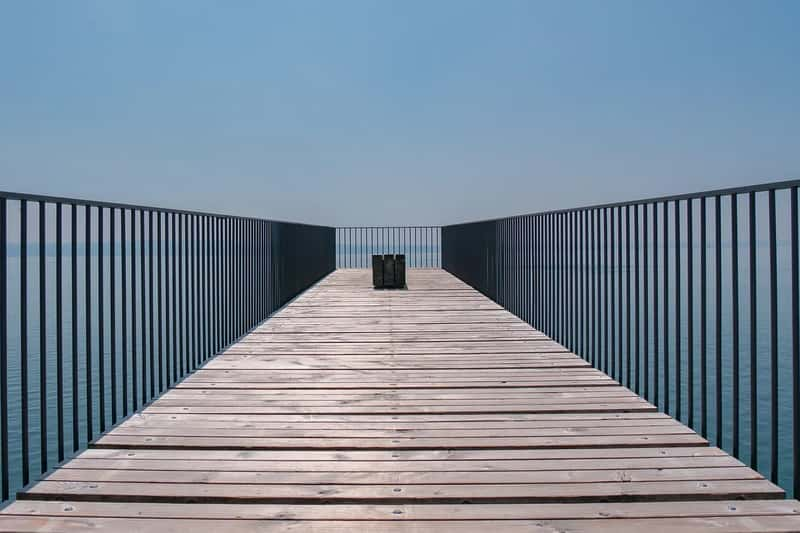
Bangor doesn’t have the beach-resort glamour of the other places here, and Which? readers noticed. In a 2025 survey of more than 5,000 members, the Welsh town scored just 42 percent overall and received one star each for food and drink, tourist attractions and shopping.[10] Respondents described it as drab and run down.[10]
There was a silver lining. Bangor was still seen as a good base for exploring the fabulous scenery and coast of North Wales.[10] Time Out also pushed back, naming Bangor’s Garth Pier among the best places to visit in North Wales.[10] The lesson is that the town may work better as a stopover than as a holiday in itself.
Mablethorpe, England
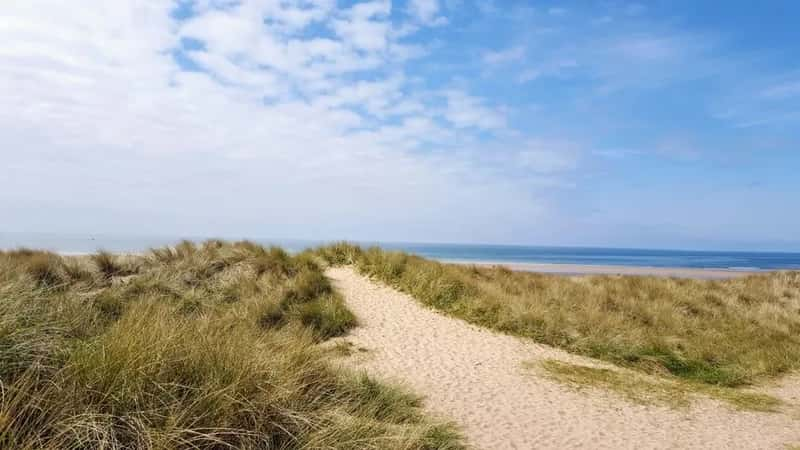
Mablethorpe in Lincolnshire sits near the bottom of the same Which? ranking. It was the second-lowest rated town, with 46 percent overall and one star each for scenery, tourist attractions and food and drink.[10] That’s a rough scorecard for a place that’s meant to be a traditional seaside break.
The beach itself held up better. Mablethorpe earned a solid three stars for its beaches.[10] Great Yarmouth, Blackpool, Clacton-on-Sea, Skegness, Bognor Regis and Southend were also among the lowest-rated resorts.[10] By comparison, Bamburgh in Northumberland took the top spot.[10] The gap shows how much visitors value scenery, food and things to do alongside sand.
Taken together, these towns show that disappointment usually comes from a gap between the postcard and the reality. Crowds, cleanliness, seaweed and run-down seafronts are the common causes, and most of them depend on timing and expectations. All of this evidence comes from reviews and surveys, so it shows how visitors felt rather than a final verdict on any place.
If one of these spots is on your list, you don’t have to cross it off. Check the seaweed season, avoid peak crowds, and pick the right stretch of coast. A little research beforehand can turn a letdown into a decent trip.