Most people who visit Mexico City, Bogotá or Rio come home with nothing worse than a sunburn and a few good stories. One Mexico City guide notes that the vast majority of visitors have no trouble, because the scams follow predictable patterns that are easy to recognise once you have been briefed.[1] That predictability is the useful part.
A travel scam database has found a pattern in the region too. It reports that six of the eight cities on its high severity list are in Latin America, owing to cash dependent informal economies, unregulated taxi sectors and organised criminal groups.[2] The seven scams below come from government advisories, news reports and travel safety guides, and each one has a practical fix.
Street Taxis and Express Kidnapping in Mexico City

The scheme is known locally as secuestro exprés. You hail an unlicensed street taxi, another person gets in or appears, and you are driven to an ATM and forced to withdraw cash.[1] One 2026 guide says the risk is highest for evening flags in Centro Histórico and kerbside touts at the airport.[3]
The usual advice is simple: use only Uber, DiDi, or official Sitio taxi stands at hotels.[1] At the airport, only prepaid taxis from the official booths inside the terminal are considered safe.[4] The same guide describes the risk as essentially eliminated for Uber and DiDi users[3], which is one reason ride apps have become the default for many visitors.
Fake Police Officers Who Want to Inspect Your Wallet
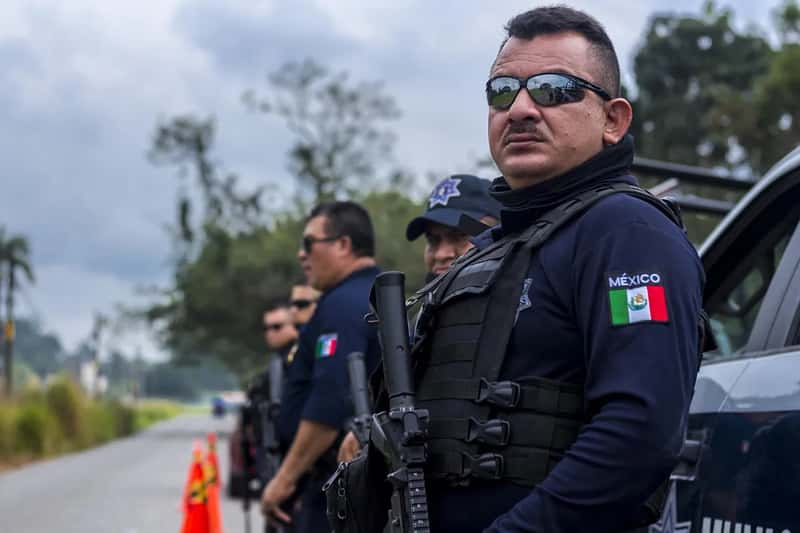
Mexico City’s most common scams include fake plainclothes police demanding a wallet inspection.[1] The pitch is usually calm and official. Someone shows a badge, hints at counterfeit money or drugs, and asks to look through your cash.
Peru is not immune either. Official advisories there warn about fake taxi drivers, impostor police and volunteer or rental scams.[5] A sensible response is to stay in a public place and ask to see identification. Then call your hotel or your embassy before handing anything over, because a genuine officer won’t object to that.
Dating App Setups and Drugging in Bogotá and Medellín

This is the most serious entry on the list. Canada’s travel advice explains that criminals use dating apps to find foreigners travelling alone. Victims often attend several dates with the same person in public places, and once trust is established they are drugged with scopolamine or another incapacitating drug and robbed.[6] The advice adds that drugging of victims has led to overdose and death.[6]
The numbers are hard to pin down. Bogotá’s security department recorded 161 robberies involving scopolamine in the first eight months of 2024[7], though how often visitors are drugged after dating app meetings cannot be measured from public data.[7] A US embassy alert advised travelers to meet strangers only in public places and tell friends or family who they are meeting, including the name of the app.[8] Never leave a drink unattended, and be wary of anyone who pushes to move the night to your hotel room.
Rigged Card Machines on Rio’s Beaches
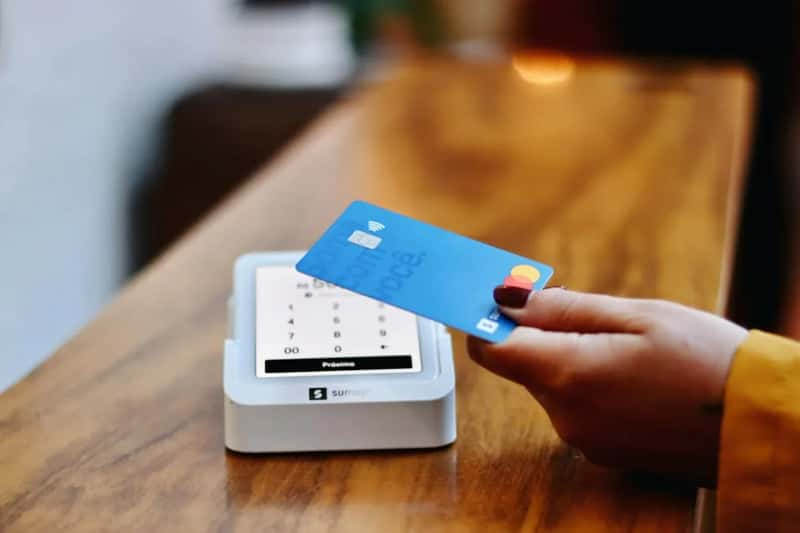
Beach vendors in Rio sometimes carry a payment terminal that has been tampered with. Earlier this year, police arrested a man who allegedly used a tampered machine to charge a British visitor 10,000 reais for a kebab that should have cost 10.[9] Authorities say it was not a one off, and that visitors from Argentina, Britain and the Czech Republic have fallen for similar schemes involving rigged machines across Copacabana, Ipanema and Arpoador.[9]
Fodor’s describes the same trick, noting that some international cards don’t require a password, so the tourist only realizes the much higher charge later.[10] Carry some cash for small beach purchases. If you do pay by card, watch the amount on the screen before you tap, and check your banking app straight away.
Fake Taxis at Santiago’s Airport
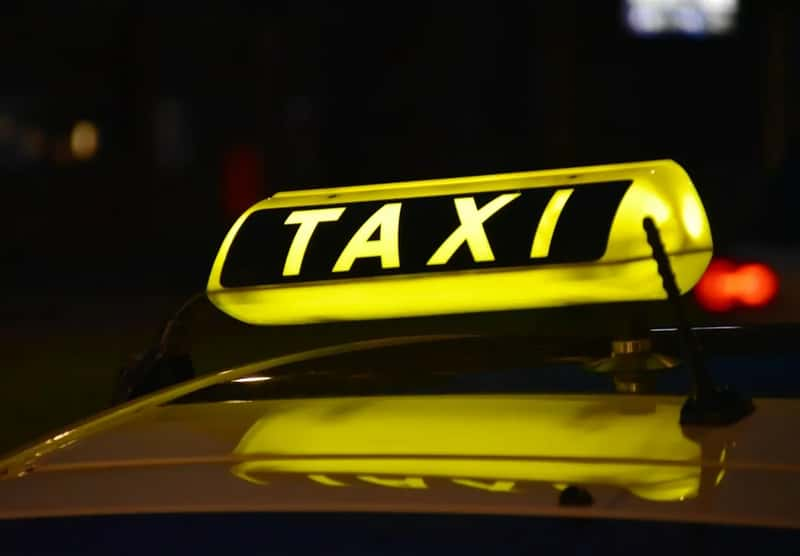
Chile is often ranked among South America’s safer countries, yet Santiago has been drawing more caution lately. One 2026 travel guide reports that the US State Department suggests exercising increased caution in the city because of more muggings, assaults and carjackings.[11] The same guide flags fake, unofficial taxis whose drivers may try to steal from tourists.[11]
The usual trick is a friendly driver who approaches you in the arrivals hall and claims to work for an official company. The guide recommends using official taxis, which have desks at the airport in Santiago[11], or a local company booked in advance. Another 2026 guide gives a broader rule for the continent: use ride apps instead of street taxis.[12]
Too Good to Be True Tour Deals in Cusco and Beyond
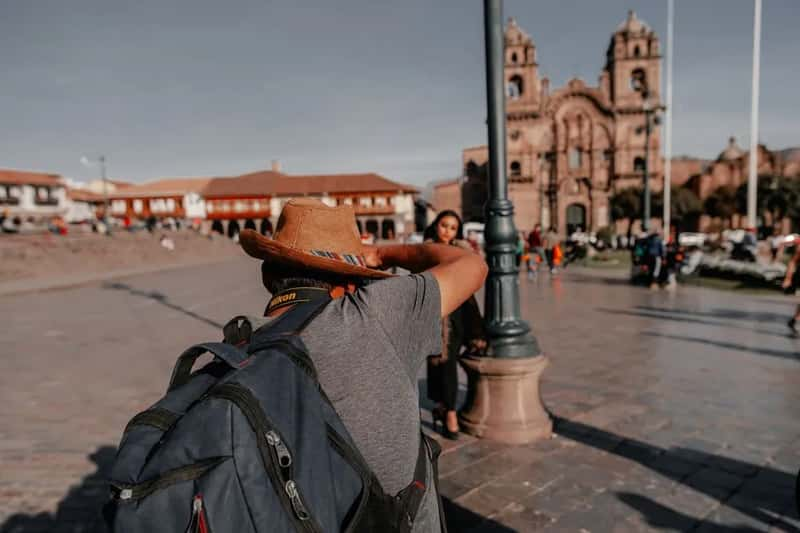
Bargain tours are a recurring problem around Machu Picchu, the Amazon and Patagonia. A 2025 scam overview describes slick websites with partner logos, fake reviews and unreal prices, where you pay everything upfront and the operator then disappears or changes the terms.[13] Cusco, Lima and Arequipa also see opportunistic crime such as pickpocketing in busy tourist areas[14], so crowded plazas call for care as well.
The defence is dull but effective. Book with licensed agencies or official associations, and check business registration and independent reviews.[13] If a price looks far below what everyone else charges, there is usually a reason, and paying by credit card gives you more recourse than a bank transfer.
Fake Government Websites and Visitor Tax Portals
Not every scam happens on the street. Travel advisers have warned about fake Visitax websites for Quintana Roo, which covers Cancún, Playa del Carmen and Tulum, along with fraudulent visa portals.[13] The clone sites copy the official design, so the only real giveaway is the web address.
The guidance is to verify the exact domain of the government website, never pay through ad links, and keep your payment receipt or QR code.[13] Type the address yourself or follow a link from an official tourism page. The same overview also flags fake Wi‑Fi networks in airports and hotels that are set up to steal data, so avoid entering card details on public connections.