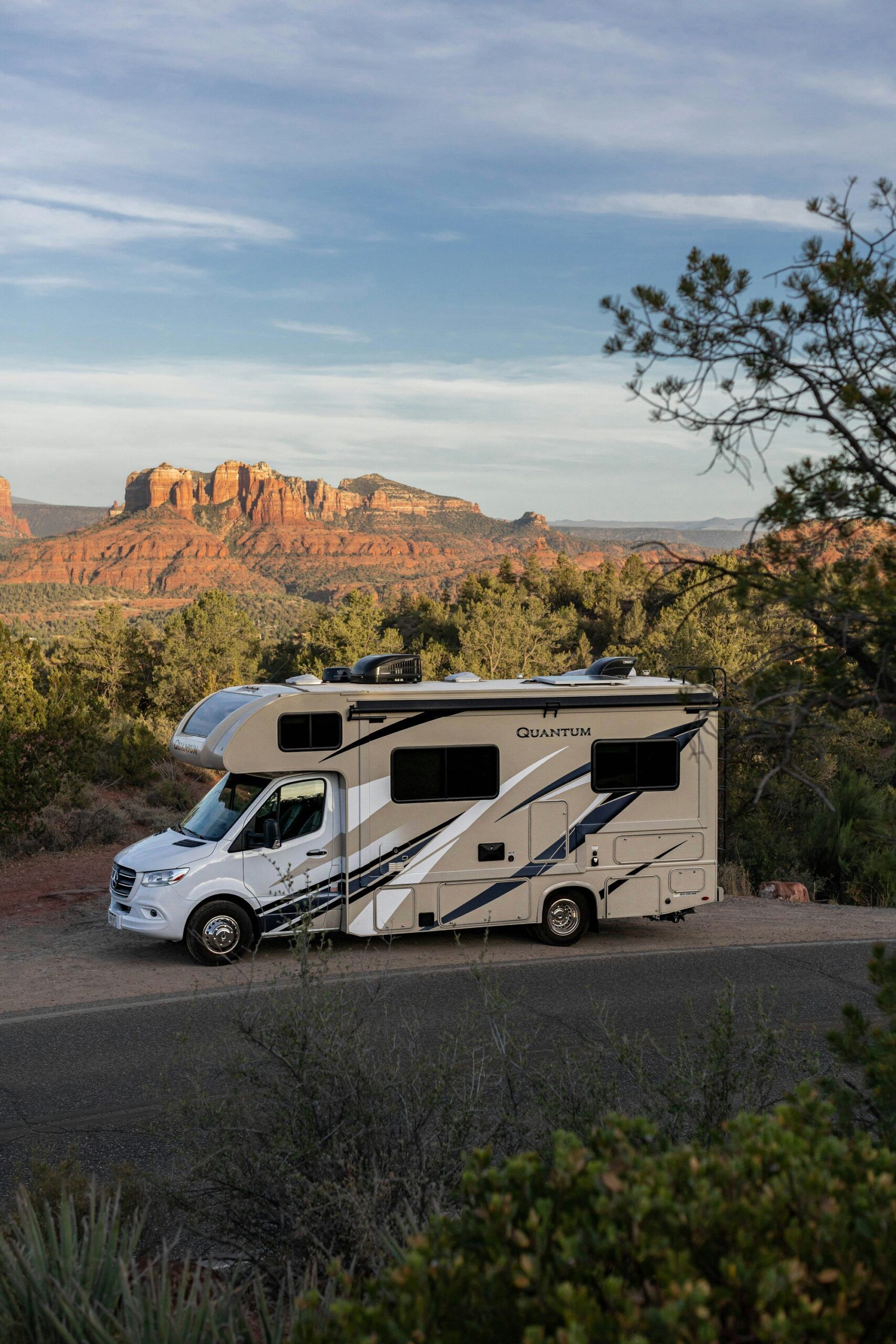
Anyone who has spent a few seasons on the road knows that RV travel rewards routine. The travelers who seem the most relaxed at a campsite aren’t lucky, they’ve just built small nightly habits that quietly prevent bigger problems. These aren’t flashy tricks or expensive gadgets, just practical steps repeated so often they become second nature.
What’s interesting is how consistent these habits are across different types of RVers, whether they’re boondocking in the desert or parked at a full-service resort. The following seven habits show up again and again among people who’ve logged thousands of miles, and each one solves a specific problem that newer travelers often learn the hard way.
1. Scouting the Parking Spot Before Committing
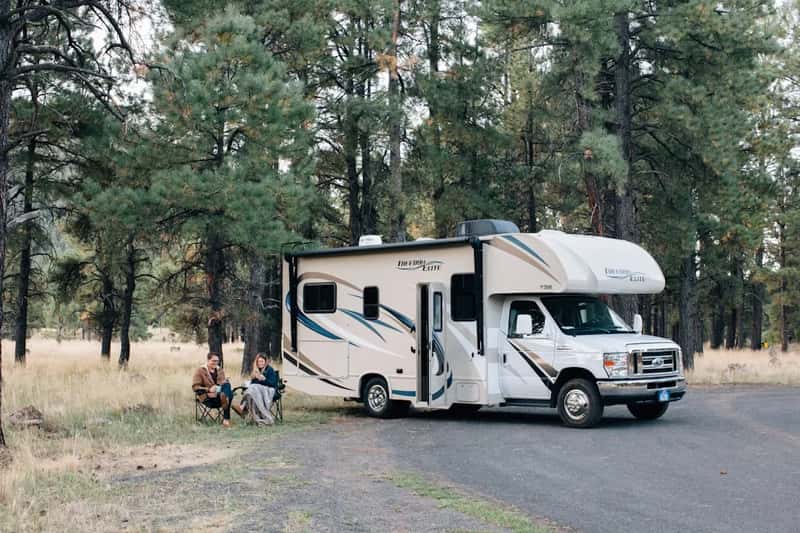
Experienced RVers rarely pull into a spot just because it looks open. They check reviews first, whether through apps or online travel groups, looking specifically for mentions of break-ins or safety concerns. Reading through campground or overnight parking reviews helps confirm no one has noted attempted break-ins or other issues, and online travel groups are useful for recommendations on safe places to park.[1]
This isn’t paranoia, it’s pattern recognition built from experience. A spot that looks fine in daylight can feel very different at 2 a.m., so veterans lean on other travelers’ documented experiences rather than gut instinct alone. It takes an extra five minutes of research, but it often saves a night of unease or worse.
2. Parking With Lighting and Visibility in Mind
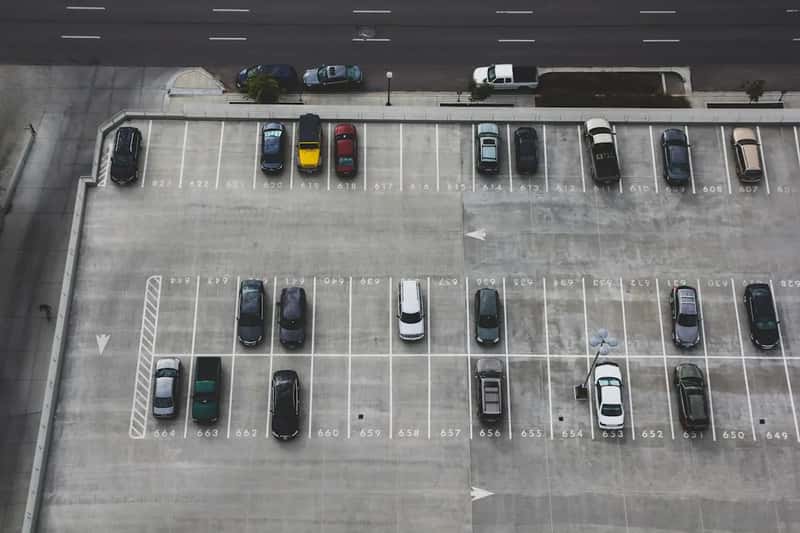
Once a general area is chosen, seasoned travelers get specific about where exactly they park within it. Many make a habit of parking in a lighted area, staying conscious of their surroundings, locking doors, and closing blinds before turning on any lights inside.[1] The reasoning is straightforward: a well-lit, visible spot discourages the kind of opportunistic issues that thrive in dark, isolated corners.
Closing blinds before switching on lights might sound like overkill, but it prevents anyone outside from having a clear view of the rig’s interior. Avoiding remote or unmonitored locations and choosing spots with sufficient lighting are both commonly cited as ways to deter potential intruders.[2] It’s a small sequence of actions, but it becomes automatic after a few trips.
3. Running a Quick Mechanical and Safety Check
Before settling in, many experienced travelers walk through a short mental checklist covering the RV’s physical condition. A well-maintained RV is considered a safer RV, and before settling in for the night, travelers are advised to check brakes and tires, especially on an incline, and monitor propane and electrical systems since leaks or faulty wiring can pose hazards.[2]
This habit takes only a few minutes but catches issues before they turn into overnight emergencies. Loose compartments get the same attention, since securing storage compartments properly prevents items from falling or shifting overnight.[2] Skipping this step rarely causes problems immediately, but veterans know it’s the nights they skip it when something inevitably goes wrong.
4. Keeping Essential Items Within Arm’s Reach

There’s a particular kind of habit that only develops after a scare, and keeping the key fob nearby is one of them. If the RV has a wireless remote key fob, experienced travelers keep it nearby when camped, since one buried in a bag across the rig is essentially useless in an emergency.[3]
The same logic extends to phones, flashlights, and sometimes a basic first aid kit. Keeping a phone and other safety items nearby is a habit many solo travelers in particular rely on.[1] It’s less about expecting disaster and more about not wasting precious seconds fumbling in the dark if something does happen.
5. Sticking to a Personal Security Routine
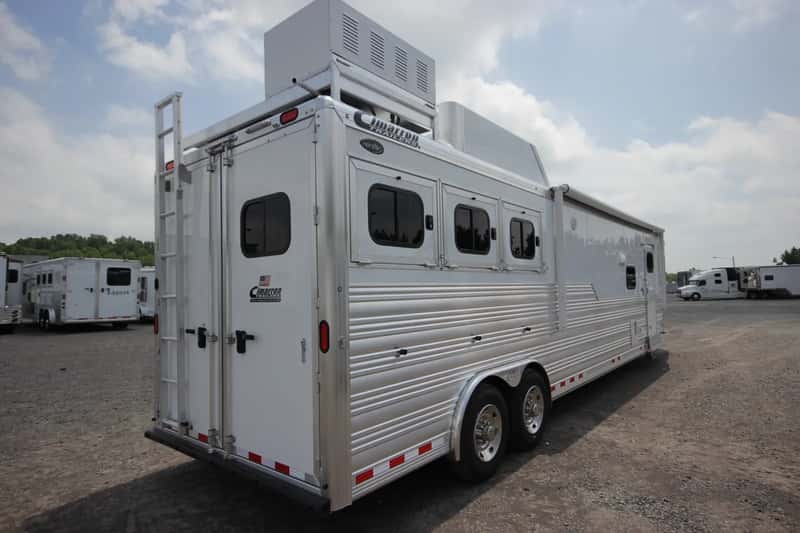
Beyond just locking doors, many long-time RVers build a fuller nightly security ritual. Common steps include locking up valuables, locking doors and windows, closing window shades, and in some cases installing security cameras or motion-sensor lighting.[4] Some even use warning stickers about surveillance as a simple deterrent.
These aren’t signs of excessive worry, they’re low-effort habits that add real friction for anyone with bad intentions. Full-time travelers often note that their greatest overnight concern tends to be wildlife rather than people, especially at campgrounds where there’s often some security presence and a strong, helpful RVer community nearby.[4] Still, the routine costs almost nothing and provides peace of mind either way.
6. Respecting Quiet Hours and Site Etiquette
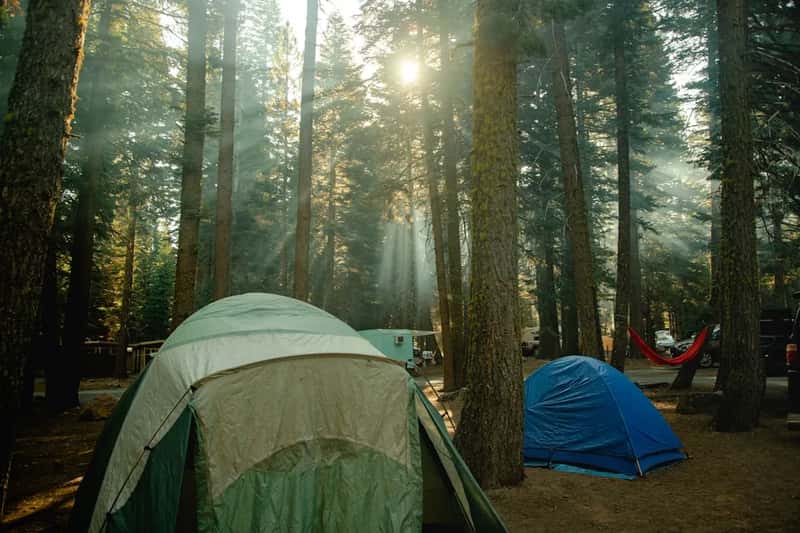
Veteran travelers tend to be sticklers about quiet hours, not because they’re rule-followers by nature, but because they understand campground culture. Many campgrounds enforce quiet hours between 10 PM and 7 AM,[2] and ignoring that norm is one of the fastest ways to create friction with neighbors or campground staff.
This habit also includes things like dimming exterior lights, keeping generators off during posted hours, and being mindful of pets. It sounds like a small courtesy, but it’s one of the clearest markers separating someone who’s done this a hundred times from someone on their first trip. Campgrounds remember repeat offenders, and word travels fast in tight-knit RV communities.
7. Preparing for a Smooth, Fast Departure
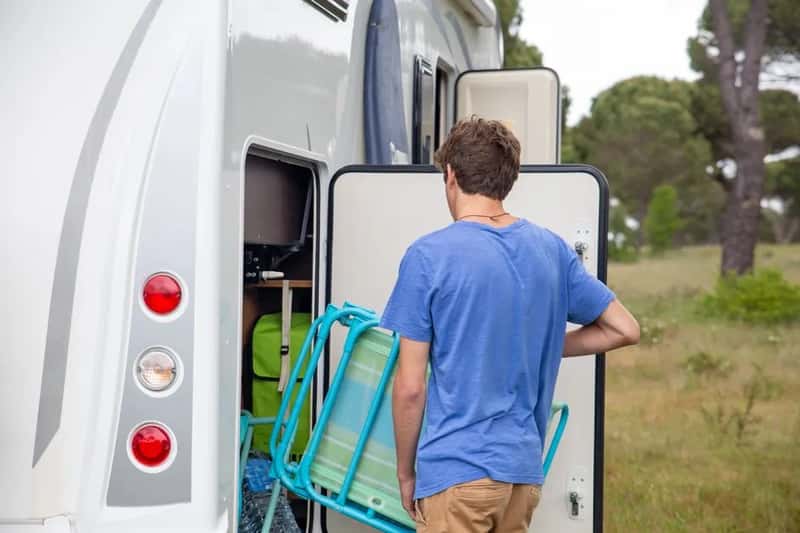
The final habit happens right before bed rather than in the morning: getting everything ready for a quick and calm exit if needed. This means knowing exactly where chocks, leveling blocks, and hookup cables are stored, since fumbling for gear at 6 a.m. or during an unexpected nighttime departure wastes valuable time.
The most experienced travelers prioritize gear that prevents the most common problems first, including power protection, water pressure control, sewer gear, chocks, leveling gear, and tire safety basics.[5] Having these items organized and accessible isn’t just about convenience, it’s about being able to leave a site quickly if weather, safety, or mechanical issues demand it. This habit, more than any other, reflects the quiet preparedness that separates a relaxed RV trip from a stressful one.
None of these habits are complicated or expensive, and that’s largely the point. They’re small, repeatable actions that experienced travelers have refined over years of trial and error, each one addressing a specific risk that seems minor until it isn’t. For anyone newer to RV life, adopting even a few of these routines can make overnight stays feel noticeably more secure and far less stressful.