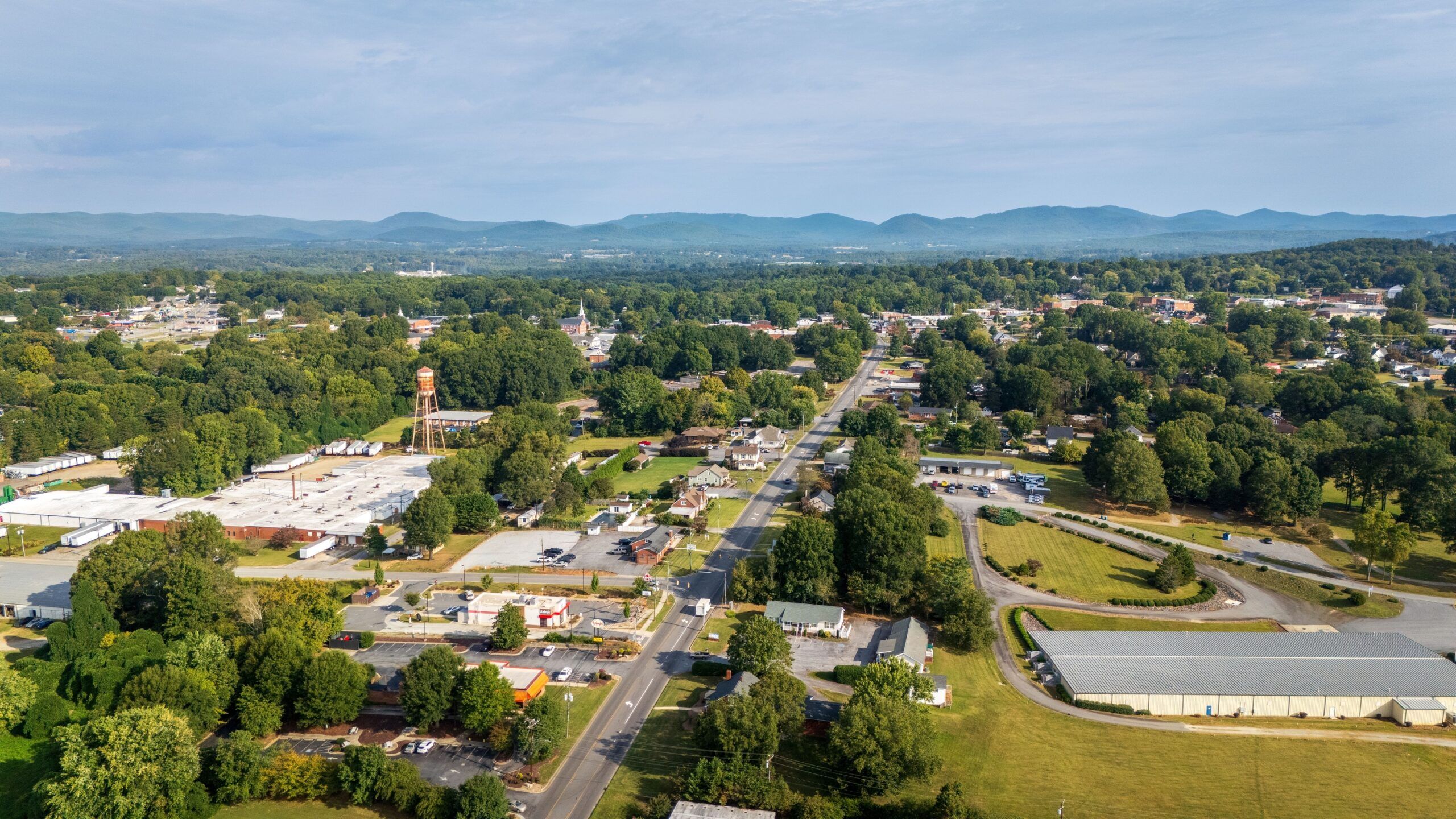
Retirement math looks different in 2026. Redfin put the median U.S. home value at $398,596 in August 2026[1], and the average retired worker benefit from Social Security is $2,071 a month this year[1]. Those two numbers explain why so many people are looking at smaller places.
The South has long drawn them, and not only because of the weather. Each of the eight towns below has its own rhythm, price range, and trade offs. I’ve kept the details tied to published figures wherever they exist, and I’ve said so where the numbers run thin.
Aiken, South Carolina
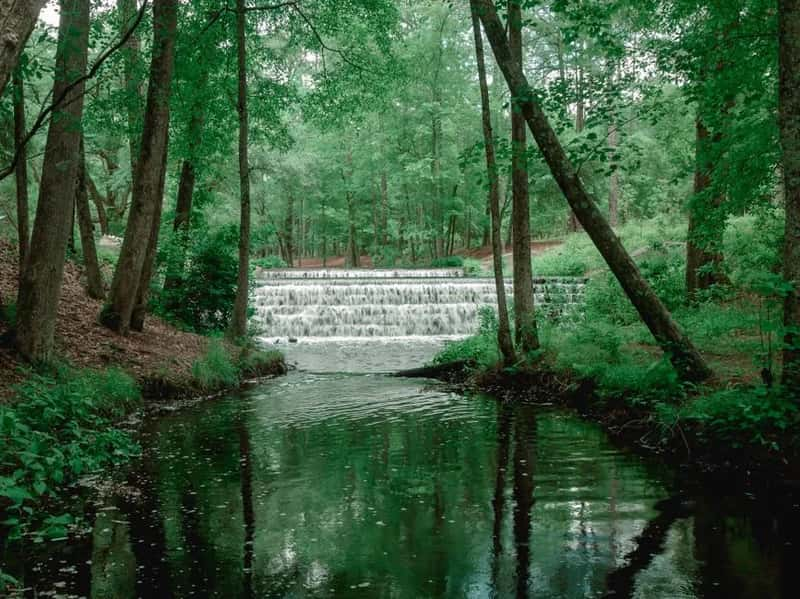
Aiken is less than an hour from Augusta, with equestrian roots and older residential blocks.[2] Roughly 32,000 residents live here, and the town moves at a gentle pace.[3] Walking is the point of the place, since the downtown is built for strolling rather than hurrying[4].
Green space is the other draw. Hitchcock Woods covers 2,100 acres and has free admission, open dawn to dusk daily.[5] Hopelands Gardens is a 14 acre estate that opened to the public in 1970.[6] Healthcare is local too, with Aiken Regional Medical Center in town[3], and housing data puts the typical sale price near $320,000[2].
Ocean Springs, Mississippi

Ocean Springs sits on Biloxi Bay and has roughly 18,000 residents, a tree lined main street, and an active arts scene[7]. The Washington Avenue corridor includes the Walter Anderson Museum of Art.[8] The Davis Bayou Area of Gulf Islands National Seashore is close by[8] for anyone who’d rather be outdoors.
The money side is reasonable for a coastal town. Average home values sit near $287,000, and the cost of living runs roughly one eighth under the national average.[8] A 153 bed hospital, Memorial Hospital of Biloxi, is within seven miles.[8] One caution: flood and storm exposure can vary a lot from one property to the next[9], so it pays to check before you buy.
Dahlonega, Georgia
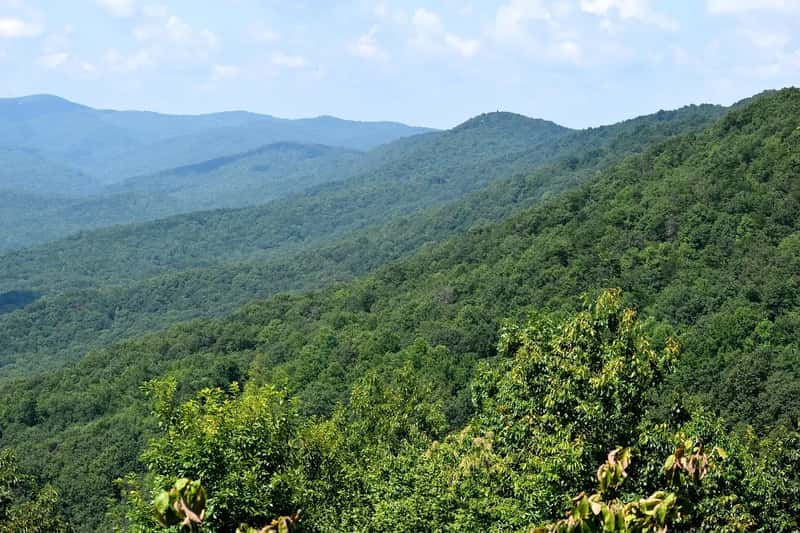
Dahlonega is a town of around 7,000 residents in the Blue Ridge Mountains, popular with retirees who want scenery and a lively town square.[10] The square matters more than it sounds. Small restaurants, antique shops, and cafes downtown turn into meeting places for retirees.[11]
WorldAtlas has featured Dahlonega on more than one retirement list, describing an easy rhythm, scenic beauty, and a small town that still feels golden[11]. Published rankings here lean on charm more than hard cost data. If you’re seriously considering it, check current housing prices and visit in more than one season before you decide.
Hendersonville, North Carolina
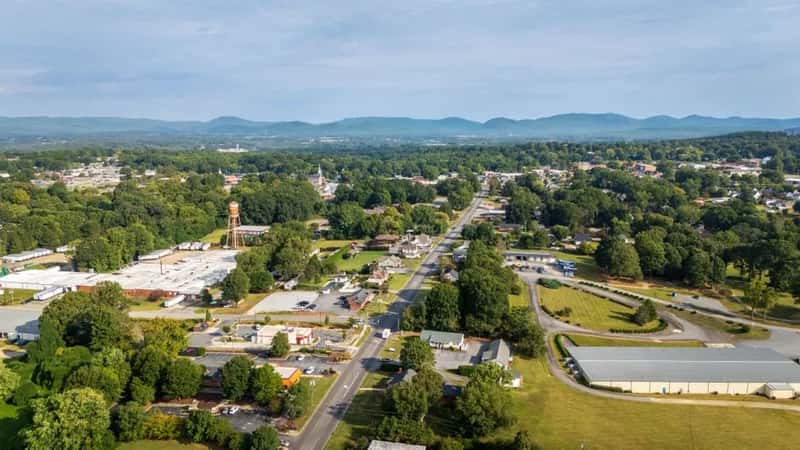
Hendersonville is one of the North Carolina mountain towns Kiplinger recommends. It named Hendersonville, Weaverville, Black Mountain, and Brevard as charming and affordable.[12] The state also scores well. One 2026 ranking placed North Carolina fourth overall among the best states to retire.[12]
Affordable is relative here, though. As of early 2026, Realtor.com listed Hendersonville’s median listing price at about $498,750.[10] That’s higher than the national median home value Redfin reported for August. Budget carefully, and think of it as a mountain town where you pay for the setting.
Oxford, Mississippi
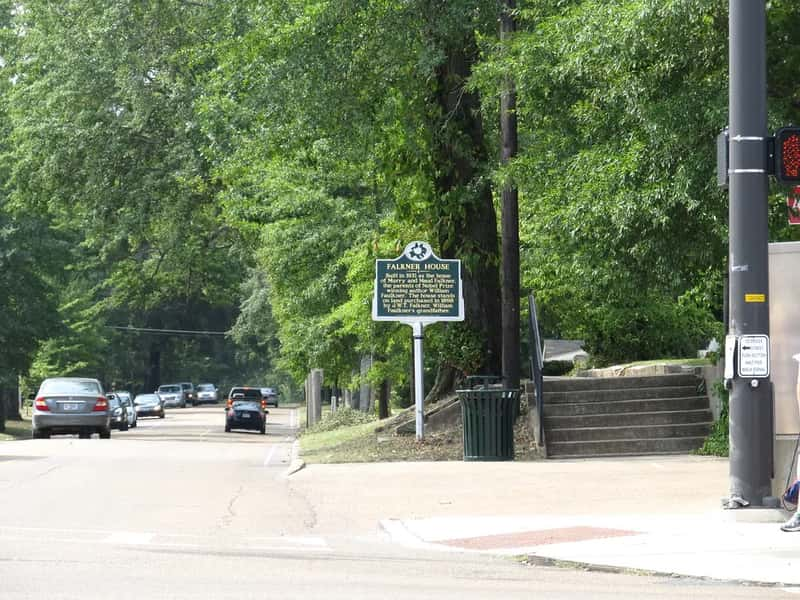
Oxford is a literary town, and it shows. Rowan Oak, William Faulkner’s former home, is within walking distance of the square.[10] Some say the independent bookstore Square Books and its family of stores are the town’s heartbeat.[10] The University of Mississippi is based here too, which gives the town a steady supply of lectures, games, and events.
The tax picture is friendly. Mississippi has a top income tax rate of 4.4 percent, doesn’t tax Social Security, and exempts 401(k) and IRA income.[13] There’s no state estate or inheritance tax either.[13] I couldn’t find reliable 2026 housing figures for Oxford specifically, so check local listings before you plan around a price.
Pinehurst, North Carolina

Pinehurst has an unusual distinction. GOBankingRates’ second annual list of America’s 50 safest and wealthiest retirement towns ranked it number one.[14] The list looks at towns where at least one fifth of residents are 65 or older.[14] The town is known for golf, pleasant weather, an equestrian community, and outdoor opportunities.[14]
Golf is the backbone. Donald Ross designed a challenging course at the Pinehurst Resort.[14] Major championships can bring more than 250,000 visitors to the small town.[14] The wealthiest label suggests this isn’t the cheapest place on the list, so expect to pay for the polish.
Foley, Alabama
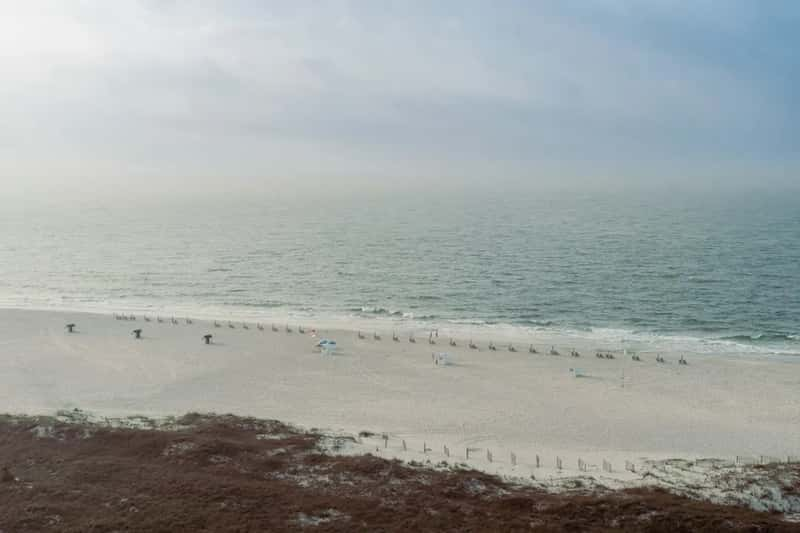
Foley sits near Alabama’s Gulf Coast and gives you the beach without the congestion of major beach cities.[11] Median home prices are close to the state average, and the town offers access to quality medical care and year round recreation.[11] Retirees enjoy parks, golf courses, and nearby beaches.[11]
Bigger hospitals aren’t far. Residents are close to major hospitals in Mobile and Pensacola.[11] The tax side helps as well, since Alabama doesn’t tax Social Security benefits[15]. Foley also made the GOBankingRates safest and wealthiest retirement towns list.[14]
Greenwood, South Carolina
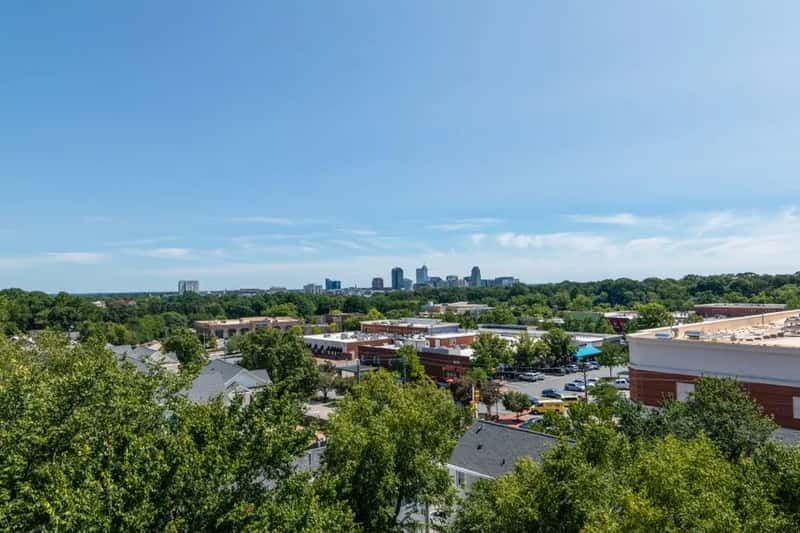
Greenwood is the budget friendly pick here. It lists average rent at $950 and an average home price of $192,624.[1] The town combines small town Southern charm with slow living near the lake that shares its name.[1] Compared with that national median of nearly $400,000, the gap is hard to miss.
Downtown is part of the appeal. Restaurants, boutiques, and community events sit within a walkable area that encourages active living.[1] The state tax rules are easy to like as well. Many South Carolina small towns offer affordable housing, lower property taxes, and no state tax on Social Security benefits.[16]