Most people budget for gas, hotels, and a few good meals before a border trip. The smaller charges tend to show up later, sometimes at a booth, sometimes on a card statement a few weeks after you’re home. None of them is huge on its own, but together they can change what a trip costs.
Mexico and Canada also work very differently for American drivers. One has permits, deposits, and mandatory insurance, while the other has mostly tolls that vary by bridge. Here are eight charges worth knowing about before you point the car north or south.
The Mexican Tourist Permit (FMM) Fee
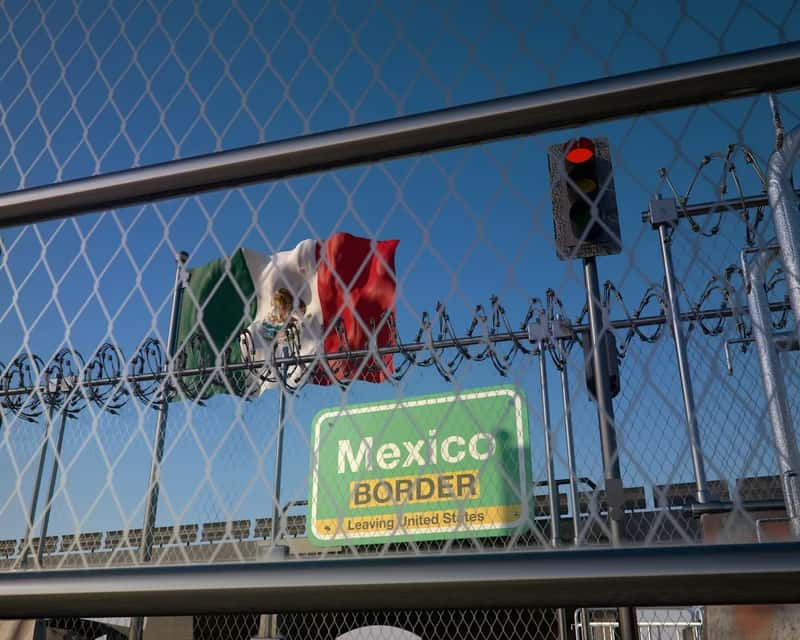
Entering Mexico by land usually means getting a tourist permit called the FMM. The immigration authority sets the fee each January, and the 2026 amount is 983 pesos, roughly 54 U.S. dollars.[1] That fee is paid at the border by land travelers, since those entering by land or sea pay at the immigration office at the port of entry, or online if they buy it there.[1]
Short trips can cost nothing. For stays of seven days or less, the FMM is free.[1] You still have to stop and complete the paperwork, though, and it must be stamped at the border, because land travelers can no longer get one at immigration stations farther south.[2]
The Vehicle Import Permit Fee
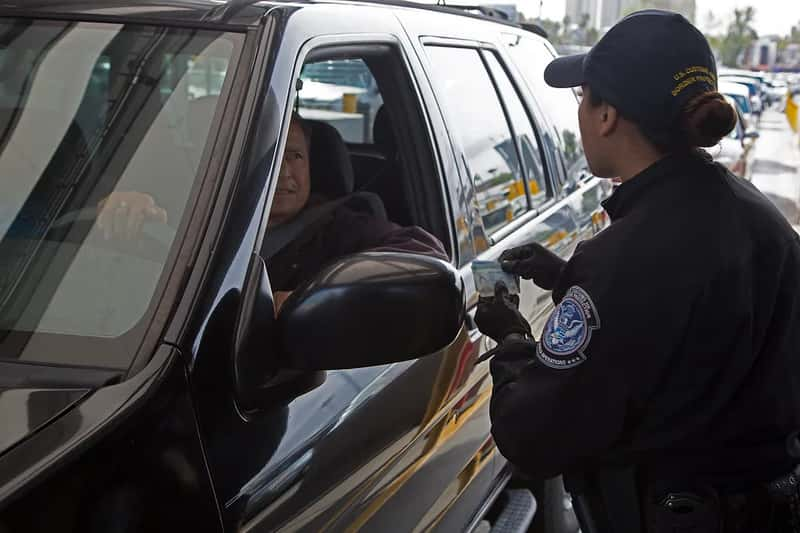
Driving past the border free zones means you need a Temporary Vehicle Import Permit, usually called a TIP. The fee is about 51 dollars including tax at the border, or about 45 dollars if you process it online.[3] The permit can only be obtained through Banjercito, Mexico’s government agency for this purpose.[3]
Not every trip needs one. Baja, the Sonora Free Zone, and Quintana Roo are exempt.[4] If you’re applying ahead, Banjercito accepts online applications between 7 and 60 days before your trip[5], and its online permit moved to a new system in 2026.[6] Check the current portal rather than relying on older instructions.
The Refundable Vehicle Deposit
The permit fee is only half of the TIP cost. Banjercito also holds a deposit that depends on the vehicle’s model year, roughly 400 dollars for older vehicles, 300 for mid age, and 200 for newer ones.[7] It’s technically refundable, yet it still ties up money on your card for the whole trip.
The catch is the cancellation step. If you don’t cancel your TIP at a Banjercito office when leaving Mexico, you forfeit the deposit and the vehicle is flagged in their system.[6] Paying with a credit card in the vehicle owner’s name keeps the refund more straightforward.[7]
Mandatory Mexican Auto Insurance
This is the one that surprises people most. Car insurance is required for visitors to Mexico, and a U.S. auto policy won’t be valid there.[8] Every vehicle on Mexico’s federal highways must carry at least third party liability insurance from a Mexican authorized company.[9]
It applies even on short hops. Even in free zones where no vehicle permit is required, you still need Mexican auto insurance.[9] Prices vary by seller, but one provider lists a one day policy at 23 dollars for day trips to Tijuana, Rosarito, or Ensenada, and 38 to 55 dollars for a weekend.[10] The consequences of skipping it are serious, since you could end up in jail if you’re involved in an accident without it.[8]
Ambassador Bridge and Tunnel Tolls at Detroit and Windsor
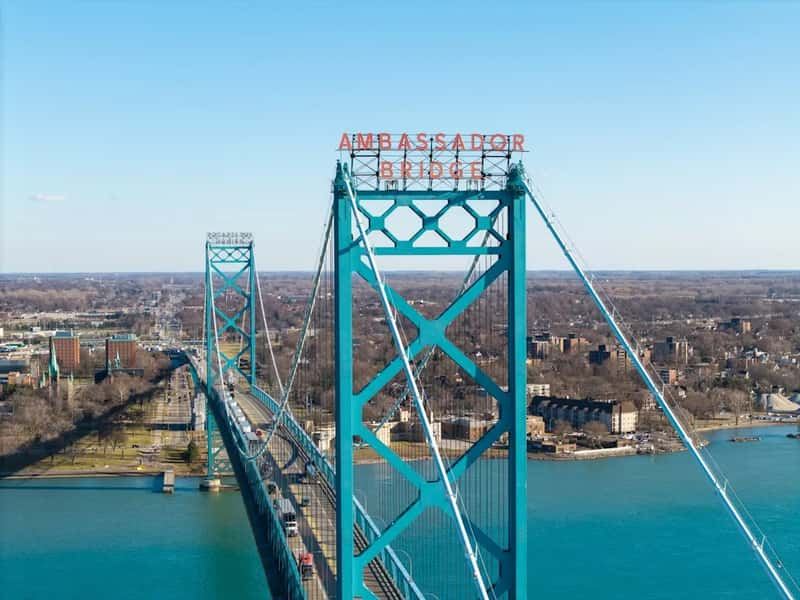
Canada doesn’t ask U.S. drivers for permits, but crossing at Detroit comes with a toll. The standard passenger toll is 10 dollars at the Ambassador Bridge and 9 dollars at the Detroit-Windsor Tunnel, in U.S. currency.[11] Those charges apply each time you cross, so a round trip costs double.
Towing adds to the bill. A small trailer costs an additional 10 dollars at the bridge and 9 dollars at the tunnel.[11] If you’re hauling a camper or a boat, it’s worth checking the rate before you pick a crossing.
The Gordie Howe Bridge Toll and Its Discount Program

A third Detroit River option now exists. The Gordie Howe International Bridge was inaugurated on July 24, 2026, and opened to traffic on July 27, 2026.[12] Its toll for cars was listed at 5.75 U.S. dollars, or 8 Canadian dollars.[12]
The cheaper rate depends on signing up. For passenger vehicles, the Breakaway toll is 4.35 U.S. dollars per crossing.[13] Breakaway is a discount program that lets vehicles pass through toll lanes without stopping to pay[11], so occasional visitors should compare the standard and discounted rates before assuming the lower price applies to them.
Mexican Toll Road Charges
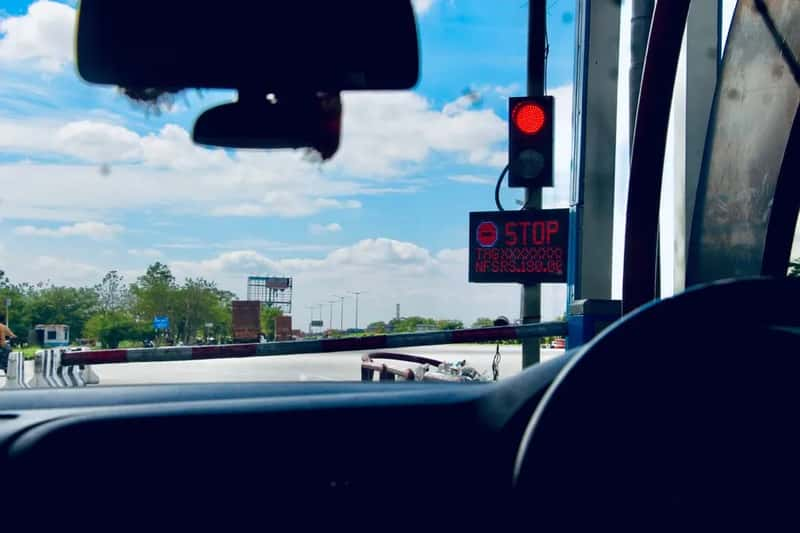
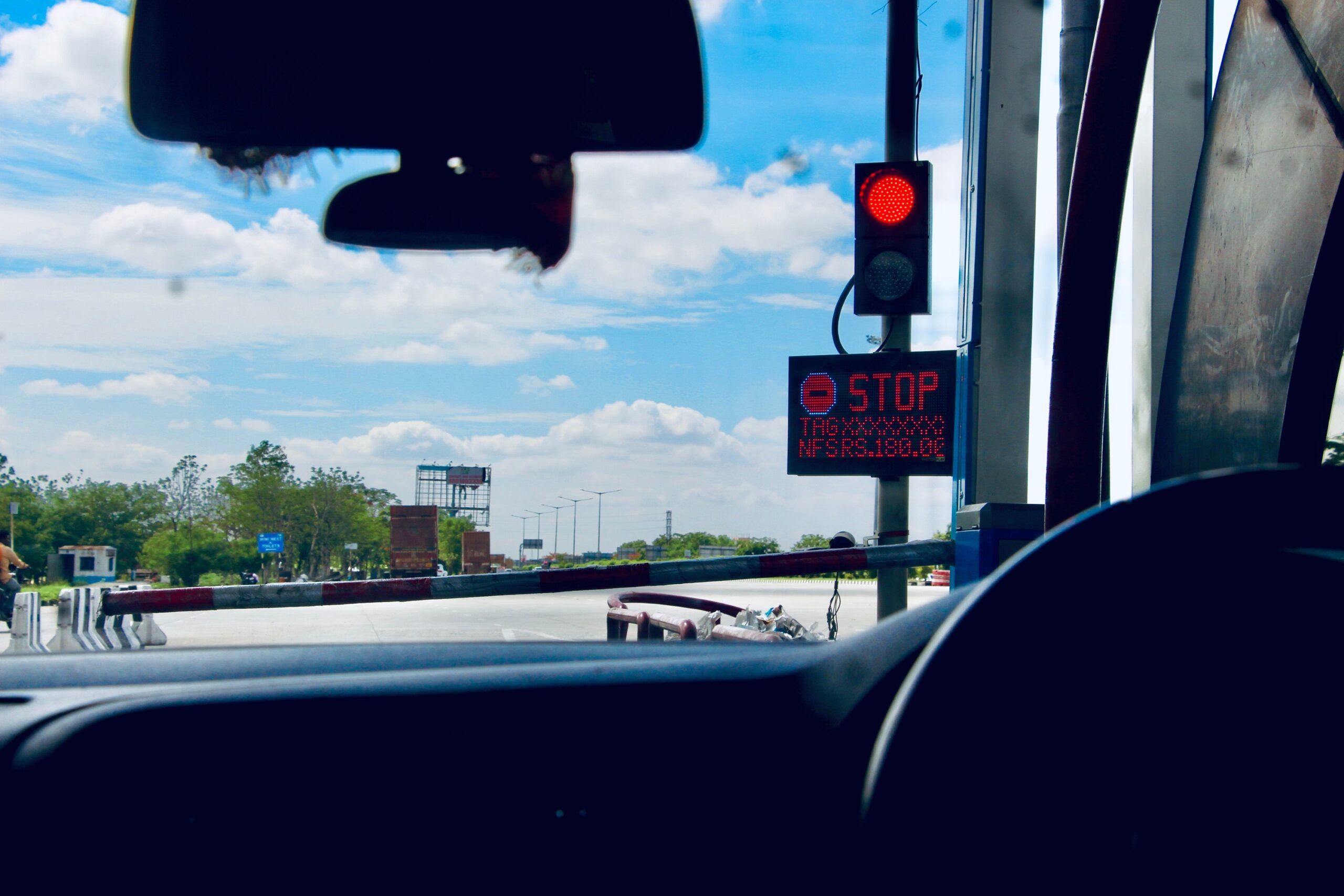
Mexico’s toll highways, known as cuotas, are often faster and better maintained than the free roads running alongside them. The tradeoff is a string of booths, and the charges add up over a long drive south. The amount depends on the route and the vehicle, so there isn’t a single rate to plan around.
The practical issue is payment. Booths are priced in pesos, and card acceptance can vary from one plaza to the next. Carrying a modest amount of pesos in small bills is a sensible habit, and it helps to check your route for toll sections before you leave.
Card, ATM, and Currency Conversion Charges
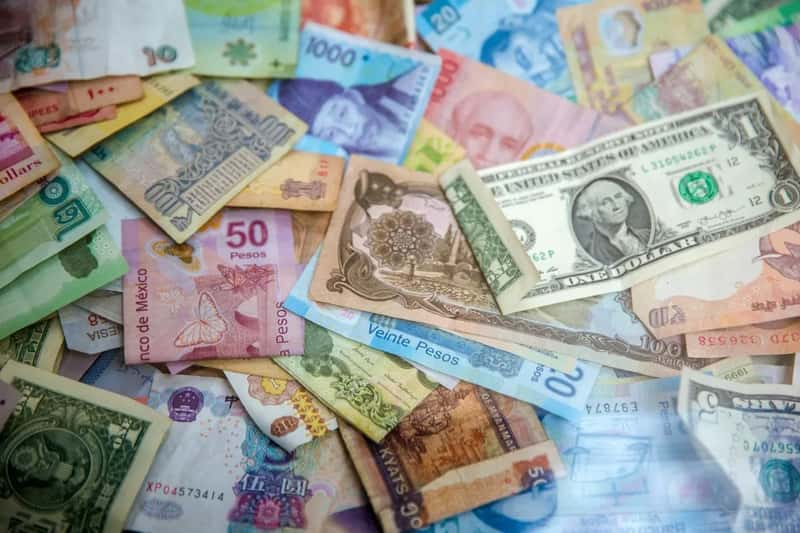
The last group of costs isn’t charged by either government. Many credit cards add a foreign transaction fee to purchases made abroad, and out of network ATMs usually charge their own fee on top of whatever your bank adds. Gas, meals, and tolls paid in pesos or Canadian dollars can all pick up those extra percentages.
Another trap is the offer to pay in U.S. dollars at a foreign terminal. That convenience usually comes with a less favorable exchange rate, so choosing the local currency is generally the safer option. Look at your card’s terms before you go, since some cards waive foreign fees entirely and others don’t.