Anyone who has stood in a slow-moving airport security line knows the frustration of watching the queue barely inch forward while a bin gets pulled aside for a second look. Most of the time, the holdup isn’t random. It’s a specific, preventable slip-up made by the traveler just ahead, and often by the traveler behind them too. Understanding the small habits that trip up the process can save you, and everyone in line with you, real time at the checkpoint.
From forgotten water bottles to fumbling with ID at the document check, these mistakes tend to repeat themselves at checkpoints across the country every single day. Below are eight of the most common culprits, based on TSA guidance and current airport security realities.
1. Wearing Complicated Shoes and Belts
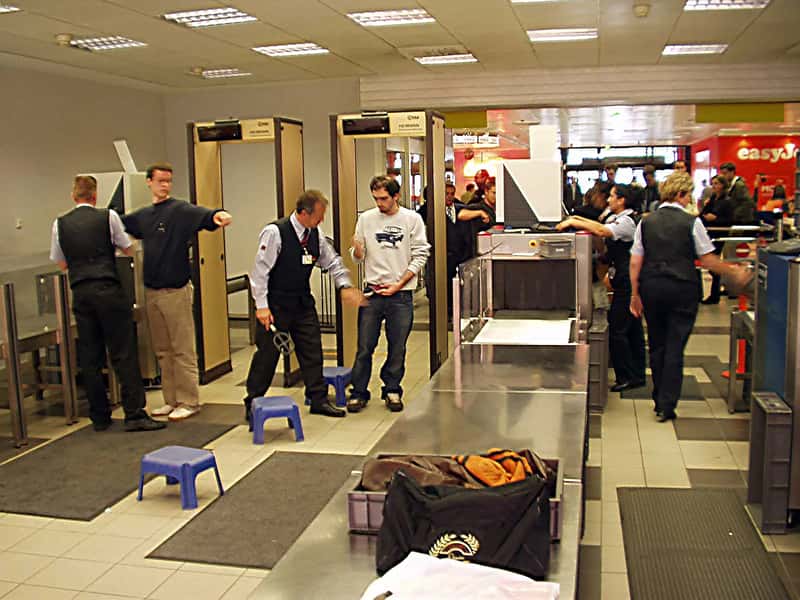
This is the granddaddy of checkpoint delays, and it has been for over two decades. This rule has been around for over two decades, and it’s still the single most common slip at the checkpoint, with 28% of travelers admitting in a national survey that they forgot to remove their belt and shoes before stepping through the scanner, meaning more than one in four passengers gets sent back for another bin.[1] That single extra trip to the bin area does not just cost the individual traveler time.
TSA requires shoes, belts, and light jackets off, and lace-up boots create a visible bottleneck with a line stacking up behind you, while slip-ons are the smarter move since every extra second at the bin ripples backward through the whole queue.[1] If you know you’re flying that day, save the complicated boots or high-tops for after you land and choose something you can slip off in a couple of seconds instead.
2. Packing Liquids Over the 3.4-Ounce Limit
The 3-1-1 rule has been confusing travelers for nearly twenty years, and it still catches people off guard constantly. TSA’s 3-1-1 rule allows liquids, gels, and aerosols in carry-on bags, provided they are in containers of 3.4 ounces (100ml) or less, all fitting inside one, quart-sized, clear, plastic, zip-top bag per passenger.[2] Despite how familiar this rule has become, it remains one of the biggest reasons bags get pulled for secondary inspection.
The rules around liquids remain the single biggest source of confiscated items and security delays at U.S. airports.[2] There is chatter in 2026 about loosening the rule for travelers using updated scanning technology, but as of now, the 3-1-1 rule, carry-on liquids capped at 3.4 ounces per container, remains in effect for all travellers, a policy that has stood since 2006.[3] Until an official nationwide change is confirmed, assume the old limits still apply everywhere you fly.
3. Forgetting Prohibited Items Are Still in the Bag
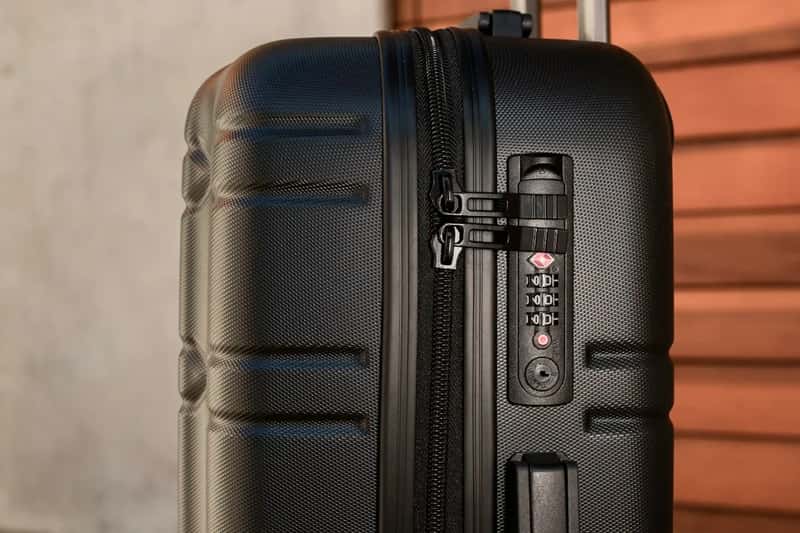
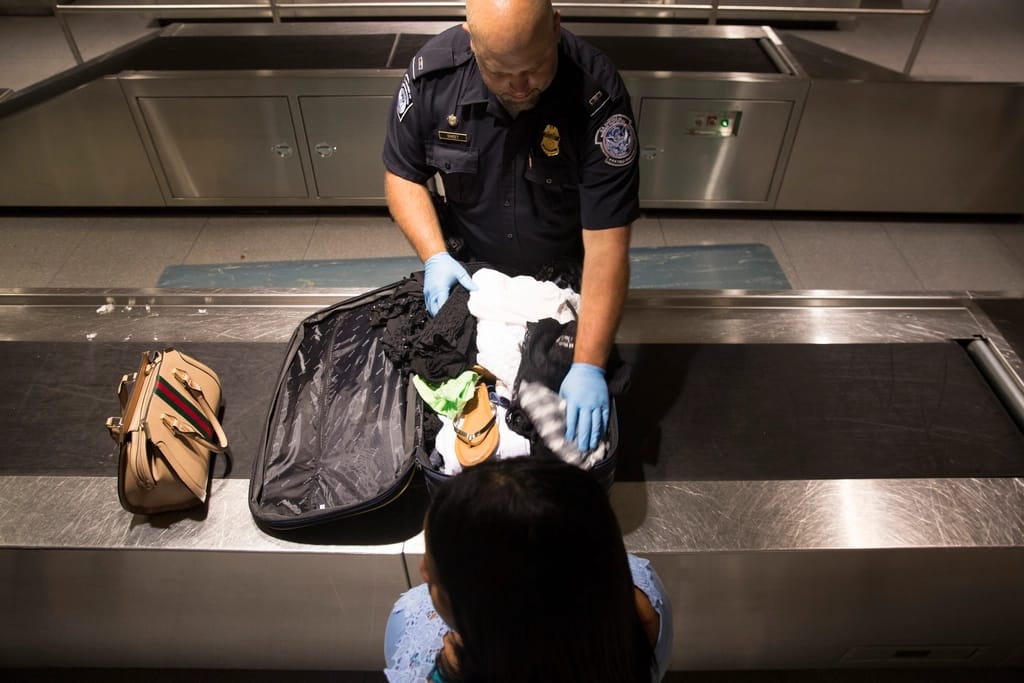
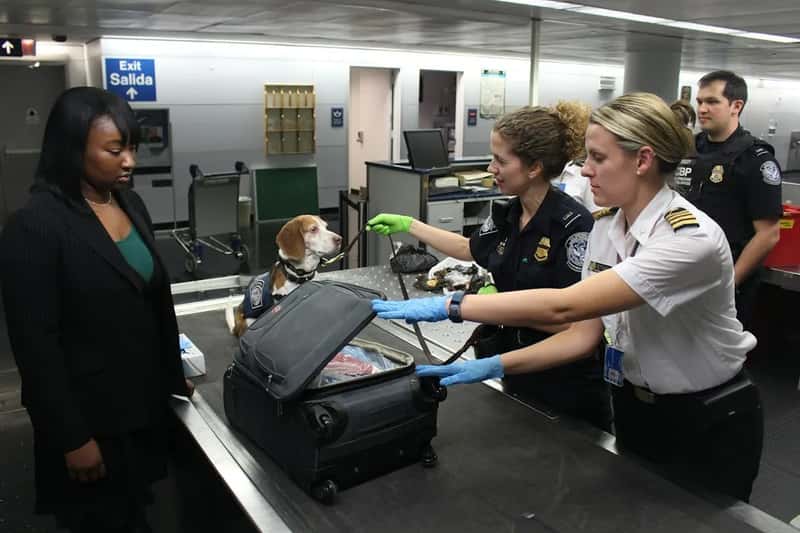
Nothing grinds a security line to a halt quite like a flagged bag that needs a manual search. According to a TSA spokesperson, when a prohibited item is flagged during the X-ray screening process, officers must stop to manually search the bag and locate the item, which can slow down the line for everyone.[4] Pocket knives, tools, and oversized liquids are the usual suspects, and they rarely surprise the traveler carrying them so much as the people waiting behind.
A live demonstration by TSA officials made the impact painfully clear. In one line, mock travelers showed up with prohibited items such as guns, knives, and large water bottles, along with laptops that weren’t out and ready for screeners to inspect, while the other group had no restricted items and had their laptops properly stored, and the difference in wait times was drastic, with the clean group getting through in less than two minutes compared to more than six minutes for the other group.[5] That is a threefold difference caused entirely by preparation, or the lack of it.
4. Leaving Laptops and Large Electronics Packed Away
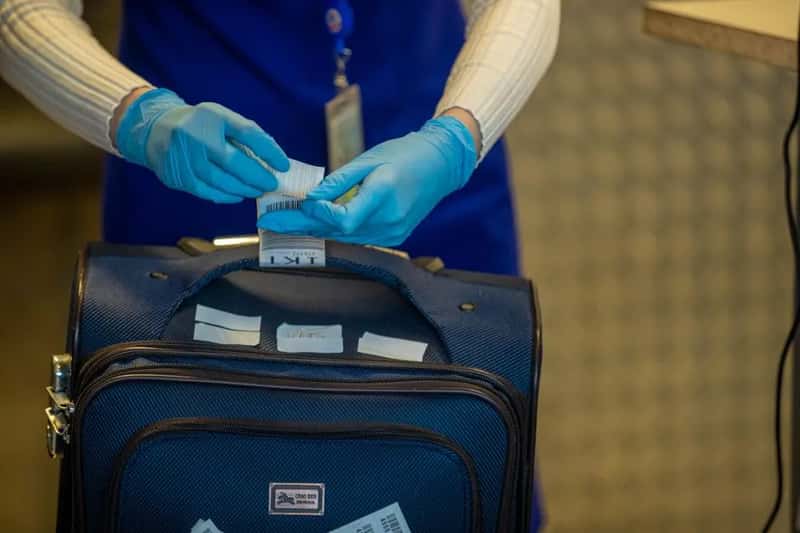
Electronics are another quiet time thief at standard screening lanes. Passengers commonly leave electronics in carry-on bags, but any personal electronic device larger than a cell phone, like laptops, tablets, and e-readers, needs to come out of a bag and go into a bin on its own, and when these are left in your bag, the bag gets flagged, pulled, and screened again, backing up the line for everyone behind you.[6] It sounds like a small step, but multiplied across a busy morning rush, it adds up fast.
There is a workaround for frequent flyers willing to pay for it. TSA PreCheck travelers can leave shoes, belts, and light jackets on, keep laptops in their bag at airports with CT scanning, and keep liquids in their bag too, which dramatically speeds up per-passenger processing time.[7] Even without PreCheck, simply remembering to pull the laptop out before reaching the bin area avoids an unnecessary rescan.
5. Overstuffing Carry-On Bags
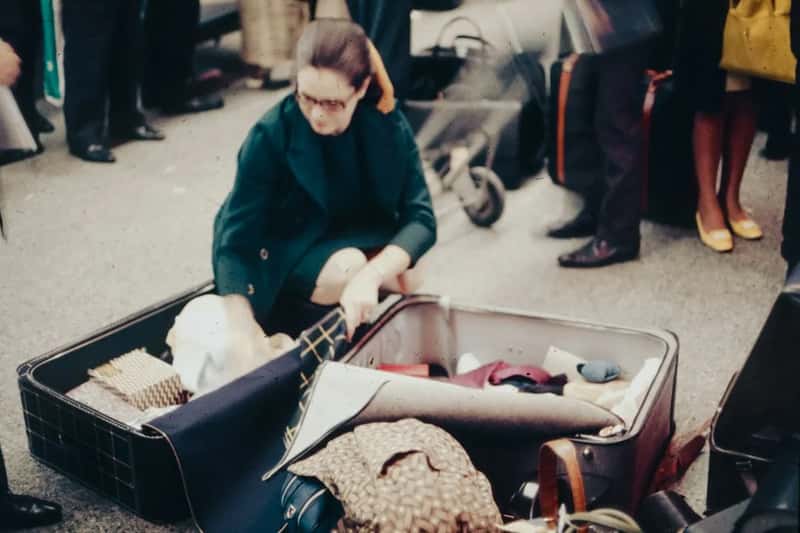
A bag crammed to its zipper’s limit is harder for officers to read on an X-ray screen, and that ambiguity often triggers a manual check. It’s also wise not to overpack, since a tightly stuffed carry-on can make personal belongings more difficult to inspect during an unexpected bag check, adding time to the screening process and contributing to longer lines.[4] A bag that’s easy to open, scan, and repack moves through the system far more smoothly than one stuffed to bursting.
This is a case where a little discipline in packing pays off directly in the security line. Keeping bags loosely packed and organized, with liquids and electronics easy to reach, means less digging when an officer asks you to open something up. It also means you are less likely to hold up your own progress trying to zip a bag closed again after retrieving your belongings.
6. Showing Up Without a REAL ID or Matching Documents
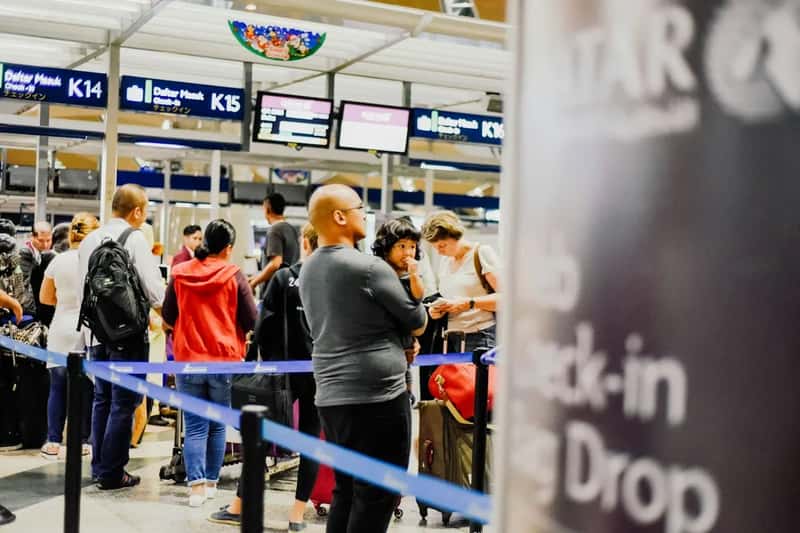
Identification mismatches and non-compliant IDs have become a much bigger deal since new federal enforcement began. REAL ID enforcement began in May 2025, and as of February 1, 2026, travelers without a REAL ID-compliant driver’s license or acceptable alternative face a $45 non-refundable ConfirmID fee to pass through security, a process that can take up to 30 minutes.[8] That is a significant penalty in both money and time for something that is entirely avoidable with a bit of planning ahead of a trip.
Name mismatches cause similar headaches. Booking a ticket exactly as your name appears on your government ID, with no shortcuts or nicknames, takes ten seconds to check and can save twenty minutes at the checkpoint.[9] It’s a tiny detail that gets overlooked constantly, especially when people book through third-party travel sites where autofill can quietly shorten or alter a legal name.
7. Arguing or Acting Nervous at the Checkpoint
Behavior matters just as much as what’s in your bag, and officers are trained to notice it. Security lines run on a rhythm, and breaking that rhythm by arguing with officers or ignoring checkpoint instructions almost always backfires, while staying calm, following instructions, and saving the commentary for after the checkpoint keeps the line moving and keeps you out of an unnecessary conversation with someone who has full authority to slow your day down.[8] A tense back-and-forth with an officer rarely ends quickly, and it holds up everyone waiting behind the disagreement.
Nervous fidgeting, sudden line switching, or rushing frantically can also draw extra scrutiny, since officers are trained to watch behavior alongside belongings. The calmer and more predictable a traveler appears, the faster officers can wave them through without a second look. Staying composed, even when running late, genuinely helps rather than hurts.
8. Cutting It Close Instead of Building In a Buffer
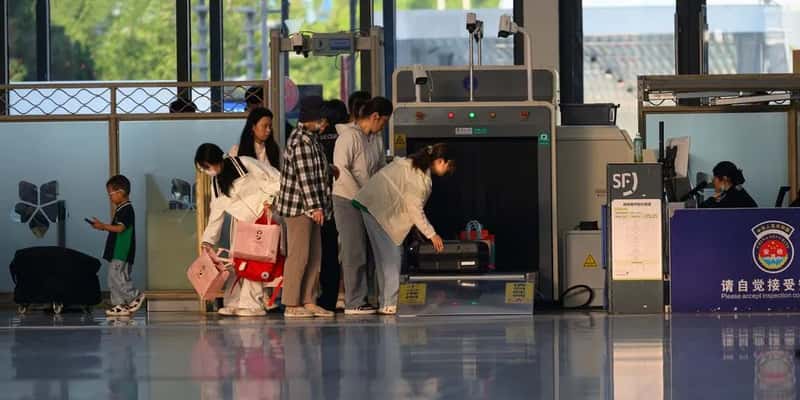
Arriving with barely any margin for error turns small mistakes into missed flights. TSA usually advises travelers to arrive at the airport two hours early for domestic flights and three hours before international flights.[10] That guidance exists precisely because checkpoint conditions can shift with little warning, whether from staffing gaps, equipment issues, or a sudden surge in travelers.
Staffing disruptions have made this cushion even more important in recent months. Fewer experienced officers on the floor can slow down screening processes, especially during complex or high-traffic periods, and training new hires takes time, which shows up in longer processing times at checkpoints.[11] Travelers enrolled in TSA PreCheck get more breathing room, since during normal security operations, the agency estimates that roughly 99% of passengers with PreCheck wait less than 10 minutes.[10] Still, no program guarantees a fast line every single time, so a built-in buffer remains the simplest insurance policy against a bad day at the checkpoint.
None of these eight mistakes are exotic or hard to avoid. They are ordinary, everyday slip-ups: the wrong shoes, an oversized water bottle, a laptop left zipped in, a name that doesn’t quite match a boarding pass. Individually, each one adds only a minute or two. Multiplied across hundreds of travelers moving through a single checkpoint on a busy morning, those minutes turn into the long, sluggish lines that make air travel feel like a hassle before the plane even leaves the gate.
The good news is that every item on this list is within a traveler’s control. A little preparation the night before, a quick double check of what’s in the carry-on, and a calm attitude at the checkpoint go a long way toward keeping the line moving, both for you and for everyone standing behind you.