On August 25, 2026, American Airlines stopped giving free economy to business upgrades to elite members on nine transcontinental and Hawaii routes. Those travelers now go onto the premium economy list instead. It was a reminder that the upgrade game keeps getting tighter, and that most of it happens out of sight.
Gate agents sit near the end of that process, and they see which passengers tend to end up in the front cabin. Their accounts, as relayed by travel outlets and airline insiders, point to small, repeatable signals rather than any single trick. Here are eight of them, with the facts behind each.
1. A High Status Tier Next to the Name
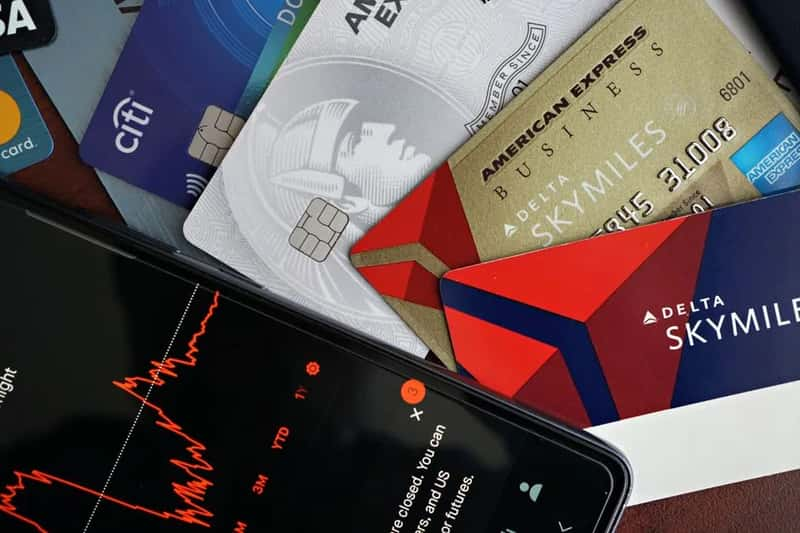
The clearest tell is also the least subtle. NerdWallet’s guide to American upgrades says AAdvantage status is the most important factor, with ConciergeKey above Executive Platinum, then Platinum Pro, then Platinum and Gold. The higher the tier, the higher the name sits on the list.[1]
Most of the sorting happens before anyone reaches the desk. One account of how the process works says the computer system automatically clears the person at the top of the list until three hours before departure, when gate agents take over and manage it.[2] So by the time an agent is involved, the top tier passengers have usually been placed already.
2. A Fare That Isn’t the Cheapest Available
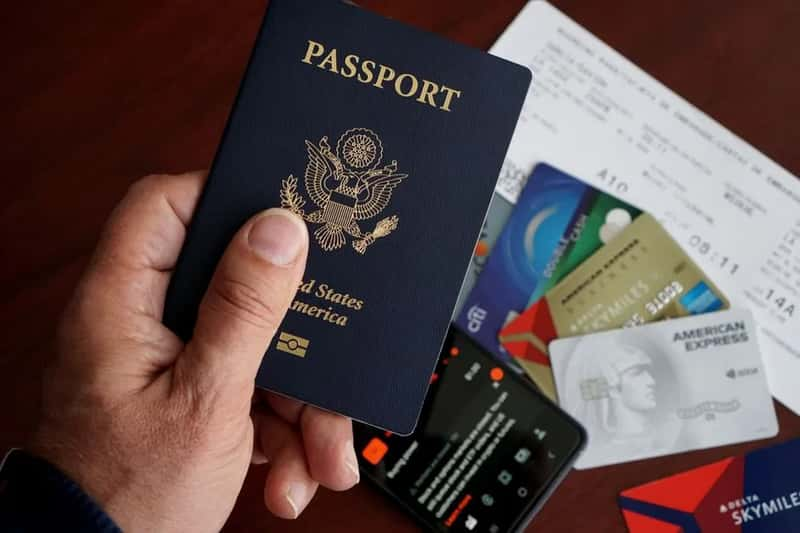
Agents handle requests based on fare class and frequent flyer status[3], and the ticket itself matters more than many travelers assume. Simple Flying notes that a passenger holding a full fare economy ticket will almost always leapfrog a high tier elite member on a deep discount fare.[4]
The airlines have been pushing in this direction for a while. Delta changed its loyalty program in 2025 to reward customers who pay for higher fare types. American went further on May 18, 2026, when it removed complimentary seat selection and upgrade eligibility for all elites traveling on Basic Economy fares.[5]
3. Traveling Alone
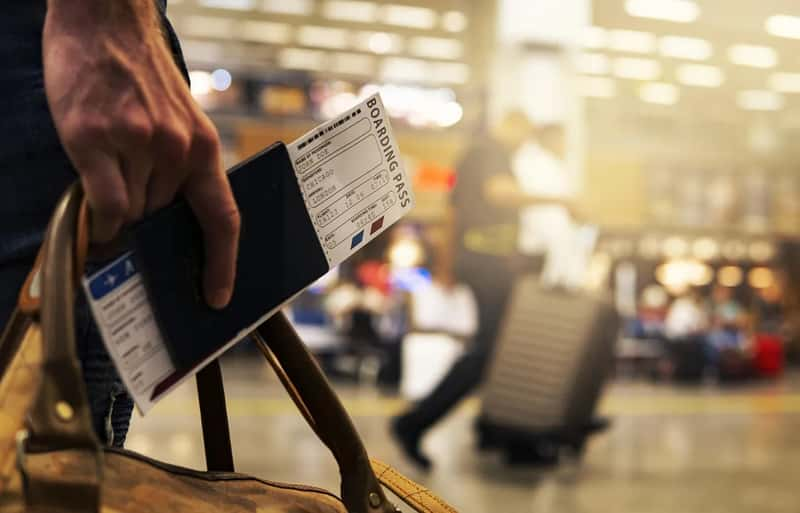
Solo travelers tend to get moved up more easily, and the reason is arithmetic. One airline insider roundup describes how the same elite passenger might get bumped up on a solo work trip and shut out completely on a family vacation.[6] A single empty seat fits one person, not three.
Travel companions can sometimes ride along on a top elite’s priority, and that is listed as one of the ranking factors in the same roundup. Still, once a party grows, the math gets harder. Another gate agent account says agents often won’t bother checking whether people traveling together want to be split up.
4. Miles or a Certificate Already Spent
Passengers who paid for the upgrade with miles or a certificate are often ahead of those hoping for a free one. A roundup of gate agent insights says travelers who redeem miles or upgrade certificates generally get priority over those relying purely on a complimentary elite upgrade.[6] That can put a mid tier member ahead of a higher status flyer.
Global or systemwide upgrade certificates carry even more weight. Simple Flying reports that these act as a hard override on the standby list[4] for high tier elites on US carriers. If someone is holding one and sitting in the right waitlist position, the agent usually has little to decide.
5. Calm Flexibility When the Flight Is Oversold

Overbooked flights create the one opening where an unlisted passenger can end up in a better seat. According to one insider account, if economy is oversold, agents can bump someone essentially at random toward the front of the plane.[6] The agent’s priority is getting the aircraft out on time.
That is why the passenger who steps forward quietly when volunteers are requested stands out. A gate agent perspective published this year says volunteering often comes with perks like travel vouchers, meal credits, and an upgraded seat on your rescheduled flight.[7] The agent is solving a problem, and this passenger is helping solve it.
6. Checking the App Instead of Lobbying the Desk
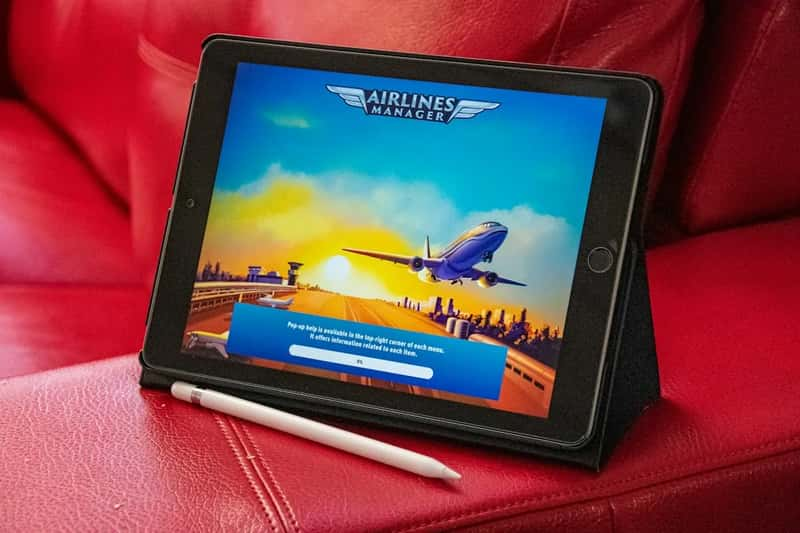
Airlines increasingly make the standby and upgrade list visible in their apps. Simple Flying reports that this takes away any chance to negotiate or charm the agent, since everyone can see exactly where they rank.[4] Agents are also described as being watched by upgrade compliance metrics, which discourages favors.
Passengers who tend to be upgraded often just check their position, wait, and stay near the gate. One travel source suggests about 30 minutes before departure is when many upgrades are processed and blocked seats can be released.[8] Showing up with a plan works better than showing up with a pitch.
7. Booked on a Route Where Free Upgrades Still Exist
Where you fly matters as much as who you are. Delta is described as the lone holdout still allowing space available elite upgrades from economy to Delta One[9], while United doesn’t allow complimentary upgrades on routes with Polaris cabins. American’s August change added nine more routes to the restricted list.
Ticketing details count too. Simple Flying notes that codeshare flights further decrease the likelihood of getting a gate upgrade[4], because the ticketing airline often locks the seats. A passenger on a plain domestic ticket with the operating carrier simply has better odds.
8. A Clean Record and a Courteous Manner
Agents say airlines keep notes. One account explains that agents can and do make comments on a traveler’s record[7], and past disruptive behavior can follow someone into later trips. Ground staff are also told to watch for agitated or intoxicated passengers before boarding.
Attitude shows up at the counter as well. Another agent focused piece notes that announcing that you “deserve” an upgrade because of how often you fly[10] rarely helps. The passenger who is calm, prepared, flexible and polite is the one who fits easily into the solution, and that passenger is the one who gets moved forward.