Travel etiquette gets debated endlessly online, usually with confident strangers telling you exactly how to behave in a country they visited once for four days. The truth is messier and more interesting. Plenty of things tourists worry about seeming impolite actually land as thoughtful, even charming, once you understand the local context behind them.
This list pulls together habits that raise eyebrows among fellow travelers but tend to earn quiet approval from the people who actually live in these places. None of it is about breaking rules for shock value. It is about understanding that “polite” is not universal, and sometimes the awkward-feeling choice is the one that actually respects the room you’re in.
1. Speaking loudly to ask questions instead of whispering

In many Western tourism guides, whispering is framed as the height of consideration, especially in shops, small restaurants, or family-run guesthouses. Yet in countries like Italy, Spain, and much of Latin America, a normal speaking voice used to ask a direct question is read as confident and friendly rather than intrusive. Locals in these regions often associate hushed, overly cautious tones with distrust or discomfort, not respect.
Staff at small businesses in these regions frequently mention that tourists who ask questions plainly, without apologizing three times first, are easier and more pleasant to help. It signals that the visitor sees the interaction as a normal human exchange rather than an imposition. The exception remains obvious spaces like churches, memorials, or quiet transit cars, where volume expectations shift regardless of country.
2. Skipping the tip and paying the listed price exactly

American travel culture treats tipping as almost a moral obligation, so tourists sometimes feel guilty leaving nothing extra in countries where service charges are already built into prices. In Japan, South Korea, and much of continental Europe, however, tipping is often unnecessary and can even feel awkward for the person receiving it. Service workers in these places are generally paid a standard wage, and the price on the menu is understood to be the full payment.
In Japan specifically, leaving cash on a table is sometimes treated as an oversight rather than a gift, with staff occasionally chasing customers down to return it. Locals tend to appreciate visitors who simply pay what is asked instead of layering on gestures rooted in a different economic system. Understanding this distinction avoids the mild discomfort business owners describe when tourists insist on tipping despite polite refusals.
3. Eating street food standing up, right at the stall
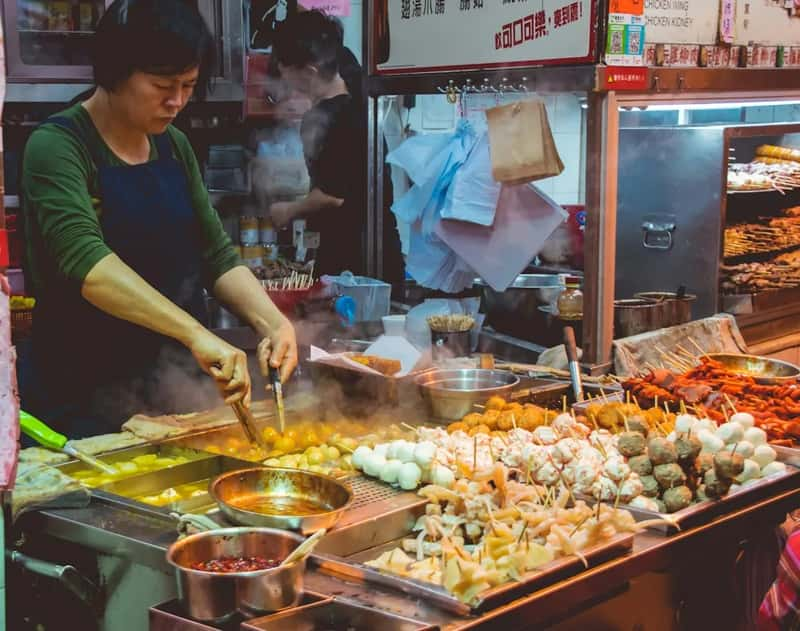
Tourists raised on sit-down dining sometimes assume eating while standing looks careless or rushed, so they carry food elsewhere to consume it “properly.” In cities like Bangkok, Mexico City, or Taipei, though, eating immediately at the stall is the expected and preferred behavior. Vendors build their stalls around quick turnover, and food is often designed to be eaten hot, within minutes of preparation.
Carrying food away can mean it arrives cold or loses the textures that make the dish work in the first place. Vendors in these food cultures generally view on-the-spot eating as a compliment to the freshness of what they’re serving, not a lack of manners. It also keeps the line moving, which locals waiting behind you tend to notice and appreciate more than any attempt at formality.
4. Asking about prices directly before buying anything

Visitors from cultures where haggling feels rude often avoid asking about cost altogether, worried it comes across as cheap or suspicious. In markets across Morocco, Vietnam, Egypt, and Turkey, though, asking the price upfront and then negotiating is the entire point of the interaction. Sellers in these markets typically price goods with negotiation already built in, expecting a back-and-forth rather than a silent transaction.
Walking away without asking, or paying the first number offered, can actually confuse vendors more than it flatters them. Many describe enjoying the exchange itself, the mild theater of offer and counteroffer, as part of the sale. Tourists who engage in this process, even clumsily, are often seen as respecting the custom rather than disrupting it.
5. Refusing extra food or drink at someone’s home
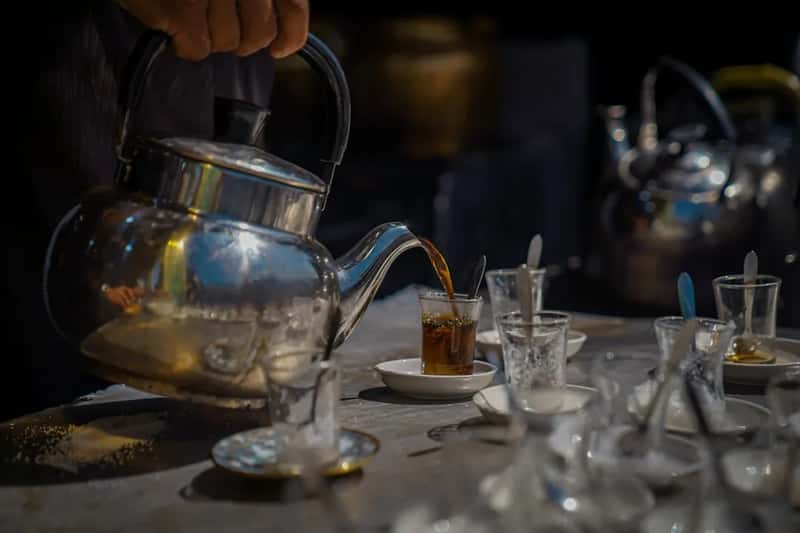
Guests worried about seeming ungrateful sometimes force down food they don’t want, assuming refusal reads as an insult. In several Middle Eastern and South Asian households, however, hosts expect at least one polite refusal before accepting more, treating instant acceptance as slightly presumptuous. The ritual of offering, declining, and being offered again is itself a sign of respect on both sides.
Hosts in these cultures often explain that a guest who accepts everything immediately can come across as either overly eager or unfamiliar with the rhythm of hospitality. A firm, polite “no, thank you, I’m full” said once or twice is generally read as normal restraint, not rejection. It’s less about the food and more about honoring the small dance that hospitality traditions are built around.
6. Taking photos of food before eating, even in busy restaurants
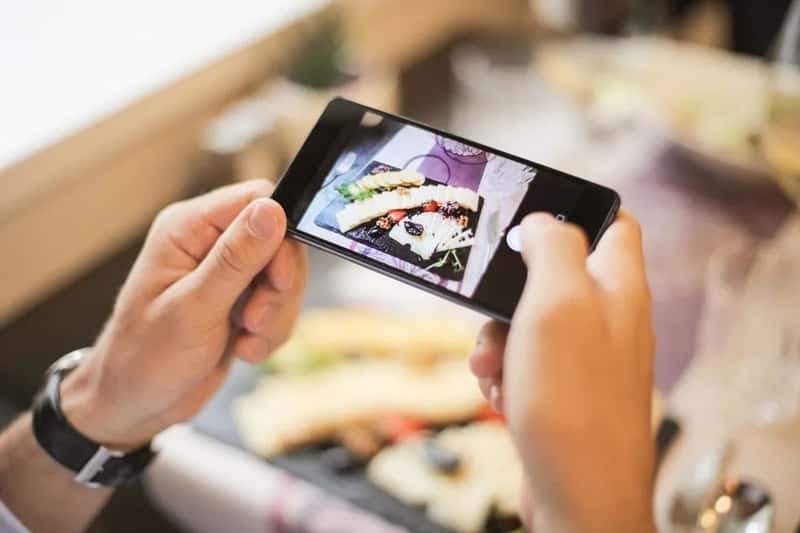
Some travelers feel self-conscious photographing their plates in front of servers, worried it looks obsessive or holds up the table. In much of East Asia, particularly South Korea and Japan, photographing meals before eating is so common that staff barely register it anymore. Restaurants in cities like Seoul and Osaka have grown accustomed to diners pausing briefly for a photo, and many even plate dishes with presentation in mind for exactly this reason.
Rather than reading it as vanity, staff and fellow diners typically see it as genuine appreciation for the kitchen’s effort. It has become such a normalized part of dining culture that skipping the photo draws far less attention than taking one. The habit that feels self-indulgent to an outsider is, locally, just part of how a good meal gets acknowledged.
7. Correcting mispronunciations by asking to be corrected again
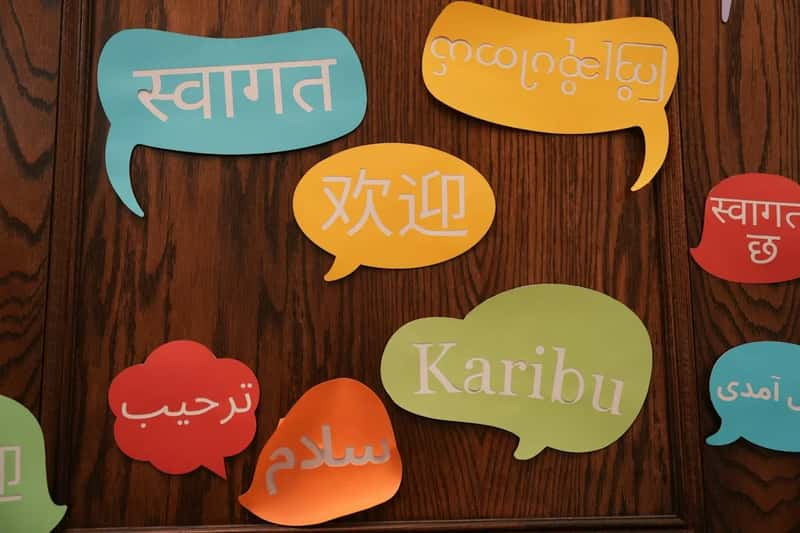
Tourists often assume that once they’ve butchered a local word, the polite move is to move on quickly and not draw attention to the mistake. In reality, native speakers across many countries, from France to Thailand to Poland, tend to appreciate being asked to repeat the correct pronunciation rather than watching a visitor quietly give up. Repeated attempts signal genuine effort rather than carelessness, even when the result is still imperfect.
Locals frequently mention finding it more awkward when tourists mumble through a word once and never try again than when they ask for a second or third correction. The willingness to sound clumsy in public, on purpose, is often read as humility rather than incompetence. It shifts the interaction from a transaction into something closer to an actual exchange between two people.
8. Sitting anywhere on public transport, including seats near the driver or front

Visitors sometimes avoid front seats or driver-adjacent rows on buses and trains, assuming those spots are reserved or somehow off-limits to outsiders. In most cities, no such rule exists, and drivers and regular commuters generally have no preference about where tourists sit, aside from designated priority seating for elderly or disabled passengers. Hovering near the doors or standing awkwardly to avoid “intruding” on open seats often creates more congestion than simply sitting down.
Transit staff in cities with heavy tourist traffic, including several in Southeast Asia and Southern Europe, have noted that overly cautious tourists sometimes block flow more than confident ones who just take an open seat. The instinct to minimize your presence, ironically, can make you more noticeable and more disruptive. Sitting normally, like any other passenger, is usually the least conspicuous and most appreciated choice.
These habits share a common thread: politeness is not a fixed script, it’s a response to context. What reads as considerate in one culture can read as distant or confusing in another, and the tourists who travel most comfortably tend to be the ones willing to notice the difference rather than default to their own instincts. None of this requires grand gestures, just a willingness to pay attention to how people around you actually behave, rather than how etiquette guides back home assume they should.