Mexico is a huge, varied country, and most visitors have a wonderful time there. The trouble usually isn’t dramatic. It’s small slips like skipping a form, accepting the wrong currency option, or booking a rental car that looks cheap online.
The nine mistakes below are the ones that come up most often in official guidance and traveler reports. Where figures change over time, I’ve checked them against 2026 sources, and I’d still confirm the details before you book.
1. Treating Mexico as a Single Safety Picture
The U.S. State Department doesn’t rate Mexico as one block. It issues individual state-level advisories for all 32 Mexican states on a scale of 1 to 4.[1] The advisory was reissued on May 29, 2026, and Mexico remains Level 2, Exercise Increased Caution, overall.[1] That national label tells you far less than the rating for the state you’re actually visiting.
The differences between states are big. Six states are at Level 4, Do Not Travel: Colima, Guerrero, Michoacán, Sinaloa, Tamaulipas and Zacatecas.[2] Baja California, Chihuahua, Guanajuato and Jalisco are among those at Level 3, Reconsider Travel.[2] At the other end, Yucatán and Campeche are listed at Level 1.[3] Advisories get revised, so check the State Department page for your exact destination shortly before you leave.
2. Arriving Without Sorting Out Your Entry Paperwork
Every foreign visitor needs an immigration form called the FMM (Forma Migratoria Múltiple). As of 2026 it carries a fee of 983 pesos, about 57 U.S. dollars, and airlines include that fee in the ticket for commercial flights.[4] Overland travelers have to handle it themselves. Visitors arriving by other means must obtain the form online or on arrival.[4]
Crossing by land is where people trip up. An online form isn’t valid until the immigration institute stamps it.[5] The officer also decides the actual length of stay, up to 180 days.[5] Passport rules get repeated inaccurately online. The State Department says your passport must be valid at the time of entry[5], but check with your airline in case it applies stricter rules. One more local item: some guides say visitors to Quintana Roo, home of Cancún and Tulum, must also register for a separate tourism tax called Visitax, so look into it if that’s your region.
3. Booking a Rental Car Based on the Headline Price
The rock-bottom daily rates you see online are rarely the real price. Many Mexican rental agencies don’t include the mandatory local insurance in their online quotes.[6] Mexico requires tourists to carry Mexico-specific third party liability insurance.[6] At the counter, that surprise can triple the cost of the rental.[7]
Your usual coverage probably won’t get you out of it. Credit card coverage won’t provide the required Mexican liability cover[7], and US auto insurance probably won’t work either.[6] The safest approach is to pick a quote that states third party liability is included. Also expect a security deposit; even with a valid liability policy, the company may demand a deposit that’s returned at the end of the rental.[7]
4. Saying Yes to Dynamic Currency Conversion

You’ve probably seen the prompt. An ATM or card terminal asks whether you’d like to be charged in dollars instead of pesos, and it sounds helpful. It isn’t. Visa explains that merchants and ATMs can offer to convert a transaction into your home currency[8], but the rate they use usually favors them.
Estimates of the markup vary by source. One Mexico guide says it typically adds 3 to 7 percent compared with your bank’s own conversion.[9] Another puts it at a hidden markup of 3 to 5 percent.[10] Either way, the answer is the same. Choose pesos every time and let your own bank handle the conversion. Withdrawing from bank-branded machines also helps, since standalone machines charge higher fees and carry more skimming risk.[9]
5. Relying on US Dollars Instead of Pesos
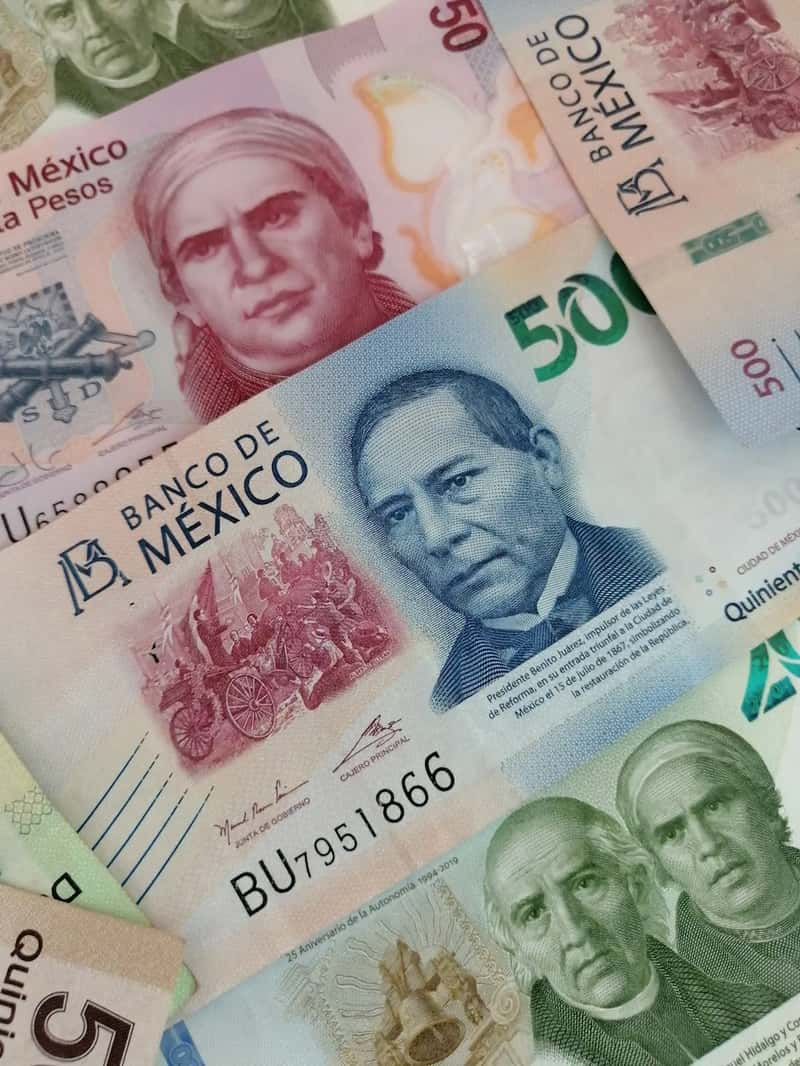
It’s tempting to pack a stack of dollar bills and call it done. In resort zones that works, but not cheaply. US dollars are accepted in places like Cancún, Tulum and Los Cabos at unfavorable rates, and outside tourist zones they’re rarely accepted.[9] Many supermarkets, pharmacies and local restaurants take only pesos.[11]
A better setup is simple. Use a no-foreign-transaction-fee card where cards are normal, and carry enough pesos for small cash moments.[8] Small bills matter for tipping, too. In restaurants, 10 to 15 percent in pesos is typical.[11] Smaller denominations also save you from the awkward hunt for change at a taco stand.
6. Hailing Street Taxis and Driving Long Distances After Dark
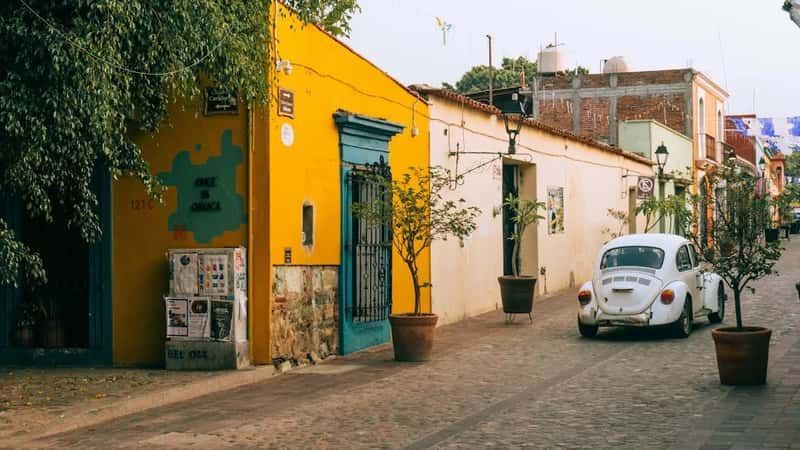
Transport habits matter more in Mexico than most travelers assume. The State Department’s advisory explains how its own staff are told to move around. Government employees may not travel between cities after dark, may not hail taxis on the street, and must rely on dispatched vehicles, including app-based services like Uber, and regulated taxi stands.[12] You aren’t bound by those rules, but they’re a useful guide to what the U.S. government considers lower risk.
Follow the same logic. Book rides through an app or have your hotel call a registered taxi, and plan highway drives to finish well before sunset. The advisory also points out that in many states, local emergency services are limited outside the state capital or major cities.[12] If something goes wrong on a remote road, help may be slower to arrive than you expect.
7. Drinking the Tap Water

This one is old advice, and it still holds. Health authorities, including the U.S. Centers for Disease Control and Prevention, generally advise travelers to avoid tap water in Mexico. Most hotels and restaurants serving tourists use purified water and ice, but you can’t assume that everywhere.
Stick to sealed bottled water or water treated with a reliable filter. Brushing your teeth with bottled water is a cheap habit that costs you nothing. Be a little more careful with street food, too, and favor stalls that are busy and cook everything to order. A day lost to stomach trouble is a real cost on a short trip.
8. Underestimating Altitude in Mexico City and the Highlands
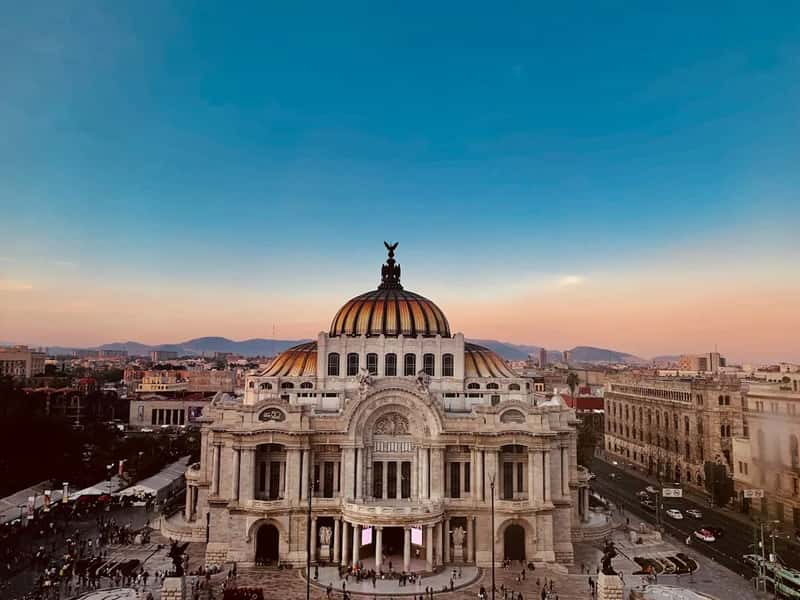
Many travelers picture beaches and forget that central Mexico sits high. Mexico City lies at roughly 2,240 meters, or about 7,300 feet, above sea level. At that height, some visitors notice headaches, poor sleep, breathlessness on stairs, or a faster heartbeat in the first day or two.
Don’t schedule a hard hike or a marathon sightseeing day right after landing. Drink plenty of water, go easy on alcohol the first night, and let your body adjust. Mexico City itself is rated Level 2 by the State Department[2], so for most visitors altitude is the more immediate concern than the capital’s reputation.
9. Ignoring Hurricane Season and Weather Risk
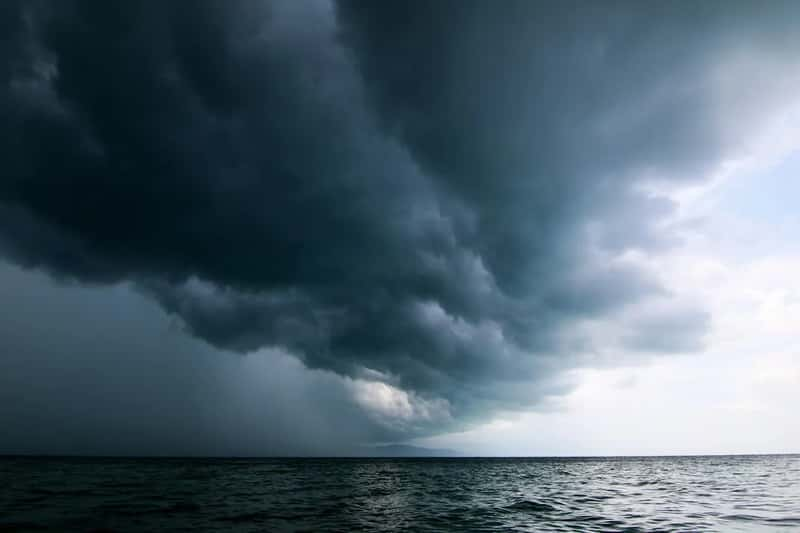
Mexico’s coasts face two hurricane seasons. The Atlantic season, which affects the Caribbean side, runs from June 1 to November 30. The eastern Pacific season, which affects resorts like Los Cabos and the Pacific coast, begins on May 15 and also ends November 30. That means early October is still well within the window.
You don’t need to avoid the coast entirely, but you should plan for disruption. Book flexible airfare or refundable lodging when you can, and consider travel insurance that covers weather cancellations and medical care. Watch forecasts from the U.S. National Hurricane Center or Mexico’s weather service in the days before you fly. On the Caribbean coast, seaweed called sargassum can also affect some beaches at certain times of year, so check recent reports for your specific resort.
Most of these mistakes come down to the same habit: assuming Mexico works like home. Advisories are state by state, rental quotes hide mandatory costs, and card screens nudge you toward the pricier option. A few minutes of checking before you go solves most of it.
Mexico rewards travelers who prepare a little and then relax. Get the paperwork right, pay in pesos, choose your rides wisely, and the rest of the trip can be about the food, the history and the coastline.