Yellowstone covers 2.2 million acres. Most of what goes wrong in a typical summer happens within a few hundred feet of a parking lot or a road. The park service’s own safety pages and its 2026 summer advisory keep returning to the same short list of problems.
None of these mistakes come from bad intentions. They come from a place that looks calm, feels familiar and is far wilder than it appears. Here are the five that matter most, and what the official guidance says about each.
Walking Up to Wildlife for a Better Photo
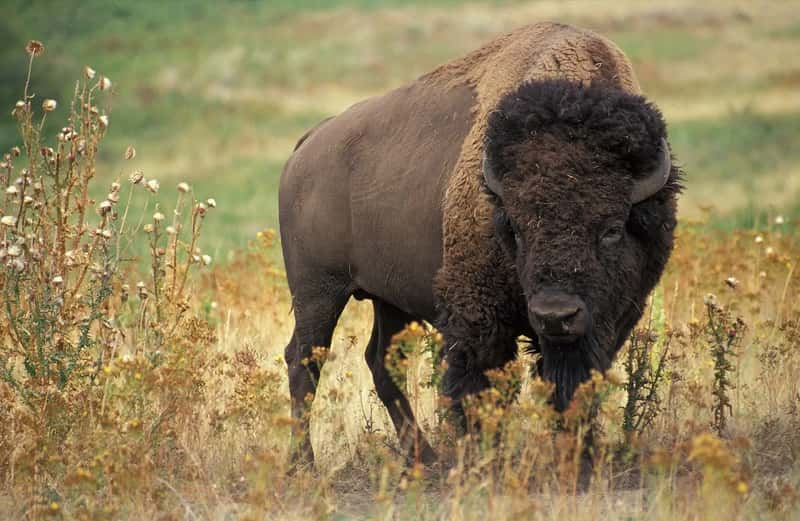
The rule is simple and posted everywhere. Stay at least 100 yards from bears, wolves and cougars, and at least 25 yards from all other animals, including bison and elk.[1] The park also states that each year a number of visitors are injured by wildlife when approaching too closely.[2] Bison are the usual culprit, since they have injured more people in Yellowstone than any other animal.[3]
Calm behavior fools people. A grazing bison can look like a large, slow cow until it isn’t. This past summer, a 12-year-old was attacked by a Yellowstone bison[4], according to the Yellowstone Park travel site. The fix is rarely complicated: if an animal moves closer to you, back away to keep a safe distance.[1] Park guidance also notes that the safest and often best view of wildlife is from inside a car.[1] Binoculars or a long lens do the rest.
Stepping Off the Boardwalk
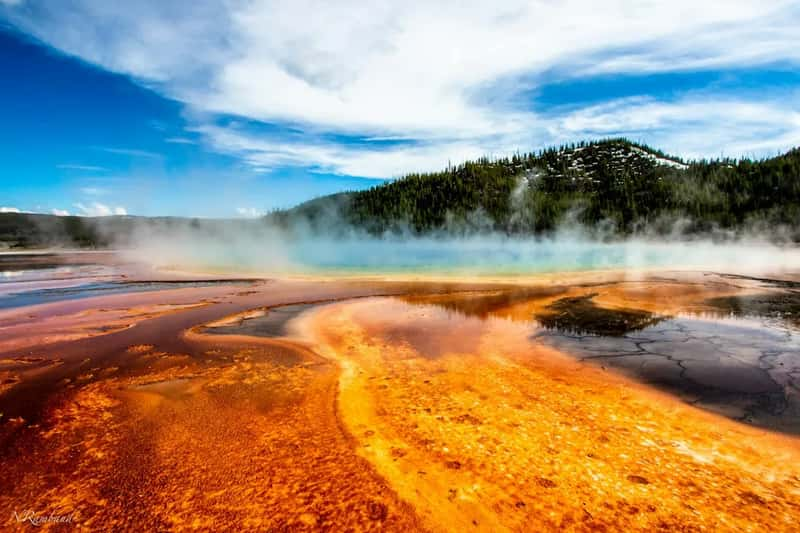
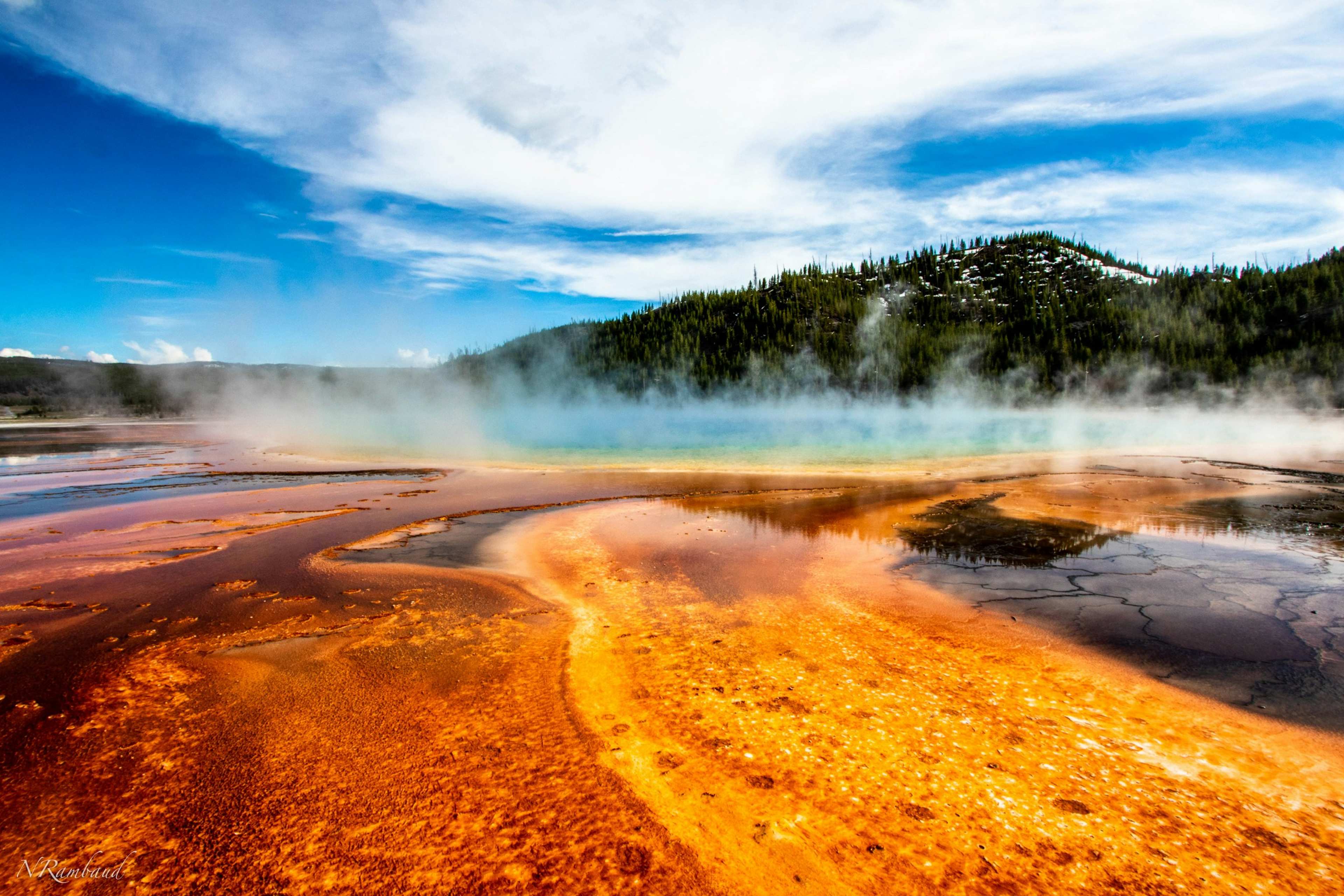
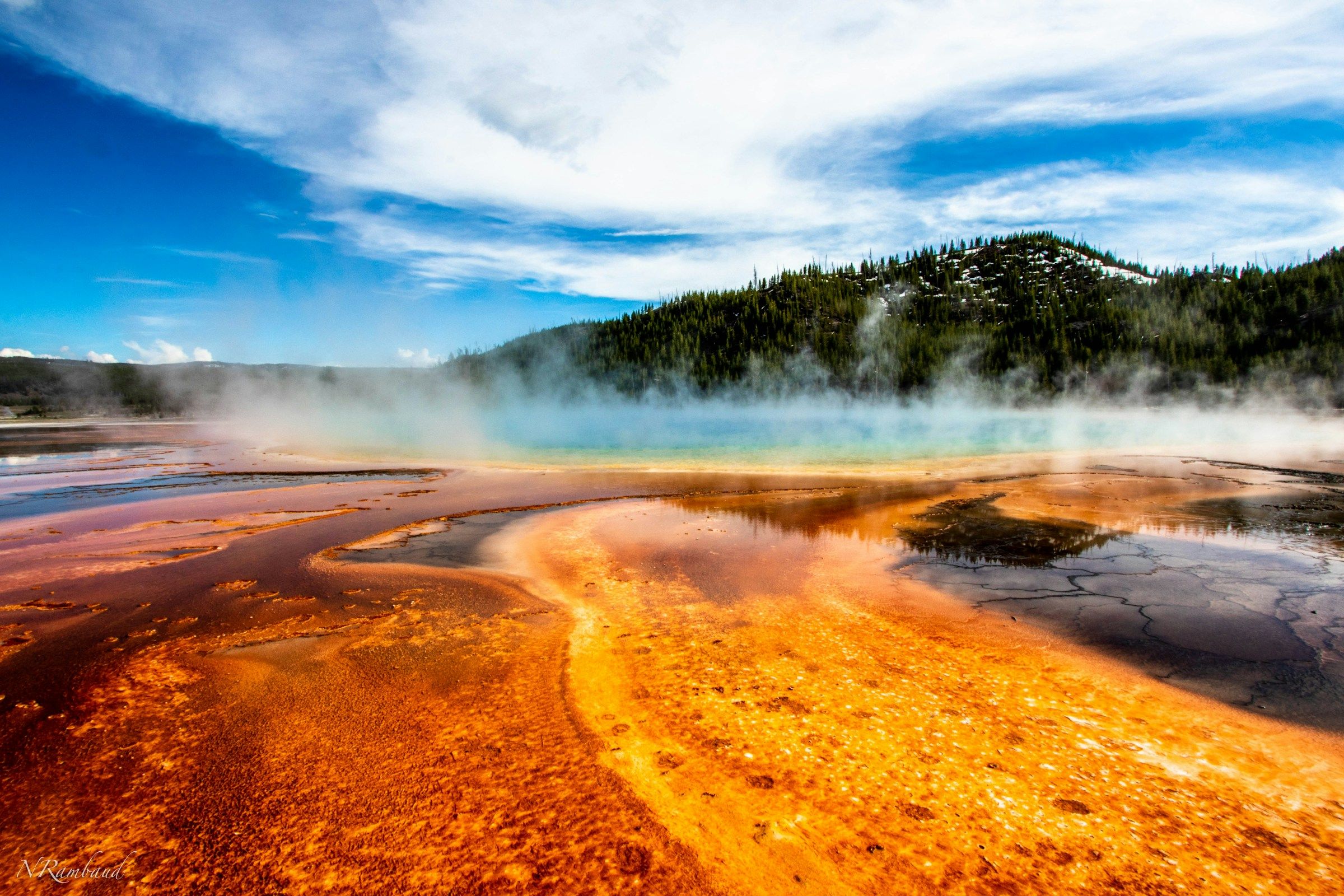
The ground around hot springs and geysers is not what it seems. The park’s 2026 advisory warns that people have been severely injured or even killed after stepping off boardwalks, where the thin, fragile ground can give way and drop them into scalding hot springs.[5] Some springs reach 200 degrees Fahrenheit or even hotter.[6] More than 20 people have died from intentionally entering or falling into hot springs.[6]
The consequences are not only physical. In 2026, a Texas man was sentenced to five days in jail after pleading guilty to walking off a designated boardwalk in a Yellowstone thermal area.[7] Pets are barred from these areas too, because they often mistake hot water for cold and can jump in with fatal consequences.[8] Even the boardwalks aren’t permanent. A hydrothermal explosion at Biscuit Basin on July 23, 2024 destroyed the boardwalk there.[9]
Hiking in Bear Country Without Preparing
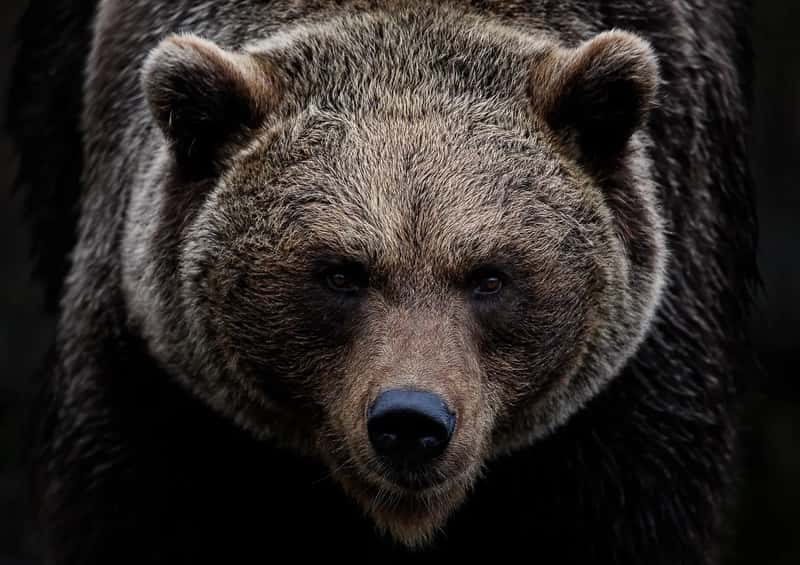
The park is plain about this one: all of Yellowstone is bear country, so carry bear spray and know how to use it.[10] Knowing how to use it matters as much as owning it. The park says to deploy bear spray when the bear is 60 feet away or less[11], and that it comes out as a cloud instead of a stream.[11] It also warns that a can can explode if it reaches 120 degrees Fahrenheit[11], which is a real risk in a parked car on a summer afternoon.
Group size and noise make a difference. Since 1970, 91 percent of people injured by bears in Yellowstone were hiking alone or with only one partner[3], so more than nine in ten. Calling out now and then helps, since the park advises periodically yelling “Hey bear”[1] so animals know you’re coming. Food matters too. Campers should use lockers or hard sided bear resistant containers approved by the Interagency Grizzly Bear Committee[11], and everyone should skip feeding animals, even birds and squirrels.[1]
Stopping in the Road When Animals Appear
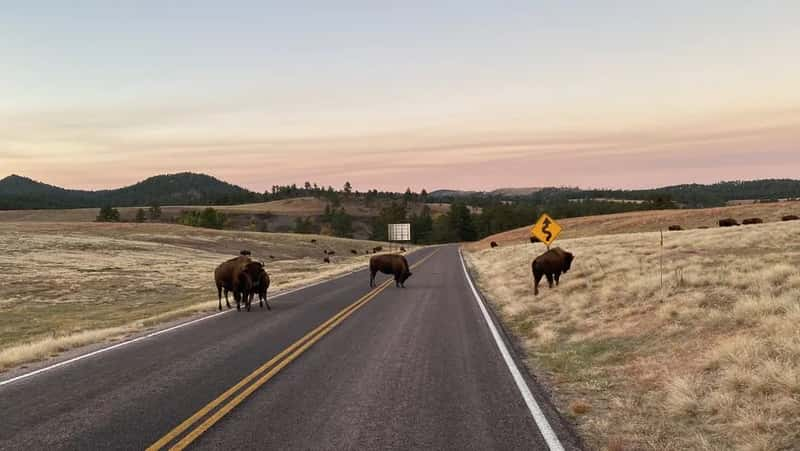
Few things slow a Yellowstone drive like a bison on the pavement or a bear near the shoulder. The park’s guidance is direct: do not stop your vehicle in the road.[10] Instead, use pullouts to watch wildlife and let other cars pass.[3] Visit Big Sky’s summer advice adds that when a bison or bear stops traffic, you should pull completely off the road and enjoy the moment from your vehicle.[12]
Roadside crowds can create their own risk. Local planning guidance suggests you park fully clear of traffic and leave room for passing vehicles and emergency access.[13] Another tip: stay in your vehicle if animals are close to the road, and don’t get out during a wildlife traffic jam.[14] The NPS 2026 advisory itself says to expect lines at entrance stations, construction areas, and roadside wildlife sightings.[10]
Underestimating Crowds, Distances and Weather
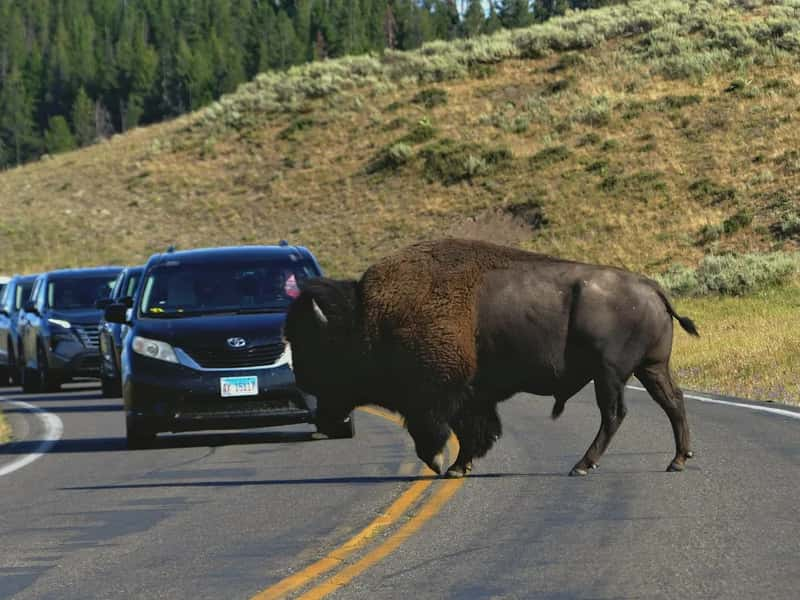
Yellowstone looks manageable on a map, but the roads tell a different story. One travel guide notes that traffic, bison jams, and 45 mile per hour limits slow everything down[15], and that road work and wildlife can double drive times. Timing matters just as much. Visit Big Sky says the National Park Service recommends arriving at an entrance before 7 a.m. or after noon, and avoiding the most crowded areas between 10 a.m. and 4 p.m.[12]
No reservation is needed to enter, but that doesn’t mean the park is quiet, since about 4.8 million people visited last year.[16] Conditions also change fast. The park says to expect big temperature swings, rain, or snow during every month of the year, and to bring a warm jacket, rain gear and layers.[5] Cell coverage is thin too, so don’t be surprised if you can’t receive calls or texts.[5] Download maps and eruption times before you go in.