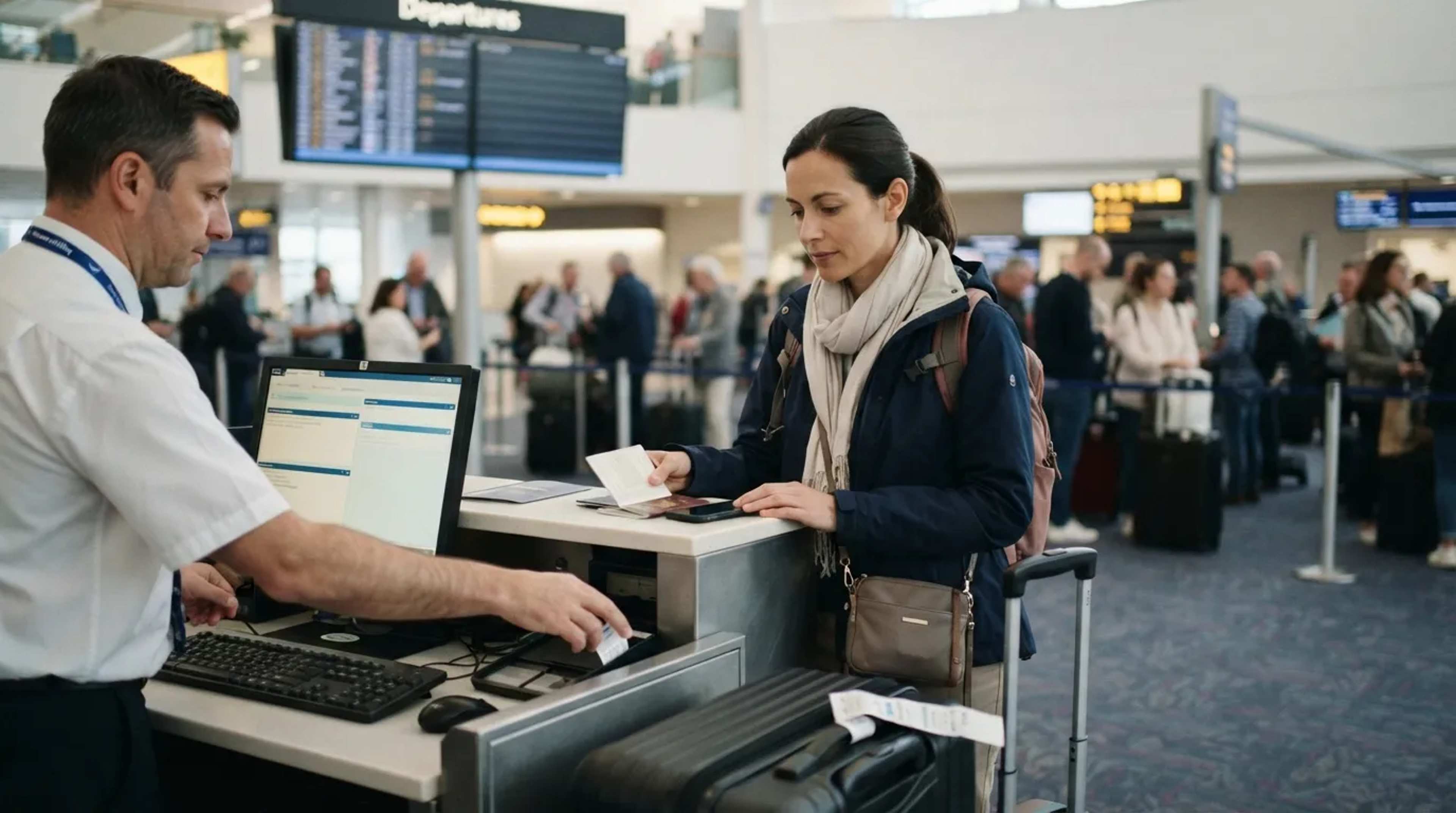
A family traveling on Delta flights discovered that a small detail on their luggage tags could determine whether credit card insurance would cover damaged baggage. The issue arose after the couple used an American Express card tied to their Delta SkyMiles account to pay for tickets. Their claim for a cracked suitcase was rejected because the bag had been tagged under their son’s name.
The Damage and Initial Response
During a recent trip, a Briggs & Riley suitcase belonging to the wife developed a significant crack near one wheel. The damage occurred while the bag was in transit with the airline. The family first submitted a claim directly to Delta for the repair costs. Delta declined the request. The airline explained that the manufacturer is known for standing behind its products with a lifetime guarantee, so it would not provide coverage. This left the family to pursue other options for reimbursement.
Amex Claim Rejection
The couple next turned to the baggage insurance benefit on their Delta SkyMiles Amex card. They had charged the eligible tickets to that card. The claim was denied because the damaged suitcase carried a baggage tag issued in their 12-year-old son’s name. The son’s ticket had been obtained through a redemption of Delta miles rather than a paid fare charged to the card. As a result, he was not considered a covered traveler under the policy terms. The claims administrator treated the tag name as the determining factor for ownership and eligibility.
Manufacturer Guarantee Steps In
Briggs & Riley ultimately repaired the suitcase at no charge under its lifetime guarantee. The family covered only the shipping cost of roughly $66 to send the bag to the repair center. This resolved the immediate problem but highlighted gaps in the airline and credit card processes. The U.S. Department of Transportation holds airlines responsible for baggage damage that occurs while bags are under their control. No clear exception appears in standard terms for cases where a manufacturer offers its own warranty.
Practical Steps to Protect Coverage
Travelers can reduce the risk of similar claim denials by following a few targeted practices before reaching the airport. These steps focus on matching baggage to covered tickets and documenting details in advance.
- Track which card paid for each traveler’s ticket and confirm the protections that apply.
- Decide in advance which family member will check each bag to align with the strongest available coverage.
- Instruct the check-in agent or self-service kiosk to tag bags under the correct passenger names.
- Photograph bags before travel and retain serial numbers or receipts for high-value items.
In some situations, accepting weaker protection may still make sense to reduce baggage fees. Families checking expensive luggage should weigh that trade-off explicitly.
Broader Implications for Cardholders
The experience shows how minor administrative details can override a traveler’s understanding of shared family property. Policy language generally covers personal baggage belonging to a covered person on a covered trip. Yet the baggage tag served as the decisive piece of evidence in this case. Nicolas noted that the family had not considered the tag name could override actual ownership. A different claims reviewer might have reached another conclusion with additional documentation showing the bag belonged to the wife. Travelers facing similar denials retain the option to appeal with supporting records.