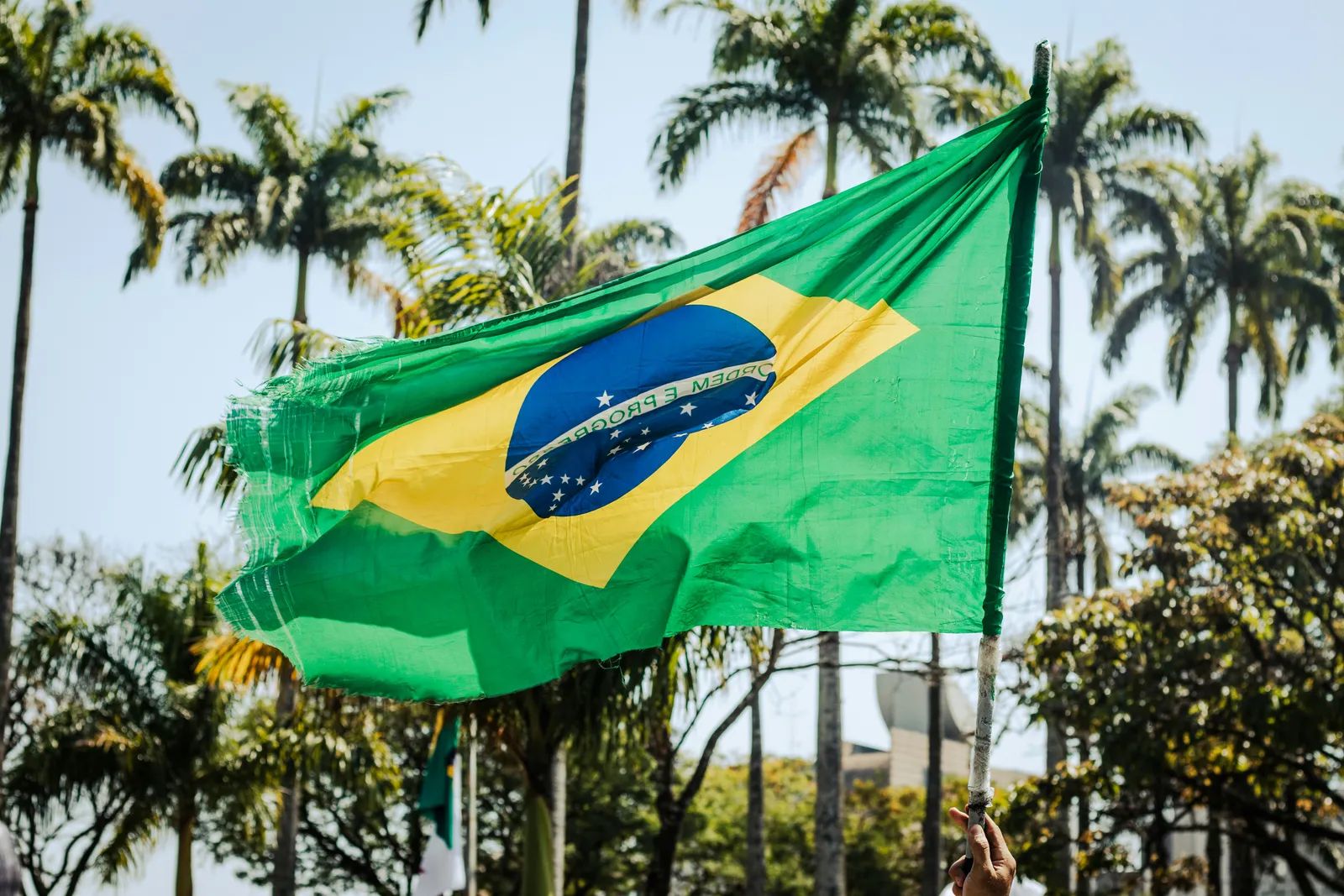
As Brazil prepares for a presidential vote on October 4 that could head to a runoff on October 25, the contest carries direct implications for the Amazon rainforest and the eco-tourism experiences it supports. The race features incumbent President Luiz Inácio Lula da Silva seeking another term against Senator Flávio Bolsonaro. Recent reductions in deforestation rates have improved conditions in parts of the forest, yet analysts note these advances remain vulnerable to policy changes. ([1])
Why the Vote Matters for Visitors Now
The Amazon draws travelers seeking guided rainforest treks, wildlife viewing, and community-based tours across Brazil, which holds roughly 60 percent of the biome. A shift in national priorities could alter enforcement of protections that currently limit illegal clearing and support sustainable access routes. Travelers planning trips in the coming years may encounter different levels of forest intactness and regulatory stability depending on the result.
Conservation groups have tracked how enforcement levels influence both ecological health and the reliability of tourism operations. When deforestation rises, it can fragment habitats and complicate the logistics of low-impact travel in remote areas. The upcoming vote therefore represents a practical checkpoint for operators and visitors who rely on stable environmental conditions.
Progress Achieved Under Current Policies
Lula’s administration has overseen a decline in Amazon deforestation to its lowest level in a decade through strengthened monitoring and enforcement measures. These steps have helped preserve larger tracts of forest that serve as backdrops for eco-lodges and river-based excursions. The improvements have also supported Indigenous territories that often partner with responsible tourism initiatives.
Analysts from the Climate Observatory, a coalition of Brazilian civil society groups, reviewed the candidates’ platforms and found that climate and environmental issues receive limited emphasis overall. Lula’s outlined approach includes continued focus on enforcement, though energy policy remains an area of ongoing discussion. The coalition’s assessment underscores that sustained attention will be required to maintain recent gains.
Potential Shifts and Their Practical Effects
Flávio Bolsonaro has signaled alignment with approaches that previously emphasized expanded agricultural and mining activity. Such priorities could ease restrictions on land use in sensitive zones, increasing pressure on forests that currently host many tourism sites. Reduced support for Indigenous land rights might further affect community-led tours that form a growing segment of Amazon travel offerings.
Observers note that a reversal of enforcement trends could accelerate habitat loss in regions popular with visitors. This would not only diminish biodiversity but also raise operational challenges for tour companies that market pristine wilderness experiences. The timeline for any policy adjustments would likely begin shortly after the October runoff if a change in leadership occurs.
Stakeholders Watching the Outcome
Local communities, international conservation organizations, and tourism businesses all have interests tied to the election result. Operators offering sustainable packages have benefited from clearer rules that discourage illegal activities near protected zones. A continuation of current trends could support longer-term planning for new low-impact infrastructure.
Environmental analysts emphasize that the Amazon’s role as a global carbon sink and biodiversity hotspot remains central to its appeal for travelers. Any weakening of protections could narrow the window for certain experiences, such as multi-day treks through undisturbed canopy areas. The vote therefore influences not only policy documents but also the tangible conditions travelers encounter on the ground.
What Matters Now for the Region’s Future
The coming weeks will clarify whether Brazil maintains its recent conservation trajectory or adjusts course toward greater resource extraction. For those drawn to the Amazon’s unique landscapes, the election outcome will help determine the durability of the forest settings that make eco-tourism viable. Sustained monitoring and international attention may play roles in shaping how these developments unfold.
Travelers and operators alike are tracking the results for signs of continuity or change in enforcement practices. The Amazon’s status as one of South America’s premier natural destinations rests in part on the policy direction chosen at the ballot box this fall.