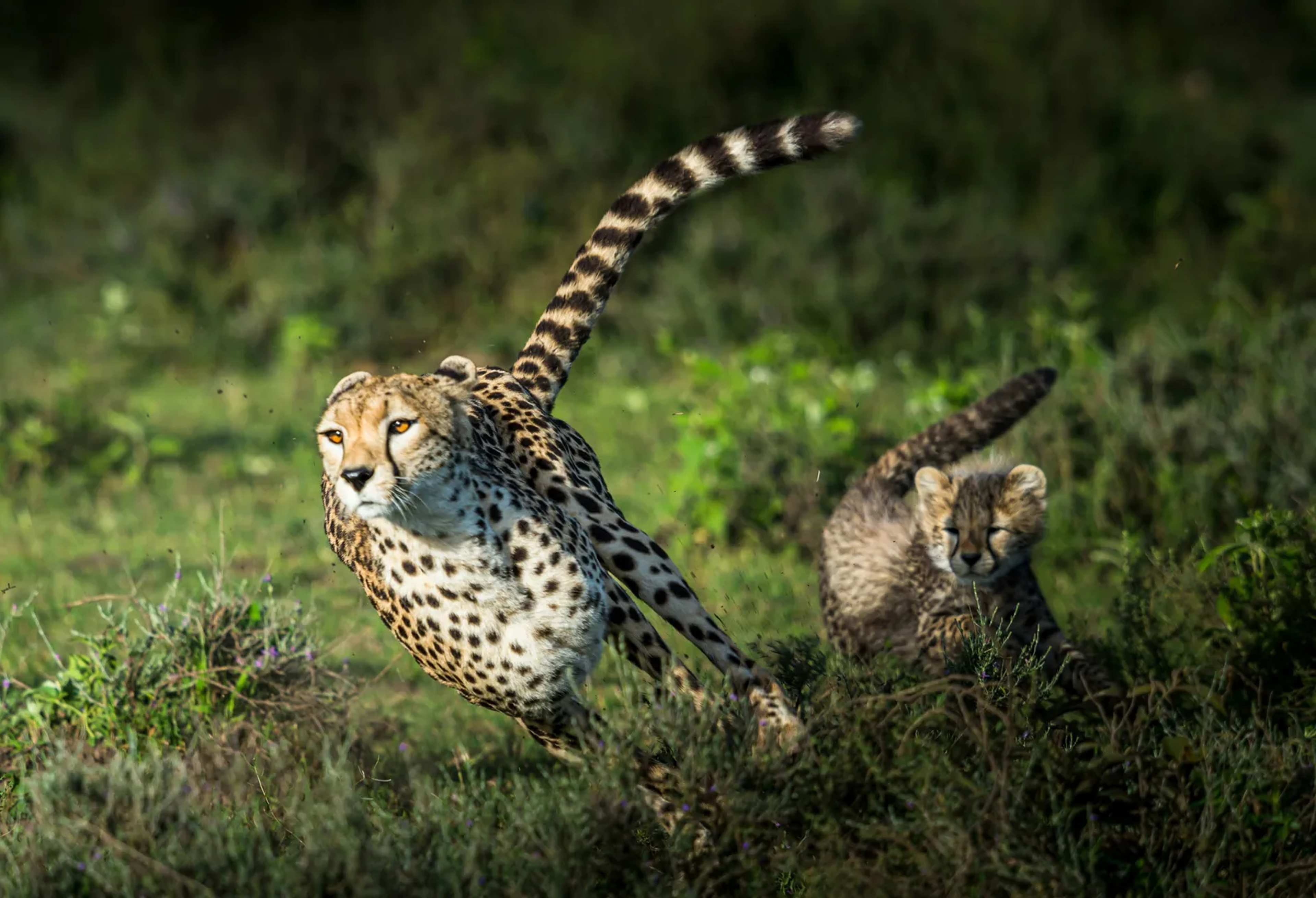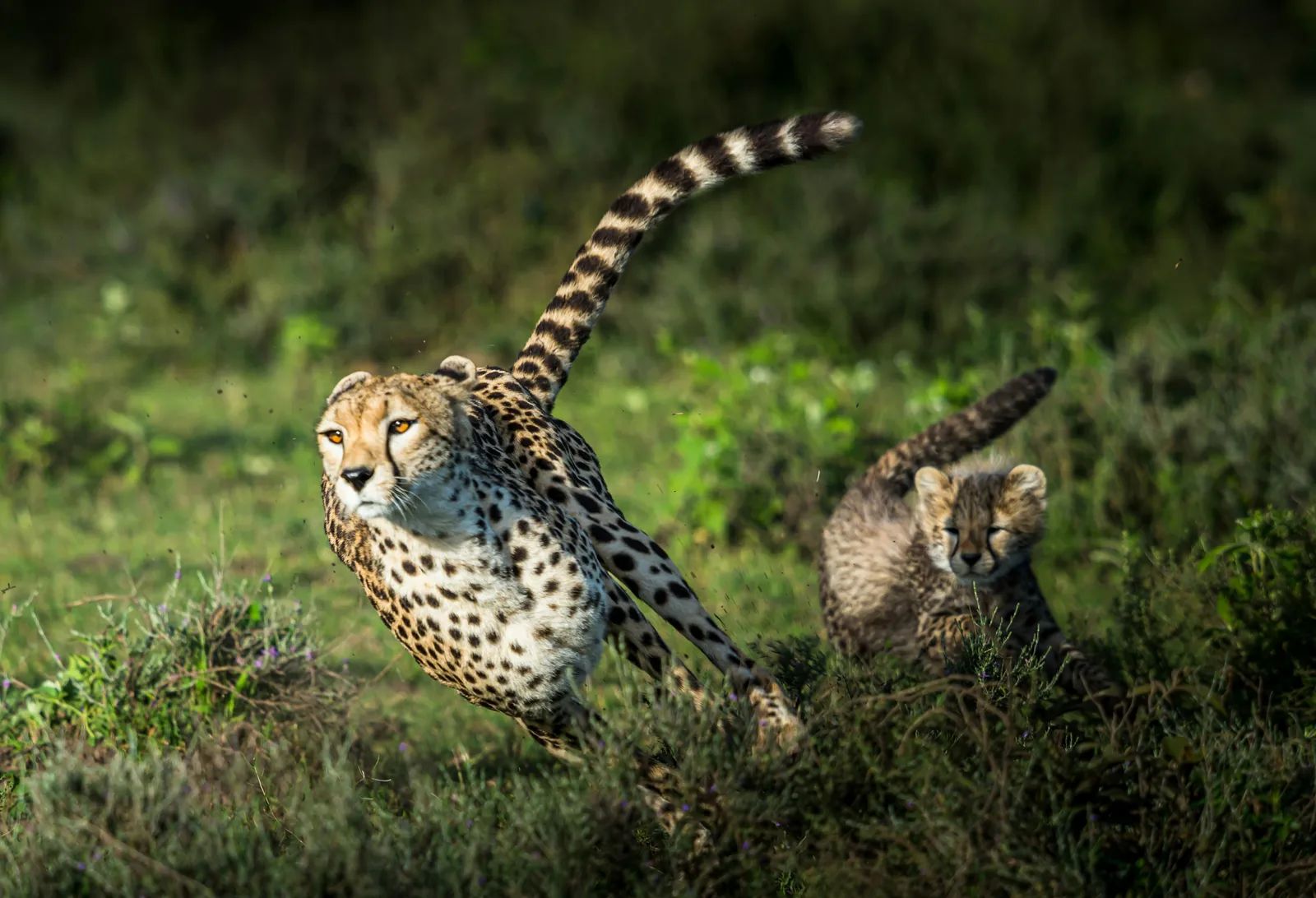
South Africa – Conservation teams have documented a clear measure of progress for one of the planet’s most threatened large cats. Twelve cheetahs born in captivity were placed in seven fenced game reserves and monitored for two years through GPS collars. The results show that most of the animals adjusted to their new surroundings and produced offspring, a development that stands out against the broader decline of the species across its range. ([1])
Why the releases matter now
Cheetah populations have fallen sharply in recent decades due to habitat loss, human conflict, and reduced prey. Reintroduction programs therefore carry practical weight for managers who oversee protected areas. The South African effort tested whether animals raised in captivity could function in reserves that already held wild cheetahs. The fenced setting reduced the risk of animals straying into farmland or roads, yet still allowed them to encounter natural conditions and other cheetahs.
Tracking results over two years
Researchers followed the twelve animals closely after release. Three cheetahs died during the study period. The remaining nine survived and established themselves within the reserves. All of the females gave birth within four months of arrival. The group has since produced 36 cubs, and those cubs have gone on to produce 19 grand-cubs. These numbers provide direct evidence that the released animals not only lived but formed breeding populations inside the reserves.
Practical outcomes for reserve management
The study shows that captive-bred cheetahs can integrate into existing wild populations when placed in secure, prey-rich areas. Reserve managers gain a tested option for bolstering numbers without relying solely on animals captured from the wild. The fenced boundaries helped limit dispersal while still permitting natural behaviors such as hunting and territorial movement. The timeline of reproduction, beginning within months of release, indicates that the animals did not require extended adjustment periods.
What matters now
The findings supply reserve operators and wildlife agencies with measurable results from a controlled reintroduction. Continued monitoring will show whether the second and third generations maintain the same survival and breeding rates. For areas already managing wild cheetahs, the data support the use of captive-born animals as a supplementary tool rather than a replacement for protecting existing populations. The approach remains limited to fenced reserves, so broader landscape connectivity and anti-poaching measures stay essential for the species as a whole.