Moving abroad is one thing. Getting a passport from your new home is another, and the gap between the two can be a couple of years or a few decades. Some governments treat naturalization as a routine administrative step. Others treat it as something close to a closed door.
The rules also keep changing. Portugal, Peru and Argentina have all seen major shifts in the past two years, so older guides can mislead. What follows compares seven countries with short, achievable paths and ten where citizenship is slow, selective or barely available to outsiders.
Argentina: The Two Year Standard

On paper, Argentina has the shortest standard route in the world. It requires two years of continuous legal residence before you can apply.[1] The rule comes from a law dating back to 1869.[2]
The picture is less simple in 2026. Parts of the 2025 reform, Decreto 366/2025, were struck down by Argentine courts in 2026.[3] The procedure remained under legal challenge as of October 2026.[4] Anyone planning around Argentina should check the current status before committing.
Paraguay: Three Years and Real Ties
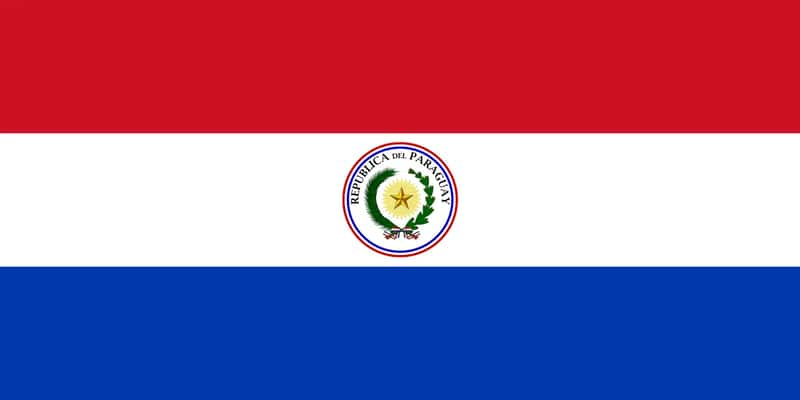
Paraguay’s rule sits in its constitution. Article 148 is built around a three year residency period, after which foreign residents may become eligible for citizenship.[1] That makes it one of the quickest options in the Americas.
Residency itself is relatively cheap to start. An investment route costs about 70,000 US dollars, and applicants are expected to spend real time in the country and build basic ties.[2] Some comparison tables show a much longer timeline, so it’s worth confirming the details with official sources before you plan.
Uruguay: Faster With a Family
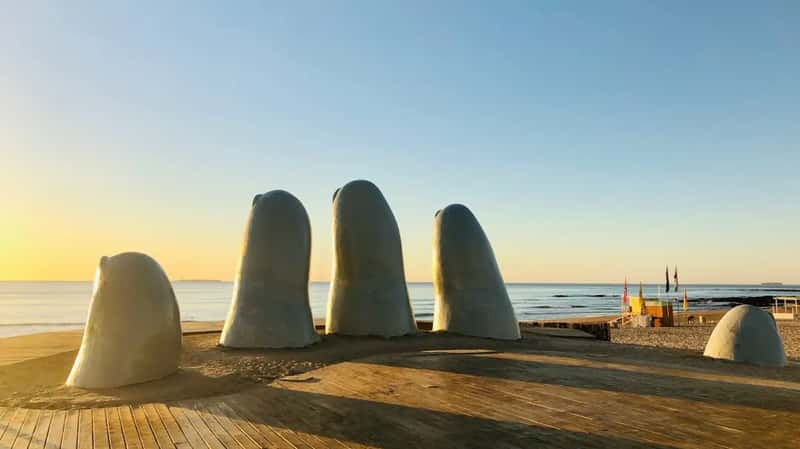
Uruguay ties the waiting time to your family situation. Article 75 of its constitution grants legal citizenship after three years of habitual residence for people with a family in the country.[4] Single applicants need five years.[2]
The process isn’t purely a matter of counting days. Authorities look for evidence of genuine ties and settled residence.[5] That’s a fair expectation, and it keeps the system from being a paper exercise.
Brazil: As Little as One Year

Brazil’s ordinary route is already moderate. It requires four years of residence, but the period falls to one year for people with a Brazilian child or a Brazilian spouse or civil partner.[4] Few countries offer a family shortcut that short.
For someone with no family link, four years still compares well with most of the world. The country’s size and variety of visa categories mean the practical steps depend heavily on your situation. Even so, the legal clock is among the shortest you’ll find.
Ecuador: Three Years, Spanish Required
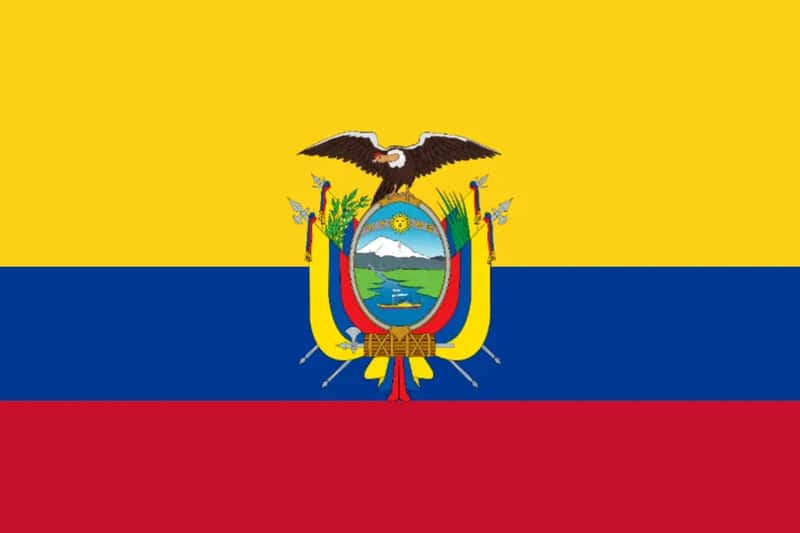
Ecuador asks for a short residence period but a few other conditions. Citizenship requires three years of permanent residency, Spanish language ability and proof of economic self sufficiency.[3] The language piece is where many applicants spend their preparation time.
The country also doesn’t force a choice between passports. Dual citizenship is allowed.[3] For people who want a second nationality without giving up the first, that’s a real advantage.
Dominican Republic: Two Years on Paper
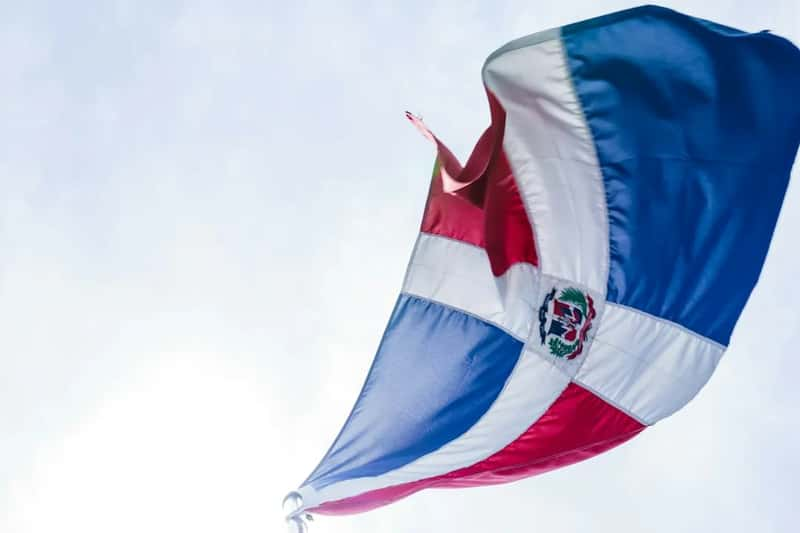
The Dominican Republic formally sits at the short end of the scale. It allows naturalization after two years of permanent residency, though practice runs slower.[2] The gap between the written rule and real timelines matters when planning.
The region shows how quickly the picture can shift. Peru’s Law 32421, published in August 2025, raised naturalization from two years of residence to five and added an income test.[4] A country that was easy last year may not be now.
Mexico: Five Years, Fewer for Latin Americans
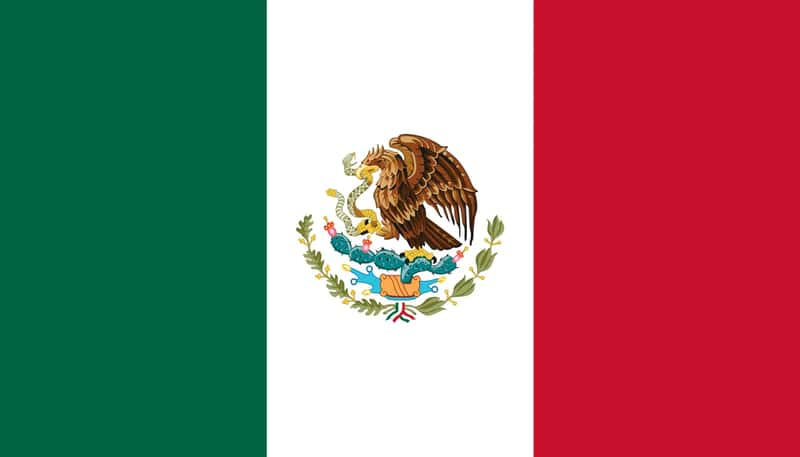
Mexico’s standard period is longer than the South American leaders, but it still sits on the easier side globally. The standard requirement is five years, with two years for Latin American and Iberian nationals.[4] Applicants also face a Spanish and culture exam.
The exam is the main hurdle for many people, since a short stay on a residence permit won’t prepare you for it. Applicants who already speak Spanish will find the path fairly direct. For others, the language study is the real work.
Qatar: A Quarter Century of Waiting
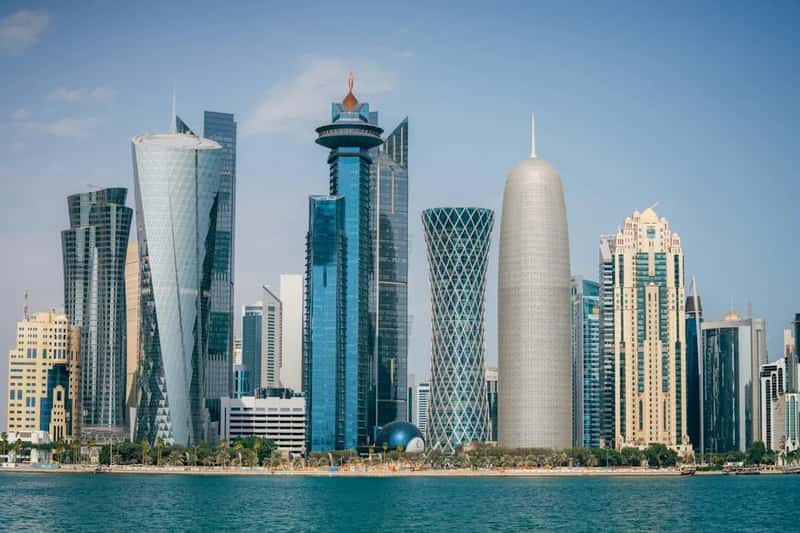
Qatar is often named as the hardest. It reportedly requires 25 consecutive years of legal residence before you can even apply.[6] That alone puts citizenship out of reach for most workers.
The numbers explain why the path feels closed. Qatar also reportedly caps naturalization at roughly 50 people a year.[7] Expatriates make up about 88 percent of the population, yet the route to citizenship remains virtually closed.[7]
Kuwait: A Path That Barely Exists

Kuwait’s problem is less about a long wait than about the lack of a dependable route. One 2026 ranking places it at the top because the naturalisation pathway has effectively been eliminated.[8] That’s a stronger claim than most countries on this list face.
Even before that, outcomes were hard to predict. Kuwait is known for opaque implementation of its citizenship laws, with rare naturalization and little public transparency about eligibility.[9] Applicants can’t easily tell what would count in their favor.
Liechtenstein: Thirty Years and a Vote

Liechtenstein is tiny, and it guards its citizenship accordingly. One comparison says it requires 30 years of residence along with a citizen referendum vote.[6] That means your neighbors have a direct say.
The wait is only part of the difficulty. It’s described as one of the hardest countries for citizenship even after long term residence.[10] In a country with so few citizens, the political sensitivity is built into the process.
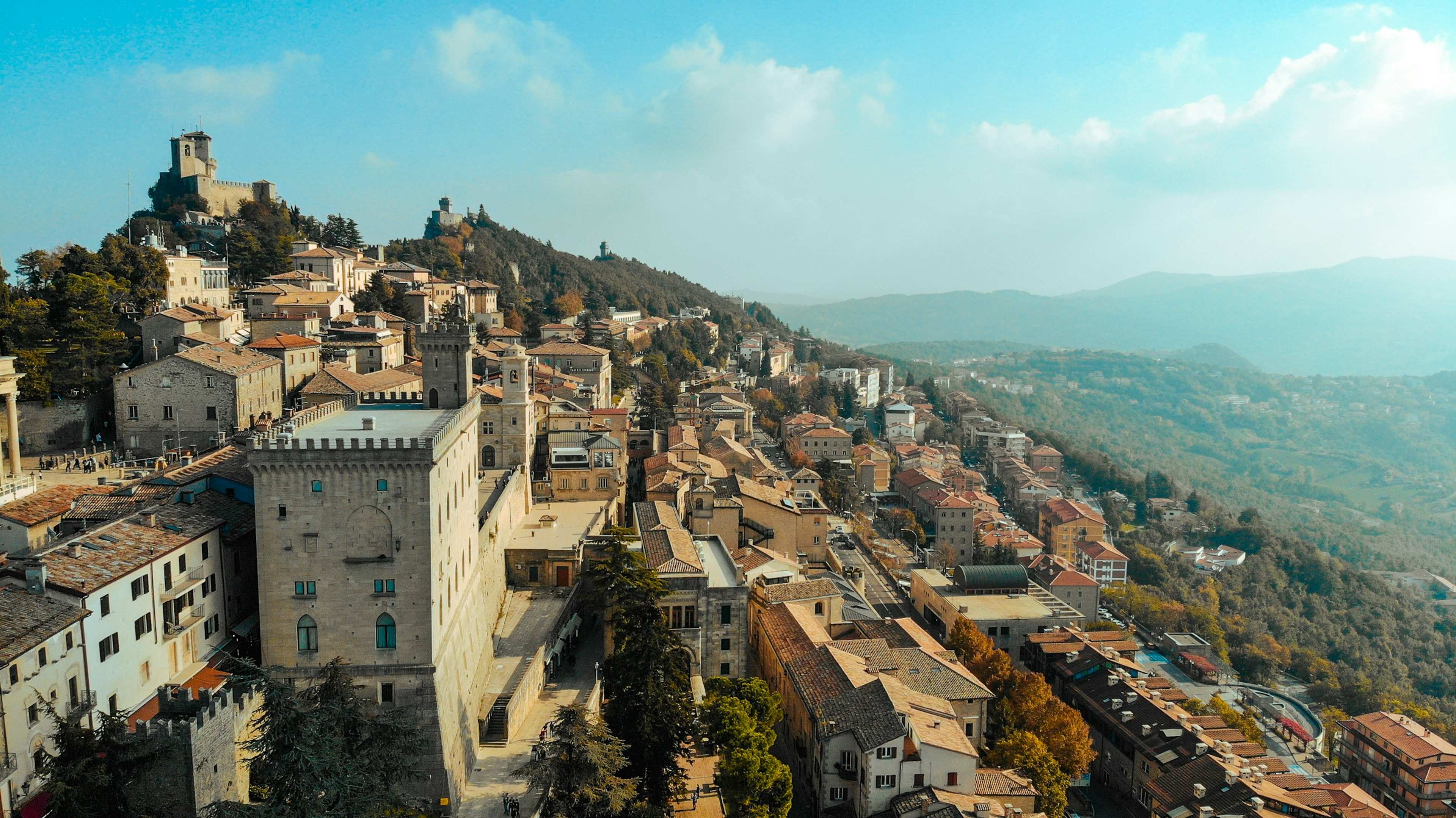
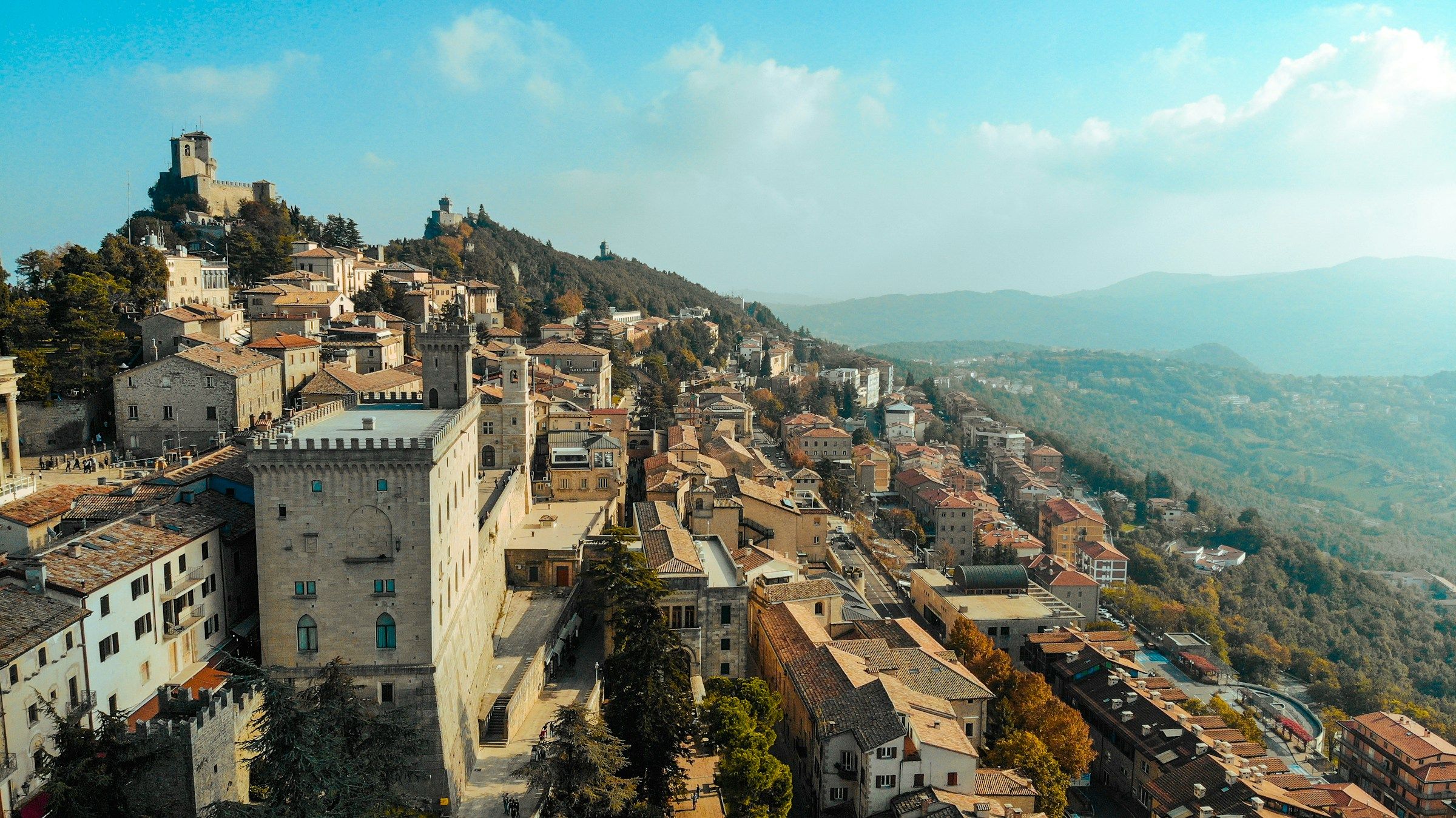
San Marino: Thirty Years Unless You Marry In
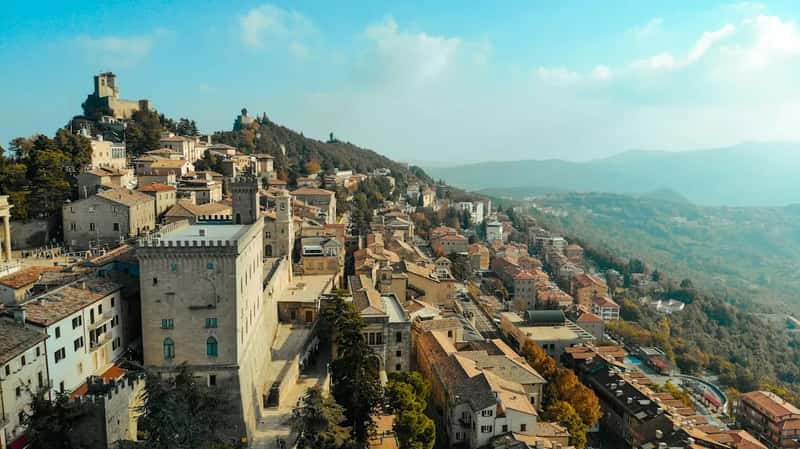
San Marino sets one of the longest standard waits in the world. It requires 30 years of residency for standard naturalization, reduced to 10 years for those married to citizens.[7] Marriage is by far the most realistic route.
There’s a second condition that deters many. The process reportedly requires renouncing any other citizenship.[6] Giving up an existing passport is a big ask on top of three decades of residence.
Bhutan: Twenty Years and Royal Discretion

Bhutan combines a long wait with an element of personal judgment. The Himalayan kingdom requires a minimum of 20 years of residency before you’re eligible to apply.[6] One comparison adds that royal discretion is involved.[6]
Birth doesn’t make it simpler. Both parents must be Bhutanese for automatic citizenship by birth, and dual nationality is strictly prohibited.[7] The system is built to protect a small population and a distinct culture.
Vatican City: Citizenship Tied to the Job

The Vatican doesn’t really have a naturalization process in the usual sense. Citizenship goes only to clergy members, diplomats and Church workers employed by the Holy See.[6] No natural path exists for ordinary foreigners.[6]
Citizenship also follows the role rather than the person. It becomes automatic only through Church employment or a diplomatic appointment.[6] Without one of those roles, there’s nothing to apply for.
North Korea: A System Hidden From View
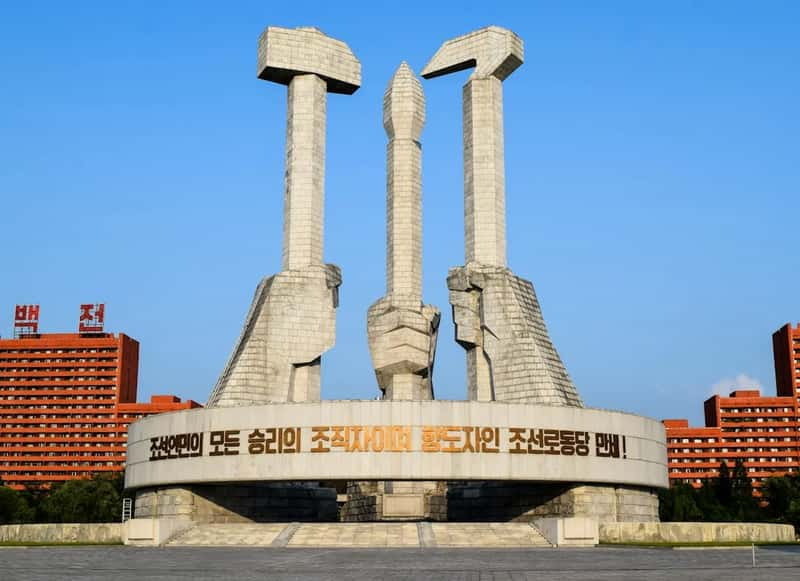
North Korea is hard for a different reason: almost nothing is public. Its requirements are undisclosed, and naturalization is virtually impossible for non ethnic Koreans.[7] The regime provides virtually no information about how foreign nationals might acquire citizenship.[6]
Where naturalization has happened, it has been rare. Practical cases have been limited to historical groups, including Soviet Koreans, ethnic Chinese and Japanese wives of repatriates.[7] For a typical foreign applicant, there’s no usable route to follow.
Saudi Arabia: Exceptions Only
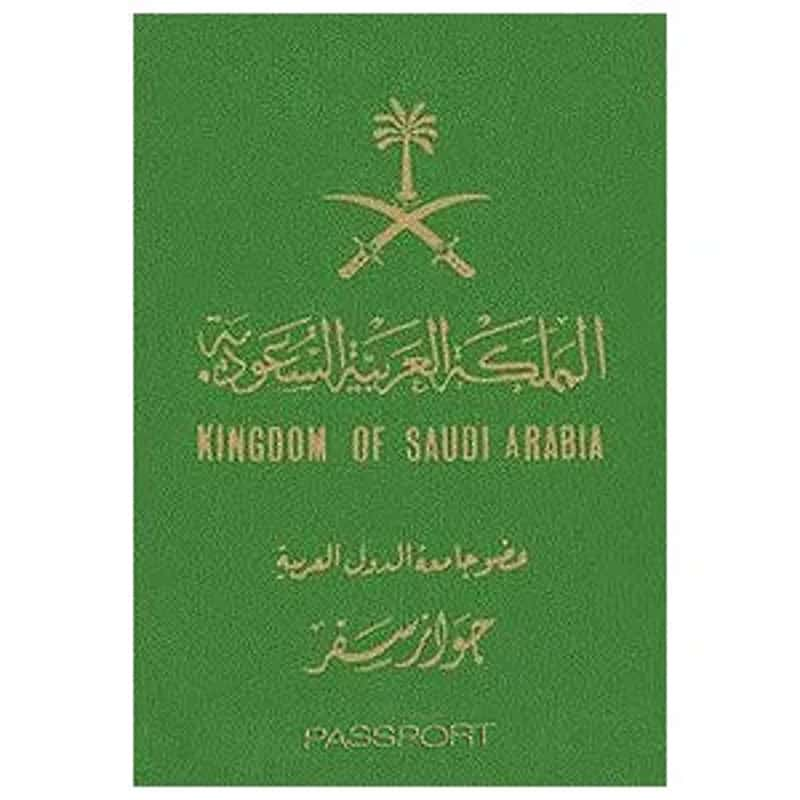
Saudi Arabia keeps naturalization narrow. It is tightly controlled and granted only in exceptional circumstances.[9] Long term expatriate workers shouldn’t count on it.
Dual nationality is another obstacle. The country technically doesn’t allow it, though enforcement is inconsistent and senior officials may hold more than one passport under special circumstances.[9] One comparison also lists it among countries with residency expectations of 15 years or more.[11]
Switzerland: Ten Years and Three Layers of Approval
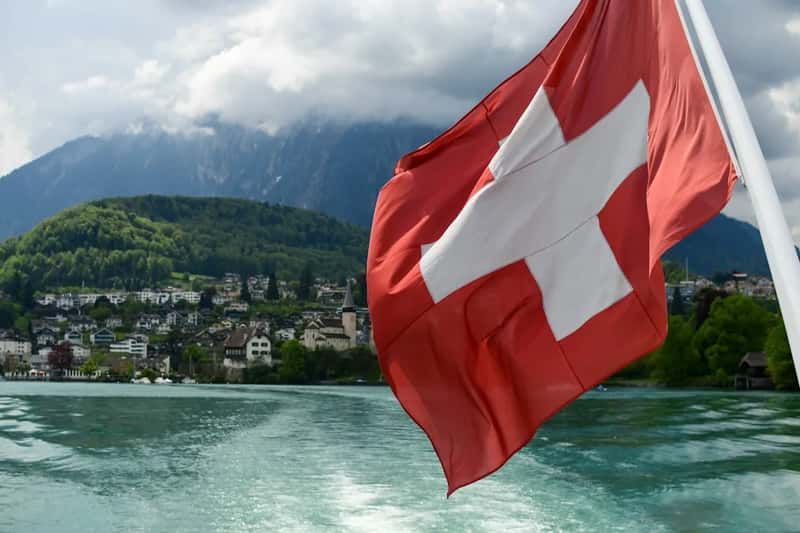
Switzerland is open in principle and demanding in practice. Applicants need ten years of lawful residence, including three of the five years immediately before applying.[12] They also need a C settlement permit, plus two to five years of residence in their canton depending on cantonal law.[13]
The timeline stretches longer than the headline number. The total journey typically spans 11 to 13 years, since ten years of residency are followed by 12 to 36 months of administrative processing.[14] The language requirement is B1 spoken and A2 written in a Swiss national language.[14]
Austria: Strict Rules Within Europe
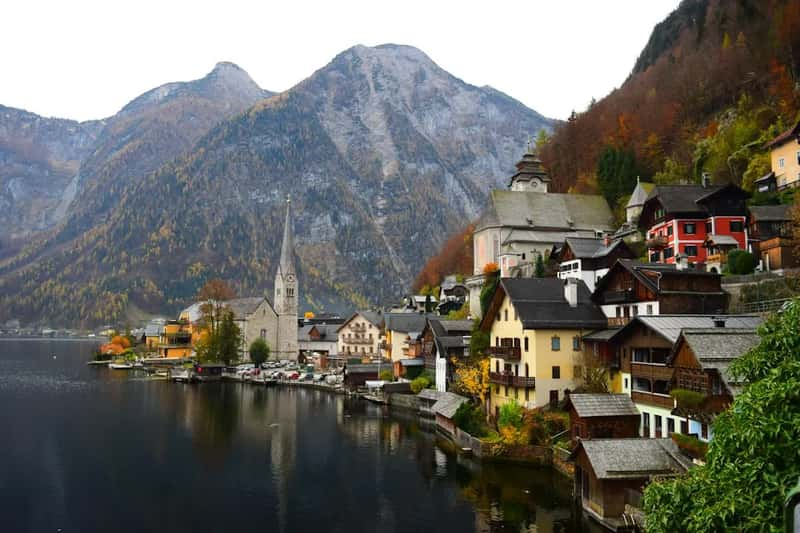
Austria is the toughest of the Western European systems on this list. It’s grouped with Denmark and Switzerland for long residency requirements, high language standards, difficult exams and strict assessments of integration.[15] Meeting the minimum isn’t enough to guarantee approval.
Dual citizenship adds another hurdle. Austria generally doesn’t allow it, except in rare cases such as children born with multiple nationalities or when permission is explicitly granted.[9] For most applicants, citizenship means giving up the passport they came with.