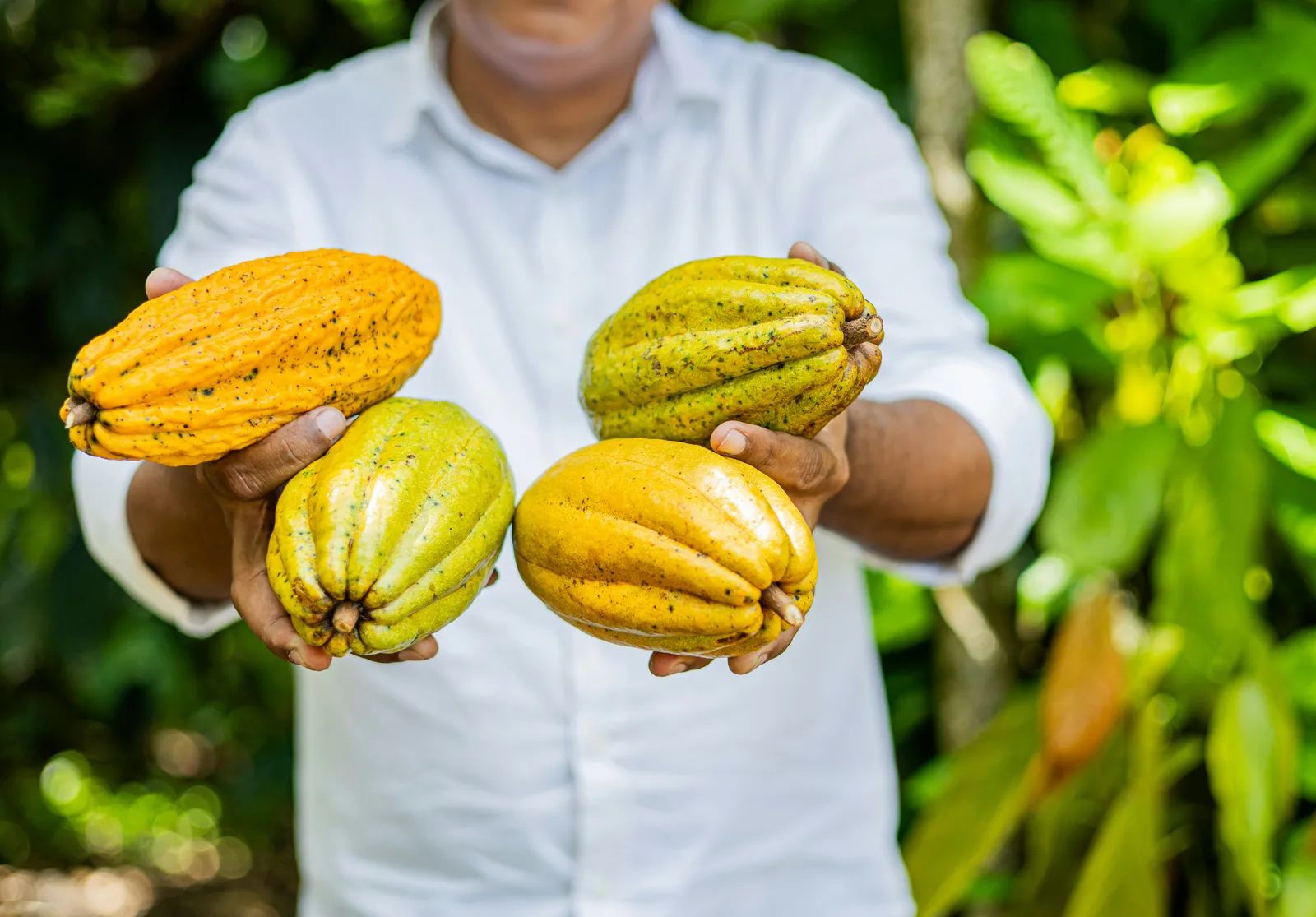
Ghana – Heavy rainfall at one narrow stage of cacao growth is helping explain why the country’s harvests rise and fall sharply from year to year. A study from the Harvard University Center for the Environment, published in September, points to short, intense rains during flowering and early pod development as a key driver of those swings. The finding matters because Ghana and neighboring Côte d’Ivoire together supply roughly 60 percent of the world’s cocoa, the main ingredient in chocolate. Researchers examined daily weather records and production data to isolate the pattern. ([1])
The Narrow Window That Matters Most
Cacao trees flower and set young pods during a brief period each year. When heavy rain arrives then, many flowers and tiny pods fail to develop properly. The result is fewer mature pods at harvest time. The Harvard team found this single weather factor, combined with dry-season drought, accounts for about two-thirds of the year-to-year changes in Ghana’s output. Other possible causes, such as aging trees or pests, did not explain the fluctuations as clearly once rainfall timing was considered. Farmers in Ghana have long watched the skies during this phase. Yet the study shows that even brief, unseasonal downpours can erase gains made earlier in the season. The pattern helps explain why production has been volatile even when overall rainfall totals look average.
How Researchers Reached Their Conclusion
The team began the work in 2024 after global cocoa prices jumped following several weak West African harvests. They reviewed daily rainfall and temperature records alongside official production figures. The analysis revealed a consistent link: excess rain during flowering and early pod set reliably preceded lower yields. Lead researcher Anna Lea Albright noted that the two weather factors together explain most of the observed variability. The study did not claim that climate change is the sole cause. It simply documented how current rainfall patterns already create large swings in output. The researchers stressed that more work is needed to understand how these patterns may shift in coming years.
Why the Finding Matters Beyond Ghana
Cocoa is a major export earner for Ghana and a critical input for chocolate makers worldwide. When harvests drop, supply tightens and prices rise. The new research suggests that efforts to stabilize production must look beyond total rainfall or average temperatures. Timing of rain events during the flowering window now appears central. Policymakers and agricultural programs may need to adjust planting calendars or develop varieties that tolerate brief heavy rains at this stage. The study also underscores the value of detailed daily weather data for forecasting harvests months in advance.
What Comes Next
The Harvard findings open the door to more targeted research on cacao resilience. Scientists are now examining whether certain growing regions within Ghana are more vulnerable than others. They are also exploring whether improved forecasting of short-term rain events could help farmers protect young pods. For now, the work shows that one specific weather window carries outsized influence on a crop that supports millions of livelihoods and feeds a global appetite for chocolate. Understanding that window better could help Ghana’s cocoa sector adapt to whatever rainfall patterns lie ahead.