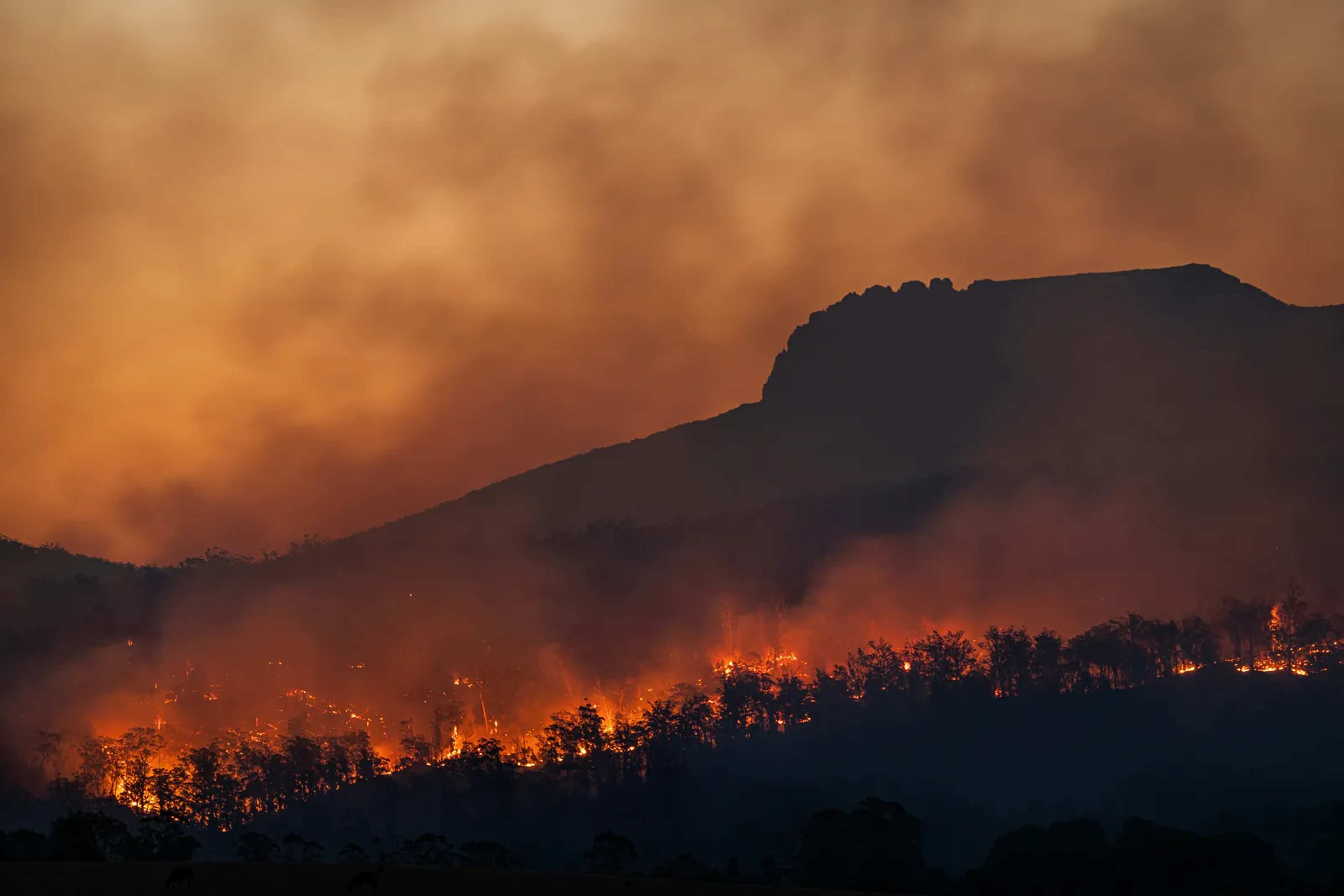
Honduras – The government has declared an “environmental emergency” in the Río Plátano Biosphere Reserve, the largest protected area in the country. The presidential decree, issued Nov. 10 ([1]), cites deforestation, organized crime and the expansion of cattle ranching as the main pressures on the reserve. The emergency will last 36 months, a timeline that signals the government expects the problem to persist well beyond the initial announcement.
A large reserve spread across three departments
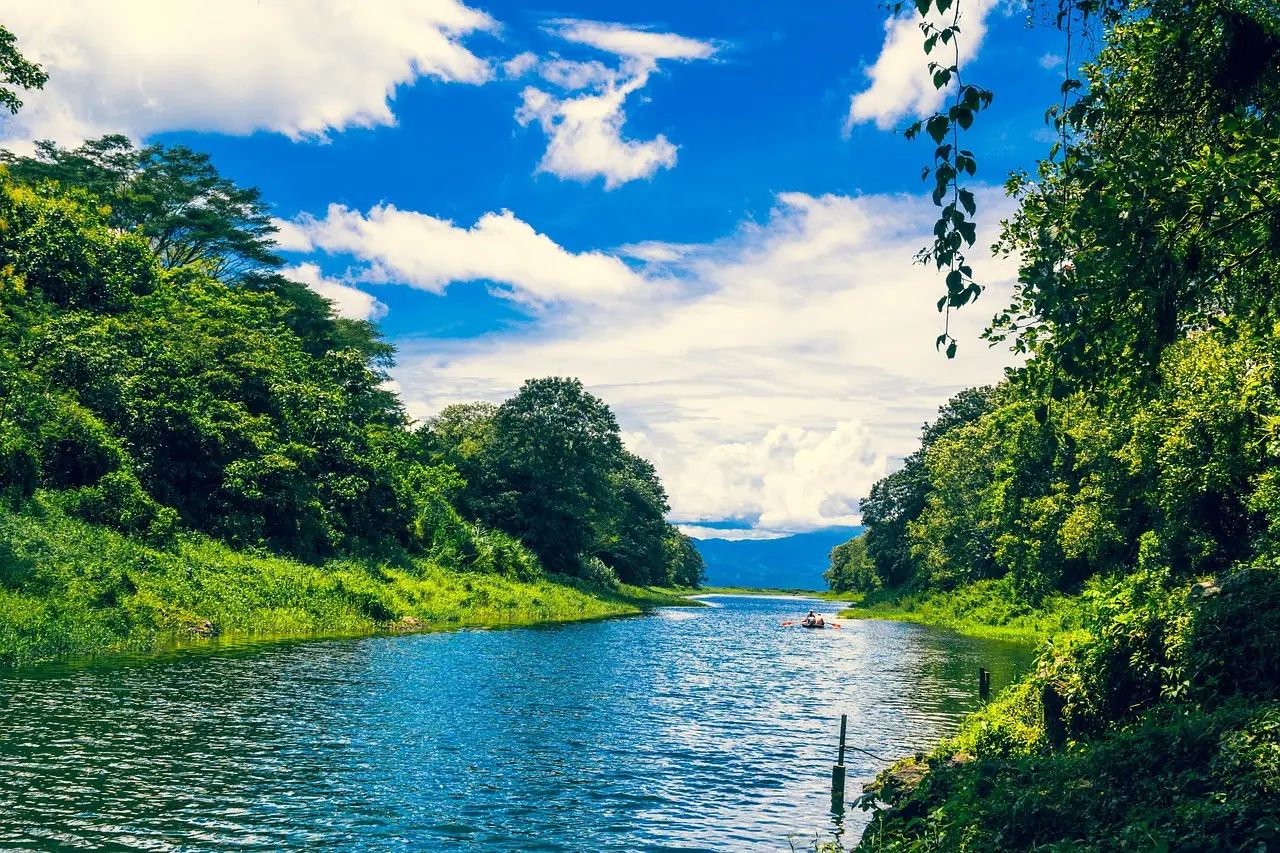
The reserve covers more than 832,000 hectares, or about 2 million acres, and stretches across the departments of Gracias a Dios, Colón and Olancho. It is home to numerous Indigenous Miskito, Pech and Garífuna communities, which makes the protected area as much a social landscape as an ecological one.
Part of the reserve gained international recognition in 1982, when it was designated a UNESCO World Heritage Site. Its remote position along the Nicaraguan border has made it difficult to monitor, and that isolation has left it open to a range of illegal activities, including drug trafficking, gold mining, wildlife trafficking and road building.
Forest losses and a warning from UNESCO
The Forest Conservation Institute (ICF), the agency that manages the country’s forests, reports that at least 6,691 hectares were cut down between 2023 and 2025. That figure, roughly 16,533 acres, gives a concrete measure of how quickly clearing has advanced in a short period.
The reserve has been on UNESCO’s List of World Heritage in Danger since 2011. That list is reserved for sites facing serious threats to their environmental or cultural value, and the designation has carried the reserve’s problems onto the international stage for more than a decade.
What the decree sets out
- A 36-month emergency period, issued by presidential decree on Nov. 10
- 1.5 billion Honduran lempiras, or more than $55 million, allocated over three years
- An stated goal of halting “environmental deterioration” in the reserve
- A shift from responding to threats toward ongoing action with defined resources
A test of the government’s stated commitment
Presidential legal advisor Roberto Zacapa framed the decree as a change in approach. In the official statement, he described it as a commitment to move from addressing threats to sustained intervention, backed by clear institutional roles. The emphasis on named responsibilities suggests the government wants accountability for results, not just a declaration.
The money is substantial relative to many conservation budgets, yet the outcome will depend on whether funds reach the field and whether enforcement can keep pace with clearing and trafficking. Reporting on the decree so far points to resources and responsibilities, and the decree’s effect on the ground will become clearer as the three-year period unfolds.