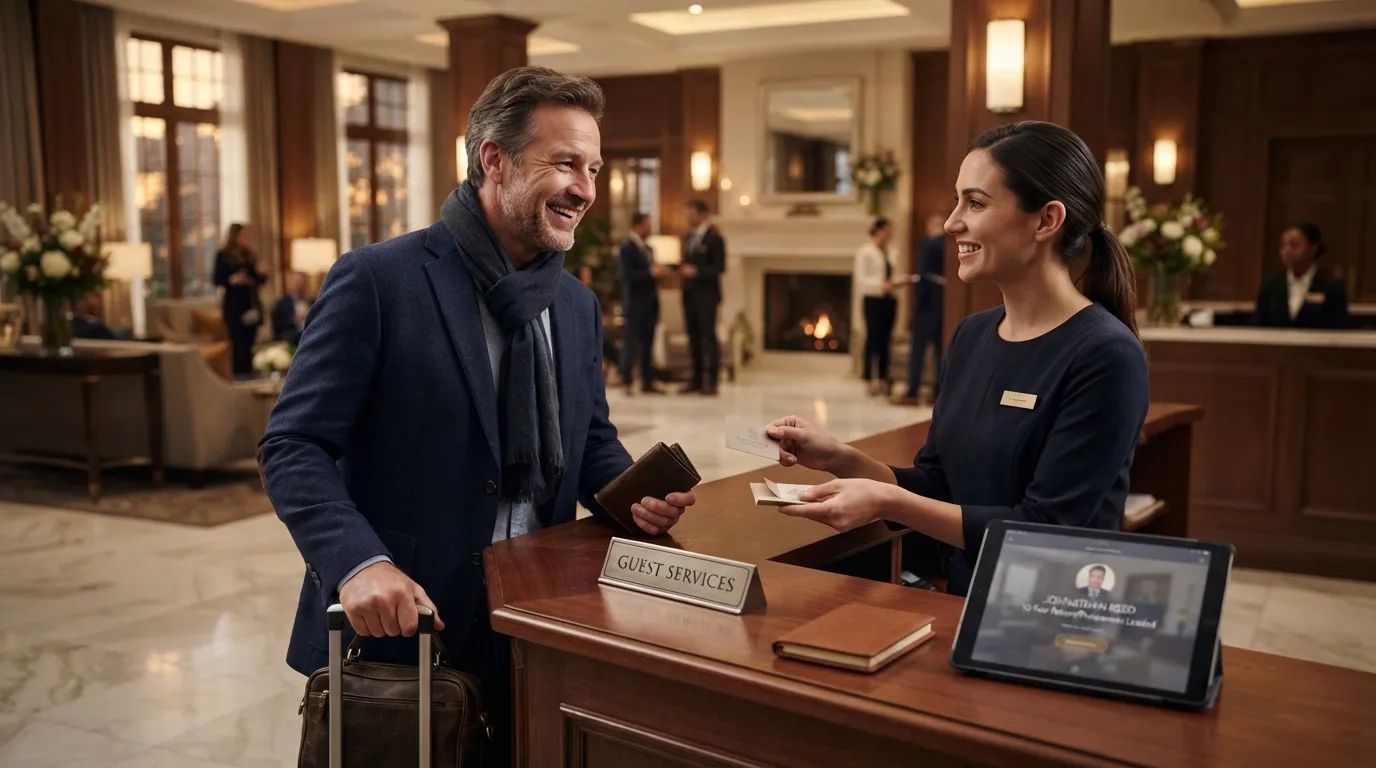
Front desk agents hear the same lines dozens of times a shift, and most of them have nothing to do with getting a better room. Upgrades happen because of availability, loyalty status, timing, and how a conversation goes, not because a guest demanded one. After years of standing behind that counter, certain phrases stand out as the fastest way to talk yourself out of a nicer room rather than into one.
None of this is about punishing guests or playing favorites. It’s about how tone and wording shape the split-second decisions agents make when a suite happens to be open. Here are seven things guests say that tend to work against them, based on how hotels actually assign upgrades.
1. “I always get upgraded here”

This one sounds like it should help, but it often backfires. Agents don’t like being told what’s supposed to happen before they’ve even looked at the reservation, and framing an upgrade as an entitlement rather than a possibility puts them on the defensive. Hotels track room assignments closely, and staff can usually see the actual history in seconds, so an exaggerated claim is easy to spot.
Loyalty programs like Marriott Bonvoy and Hilton Honors do offer upgrade benefits at certain elite tiers, but those are tied to specific status levels, not general hotel habits. Saying something like “I’m a Gold member, is there any upgrade availability tonight” tends to land better than a blanket statement about past visits. The difference is subtle, but it changes the interaction from a demand into a reasonable question.
2. “This is my honeymoon/anniversary/birthday”
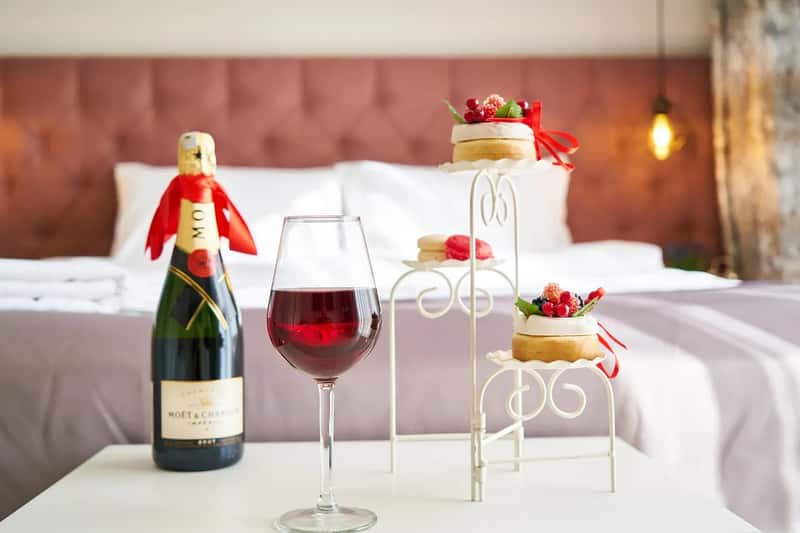
Special occasions are mentioned constantly, sometimes several times a day at busy properties, which has diluted their impact over the years. Agents want to make a stay memorable when they can, but the sheer volume of celebration claims means staff can’t treat every one as a strong signal for a free upgrade. If the occasion is genuine, agents will still try to help in small ways such as a note on the door or a champagne split, but it rarely translates into a full category jump.
What actually moves the needle more is booking directly through the hotel and mentioning the occasion at that stage, since it gets flagged in the reservation notes before arrival. A guest who shows up and announces it cold, especially with urgency in their voice, is competing with everyone else who said the same thing that week. Timing and documentation matter more than the announcement itself.
3. “I know the manager”
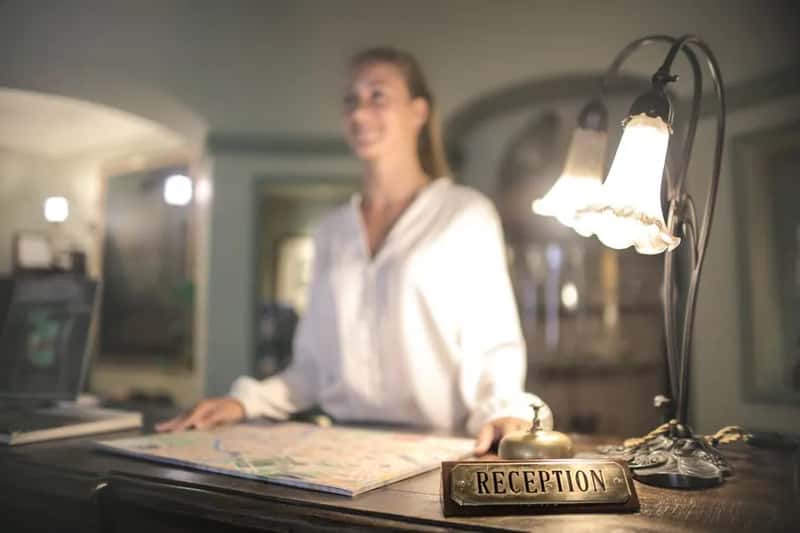
Name-dropping a manager or owner is meant to create leverage, but it usually has the opposite effect. Front desk staff are trained to be polite regardless, yet dropping a name without any actual connection or follow-through can come across as an attempt to pressure the decision rather than a legitimate reason for one. If the relationship is real, a quick call or text to that manager beforehand does far more than mentioning it at check-in.
Hotels, especially those tied to major chains, have layers of approval for complimentary upgrades, and a general manager isn’t always the person controlling room assignments on a given night. Agents who feel cornered by this kind of statement tend to stick strictly to policy just to avoid the appearance of favoritism. A calmer, more transactional approach almost always gets further.
4. “The room I have isn’t good enough”
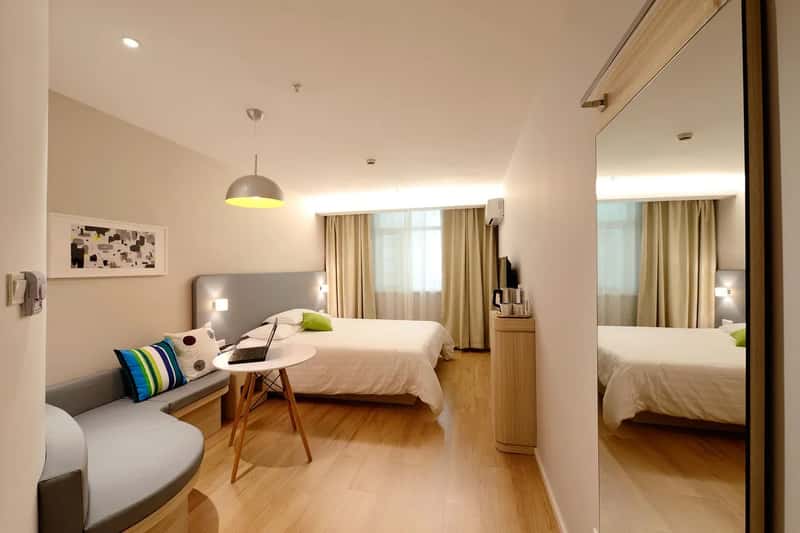
Complaining about a perfectly standard room, one with no real defect, puts the agent in a defensive position rather than a helpful one. If there’s an actual issue like noise, a maintenance problem, or a housekeeping miss, that’s worth raising clearly and specifically. But vague dissatisfaction, phrased as “this room just isn’t good enough,” reads as fishing for an upgrade rather than reporting a problem.
Hotels do move guests for legitimate issues, and many properties, including large chains like Hyatt and IHG, have documented service recovery guidelines for exactly this kind of situation. The key difference is specificity. A guest who says the air conditioning doesn’t work is easy to help; a guest who says the room feels wrong is much harder to act on.
5. “Can you just check if anything better is open”
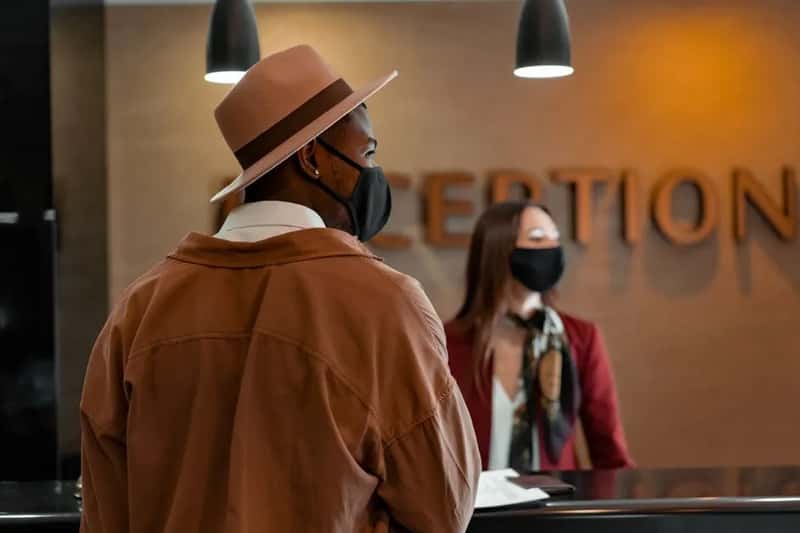
This phrase seems harmless, even polite, but agents hear it as code for “give me a free upgrade” without the guest wanting to ask directly. That ambiguity actually makes it easier to say no, since there’s no clear request to evaluate. Being upfront, such as asking whether a suite is available and what the cost difference would be, gives the agent something concrete to work with.
Many hotels now use dynamic upgrade pricing systems, sometimes automated through platforms like Ideas or Duetto, where a small fee can secure a better room instead of relying purely on staff discretion. A guest willing to pay a modest amount for an upgrade is often more likely to get one than someone hoping for a free favor. Clarity, even when it involves money, tends to produce better outcomes than vague hinting.
6. “I read online that you’re supposed to upgrade loyalty members”

Citing an article or forum post as if it were hotel policy rarely goes over well, mostly because it isn’t accurate in the way it’s usually presented. Loyalty upgrades depend on elite status, room availability, and sometimes suite night awards that members redeem in advance, not a blanket rule that applies to every member at every property. Bringing up an internet claim can make an agent feel like they’re being tested rather than asked.
Programs such as World of Hyatt and Marriott Bonvoy do publish their upgrade eligibility criteria clearly on their own websites, which is a far more reliable source than a secondhand summary. A guest who references their actual membership tier and any pre-booked suite upgrade tends to get a faster, clearer answer. Specifics beat internet folklore almost every time.
7. “I’ll leave a bad review if I don’t get upgraded”

This is the one that almost guarantees the opposite of what the guest wants. Threatening a negative review over something as optional as a room upgrade shifts the entire interaction from hospitality into conflict, and most agents are trained not to reward that kind of pressure. Hotels take review threats seriously as a general customer service issue, but rewarding them with upgrades would set a precedent no property wants to normalize.
Genuine complaints about service failures are different and usually do get addressed through refunds, credits, or room changes. But using a review as leverage for something the hotel has no obligation to provide tends to end the conversation rather than open it up. Staff remember these interactions, and it rarely works in the guest’s favor during that stay or any future one.
Upgrades, when they happen, usually come down to a mix of availability, status, timing, and a guest who communicates clearly without pressure. Small, specific requests tend to succeed more often than big declarations or thinly veiled threats. The front desk isn’t adversarial by nature, but it does respond better to guests who treat the interaction as a conversation rather than a negotiation they’re trying to win.