Travel is one of the clearest places to see how uneven household finances have become. Deloitte’s 2026 Summer Travel Survey, which polled 4,003 Americans in April, found that only 45% planned a vacation with paid lodging, the lowest figure in six years.[1] Yet the people who are going aren’t pulling back. They’re spending more.
So this isn’t a list of luxury fantasies. It’s five common trips with real price tags, and the word “comfortably” matters. Paying for them without debt, without wiping out savings, and without dreading the credit card statement puts you in a smaller group than the travel ads suggest.
What “Comfortably Afford” Actually Means

Being able to book a trip isn’t the same as being able to afford it. Bankrate’s 2025 Summer Travel Survey found that 29 percent of prospective travelers planned to take on debt to book trips.[2] By that standard, a lot of vacations are financed rather than afforded.
A fair test is simple. You can pay from current income or dedicated savings, your emergency fund stays intact, and you’re not cutting back on essentials afterward. Among credit card debtors, more than 4 in 5 say their debt affects choices like whether to take a vacation.[3] If a trip doesn’t change your next few months of spending, you’ve cleared the bar.
Trip One: A Week at Disney World With the Whole Family

A Disney week is the classic American family trip, and it’s pricier than many people expect. One 2026 budget breakdown puts a family of four anywhere from roughly $4,500 for a budget trip to more than $12,000 for a premium one, with most families landing around $5,000 to $8,000 for five nights.[4] Estimates vary by source, which tells you how much the hotel and dining choices matter.
Longer stays push the number higher. One analysis of a seven-night stay put the average family total at $10,064, or about $2,516 per person.[5] If you can cover that in cash without flinching, that’s a meaningful financial cushion.
Trip Two: A Week in Hawaii

Hawaii looks like a single destination, but its costs are driven by flights, lodging, and the island you pick. One 2026 estimate for two adults on a 7-day, 6-night trip is about $3,500 for a careful value trip, about $6,600 for a comfortable mid-range trip, or $12,000 and up for high-end travel.[6] Those are planning ranges, not guarantees.
On-island spending alone is substantial. The state tourism department reported that visitors spent an average of about $272 per person per day in August 2026, with an average stay of 7.55 days.[6] Resort fees, parking, and a lodging tax of roughly 18 to 19 percent add to the quoted room rate.[7] Paying all of that without a second thought is a real sign of financial breathing room.
Trip Three: An International Trip Abroad

International travel is where the divide shows most clearly. In Bankrate’s 2025 survey, 38% of adults said they would travel within the U.S., while 15% planned to go abroad.[8] Fewer people go overseas, partly because the combined cost of airfare, lodging, and daily spending is steep.
Deloitte’s data points to who is going. Luxury travelers (43%) and millennials (32%) were among the groups showing high intent to travel internationally.[9] If a trip abroad fits into your budget as a normal expense rather than a once in a decade event, you’re in a minority.
Trip Four: A Cruise With Real Spending Money

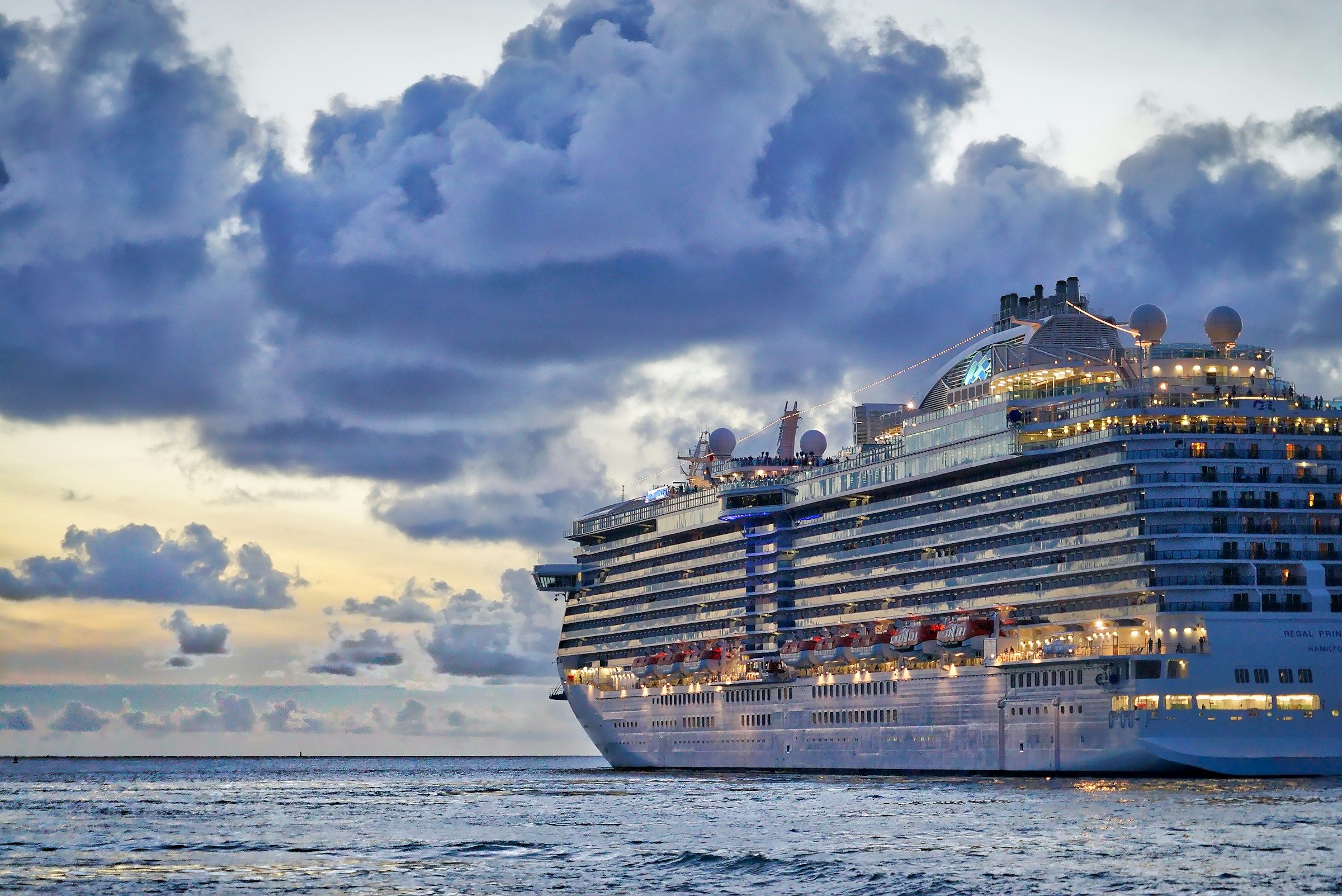
Cruises are marketed as all-in value, and the base fare can look modest. Still, the fare is rarely the full cost. Travelers commonly add airfare to the departure port, gratuities, drinks, and shore excursions, and those extras are where budgets quietly stretch.
That’s why the “comfortable” part matters here. Booking the cheapest cabin and then skipping every excursion is different from taking the trip you actually want. If you can say yes to the add-ons without checking your balance first, the trip is truly affordable for you.
Trip Five: A Peak Season Trip Without Flexibility

Flexibility is the most common way people make travel cheaper. Bankrate analyst Ted Rossman suggested off-peak or shoulder-season destinations, early or late flights, and weekday departures to cut costs.[10] Choosing to travel on holidays or school breaks means giving up those savings.
The premium can be big. One Hawaii cost guide says booking during peak times like Christmas or July can push costs about 30% higher.[11] If you can book school break dates at full price, you’re paying for convenience, and that’s a luxury many households skip.
The Income Gap Behind Vacation Plans

Travel participation follows income closely. In Bankrate’s 2024 survey, nearly 3 in 4 people with household incomes of $100,000 or more planned a summer vacation, compared with 39 percent of those earning under $50,000.[12] That is a wide gap.
The 2026 picture shows the pressure spreading. Deloitte found travel incidence down across all income levels, but most sharply among households earning less than $100,000, falling eight percentage points year over year.[1] Lower and middle income households are falling out of the travel market first.
Why Travel Feels So Expensive Right Now

It isn’t only your imagination. Priceline’s 2026 survey found that 84% of Americans feel they’re paying more and getting less when it comes to travel, and 55% find it less affordable than last year.[13] Perception and price are moving in the same direction.
Many people respond by trading down. KPMG research found that 38% of consumers were adjusting plans to cheaper alternatives, including shortening vacations.[14] Meanwhile, Priceline described a K-shaped travel economy, with more budget trips, fewer in the middle, and spending at the top holding steady.[13]
Spending More Isn’t the Same as Affording More

Higher average budgets can hide how many travelers are stretching. Deloitte found that travelers expect to spend an average of $4,069 on their longest summer trip, up 17% from last year.[1] That average reflects people who still choose to go, not the people who’ve stayed home.
Debt can linger well after the photos are posted. In Bankrate’s 2026 credit card debt report, about a third of cardholders with debt cited day-to-day expenses as the primary cause, while 7% pointed to vacation and entertainment.[3] Vacations aren’t the main driver of debt, which is a useful reminder: the real test is whether ordinary costs leave room for them.
The Bottom Line

If you can cover a family week at Disney, a Hawaii getaway, an overseas trip, a cruise with extras, and peak dates at full price without leaning on debt, your finances are solid. The data shows that fewer households can do this each year, and that the gap between income groups keeps widening.
Don’t treat any of these trips as a scorecard, though. A well planned trip you can pay for in cash beats an impressive one you’ll be paying off next spring.