For many travelers, Japan is a dream destination: a country where the food culture alone justifies the trip, and the history, landscapes, and impeccable infrastructure only provide more of a reason to visit. This appeal has driven record-breaking tourism — in recent years Japan has become one of the trendiest, most popular destinations for international travelers. While the boom has boosted the economy and its already strong global presence, the influx of visitors has become a challenge for some local communities and iconic landmarks to sustain. Kyoto’s historic districts, Mount Fuji’s trails, and even Tokyo’s busiest neighborhoods have all struggled with the weight of their own popularity.
Faced with these pressures, Japan is beginning to rethink its approach to how it manages tourism. Authorities have rolled out new strategies to ease the strain on residents and protect cultural sites, while still keeping travel experiences enjoyable for visitors. It’s a careful balancing act: finding ways to welcome millions of curious visitors without wearing down the places they’ve come to see. To manage the tension, Japan has started making real progress towards keeping things sustainable in the long run.
Reservation Systems and Capacity Control
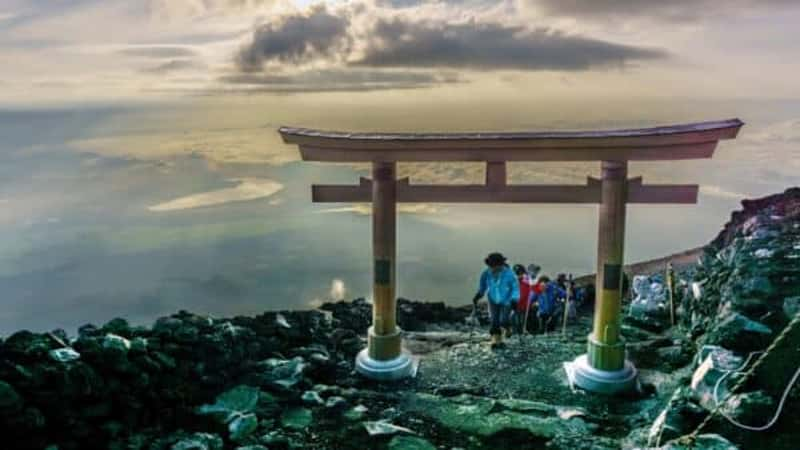
Some of Japan’s most popular destinations have begun putting limits on the number of daily visitors that are permitted. For example, Mount Fuji’s Yoshida Trail now has a cap of 4,000 climbers per day and requires advance reservations during the summer season. In Kyoto, places like the Saihō-ji Moss Temple only allow entry with prior booking to protect the temple grounds. Not every popular site around the country has restrictions, but the trend is definitely spreading as authorities test different ways to manage demand.
While reservations mean you’ll have to do a bit more planning before your trip starts, they will make the experience smoother once you arrive. Instead of standing in long lines or being packed into narrow streets, visits are spread out in a more manageable way. You can actually enjoy the scenery, take your time at temples, and hike without feeling like you’re in the middle of a parade.
Tourist Fees and Taxes

Don’t be surprised if you come across accommodation taxes, entry fees, or peak-season surcharges on your next trip to Japan. The country has begun to add small fees at popular destinations to help reduce demand and offset the impact of tourism. While Tokyo has had an accommodation tax in place for over 20 years, Osaka and Kyoto more recently introduced a similar tax, and it’s likely that additional locations will soon follow suit.
The money collected from these taxes and entry fees helps with basics like trail upkeep, waste management, and preserving historic areas. The amounts are relatively modest, but a few extra yen from each traveler adds up fast when millions visit every year, and it has already created a steady stream of funding to keep Japan’s most popular places in good shape — a benefit for locals and visitors alike.
Behavior Rules

Japan stands out to many international visitors for its high-trust, high-functioning society — but that doesn’t happen by accident. People actually respect the rules, and daily life runs smoothly because of it. So while bad tourist behavior is annoying anywhere in the world, it tends to stand out even more in Japan.
Crowds blocking narrow alleyways while taking selfies, suitcases rolling through quiet neighborhoods at 6am, loud conversations on trains when everyone else is silent. These might seem like harmless, innocent mistakes that tourists often make, but when magnified by the scale of Japan’s tourism boom, it has piled up fast — and patience has run out for the people who live there.
To deal with the constant disruptions, some neighborhoods have added multilingual signs with clear warnings about bad behavior and penalties for noise violations. Kyoto’s Gion district even went as far as to prohibit photography on certain streets entirely. At the local and national level, Japan has been stepping up enforcement and making it clear that disruptive tourist behavior won’t be tolerated.
Encouraging Off-the-Beaten Path Destinations
Japan is also working hard to spread the tourism love across its lesser-known regions. By promoting less popular cities and destinations, the country is encouraging visitors to meander off the beaten tourist path. Not only does this relieve overcrowding in the most saturated locations, but it brings an influx of tourism cash to places that don’t usually see much of it.
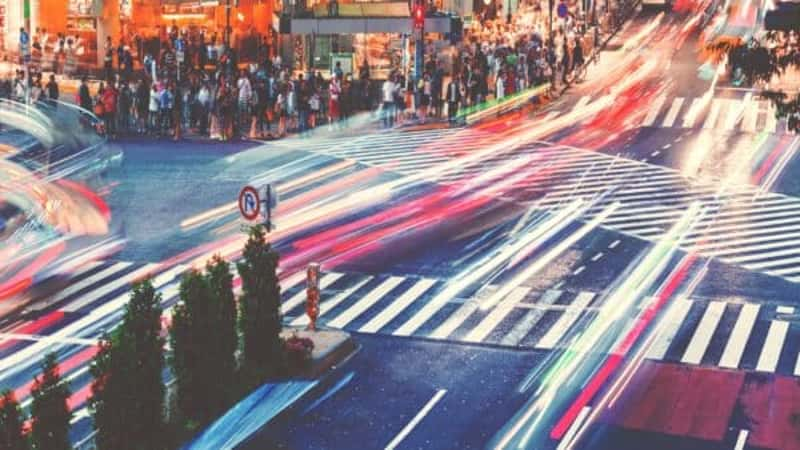
Even though most first-time travelers to Japan have the same big-name stops in mind like Shibuya Crossing or Fushimi Inari Shrine, exploring beyond those popular sites usually ends up being a better experience anyway. Fewer crowds means less time waiting in lines and more room to explore at a calmer pace, without the feeling of just ticking a sightseeing box.
Streamlining Infrastructure
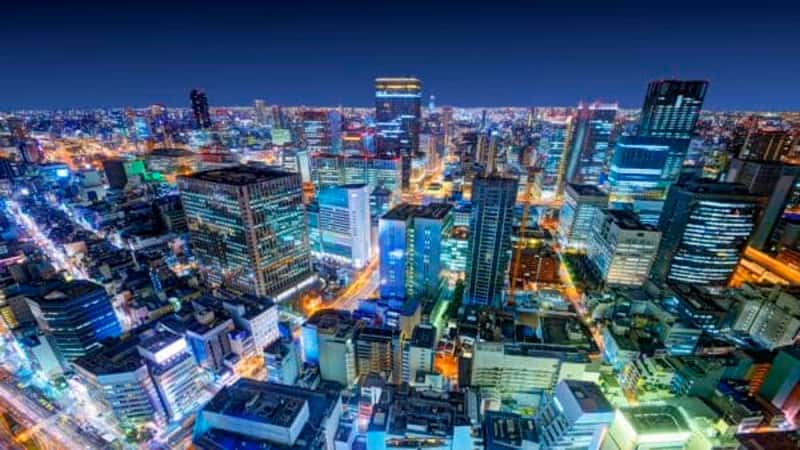
Despite all of Japan’s efforts to manage the impact of overtourism, international visitors still play a major role in the country’s economy. Regions such as Kyoto and Okinawa specifically depend on tourism to support local businesses and jobs, especially during peak seasons.
To help things run more efficiently, Japan has added multilingual signage in train stations and airports, added automated immigration gates, and begun rerouting more international flights through smaller, regional hubs like Fukuoka and Sapporo, rather than adding to the congestion at Tokyo’s Haneda and Narita airports. Busy train lines have added extra cars during peak travel seasons, and tourist-heavy neighborhoods have increased trash collection and pedestrian infrastructure to handle the inevitable crowds more easily.
Final Thoughts
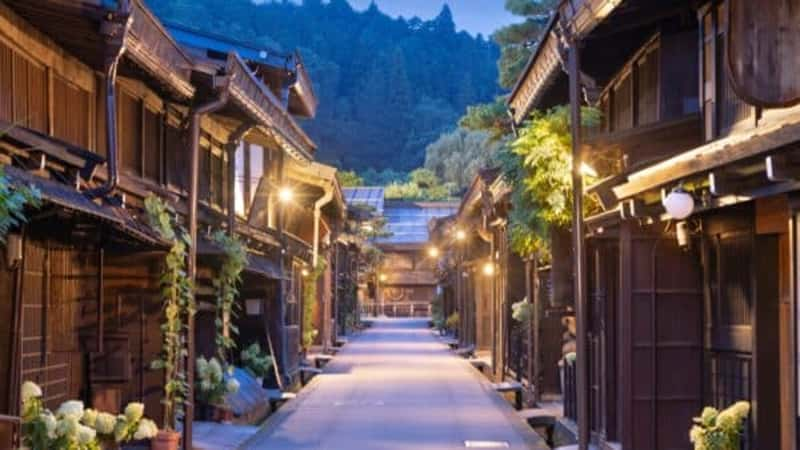
Japan is still one of the most rewarding places in the world to visit — that hasn’t changed. What is changing is the expectation that visitors arrive with a bit more awareness and understanding of how Japanese society operates. That means following the rules that are posted while also doing your homework ahead of time to understand the unspoken rules, and keeping in mind that you’re a visitor throughout the duration of your trip. It doesn’t take much effort — but it goes a long way for the people who live there.