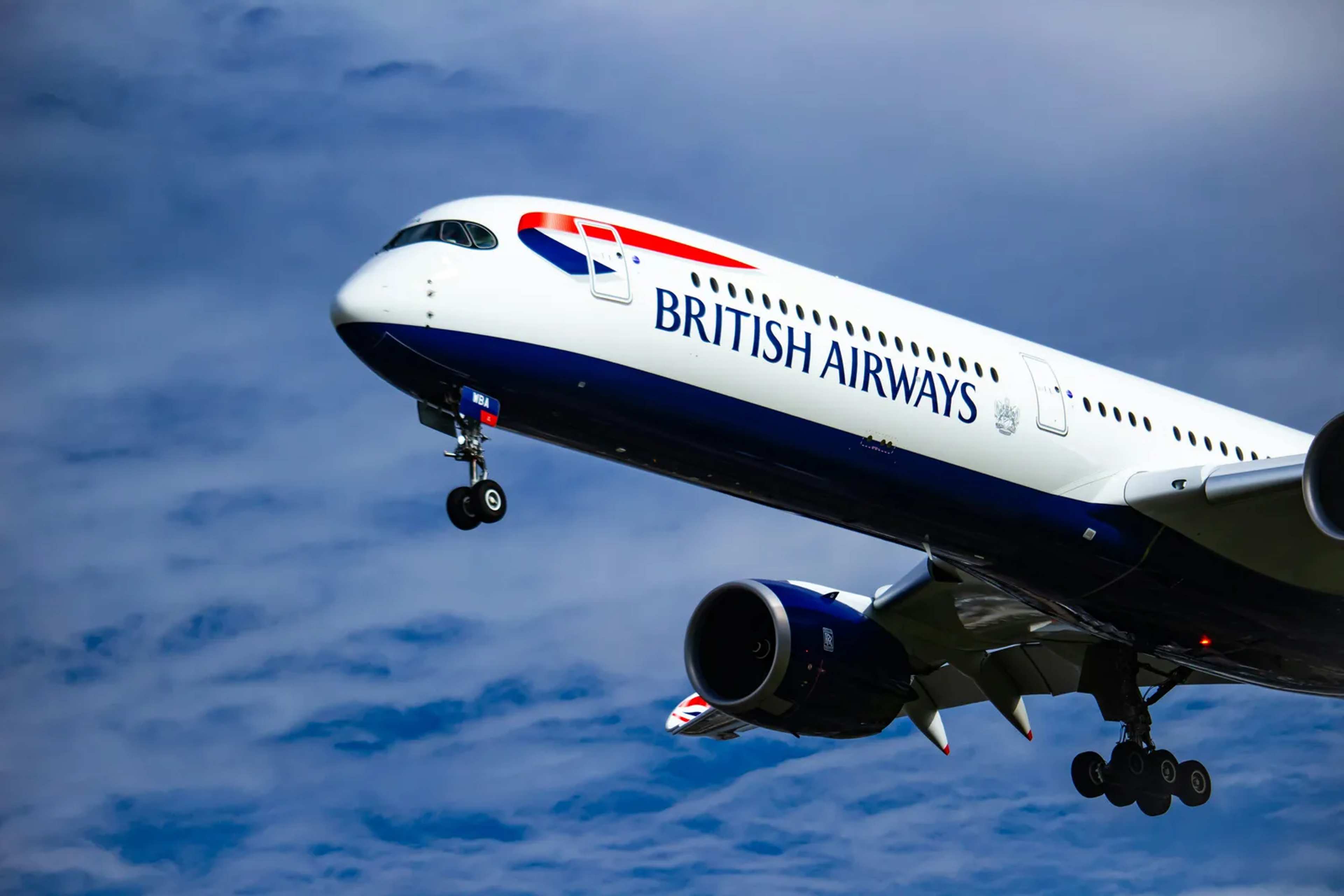
Travelers eyeing summer getaways in 2027 are receiving an early signal that airfares may climb. Rising jet fuel prices, reductions in airline capacity, and additional government charges are combining to increase the overall expense of holidays, with particular effects noted for British travelers. These pressures are already shaping industry forecasts and prompting advice to plan and budget with greater care well in advance. ([1])
Jet Fuel as a Core Cost Driver
Jet fuel remains one of the largest variable expenses for airlines, and recent movements in global energy markets have pushed prices higher. Carriers typically pass a portion of these increases along to passengers through base fares or fuel surcharges, especially on longer routes that dominate summer leisure travel. Because fuel costs can fluctuate with geopolitical events and supply chain shifts, airlines often build conservative assumptions into their pricing models for future seasons. The result is an environment where even modest sustained rises in fuel can translate into noticeably higher ticket prices by the time summer 2027 arrives.
Airline Capacity Reductions Add Pressure
Several carriers have announced plans to trim flight schedules or limit growth in certain markets. When the number of available seats declines relative to demand, basic supply-and-demand dynamics tend to support higher average fares. Summer periods already represent peak demand for leisure travel, so any meaningful reduction in capacity can amplify price effects during those months. Industry observers note that these decisions reflect a mix of operational costs, pilot availability, and strategic fleet management rather than a single cause.
Government Charges and Regional Impacts
In the United Kingdom, additional government levies and regulatory costs are cited as further contributors to holiday expenses. These charges sit alongside the global factors of fuel and capacity, creating a layered effect on the final price paid by travelers departing from British airports. While the precise structure of such fees varies by country, they illustrate how policy decisions at the national level can intersect with broader market forces. Travelers based elsewhere may encounter different tax or fee environments, yet the underlying fuel and capacity trends remain relevant across many routes.
Practical Steps for Travelers
Early booking windows often provide the best access to lower fares before seasonal adjustments take full effect. Flexibility with travel dates, consideration of nearby airports, and monitoring airline announcements can also help manage costs. Those planning multi-leg or long-haul summer trips may benefit from comparing options across several carriers and remaining alert to any announced schedule changes. Building a modest buffer into vacation budgets now can reduce the impact if prices continue their upward trajectory into 2027.
The combination of these elements suggests that summer 2027 will test travelers’ ability to anticipate and adapt to shifting costs. Those who begin monitoring routes and pricing trends sooner rather than later stand to make more informed decisions when the time comes to book.