Most people think a hotel stay starts the moment they flop onto the bed. Seasoned travelers know it actually starts the second they step out of the cab, and what happens in those first ten minutes quietly decides whether the trip goes smoothly or turns into a mess of surprise charges, bad sleep, and wasted time.
The strange part is how small these habits actually are. None of them require elite status, a bigger budget, or years on the road, just a little insider knowledge most guests never picked up, and by the time you hit habit #1, you’ll probably wonder how you ever checked in without it.
#25 – They Screenshot the Room Number the Second They Get the Key
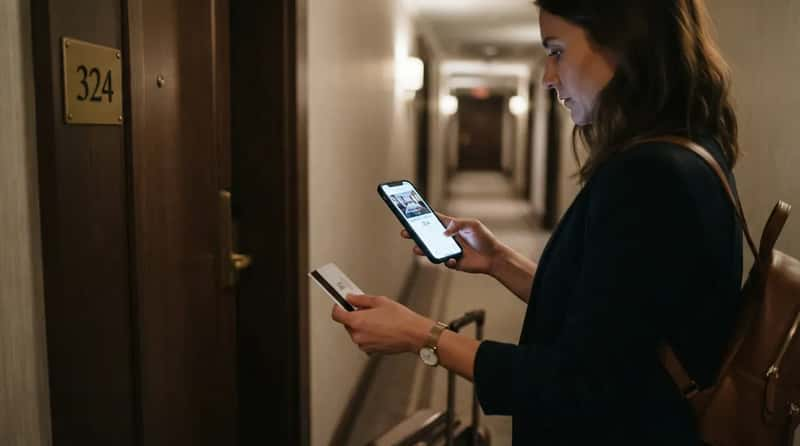
It sounds almost too simple to matter, but this is one of the most repeated habits among frequent travelers. They save the room number and hotel address to their phone lock screen the moment they get the key, since long hallways, identical doors, and jet-lag brain make it shockingly easy to forget which room is yours after a late dinner.
It’s not just about avoiding an awkward wander down the hall. This habit also helps if you get separated from a travel companion or need to give quick directions to a delivery driver. It costs nothing and takes five seconds, yet almost nobody does it until after their first bad night on the wrong floor.
#24 – They Reconfirm the Booking Before They Ever Leave Home

Frequent travelers never assume a reservation made weeks ago is still accurate. Before heading to the hotel, they confirm the dates, room type, and guest count, and use the call as a chance to reconfirm any special requests.
This one habit prevents the single most common arrival disaster: showing up to find the room type or dates don’t match what you thought you booked. A little extra prep goes a long way toward a smooth check-in. It’s a two-minute phone call or app check that most travelers skip entirely.
#23 – They Never Let the Front Desk Say Their Room Number Out Loud

This is the habit that catches most people off guard the first time they hear it. At check-in, seasoned guests never let staff say their room number out loud, asking instead for it to be written down.
The reasoning is straightforward once you hear it. An eavesdropper at the front desk is a real risk, and a stranger overhearing a room number is a security gap hotels rarely warn you about. Seasoned guests treat this as non-negotiable, no matter how busy the lobby is.
#22 – They Request Two Key Cards and Split Them Up
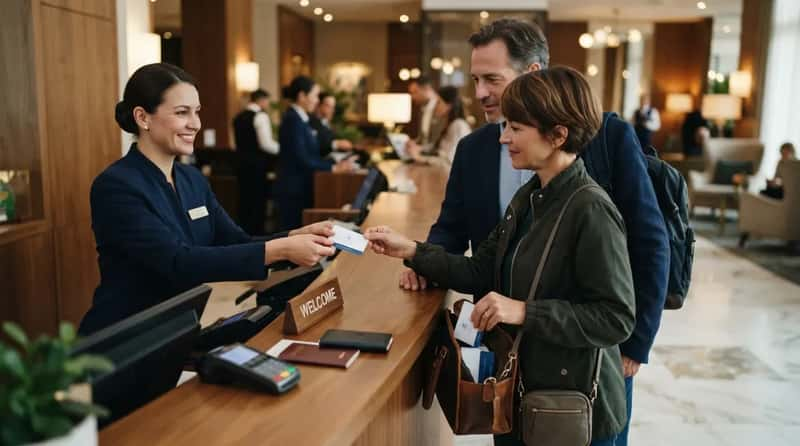
Most guests grab one key card and stuff it in a pocket. Frequent travelers do something different every single time.
They ask for two, because if one gets left behind, the room stays accessible without a trip back to the desk. One key stays with them, and the second gets tucked into a separate bag or handed to a travel partner. It’s a tiny redundancy that solves the panic of a lost key without ever interrupting a night out.
#21 – They Turn Down Ground-Floor Rooms Whenever They Can
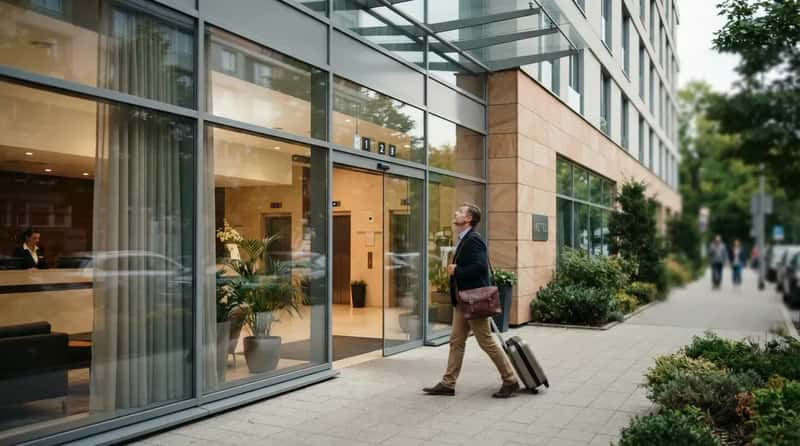
Here’s an opinion most travelers disagree with until they hear the logic: a ground-floor room is often the worst room in the building, not the most convenient one.
Experienced guests avoid ground-floor or first-floor rooms when they have a choice. Floors two through six are usually the safety sweet spot, too high for easy window entry, but low enough for a fire ladder to reach. It’s a habit built entirely around risk math, not paranoia, and it’s why frequent guests will happily wait a few extra minutes for an elevator instead.
Fast Facts
- Ground-floor rooms are generally considered the easiest for outside access, which is why security-minded guests skip them.
- Floors two through six strike the balance most travelers look for: high enough to deter walk-up entry, low enough for rescue equipment to reach.
- Rooms above the sixth or seventh floor can sometimes sit outside the reach of standard ladder trucks.
- Corner rooms near a stairwell typically offer the fastest path to an exit in an emergency.
#20 – They Skip the Room at the Dead End of the Hallway
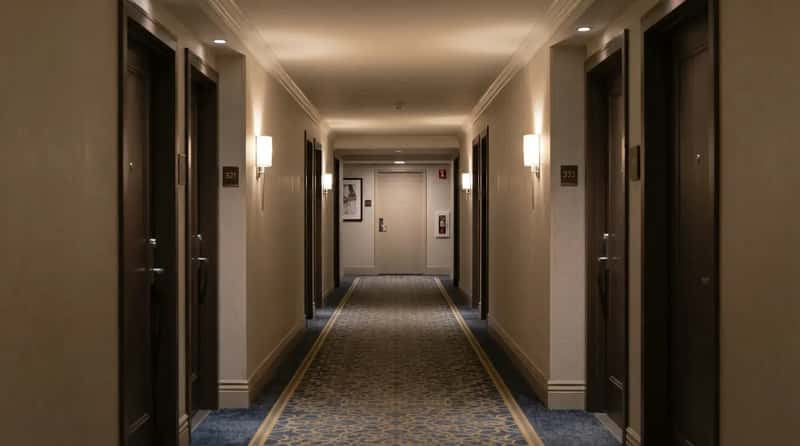
Even seasoned travelers rarely explain why they quietly ask for a different room when assigned one at the very end of a corridor, but there’s a real reason behind it.
A dead-end room means less foot traffic, and less foot traffic means less natural surveillance. Fewer people walking past your door sounds peaceful, but frequent travelers know it also means fewer witnesses if something goes wrong. It’s a small preference that adds up over hundreds of nights on the road.
#19 – They Photograph the Room the Instant They Walk In
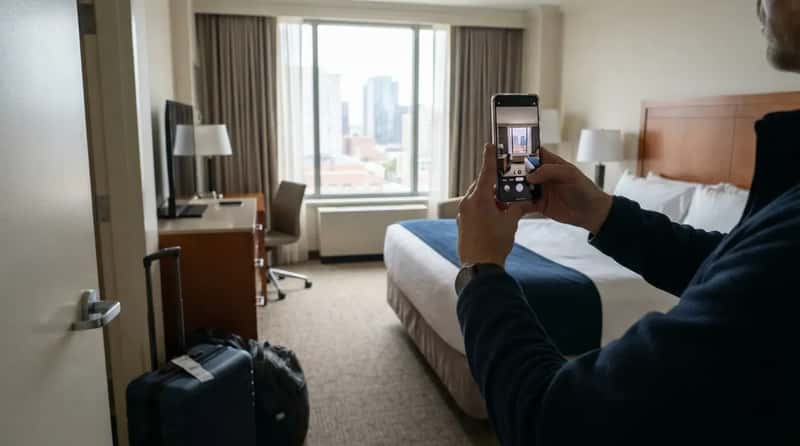
This single habit has probably saved more travelers from disputed charges than anything else on this list.
Seasoned guests do a slow video sweep of the room before setting a single bag down, capturing every existing scuff, stain, or scratch on camera. It takes thirty seconds and can prevent a fight that drags on for weeks, especially at properties that keep a card on file. Most guests only learn this trick after an unexpected charge shows up on their statement days later.
#18 – They Test the In-Room Safe Before Trusting It With Anything
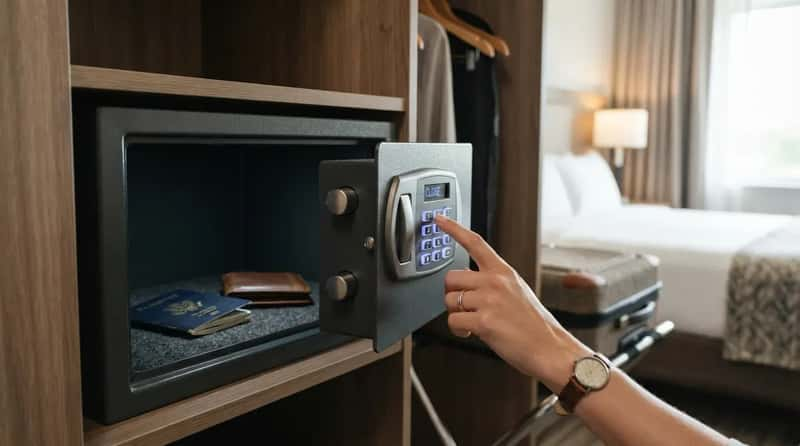
Turns out, that hotel safe isn’t as reliable as it looks.
Not every safe actually works, and some retain a previous guest’s code if reset incorrectly. Frequent travelers open and close it with a test item before locking away a passport or laptop, just to confirm it releases properly every time. Skipping this step is how people end up locked out of their own valuables the morning of a flight.
#17 – They Time the Walk to the Nearest Stairwell
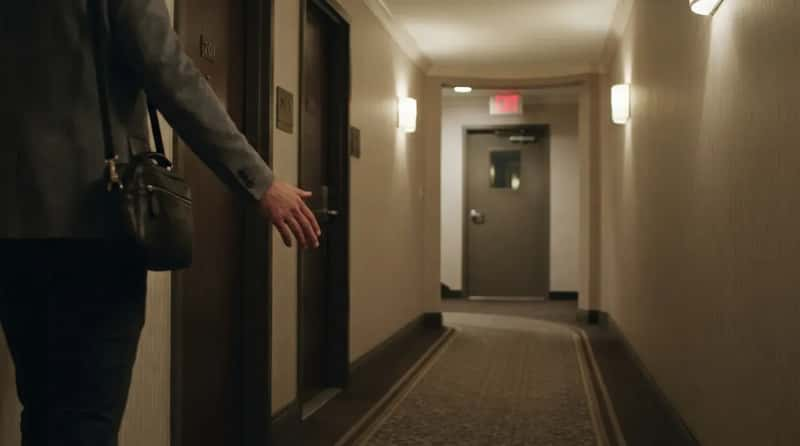
Most guests never think about the stairwell until an alarm is already blaring, and that’s exactly the problem experienced travelers try to avoid.
They make it a habit to locate the nearest stairwell and count the doors between their room and the exit, every single stay, no exceptions. It takes less than sixty seconds and requires no special training, just attention. It sounds excessive until you imagine how disorienting a smoke-filled hallway can be at 3 a.m.
#16 – They Actually Read the Evacuation Map on the Door

Nearly every hotel room has one, and nearly every guest walks right past it.
The American Red Cross recommends reading the evacuation plan, locating the two closest exits, and counting the doors between the room and those exits. Seasoned travelers treat this as a standard arrival ritual instead of wall decoration, because a map you’ve never looked at is useless the moment the power goes out.
Worth Knowing
- Always identify two possible exits from your room, not just one, in case the closer route is blocked by smoke or flames.
- Hallway smoke can cut visibility to almost nothing within seconds, which is why counting doors matters more than memorizing hallway art.
- Getting low and staying near a wall helps guests find a counted exit even when they can’t see it clearly.
#15 – They Run the Shower Before They Unpack a Single Bag
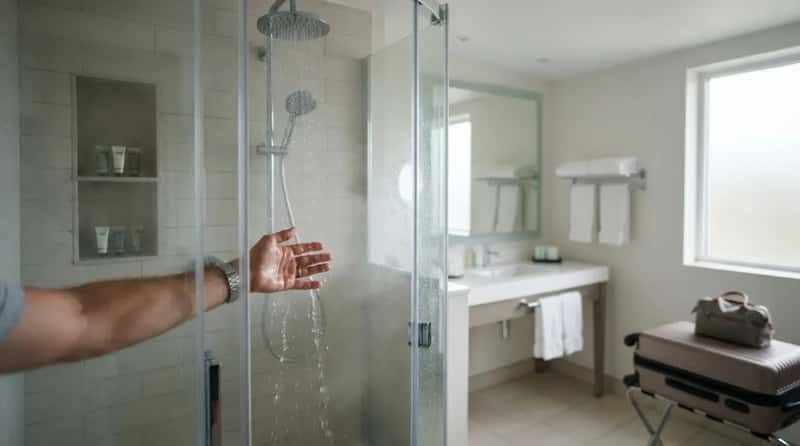
This one sounds oddly specific, but ask any frequent traveler and they’ll tell you it’s saved them more than once.
Older buildings and top-floor rooms are notorious for water pressure issues nobody mentions at check-in. A two-minute test can save an entire morning of frustration. Finding out the shower barely trickles at 6 a.m. before a big meeting is a lot worse than finding out at 4 p.m., while the front desk can still fix it.
#14 – They Do a Quiet Five-Minute Sweep of the Whole Room
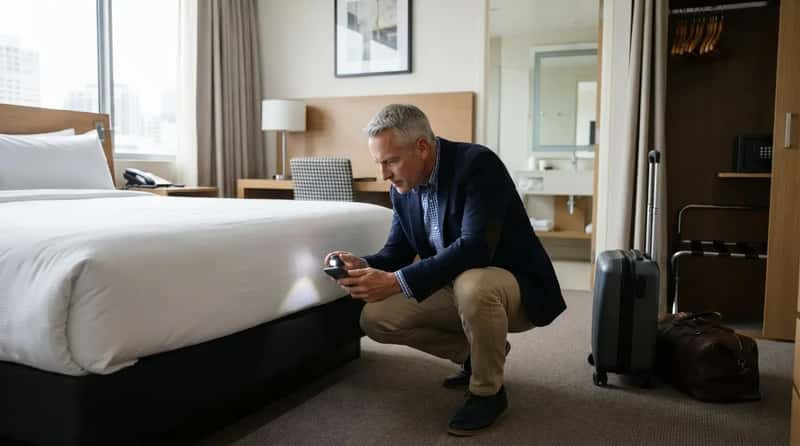
Before unpacking, seasoned guests do something that looks almost like a scene from a spy movie, but it’s really just common sense earned from experience.
They glance through the closet, behind the curtains, under the bed, around the furniture, and inside the bathroom. Most hotel rooms turn out perfectly fine, but a quick look can catch anything unusual before anyone gets comfortable. It’s a habit born from experience, not fear, and it barely costs any extra time.
#13 – They Engage Every Lock the Moment the Door Closes
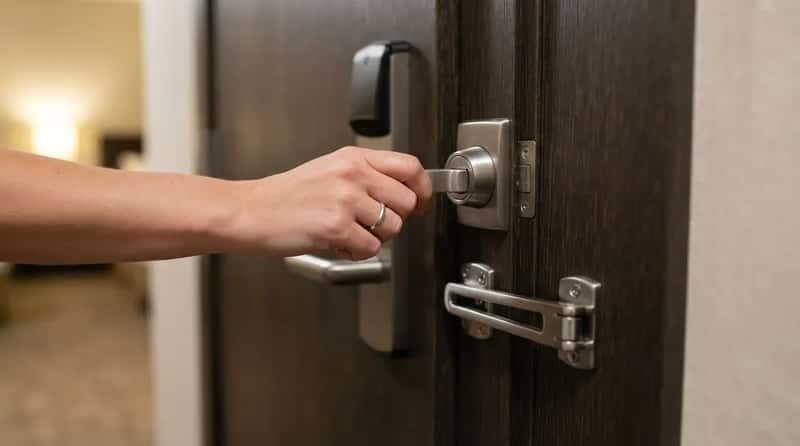
Most guests use one lock and call it a night. Experienced travelers use all of them, every time, without exception.
Multiple locks mean multiple layers of protection during a stay. Seasoned guests engage both the deadbolt and the swing-bar whenever they’re inside the room, even during short breaks. It’s a two-second habit that closes off nearly every opportunistic entry scenario a hotel room can present.
#12 – They Check the Peephole Before Opening the Door to Anyone

A knock at the door doesn’t automatically mean it’s safe to open, and frequent travelers never assume otherwise.
Seasoned guests always use the door viewer before opening up to an unexpected visitor. If someone claims to be hotel staff, they call the front desk to confirm first, or ask to meet in the lobby instead. This one small pause has quietly prevented more uncomfortable situations than most travelers realize.
#11 – They Test the Room Phone Even Though Nobody Uses It Anymore

It feels outdated, but experienced travelers still do it on nearly every stay.
Part of a proper check-in sweep is making sure the room phone actually works. A dead landline is the fastest way to lose contact with the front desk if a cell signal drops or a phone dies overnight. It’s an old-school habit that has quietly survived the smartphone era for a very good reason.
#10 – They Look for a Carbon Monoxide Detector Before Settling In
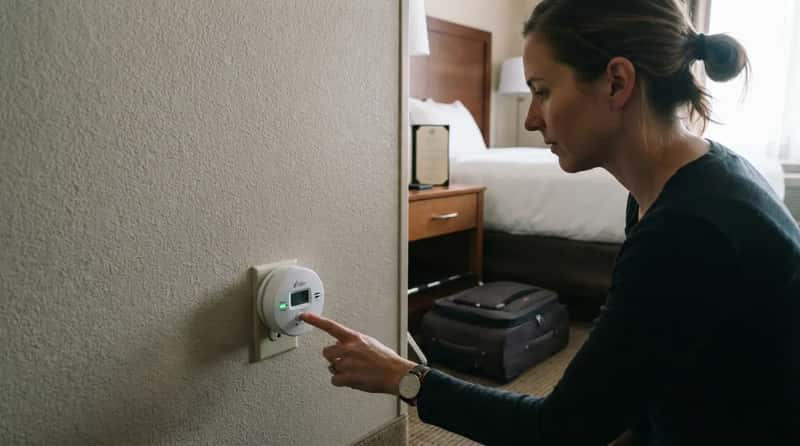
This is the habit that tends to shock people the most, because it reveals a gap most travelers never knew existed.
Carbon monoxide is a silent, colorless, odorless threat, and not every lodging property has an in-room detector. Seasoned travelers check within the first few minutes of arrival, and some even pack a portable detector for older properties that skip this basic safety feature entirely.
#9 – They Skip the Front Desk Line Entirely
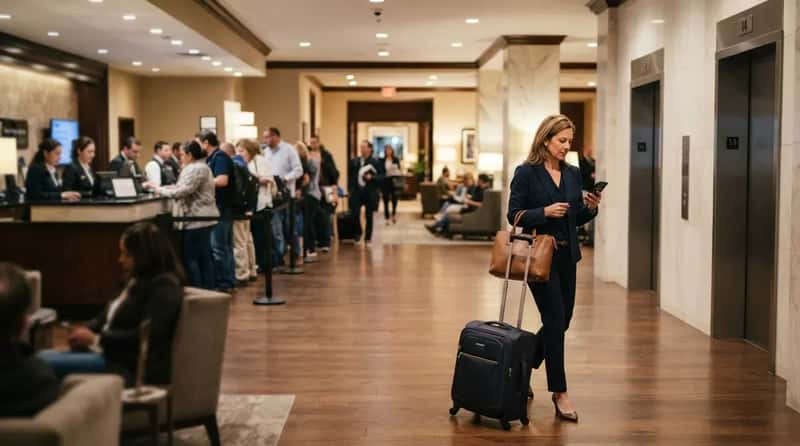
While plenty of travelers still see mobile check-in as a gimmick, most seasoned guests now treat the front desk line as a last resort.
Roughly 70% of American travelers now check themselves in using an app or kiosk instead of standing in line, a preference that jumps to 82% among Gen Z. The shift has moved fast enough that more than 12 million Hilton Honors Digital Keys were downloaded in just the first half of 2025 alone. The catch nobody mentions: fewer humans double-checking your room assignment in real time.
At a Glance
- 70% of American travelers now prefer app or kiosk check-in over the front desk line.
- 82% among Gen Z travelers specifically choose mobile check-in when it’s offered.
- 12 million+ Hilton Honors Digital Keys were downloaded in the first half of 2025 alone.
- Trade-off: fewer staff eyes on your exact room assignment before you walk in.
#8 – They Deliberately Arrive in the Late Afternoon
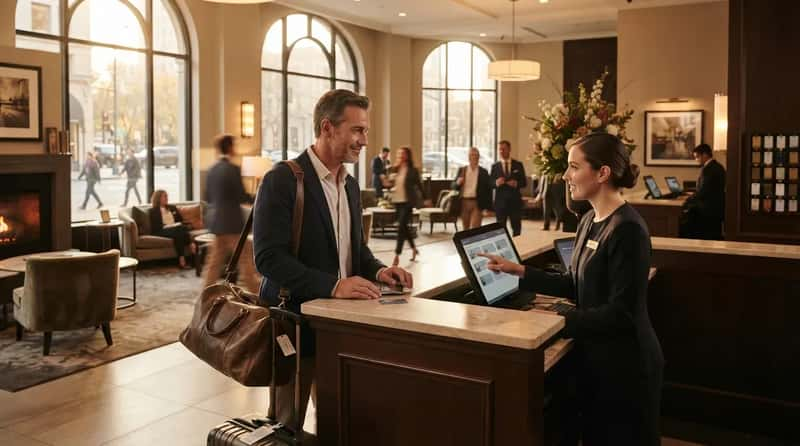
Here’s an opinion that tends to spark arguments among travelers: arriving early is not actually the smart move.
By late afternoon or evening, a hotel has a much clearer sense of its actual inventory for the night. If rooms are open, upgrading a guest costs the property almost nothing. Frequent travelers use this exact window to politely ask about a better room, since the odds improve once the day’s cancellations and no-shows have shaken out.
#7 – They Join the Loyalty Program Even for a One-Night Stay
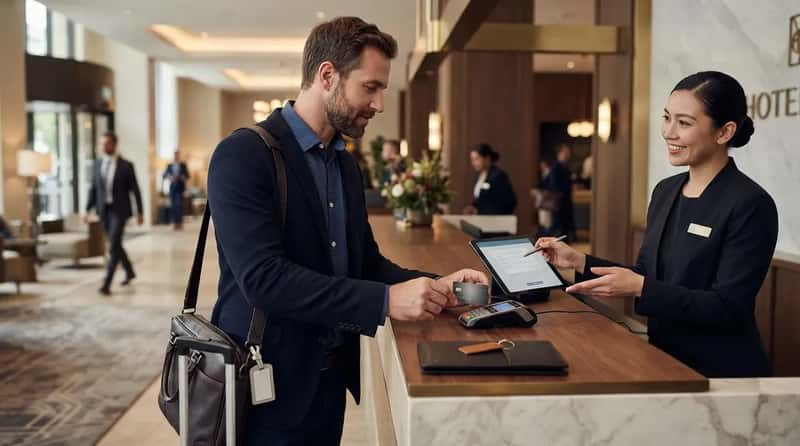
Most people assume loyalty programs only matter for road warriors, but the numbers tell a very different story.
Total hotel loyalty membership grew by 14.5% in 2024 to more than 675 million, outpacing room growth of just 6.7%. That growth isn’t marketing noise: loyalty program members stay 28% longer per stay than non-members, and 44% of consumers say a loyalty program actually influences which hotel they book. Seasoned travelers sign up on the spot at check-in, even for a single night, because it costs nothing and can quietly unlock better treatment down the road.
#6 – They Say Less at the Front Desk, Not More

Most guests assume being chatty and detailed helps their case. Experienced travelers do the opposite, and it works better.
They answer the exact question that’s asked, then stop talking. Filling every silence lets details spill everywhere, and the actual request can get buried under extra explanation. A calmer, shorter exchange keeps the message clear and makes the agent’s job easier, which usually works in the guest’s favor.
#5 – They Use the Agent’s Name Once, and Only Once
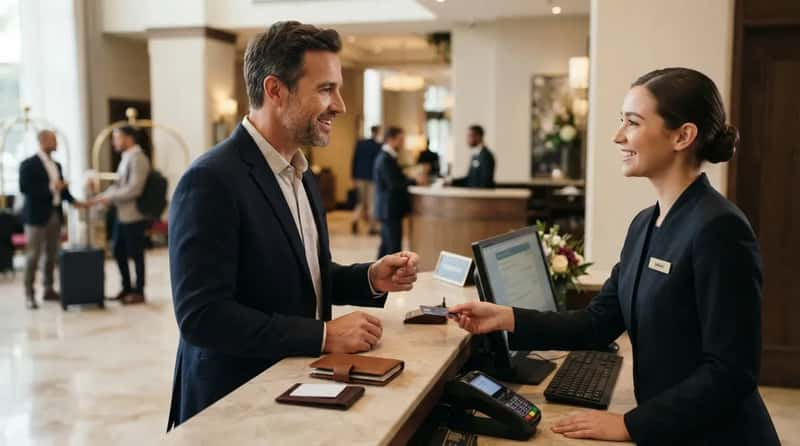
This is a subtle habit, but it changes the entire tone of a check-in interaction.
Seasoned travelers catch a name tag or a name on the receipt screen and use it once, since it signals attention and basic respect. It’s a tiny gesture that turns a purely transactional moment into a human one, and front desk staff notice it far more than guests expect.
#4 – They Wipe Down the Five Highest-Touch Surfaces Immediately
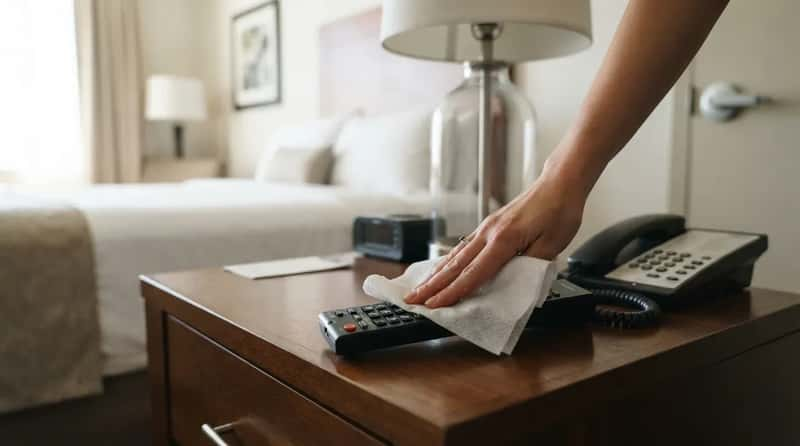
A spotless-looking room isn’t always as clean as it seems, and frequent travelers know exactly where the gap is.
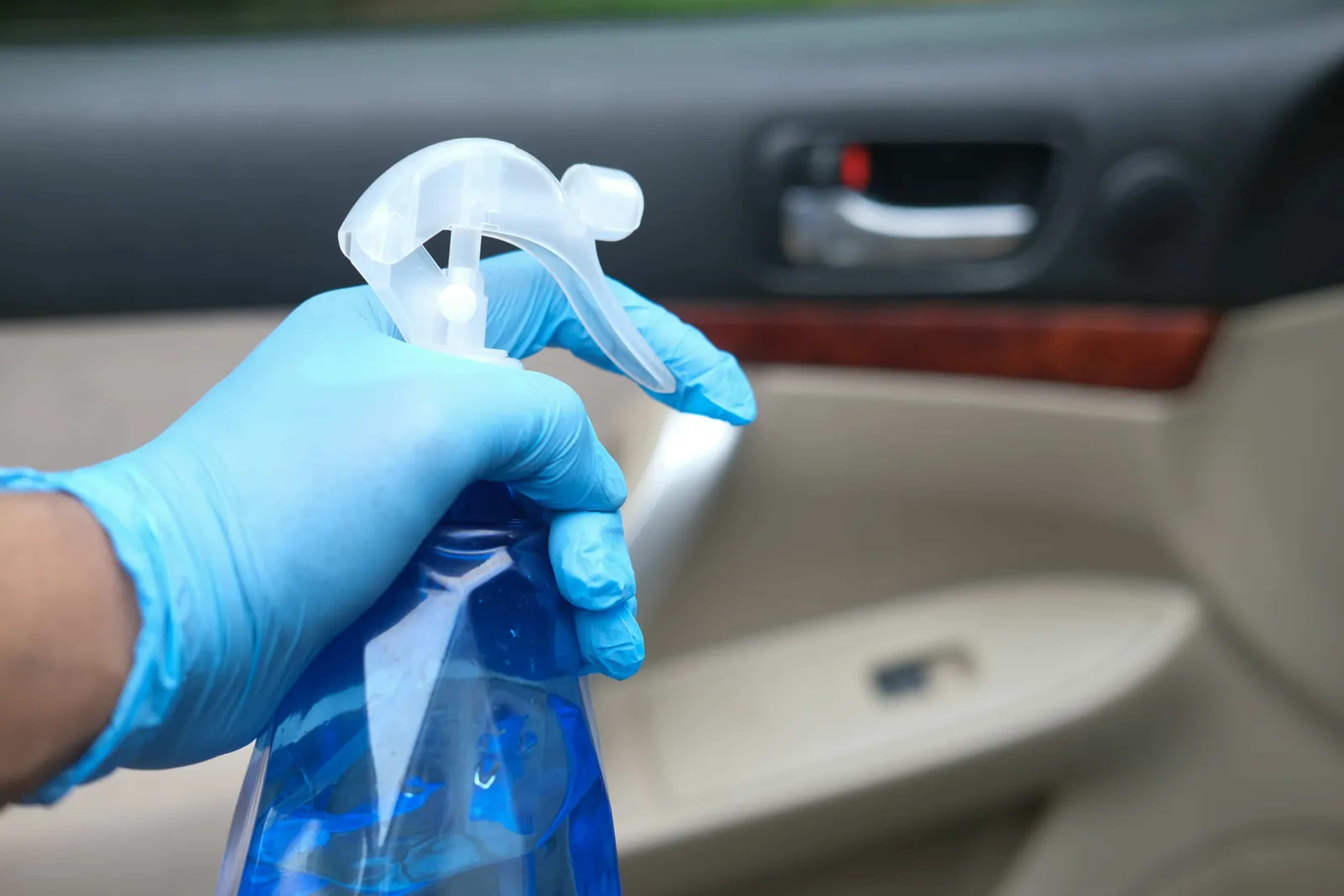
A room can look immaculate while still hiding heavily touched surfaces that housekeeping rushed past. Cautious travelers wipe down the remote control, light switches, door handles, telephone, and bedside table. It takes under two minutes and doesn’t require cleaning the whole room, just the handful of spots every previous guest touched before you.
#3 – They Check the Sheets for Bed Bug Signs Before Sitting Down
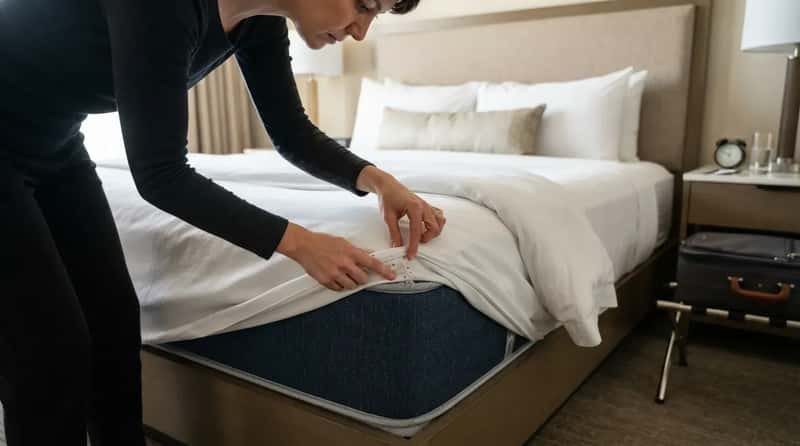
Nobody wants to think about this one, but seasoned travelers do it as a reflex, not a worry.
Tiny reddish-brown stains along sheets or mattress seams can signal bed bug activity. A quick check of the mattress edges and pillow seams happens before bags ever touch the bed. It’s a thirty-second habit that has spared plenty of travelers a genuinely miserable trip home.
#2 – They Set Housekeeping Preferences Right at the Front Desk
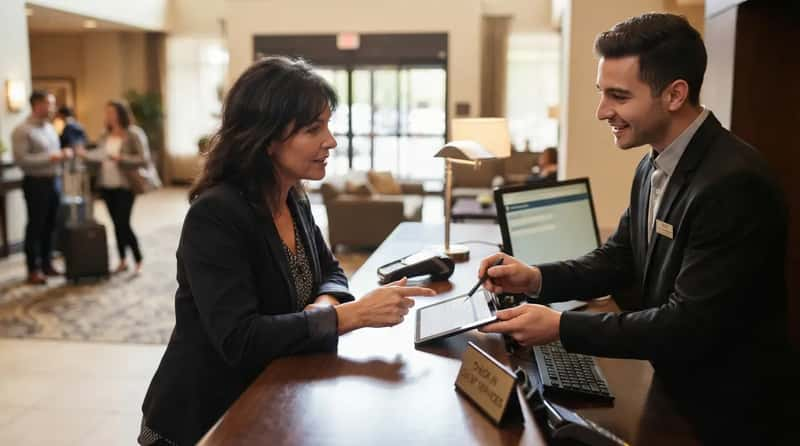
The rules around daily housekeeping have quietly changed, and most casual travelers haven’t caught up.
Since the pandemic, daily housekeeping is no longer standard at many budget and mid-range hotels, with some properties moving to every-third-day cleaning or requiring guests to opt in at check-in. Seasoned guests settle this the moment they arrive instead of getting surprised later. They also know that even when housekeeping is declined, it’s still customary to leave a tip at the end of the stay.
Quick Compare
- Then: daily housekeeping was the automatic default at nearly every hotel tier.
- Now: many budget and mid-range properties default to opt-in or every-third-day cleaning.
- Smart move: confirm your preference at check-in instead of guessing.
- Still true either way: a tip at the end of the stay remains customary, serviced or not.
#1 – They Pick Their Exact Room Before They Ever Reach the Front Desk

The single most valuable habit on this list is also the least talked about. Rather than accepting whatever the system assigns, veteran travelers use pre-arrival technology to lock in specifics days ahead of time.
Contactless check-in, mobile keys, and digital service requests are becoming standard, and the travelers who use them well go a step further, requesting a specific floor, corner unit, or view directly through the app before they even leave home. It removes the biggest gamble of any hotel stay, the random room assignment, before it ever has a chance to happen.
None of these habits require money, status, or years of travel experience, just a willingness to do a little more than the guest checking in next to you. The gap between an average stay and a genuinely smooth one usually comes down to five quiet minutes most people never bother to spend.
Which of these did you already know, and which one are you stealing for your next trip?