The couple boarding a red-eye in row 34, complaining about the seat pitch, might have a portfolio that would make your jaw drop. That’s the odd truth about wealth in 2026. The people who have actually saved the most rarely look like it, and nowhere is that more obvious than at the airport, where flashy luggage tags and quiet bank accounts almost never belong to the same traveler.
Financial researchers have spent decades studying this gap between appearance and reality, and travel turns out to be one of the clearest windows into it. The habits below aren’t guesses. They come from surveys, published research, and patterns that keep showing up whenever anyone bothers to actually ask wealthy people how they get from point A to point B.
They fly coach far more often than assumed
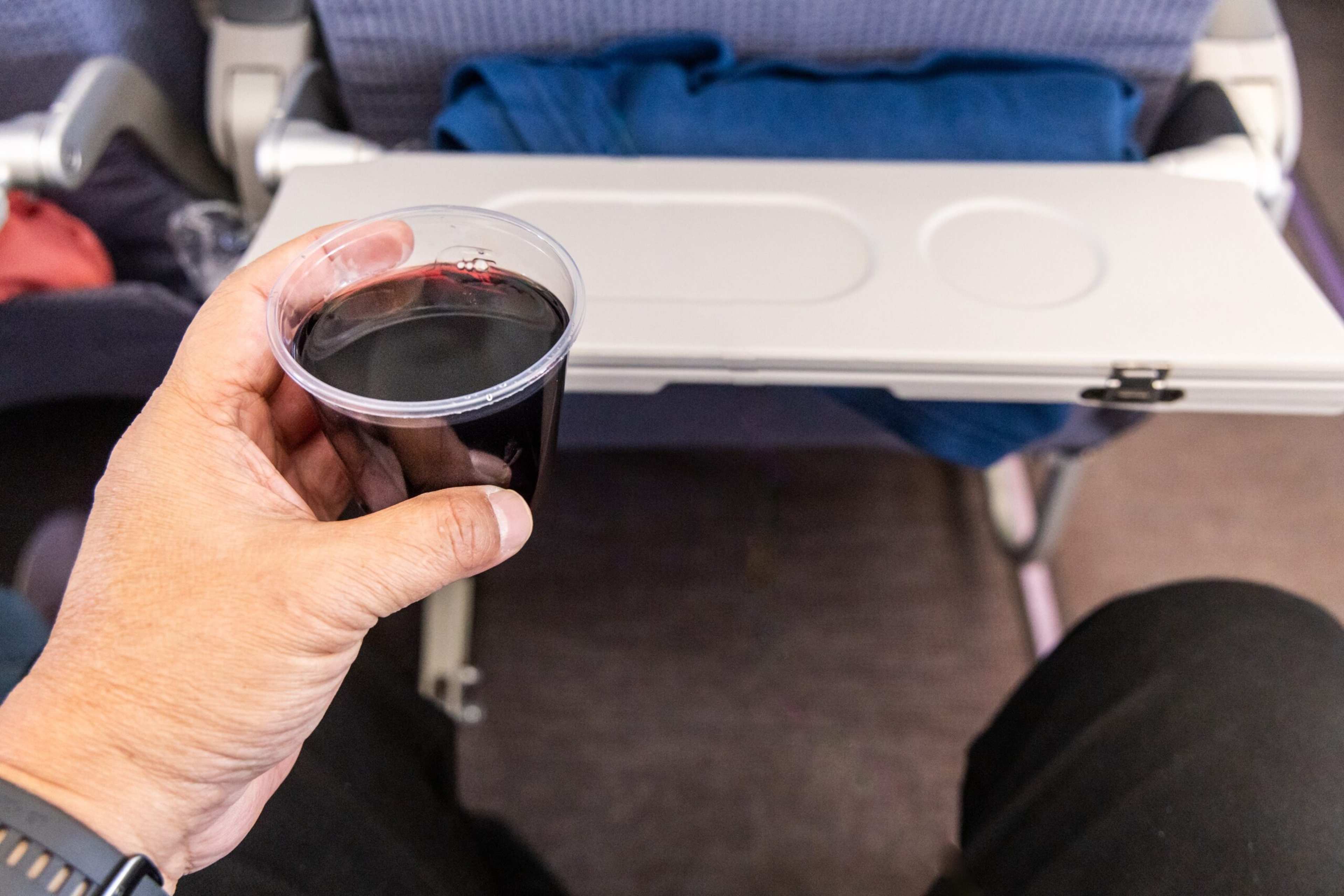
Ask most people to picture a millionaire on a plane and they’ll describe lie-flat seats and champagne before takeoff. The reality skews differently. Online discussions among people with genuine seven and eight figure net worths repeatedly show the same pattern, with one self-described high earner writing plainly that “I’m over $10m and won’t spend my own money on business / first class.”[1]
This isn’t universal, and plenty of wealthy travelers do splurge on premium cabins once their financial base is fully secured. But the threshold tends to be higher than outsiders assume, and even then it’s often tied to specific milestones. One long-time saver described the shift only happening once the house was “fully paid off,” college money was set aside, and the household had “60X in savings overall.”[2]
Points and miles are treated like a real financial strategy

For people who have quietly built serious wealth, credit card points aren’t a fun side hobby. They’re closer to a second currency. Research into wealthy travelers found that many save money by using credit cards that offer the best travel rewards program, turning to cards like the American Express Platinum and Chase Sapphire Reserve to accumulate points on everyday expenses, which they then use to cover business or first-class fares[3].
The strategy works because it decouples comfort from cash outlay. Someone can fly in a premium seat without touching their savings, simply by routing ordinary spending through the right card first. It’s a small mechanical habit, but repeated over years it adds up to thousands of dollars in flights that never showed up as an expense.
One hotel loyalty program, worked hard

Instead of bouncing between chains chasing whichever deal looks best that week, many higher net worth travelers stick to a single loyalty program and squeeze it for everything it’s worth. Analysts who study wealthy travel habits found that many wealthy travelers are members of hotel loyalty programs, so they always stay in the same hotels, which allows them to collect points for free stays and upgrades in the future[3].
Some go a step further and use status matching to skip the slow climb up the loyalty ladder entirely. As one travel expert pointed out, “status earned with Marriott Bonvoy can often be matched or fast-tracked with Hilton Honors or IHG One Rewards.”[3] It’s a quiet form of leverage that costs nothing but a little research.
Timing the trip matters more than the destination

People who have saved seriously tend to notice that the biggest luxury on offer often isn’t a five star suite. It’s simply avoiding everyone else. Financial commentary on wealthy travel habits has noted that many of these travelers deliberately book trips when demand drops, since they understand that “the real luxury is privacy and space, not crowds and markups.”[4]
This shows up in practical ways: shoulder season flights, midweek hotel stays, and avoiding the exact weeks everyone else circles on a calendar. The financial upside is obvious, since off-peak pricing is almost always lower. The comfort upside, emptier resorts and shorter lines, is the part that keeps people coming back to the strategy year after year.
Premium economy quietly replaces business class
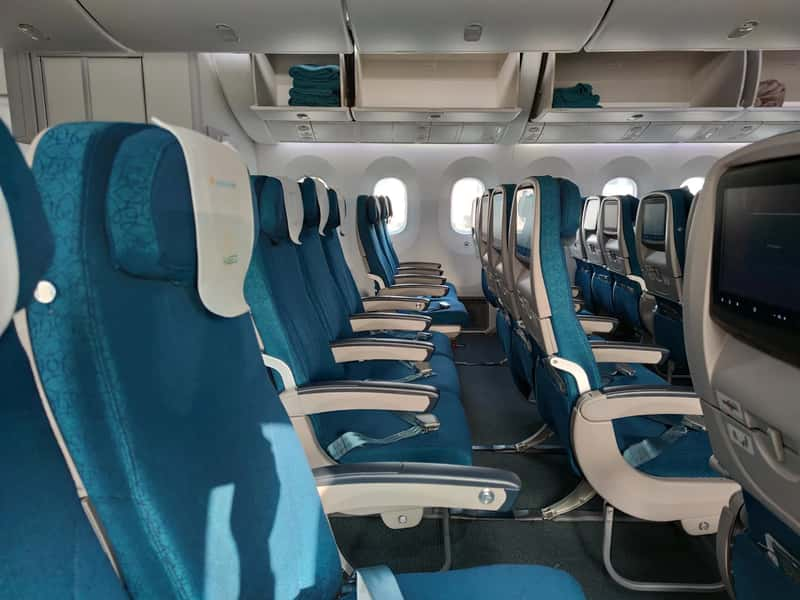
There’s a specific seat that keeps showing up in research on wealthy but practical travelers, and it isn’t first class. It’s premium economy. One travel advisor observed that many affluent travelers save money by booking premium economy flights, instead of business or first-class, and securing access to first-class lounges[3] through the right credit card.
The logic is straightforward once you see it laid out. A slightly wider seat and a bit more legroom solves most of the physical discomfort of a long flight, while lounge access handles the pre-flight stress, all for a fraction of what a fully flat business seat costs. As one advisor put it, arriving “refreshed and well rested after enjoying premium amenities makes the economy feel like an upgrade.”[3]
The trip almost never shows up on social media

Perhaps the most consistent tell is what doesn’t happen after the trip. People with real, unshowy wealth rarely post the highlight reel. One writer who has spent time observing this pattern up close noted that wealthy people who practice stealth wealth are often barely active on social media, working to avoid spotlights that would expose their financial situation[5].
It isn’t secrecy for its own sake so much as a different relationship with attention. The same observer described how these travelers treat their phones as “tools, not trophies,” checking email once in the morning, making a quick call, then putting it away[5]. There’s no audience to perform for, so the performance simply doesn’t happen.
Rental cars and rideshares over black car service
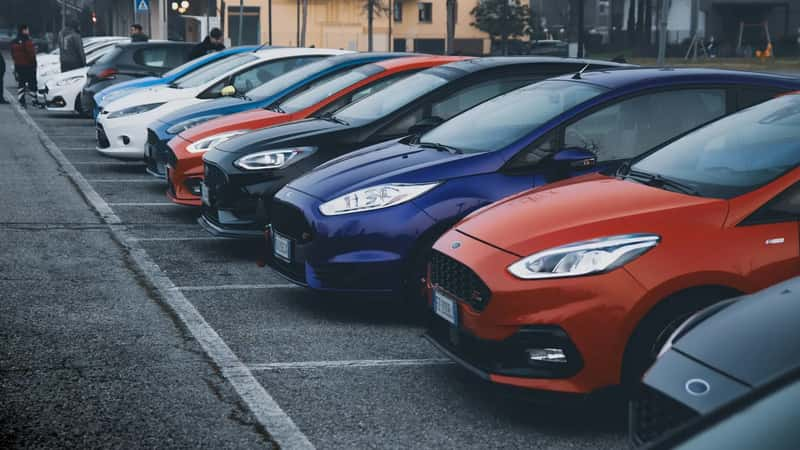
The broader research on frugal millionaires consistently turns up a preference for practical, unremarkable vehicles, and that habit follows people on the road. The classic finding from wealth researchers is that the top car brand among millionaires is Toyota, not Mercedes or BMW[6], and a similar pattern shows up in rental choices at the destination.
More recent survey work backs this up on a larger scale. Ramsey Solutions found that in its national study, nearly one-third of all millionaires, 31%, drove Toyotas and Hondas, while the top American brand was Ford, tying with Lexus at only 8%[7]. A midsize sedan at the rental counter, not a private car service, tends to be the default even for travelers who could easily afford otherwise.
One planned splurge, not constant luxury
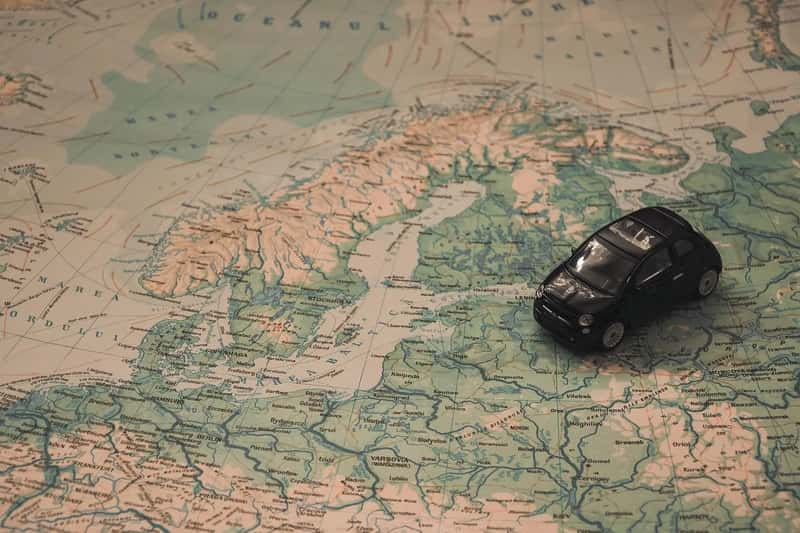
Stealth wealth travel isn’t about denying every comfort. It’s about being selective. Financial writers covering this behavior describe it as spending with purpose, noting that stealth wealth practitioners will pay up for the things that genuinely matter to them while skipping the rest, since stealth wealth isn’t about never spending money, it’s about being deliberate[8].
In practice this might mean one exceptional dinner reservation on an otherwise budget-conscious trip, or a single splurge on a specific excursion while everything else, flights, transfers, daily meals, stays modest. The point isn’t restriction for its own sake. It’s making sure the money spent actually buys something the traveler will remember, rather than status points nobody asked for.
The itinerary gets the same discipline as the grocery list

It sounds almost too simple, but the habit of planning ahead and sticking to that plan shows up again and again in wealth research, and travel is no exception. The National Study of Millionaires from Ramsey Solutions found that 85% of millionaires use a grocery list in some way, with 28% saying they make a list and always stick to it[9].
That same instinct toward planning tends to carry over into how trips get booked. Flights get compared across dates before committing, hotel rates get checked against loyalty program rates, and impulse upgrades get resisted the same way impulse purchases do at the checkout line. It isn’t glamorous, but the research is consistent: the households with “most of the 10,000 millionaires Ramsey Solutions surveyed” built wealth through “consistent investing, avoiding debt like the plague and smart spending”[10], and travel spending is treated with the same care as everything else.
What the pattern actually tells us
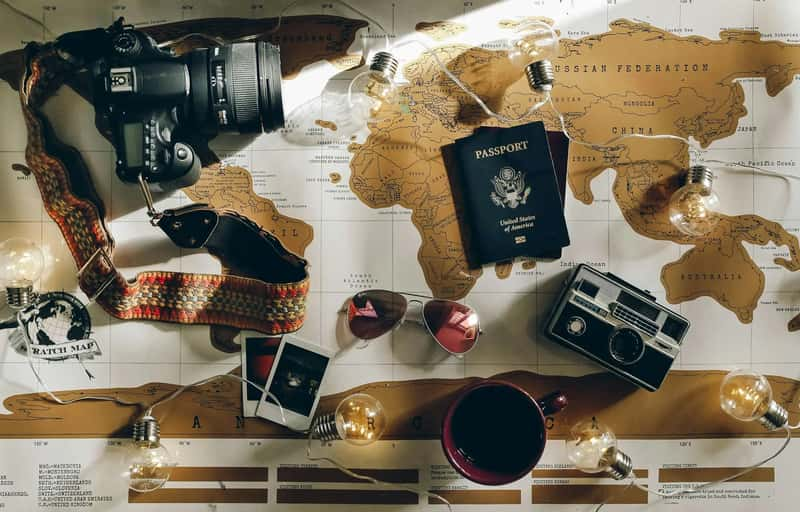
None of these habits are secret tricks or hidden loopholes. They’re closer to a mindset: treat travel spending with the same discipline applied to everything else, and let comfort come from planning rather than price tags. The people who have saved the most rarely need to announce it, because the habits themselves quietly do the work.
What’s worth taking from all this isn’t a checklist to copy exactly, but the underlying attitude. Value gets found before it gets flaunted, and the trip that actually gets remembered usually has very little to do with which cabin someone sat in.