
Walk through a small town at half past two in the afternoon and you can usually tell which kind of country you’re in. In some places the shutters are down and the streets are empty. In others the lunch hour is a sandwich eaten at a desk.
The gap between those two rhythms shows up in the numbers too, though not always the way you’d expect. The OECD tracks hours actually worked per worker, and it cautions that national methods differ, so rankings are a guide rather than a verdict. With that in mind, here are eight countries that protect the midday pause and six where the working year is long.
Spain: The Famous Break That Few Actually Nap Through
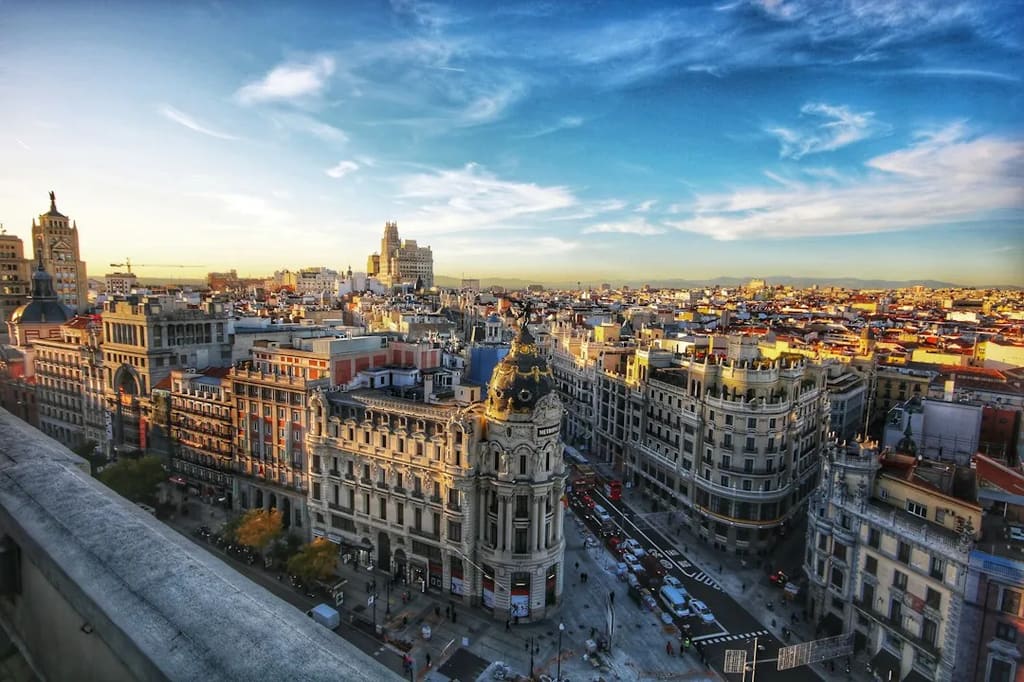
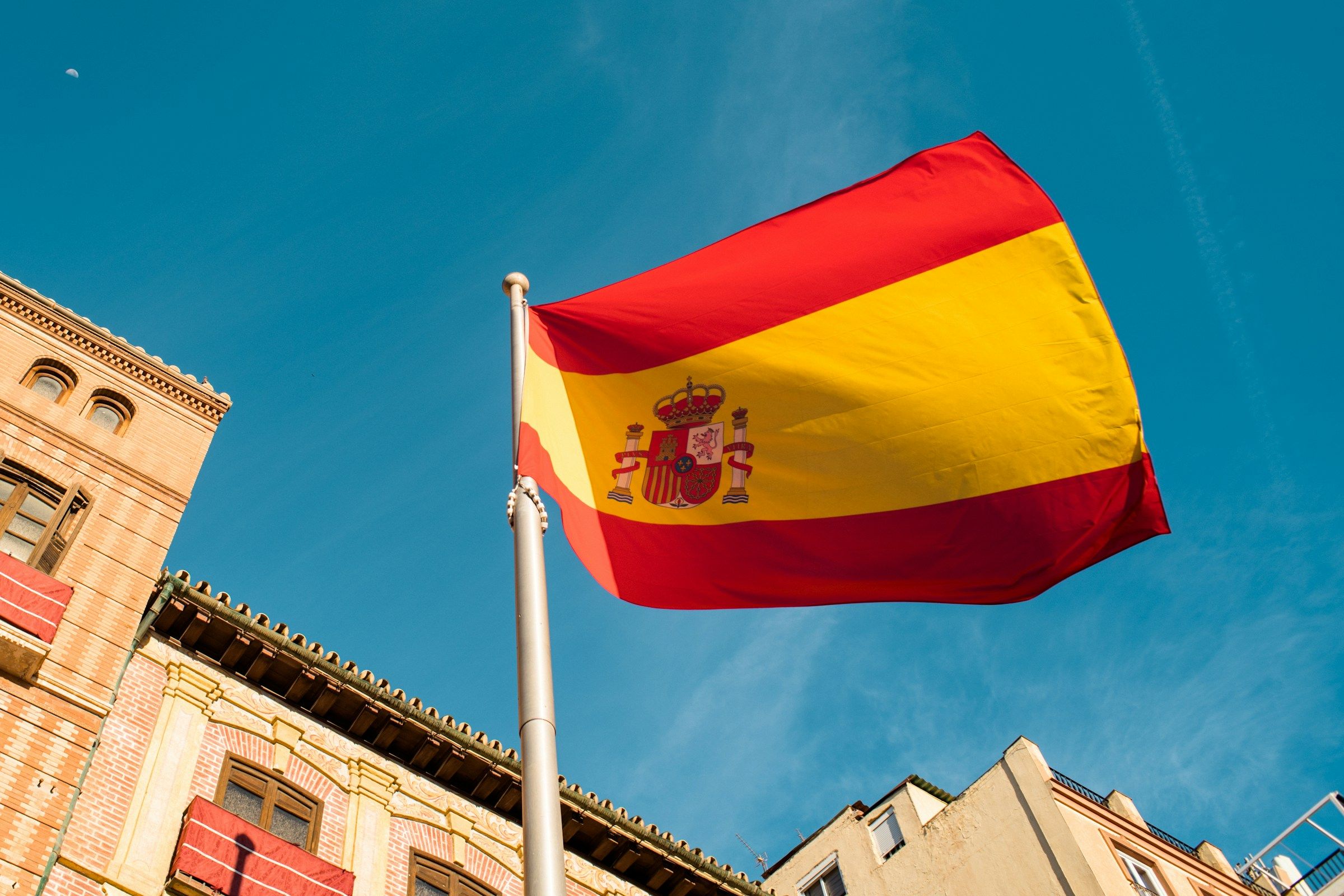
Spain gave the world the word, which traces back to the Latin hora sexta, the sixth hour of the day. The phrase refers to midday, when the sun is at its highest.[1] Siesta time in Spain runs from about 2pm to 5pm[2], and small independent shops are the ones most likely to close.
The nap itself is rarer than the legend suggests. A national sleep survey reported by Público found that 16.2 percent of Spaniards nap daily, while 58.6 percent never do.[2] Many large companies have also moved to the jornada continua, a continuous workday.[3] The long lunch survives more than the sleep does.
Italy: Riposo and the Shuttered Afternoon
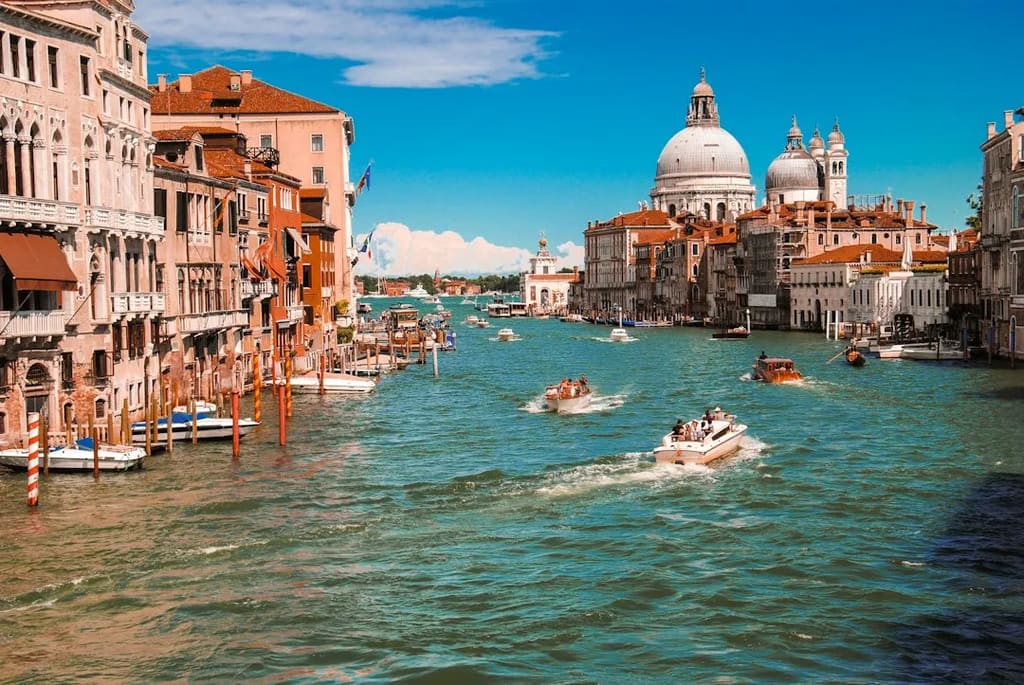
Italians call the pause riposo, which simply means rest. In most small towns and southern regions, shops and businesses close between 1pm and 4pm, and some reopen as early as 3:30pm.[4] In the south you’ll also hear it called the controra.
The custom is shrinking in the big cities. In places like Milan and Rome, the riposo has been shrinking for decades as tourism and international business culture keep city centre shops open.[4] Even so, a great many independent food shops and bakeries in smaller towns still shut for part of the afternoon, as of 2025.[5] Plan your errands for the morning.
Greece: A Rest Period Backed by Law
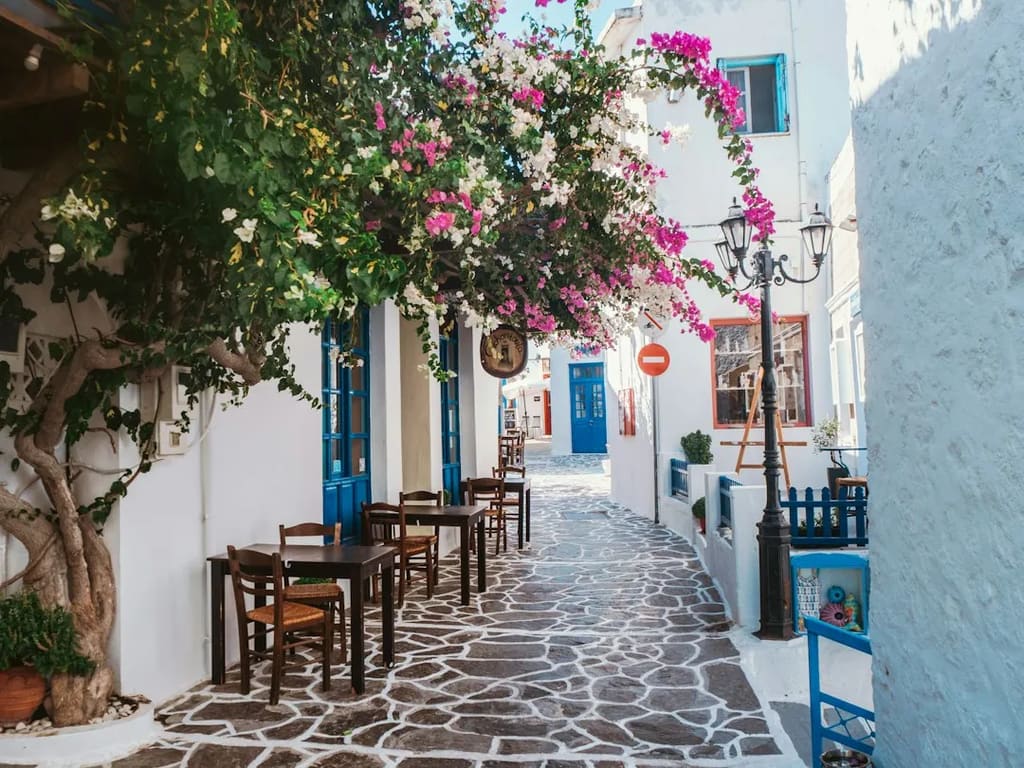
Greece is the one place on this list where the afternoon rest has legal weight. Summer quiet hours run from 3:00 pm to 5:30 pm, plus a night period from 11:00 pm to 7:00 am.[6] They apply from 1st April to 30th September.[7] In winter the afternoon window shifts to 3:30 to 5:30 PM.[8]
During those hours, construction work and other noisy operations are not allowed unless an emergency demands it.[6] Major supermarkets stay open continuously, while independent village shops still tend to close in the afternoon.[8] The paradox is that Greeks also put in long years of work. Greece ranked highest in the EU in 2022 at about 1,886 hours a year, and OECD data show 1,898 hours per worker in 2024.[9]
Portugal: Lunch Still Gets Its Full Hour
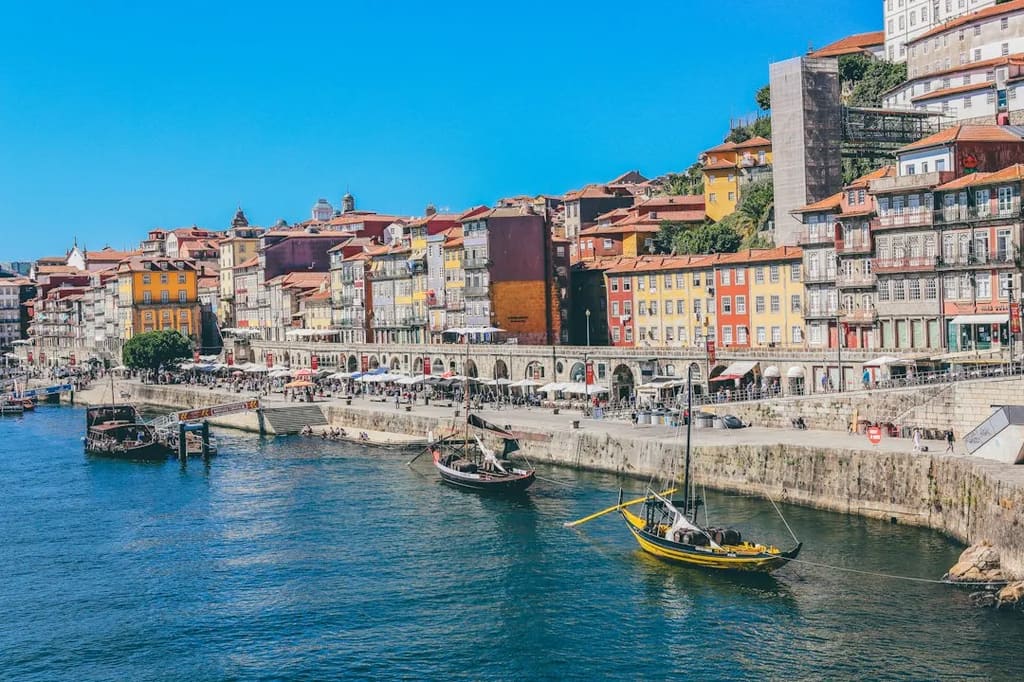
Portugal doesn’t advertise a siesta the way its neighbor does. The midday meal is still treated as a proper break, though, and in smaller towns many family run shops, cafés and offices pause around lunchtime before reopening in the afternoon. I’d call it a softer version of the same instinct.
Larger cities and shopping centers run continuously, so visitors in Lisbon or Porto rarely feel the pause. It becomes obvious in villages, where a locked door at one o’clock is normal and not a sign of anything wrong. As a rule of thumb, do your small errands before lunch.
Argentina: Provincial Afternoons and Late Dinners
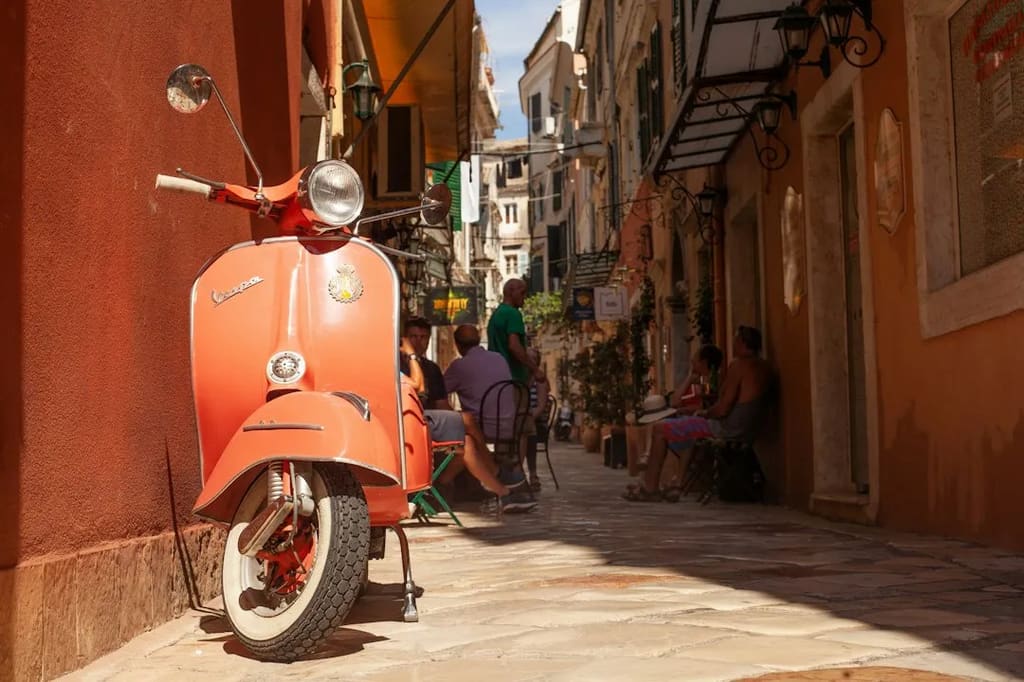
Argentina inherited the siesta through its Spanish roots, and the habit lives on mostly in provincial cities and smaller towns. There, shops often close through the early afternoon and reopen later in the day. Buenos Aires is much more continuous, as capitals usually are.
The pause fits a wider schedule that runs late. Dinner is commonly eaten well into the evening, so an afternoon rest makes practical sense. Hours vary by town, so it’s worth checking a shop’s posted times before you plan around it.
Cyprus: Hot Afternoons and Early Closing Days
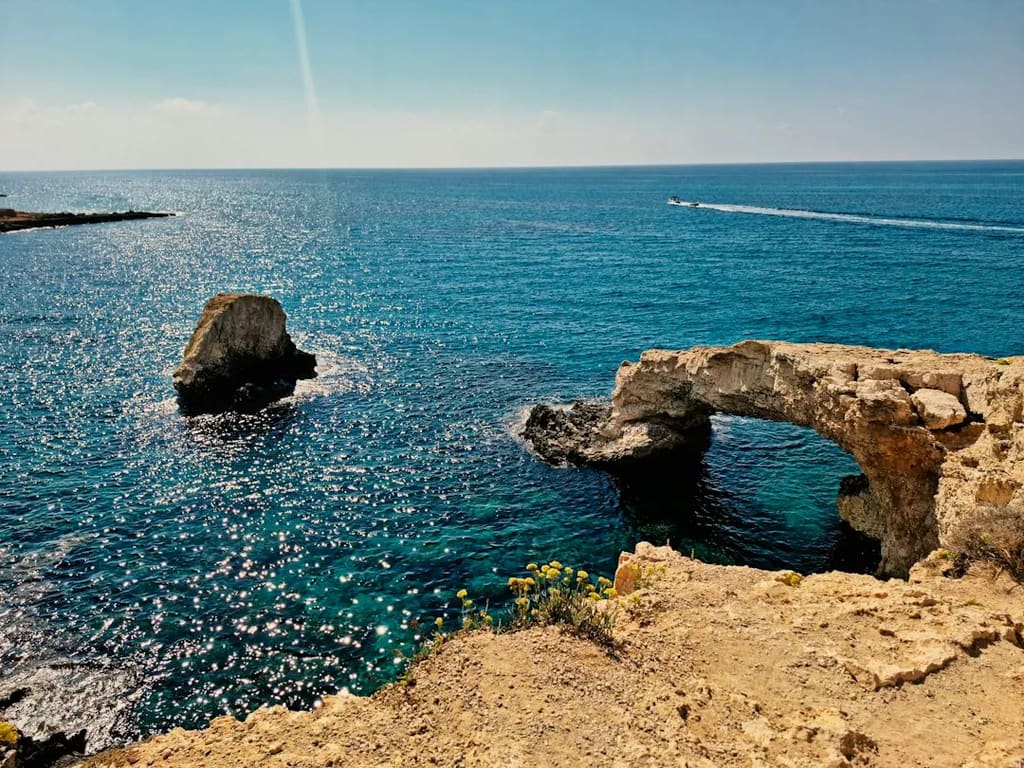
Cyprus shares much of its daily rhythm with Greece, and the heat reinforces it. In summer, many people retreat indoors through the hottest part of the afternoon, and the streets of smaller towns quiet down accordingly. Traditionally, shops have also kept shorter hours on certain weekday afternoons.
Tourist areas operate on longer schedules, so the break is easy to miss on the coast. Inland villages follow the older pattern more closely. If you’re visiting in July, you’ll probably want a rest yourself.
Vietnam: The Midday Nap as a Daily Habit

Vietnam stands apart from the Mediterranean examples because its midday nap is less about shop shutters and more about personal routine. Workers and students commonly rest after lunch, and it isn’t unusual to see people dozing on motorbikes, in hammocks or at their desks. Some offices and small businesses slow down noticeably in the early afternoon.
Heat and humidity explain much of it, as they do around the Mediterranean. The pace picks up again later in the day, when streets and markets fill with activity once more. Large employers and tourist businesses tend to keep steadier hours.
Egypt: Waiting Out the Hottest Hours

In Egypt, the intense heat of the afternoon shapes how people schedule their days, especially in summer. Many residents rest between lunch and the late afternoon, and activity moves into the evening, when cafés, markets and streets stay busy well after dark. The rhythm is built around temperature as much as tradition.
Business hours differ widely between government offices, malls and small shops. Visitors who sightsee in the morning and again toward sunset usually have the easiest time. The middle of the day is better spent in the shade.
Mexico: Among the Longest Working Years in the OECD

Mexico flips the script. Among OECD members with a 2025 observation, Mexico has the highest value, at roughly 2,205 hours actually worked per worker.[9] The statutory maximum is 48 hours per week, and many workers, particularly in informal sectors, exceed it.[10]
More hours don’t translate into more output per hour. One analysis of OECD data found that the countries working the most hours, including Mexico, produce the least per hour, at roughly 22 to 32 dollars.[11] The same analysis notes that the OECD warns its annual hours figures aren’t built for exact comparisons between countries in a single year.[11]
South Korea: Shorter Than Before, Still Long
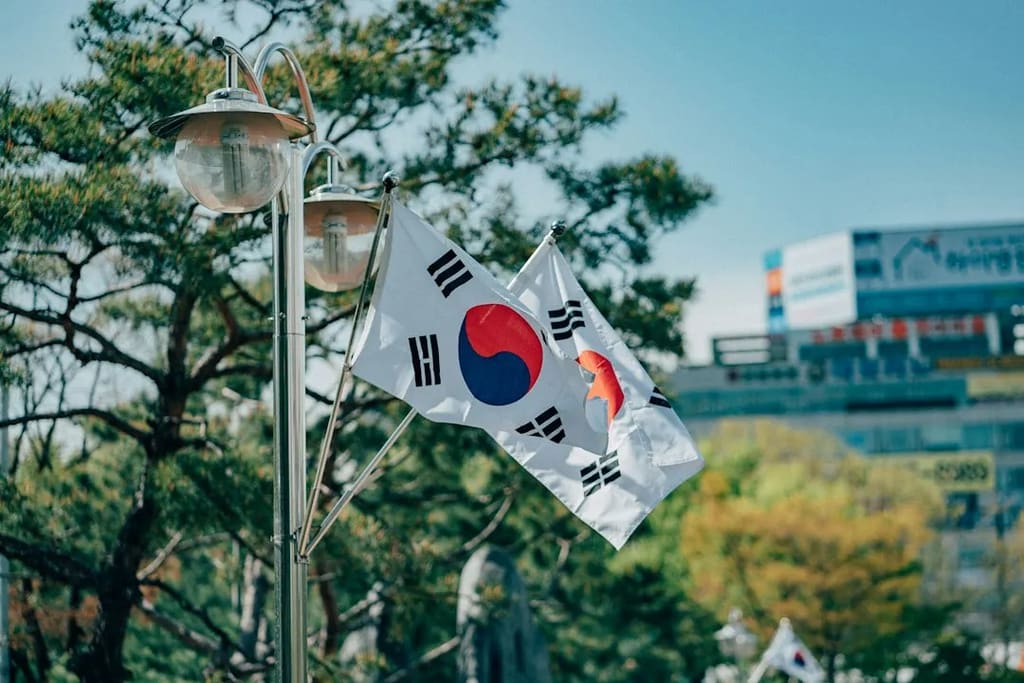
South Korea has been trimming its working year for a decade. Beginning in 2018, the maximum statutory working week was progressively reduced from 68 to 52 hours.[12] That limit consists of 40 regular hours and up to 12 hours of overtime.[12]
The trend is clear in the data. Korean workers averaged 1,872 hours in 2023, and the 2025 OECD value is about 1,833 hours, sixth highest.[9] That’s still well above the OECD average, and work life balance remains an active public issue.
Costa Rica: Second Only to Mexico

Costa Rica often surprises readers who associate it with a laid back lifestyle. One 2024 summary of OECD data placed it second for annual hours, at 2,149 per worker.[13] It is named alongside Mexico and Colombia among the countries above roughly 2,150 hours.[11]
Related Stories From Travelbinger


The numbers describe hours worked, not happiness or the quality of the vacation. Plenty of Costa Ricans enjoy the outdoors and a slower weekend. Yet the data suggest the working week there is among the heaviest in the OECD.
Colombia: Reforms to Shorten the Week
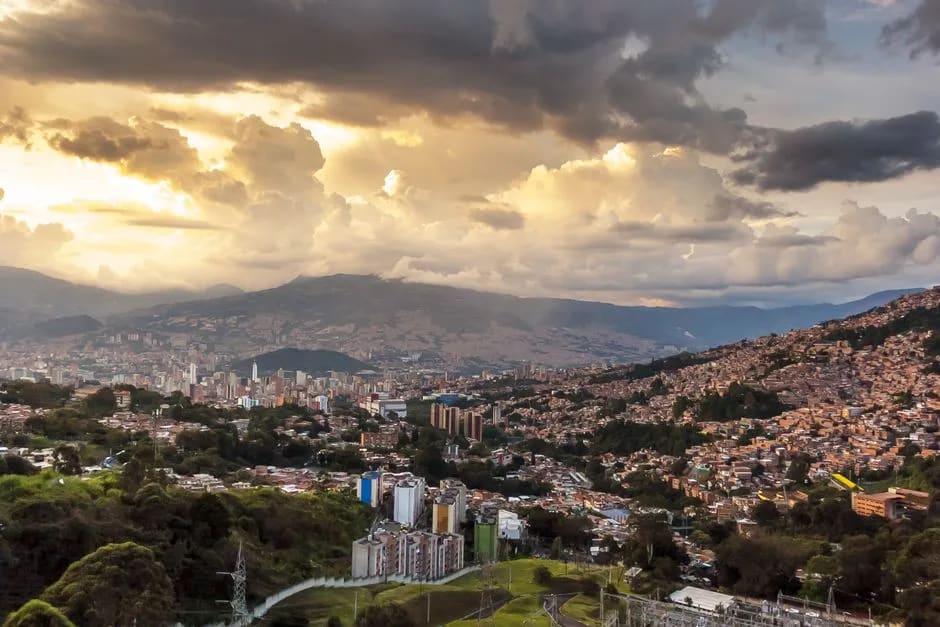
Colombia consistently sits near the top of OECD hours tables. As of 2022, Colombia, Mexico and Costa Rica ranked highest for hours worked per year.[14] Few other countries in the group have such a long working year.
Policy is moving in the other direction. A 2021 law phases the legal workweek down from 48 hours toward 42, with the final step scheduled for July 2026. Whether actual hours follow the legal limits is a different question, since informal work doesn’t always show up in the rules.
Chile: Fourth Longest, With a Shorter Week Coming
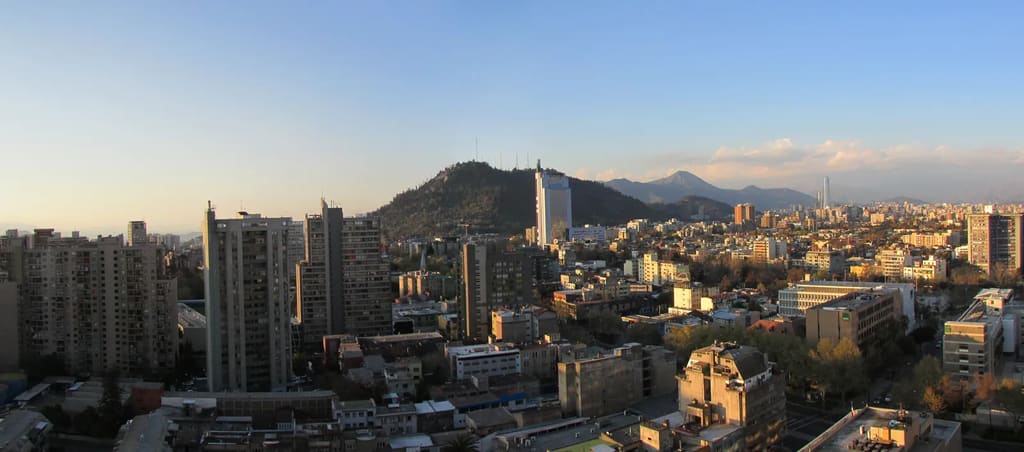
Chile also sits in the OECD top group. One 2024 ranking put it third, at 1,919 annual hours per worker.[13] That’s more than Greece, which has a reputation for hard work of its own.
A law passed in 2023 is lowering the legal workweek from 45 hours in steps toward 40 hours by 2028. The reduction is gradual, so the full effect on actual hours may take years to appear in the data. It’s one of the clearer examples of a long hours country deliberately changing course.
Singapore: High Income, Long Hours
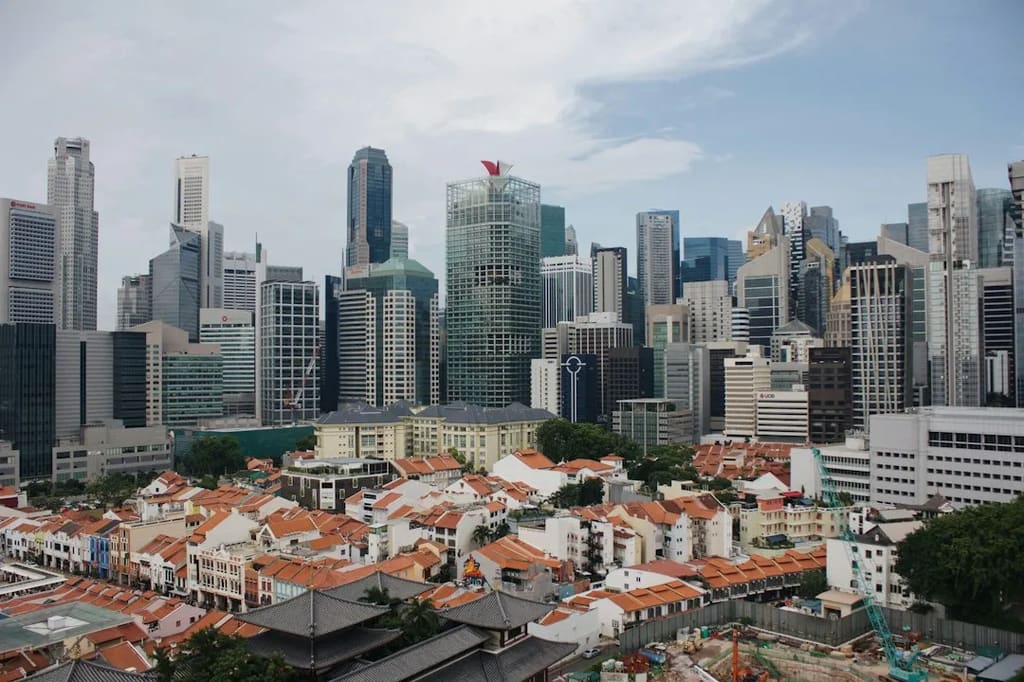
Singapore sits outside the OECD, so it doesn’t appear in the same tables. Even so, it’s regularly mentioned alongside South Korea as a place where long working hours persist despite high incomes.[14] The country’s legal standard for a normal workweek is 44 hours for most employees.
Air conditioned offices mean there’s no heat based reason for a midday break, and the city runs on continuous hours. Lunch is quick, hawker centers are fast, and the afternoon carries on. Singapore is the clearest example here of a place where the midday pause simply isn’t part of the working day.