Albuquerque (USA) – Most zoo visits center on lions, giraffes and gorillas, but a facility in New Mexico is asking visitors to shift their attention to the smaller residents. The ABQ BioPark BUGarium is one part of a larger complex that also includes an aquarium, a traditional zoo and a botanic garden. Following a yearlong closure, the renovated exhibit reopened in October 2026 ([1]).
A Year Closed, a $1.45 Million Makeover
The BUGarium shut its doors for roughly twelve months while crews carried out a renovation costing $1.45 million. The project gave the building a fresh look and a new set of exhibits centered on arthropods, the group that includes spiders, scorpions and ants.
For visitors, the result is a clear change in emphasis. Where many zoo trips treat invertebrates as a quick stop between larger animals, the BUGarium places them at the core of the experience. Staff expect families who arrive for the botanic garden or the aquarium to spend time here as well.
Why Insects Deserve Top Billing
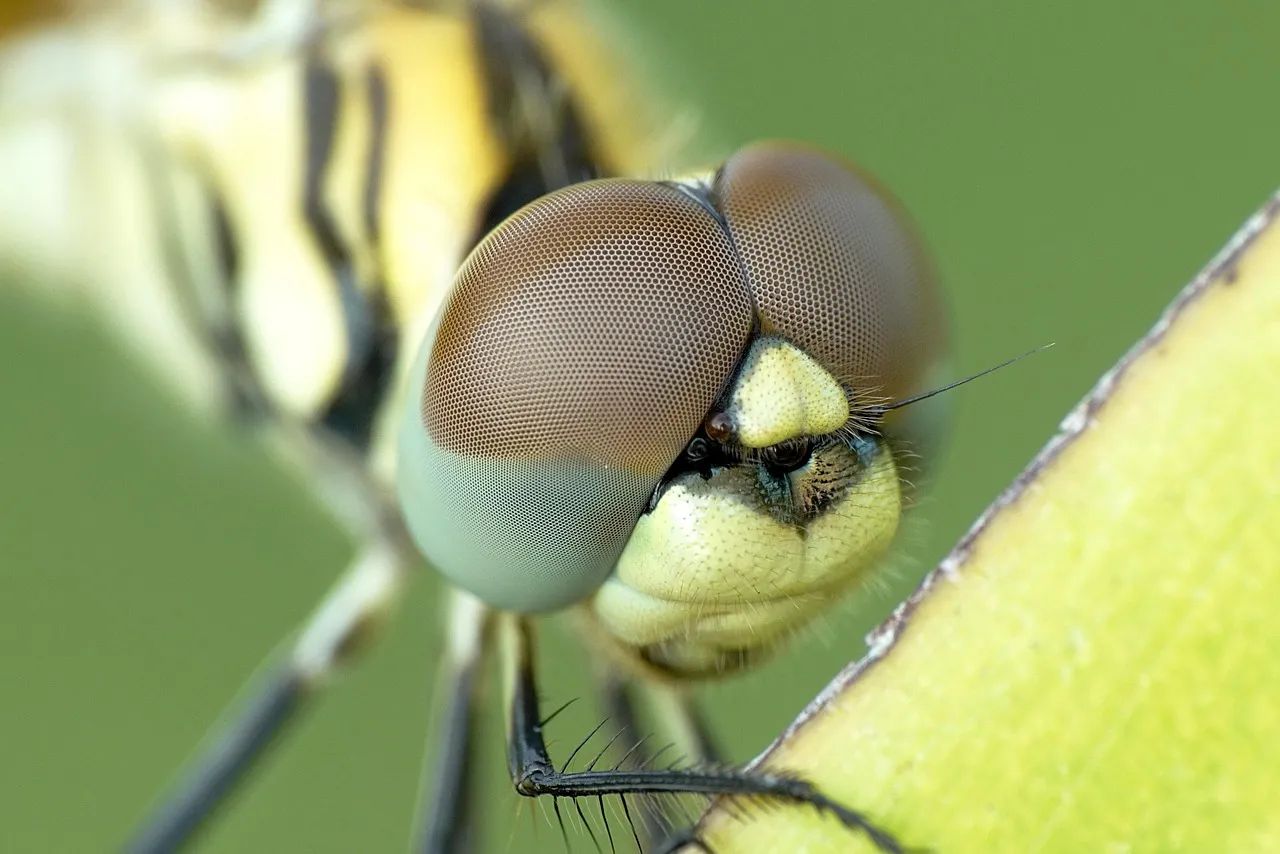
Insects make up the largest group of animals on Earth, and their role in daily life is easy to underestimate. They pollinate plants, serve as the foundation of many food chains and help keep pest populations in check. Entomologist E.O. Wilson warned decades ago that losing insects would ripple through the rest of the natural world, a point the BUGarium’s team now uses to frame its exhibits.
ABQ BioPark Associate Director Matthew Peterson said in a statement that the animals are essential to healthy ecosystems. He pointed to their work in pollinating plants, recycling nutrients, controlling pests
and supporting entire food webs. The message is practical: many of the creatures visitors instinctively avoid are doing necessary work outside the glass.
Turning Disgust Into Curiosity
Getting people to look closely at spiders and scorpions is not a simple task. Alexandra Miller, the curator of entomology at the ABQ BioPark, told Mongabay in an email that guests arrive with a wide range of reactions, from revulsion to genuine wonder. Her team does not expect everyone to leave as an enthusiast.
The goals are more measured. Miller said the staff hopes visitors come away understanding how important arthropods are to ecosystems worldwide, what individuals can do to support native populations, and why these animals need specialized care. Those care requirements, she noted, are a reminder that keeping invertebrates healthy takes expertise that many people never see.
Key facts about the BUGarium
Related Stories From Travelbinger



- Location: Albuquerque, New Mexico, within the ABQ BioPark
- Closed for about a year for renovation
- Renovation cost: $1.45 million
- Reopened: October 2026
- Neighboring attractions: an aquarium, a traditional zoo and a botanic garden
Planning a Visit
The BUGarium’s location within the BioPark makes it easy to combine with other stops. Families with mixed interests can move from the insect exhibits to the aquarium or the gardens without leaving the complex. That arrangement also suits visitors who are unsure about arachnids and want a gentler introduction alongside more familiar animals.
For travelers building an itinerary around New Mexico, the reopened BUGarium offers something most zoos do not. It turns a common fear into a reason to visit, and it does so with a clear educational purpose.