There’s a particular kind of sticker shock that hits when the hotel receipt finally lands in your inbox after a supposedly relaxing week away. It’s not just airfare or the occasional splurge dinner. In a handful of American destinations, the entire cost structure, from the resort fee to the parking charge to the artisanal toast at breakfast, seems built around the assumption that you won’t check the math until you’re already home.
Some places genuinely earn their price tags through scarcity, geography, or sheer demand. Others just coast on reputation while quietly padding every line item. Here’s a ranked look at six spots where the American vacation dollar tends to disappear the fastest.
1. Aspen, Colorado
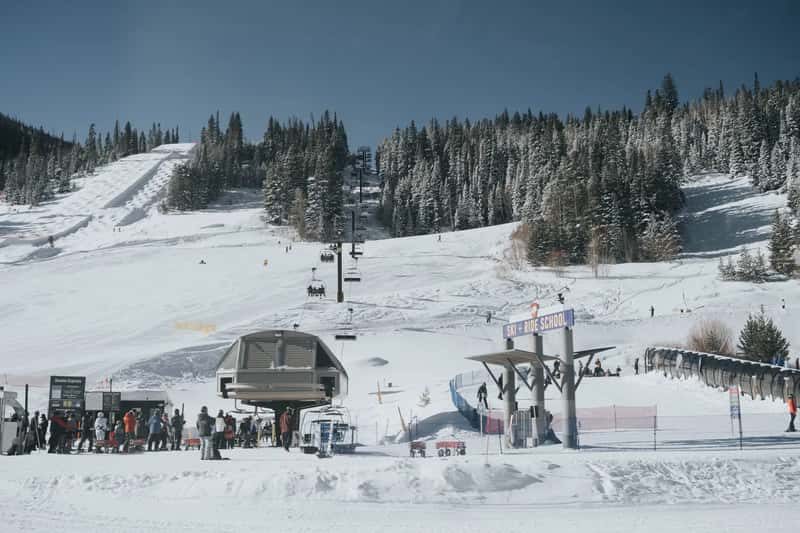
Aspen sits at the very top of nearly every list of expensive American getaways, and the numbers back up the reputation. One widely cited estimate put the average cost of a three-night getaway to Aspen at a credit-card-busting $2,708, which was over $260 more than the second-most expensive spot[1]. That’s before lift tickets, rental gear, or a single dinner reservation at one of the town’s champagne bars.
Hotel pricing data tells a similar story. Recent analysis found the average hotel price in Aspen based on data from 73 hotels is $514 with high season averages around $960, and the median price is $473[2]. Skiing itself adds another layer of cost, with one report noting that Aspen will cost you $329 for a lift ticket and $95 for equipment rentals, while nightly lodging can run anywhere between $1,200 and $1,800[3] at the town’s higher-end properties. What started as a mining outpost has fully transformed into a jet-set retreat, and the pricing reflects that shift completely.
2. Maui, Hawaii
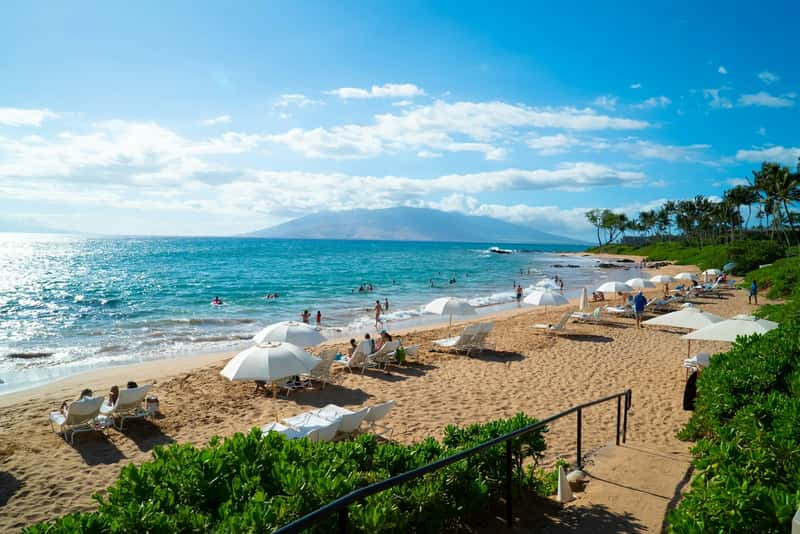
Maui doesn’t just lead Hawaii in hotel pricing, it leads the entire country. According to STR data, the island posted the nation’s highest 12-month average daily rate of $551, approximately $120 higher than the next destination on the rankings, the Hawaii/Kauai islands[4]. More recent island-by-island comparisons found Maui even further ahead, with Oahu the lowest at $284 nightly, and Maui the highest at $544[5].
Context makes the gap even more striking. The national average daily hotel rate sat at roughly $160 in 2024, meaning Hawaii’s overall rates were more than double that national average[5], with Maui pulling the number up the most. Food doesn’t offer much relief either, with one 2026 cost breakdown estimating that food averages $162 per person daily[6] on the island. Add a rental car, since Maui’s attractions are spread across the island rather than clustered in a walkable center, and the total climbs fast.
3. Santa Barbara, California
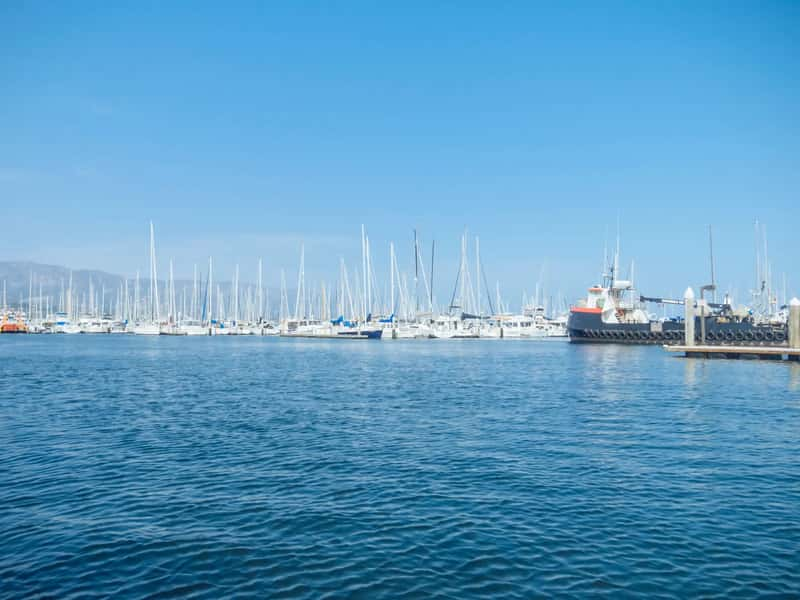
Santa Barbara has quietly built a reputation as California’s priciest tourist stop, and multiple cost surveys back that up. One list of America’s most expensive summer destinations placed it among the handful of cities where a family trip costs more than $6,839… Santa Barbara, California ($6,323)[7] for a week-long vacation. That number sits close to New York and well above most of the country.
The town’s appeal is easy to understand. Palm-lined streets, Mediterranean architecture, and wine country just inland all combine to justify the price in visitors’ minds. Still, it’s worth noting that Santa Barbara’s costs stack up primarily through lodging rather than any single extravagant activity. There’s no headline attraction driving the number up. It’s simply a market where hotel operators know exactly what tourists are willing to pay for ocean views and manicured downtown blocks.
4. Key West, Florida
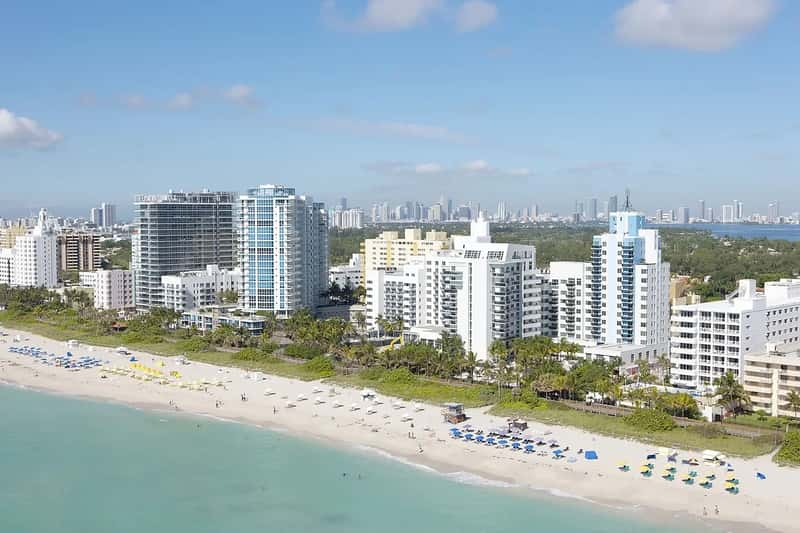
Key West layers its costs in a way that can catch visitors off guard even after they think they’ve budgeted properly. Resort fees alone add a meaningful chunk, with reporting noting that resort fees ranging $25-45 daily appear at many Key West hotels, and these mandatory charges increase advertised room rates by 8-15%, with $300 quoted rooms becoming $330-345[8]. Parking adds another surprise, since parking fees reach $15-40 nightly at Old Town hotels, meaning properties advertising $320 rooms actually cost $335-360 with parking[8].
Resort-style stays push the average even higher. Recent booking data shows the most expensive type of accommodation in Key West is resorts, averaging $548 a night, roughly 37% more expensive than standard hotels[9]. Seasonal swings matter too. February through April counts as peak season with prices 40-50% higher than summer baseline rates[8], so timing a trip poorly can double the damage.
5. New York City
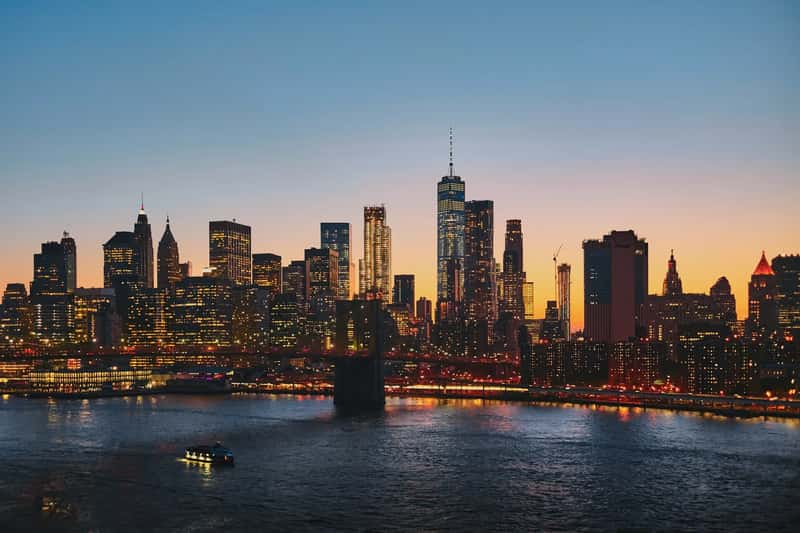
New York earns its spot less through any single outrageous fee and more through the sheer accumulation of everyday costs. One 2026 travel cost analysis pegged the city at roughly $363 per person per day, meaning a seven-day solo trip averages around $2,541 before a single flight is booked[6]. At the higher end, spending can climb dramatically further, since daily spending can blow past $1,100 without much effort, as hotels in desirable neighborhoods are rarely cheap, and Broadway tickets, rooftop cocktails, and museum admissions pile on fast[6].
Hotel rates in Manhattan specifically hover well above the national baseline, with one budget guide noting Manhattan averages $259 a night[10] compared to far cheaper markets elsewhere in the country. Family-trip estimates back this up too, placing New York among the destinations where a week-long visit exceeds $6,839[7] for a household of four. The city’s density and tourism volume mean there’s rarely a true off-season discount to lean on.
6. Nantucket and Martha’s Vineyard, Massachusetts
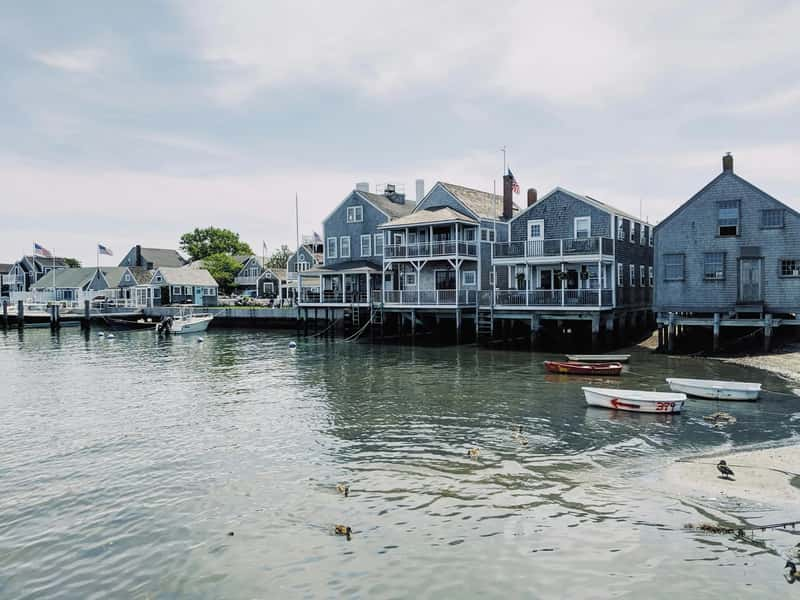
These two island communities off the Massachusetts coast have carved out a reputation as the East Coast’s answer to Aspen and Maui. Industry rankings have repeatedly singled them out, with one report noting that the Atlantic-washed isles of Nantucket and Martha’s Vineyard were crowned the priciest summer destinations in the country[1] by a hotel-focused research outlet. That’s a notable distinction given how much competition exists among American beach towns.
Limited housing stock is the core driver. Both islands have small year-round populations and a hard ceiling on hotel inventory, so summer demand from wealthy vacationers pushes nightly rates into territory usually reserved for major cities or ski resorts. Ferry access adds its own cost and logistical friction, since visitors typically pay separately for a car reservation on top of lodging. The result is a pair of destinations where even a modest weekend away can rival the cost of a much longer trip elsewhere in New England.