Most travelers pack sunscreen, chargers, and maybe a phrasebook, but few think to research when and where they’re allowed to buy a beer. That’s usually fine in the United States, where rules are fairly predictable from state to state. Step outside American borders, though, and the logic around alcohol can shift in ways that catch even seasoned travelers off guard.
From full moon closures to government owned liquor stores, these seven countries operate under rules that rarely make it into standard travel guides. Some are loosening up in 2026, while others remain as strict as ever. Either way, knowing the details before you land can save you a confusing night, or at least an awkward conversation with a hotel bartender.
Thailand’s afternoon alcohol ban is finally disappearing
For more than five decades, Thailand enforced a strange midday dry spell that baffled visitors who wandered into a 7-Eleven only to find the beer cooler taped shut. The Buddhist-majority country had banned the sale of alcohol before 11 am and between 2pm to 5pm. The rule first originated in the 1970s amid military rule and was formalised in 2008 to prevent civil servants from drinking during the workday.
That changed at the very end of 2025. On 3 December, following a 15-day public consultation, the country’s Public Health Minister and National Alcohol Policy and Alcoholic Beverage Control Committees put an end to the restriction altogether. The lift is technically a trial: it will run as a 180-day pilot until the end of May 2026, during which authorities will monitor road-traffic accidents, hospital admissions, and overall consumption before deciding whether to make the relaxation permanent. Travelers heading to Thailand in the second half of 2026 should still double check the current status, since the removal of the three-hour afternoon ban has a trial period of 180 days, during which the impact of the change will be assessed.
The United Arab Emirates ties drinking to licenses, not just age
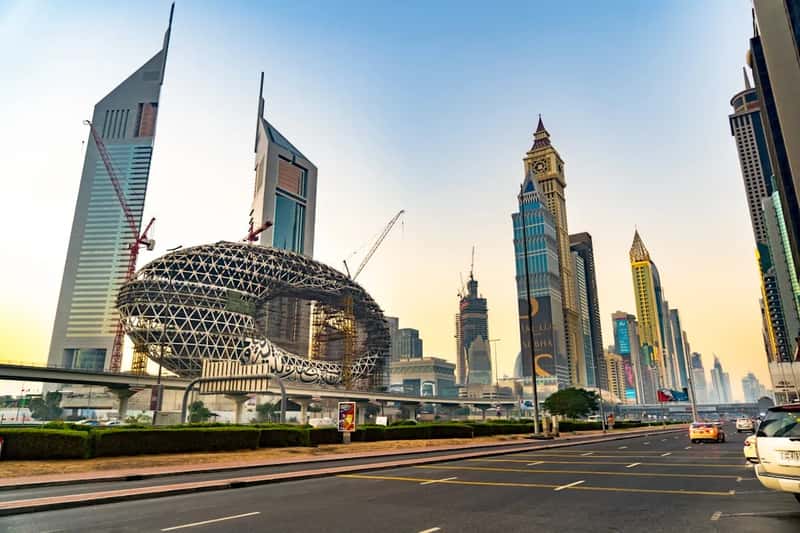
Unlike almost anywhere in the U.S., simply being of legal drinking age in the UAE doesn’t automatically mean you can walk into a store and buy a bottle of wine. Alcohol in Dubai can only be purchased and consumed in licensed bars, restaurants and from specialised retailers, and to buy or consume alcohol you must be at least 21 years old and have a liquor licence. The good news for short term visitors is that the paperwork is no longer a hassle. Tourists receive free 30-day temporary licences when purchasing from retail stores.
What surprises many Americans is how much the rules change simply by crossing an emirate border. Sharjah maintains the strictest alcohol policy in the UAE, where alcohol is completely illegal throughout the emirate with no exceptions for tourists, residents, or non-Muslims. Dubai’s beaches carry their own quiet trap too, since Dubai Municipality explicitly bans drinking alcohol on beaches and adding alcohol to food products consumed on beaches. Add in the return of a hefty tax, since from January 2025, Dubai will once again apply a 30 percent alcohol tax which was temporarily suspended at the end of 2022, and a round of drinks in Dubai can cost noticeably more than it did just a couple of years ago.
Sri Lanka goes dry every full moon, whether you planned for it or not
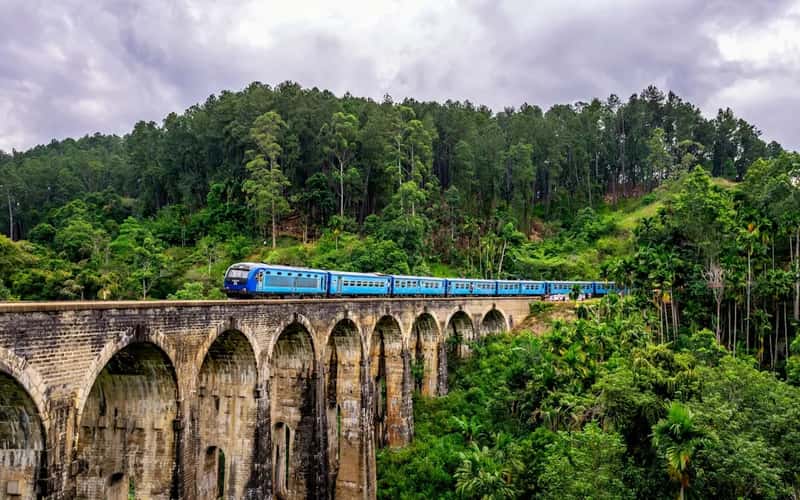
This is the one that trips up even people who’ve read a guidebook cover to cover. Every full moon day, known as a Poya day, is a public holiday in Sri Lanka, and on these days the sale of alcohol is prohibited nationwide, with most liquor stores and many hotel bars closing. Since the lunar calendar doesn’t line up neatly with the Gregorian one, there are 12 or 13 poya days per year, because the lunar and solar calendars don’t align exactly.
The rule genuinely catches tourists off guard, and locals in the tourism industry know it. Poya day is one of the most misunderstood aspects of visiting Sri Lanka, particularly for visitors who arrive expecting Western-style nightlife access and restaurant dining flexibility. The workaround is simple enough once you know about it. For tourists this means stocking up on beer the day before, expecting closed bars, and visiting a temple to see authentic ceremonies. It’s worth noting that both men and women can freely buy and drink alcohol, as an old restriction on women was symbolic and is no longer enforced.
Sweden still funnels most alcohol through one government owned chain
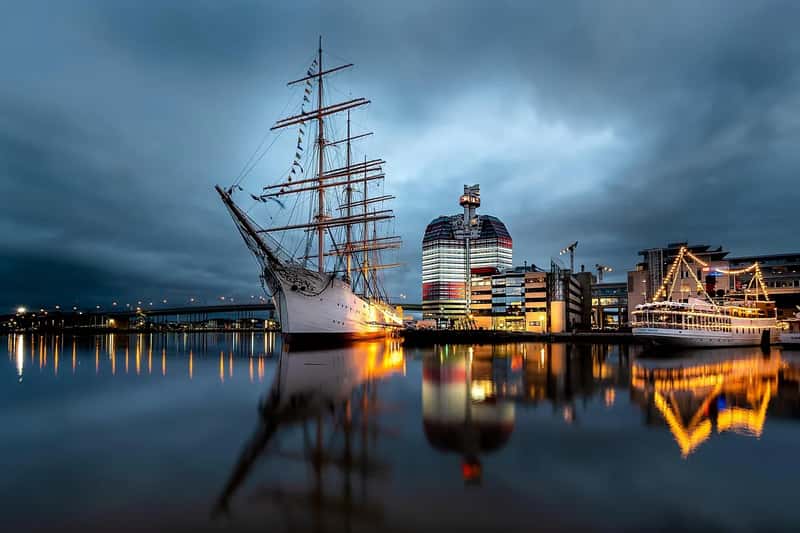
Americans used to grabbing wine at the grocery store often do a double take in Sweden. Systembolaget is the only retail store allowed to sell alcoholic beverages that contain more than 3.5 percent alcohol by volume. The chain isn’t small, either. Systembolaget operates 450 stores across Sweden and has limited opening hours and does not advertise alcohol nor put items on promotion.
This arrangement exists thanks to a rare carve out from EU trade rules. As part of their accession to the European Union in 1995, Sweden and Finland are the only two EU member states granted an exception of free trade agreements allowing state-run alcohol monopolies. There are early signs of loosening, though the change is modest. The new rules permit only restricted sales, letting distilleries offer a single 0.7-litre bottle to each visitor after a paid tour, between 10 am and 8 pm, while breweries and vineyards are limited to 3 litres per person. Even government estimates suggest the shift is minor in practice, since a 2021 government report forecast these changes would increase national alcohol sales by around 200,000 litres annually, a figure that represents less than 1 percent of Systembolaget’s current volume.
India’s alcohol map looks nothing like a single national policy
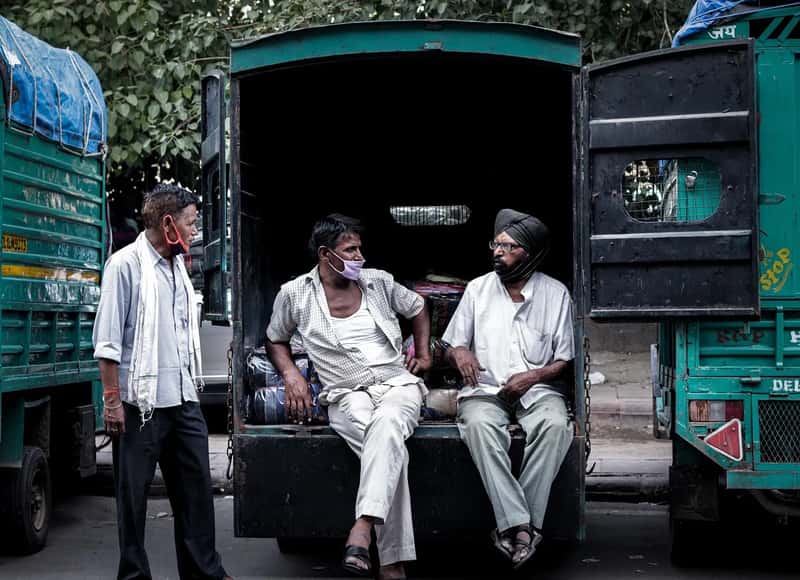
Travelers assuming India has one uniform alcohol law are in for a surprise the moment they cross a state line. India has several dry states, including Bihar, Gujarat, Mizoram, Nagaland, and Lakshadweep, where alcohol is banned for social, religious, and health reasons, per Article 47 of the Indian Constitution. Bihar’s version of prohibition is particularly absolute. Bihar enforces one of the strictest prohibition frameworks in the country, where the sale, consumption, possession, and transport of alcohol are entirely banned, and this policy applies uniformly to residents and visitors.
Gujarat, Prime Minister Narendra Modi’s home state, follows a similarly firm line, though with narrow exceptions. The manufacture, consumption and sale of alcohol are banned in Gujarat, though there are some government-authorised liquor shops where residents with special health permits and foreigners can buy alcohol. Beyond the dry states, alcohol availability can still shift unexpectedly around elections and public events, since even in states where alcohol is generally legal, temporary bans are imposed on specific occasions, with dry days declared by local authorities typically including national holidays, election days, and vote counting days.
Iceland kept beer illegal well into the modern era
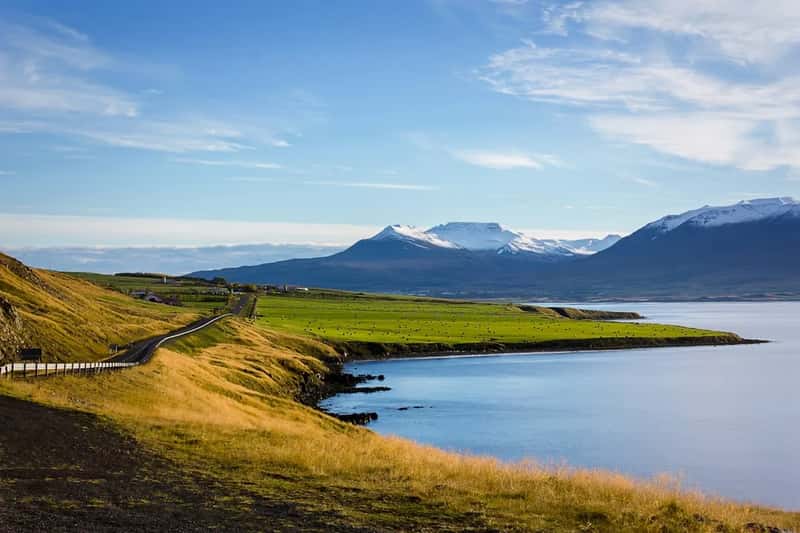
It sounds almost invented, but it isn’t: Iceland banned beer specifically, not just alcohol generally, for most of the twentieth century. The country lifted a total prohibition on spirits and wine decades earlier, yet beer above a very low strength stayed off limits until 1989, a fact that still surprises visitors who assume beer is the tamest drink on any menu. The date is commemorated locally each March 1st as “Beer Day,” which tells you something about how significant the change felt at the time.
Modern Iceland hasn’t fully let go of its cautious approach either. Wine and spirits, along with any beer above a modest alcohol strength, are still sold only through Vínbúðin, the state run liquor monopoly, rather than in ordinary supermarkets. Combined with notoriously high alcohol taxes, a casual dinner with a couple of drinks in Reykjavik can run considerably higher than the same meal would cost back home, which is often the detail that actually surprises American tourists most.
Turkey has quietly tightened the rules over the past decade
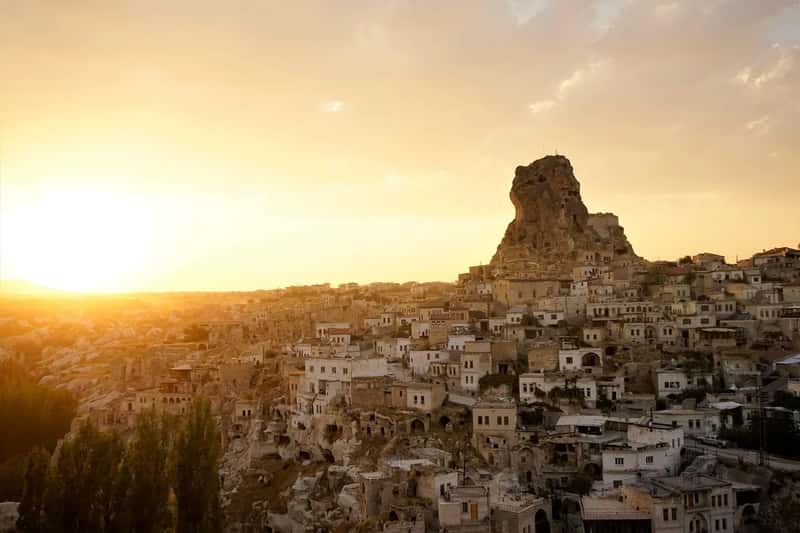
Turkey doesn’t ban alcohol outright, but the direction of travel has been toward more restriction rather than less, and that shift is easy to miss if your mental image of the country is still based on an older trip. Retail alcohol sales are limited to daytime hours in most shops and supermarkets, with a nationwide cutoff in the evening that catches visitors who assume they can grab a bottle of raki on the way back from dinner. Advertising for alcohol is heavily restricted as well, so the promotional signage and drink specials common in American bars are largely absent from the streetscape.
Price is the other surprise. Turkey imposes steep special consumption taxes on alcoholic beverages, and those taxes have climbed steadily in recent years, pushing the price of imported spirits and even domestic wine well above what many tourists expect in a country known for affordable travel overall. Licensed restaurants, hotels, and tourist zones still serve alcohol without much friction, but the casual, anytime access many Americans are used to simply isn’t the default here.
Planning around the rules, not against them
None of these countries are trying to make life difficult for visitors. Most of these laws trace back to religious observance, public health concerns, or decades old political decisions that have simply outlasted their original context. Sweden’s monopoly and Thailand’s now fading afternoon ban both grew out of very different histories, yet both shaped what a simple evening drink looks like for millions of travelers each year.
The practical takeaway is straightforward: a five minute check of a destination’s current alcohol rules, especially since several of these laws are actively changing in 2026, beats finding out the hard way at a locked liquor cabinet or a closed store on a holiday you didn’t know existed.