When people talk about the world’s most livable cities, the conversation tends to gravitate toward the same handful of familiar giants. Yet some of the highest quality-of-life scores each year actually belong to places that never quite reach megacity status. Cities such as Copenhagen, Zurich, and Geneva rank high partly because of their smaller populations, which contribute to lower crime rates and less congestion, and that pattern repeats itself across the latest rankings from the Economist Intelligence Unit, Monocle, and other global surveys.
This year’s data confirms the trend once again. Europe and Australia account for seven of the world’s ten highest-ranked cities, and a closer look at those lists shows that many of the strongest performers are modest in size rather than sprawling. The eight cities below are not the largest names on any ranking, but they consistently punch above their weight when it comes to safety, healthcare, green space, and everyday ease of living.
Zurich, Switzerland
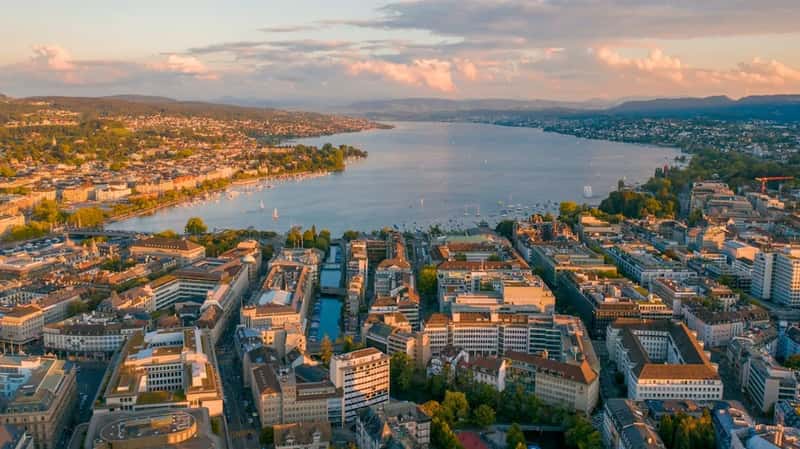
Zurich rarely misses a top spot in any serious livability conversation, and 2026 has been no exception. A January 2026 report from digital platform JB assessed 45 cities worldwide, and Zurich claimed the top spot overall, with residents saving nearly $4,000 a month and unemployment sitting under three percent. That combination of financial breathing room and job security is rare anywhere, let alone in a city of Zurich’s compact size.
Zurich’s appeal isn’t purely financial. European cities such as Zurich also rank high because their smaller populations contribute to lower crime rates and less congestion, which shows up in everyday life through short commutes, clean public transport, and a general sense of order that residents often describe as almost effortless. It’s a city where efficiency and quality of life seem to reinforce each other rather than compete.
Geneva, Switzerland
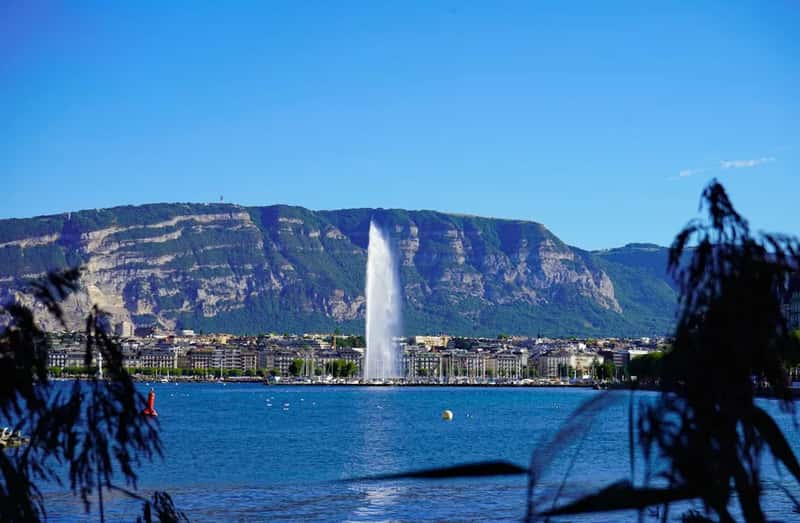
Geneva often gets overshadowed by Zurich in Swiss rankings, but the lakeside city holds its own on nearly every global list. The second largest city in Switzerland was ranked as the sixth most livable city in the world in the Economist Intelligence Unit’s 2026 Global Liveability Index. Given that Geneva’s population is a fraction of most capital cities on that list, its placement says a lot about how much a small, well-run city can offer.
Part of Geneva’s strength comes from the same structural advantages seen elsewhere in Switzerland. Its size keeps daily friction low, from traffic to housing pressure, while its international institutions and diplomatic community give it a cosmopolitan feel that belies its modest footprint. Locals often point to the ease of getting around on foot or by bike as one of the city’s quiet strengths.
Vancouver, Canada
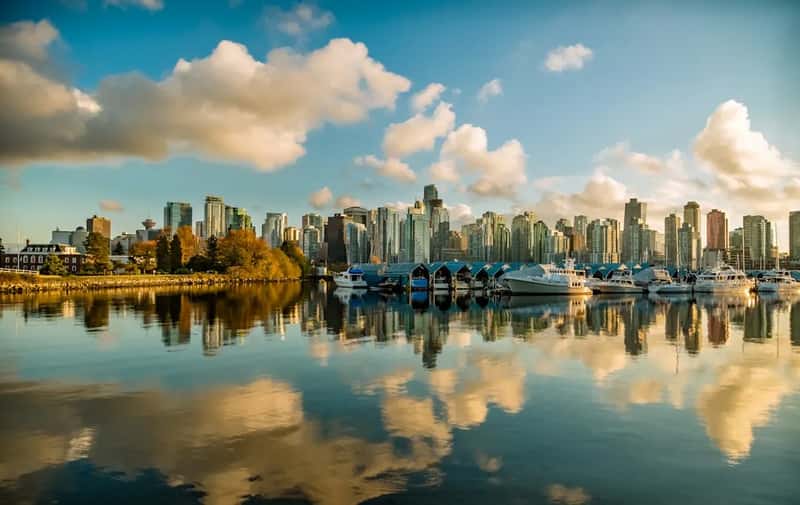
Vancouver continues to be the lone North American representative among the world’s most livable cities, and that hasn’t changed this year. Vancouver, at No. 9, was the only North American city to crack the global top 10 in the latest EIU rankings, a distinction it has held onto for several consecutive editions of the index.
What sets Vancouver apart from larger North American metros is scale. It offers big-city amenities, mountains, ocean access, and a genuinely diverse population, all while remaining far smaller and less congested than sprawling rivals like Toronto or Los Angeles. That balance between urban convenience and natural surroundings is a big part of why the city keeps landing near the top of these lists.
Adelaide, Australia
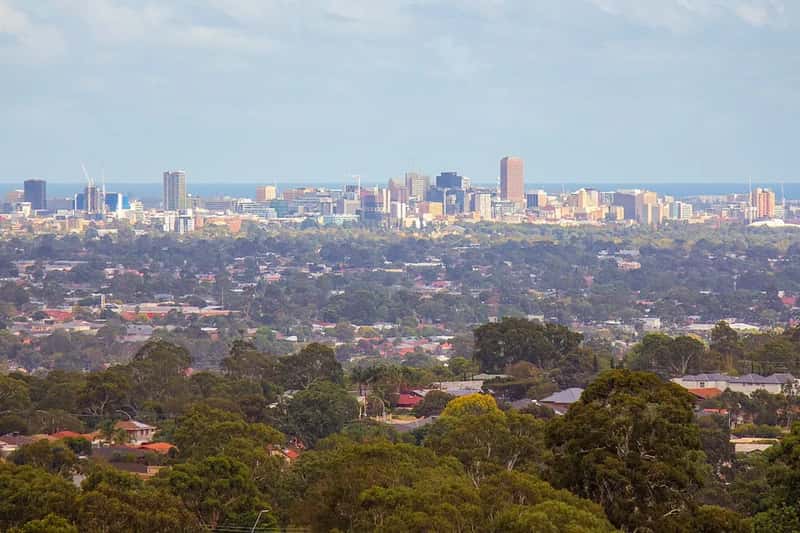
Adelaide doesn’t get the international attention that Sydney or Melbourne does, but it consistently ranks as one of the most comfortable places to live on the planet. South Australia’s Adelaide was named the eighth most livable city in the world in this year’s Global Liveability Index, holding its position among a very short list of cities worldwide.
Adelaide’s relatively small scale compared to Australia’s other major cities plays directly into its favor. Shorter commutes, more affordable housing than its bigger siblings, and a slower overall pace give residents a version of Australian city life that feels less pressured. It’s the kind of place where quality of life doesn’t require putting up with the trade-offs that come with true megacity living.
Auckland, New Zealand

Auckland has become a fixture near the top of global liveability rankings, and its position reflects more than just scenery. It was ranked among a select group of cities worldwide, following Vienna, Zurich, Melbourne, Geneva, Sydney, and Osaka, and appearing alongside Adelaide and Vancouver in a recent edition of the EIU’s Global Liveability Index. For a city its size, that’s a remarkable showing.
Auckland’s advantage lies in its geography as much as its governance. Surrounded by harbors and volcanic hills, the city manages to feel spacious even as it grows, and its distance from major global crisis points has historically kept its stability scores strong. It’s a smaller city that offers an outsized sense of calm.
Helsinki, Finland
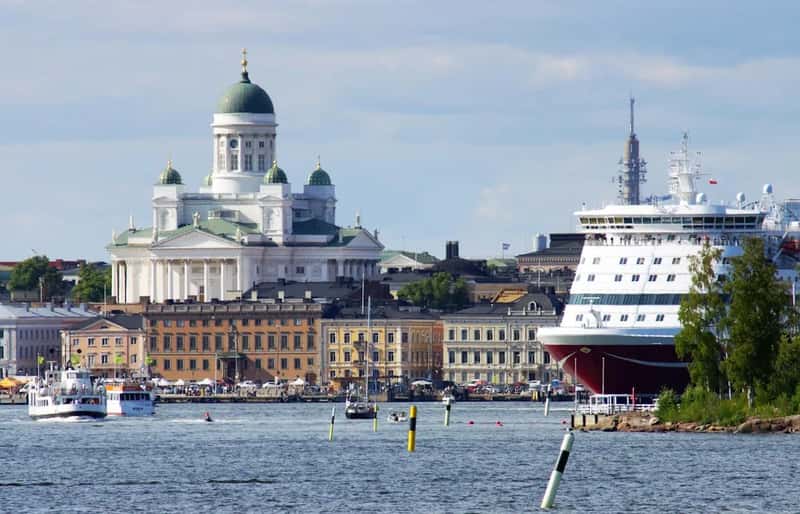
Helsinki has quietly built a reputation as one of Europe’s most dependable places to live, and this year’s rankings back that up. A January 2026 report ranked Helsinki among the top ten most liveable cities in the world, rubbing shoulders with European heavyweights like Zurich, Copenhagen and Vienna, based on an analysis covering quality of life, safety, healthcare access, air pollution, unemployment, and disposable income.
Helsinki’s small population relative to other European capitals means less strain on housing, transport, and public services. The city’s long-standing investment in design, education, and public sauna culture adds a distinctive local flavor, but the underlying reason it performs so well is straightforward: fewer people competing for the same resources tends to make everyday life smoother.
Edinburgh, Scotland

Edinburgh has carved out a spot among the world’s most livable cities without ever approaching the population of London or Manchester. In the same January 2026 global study, Edinburgh scored well on the quality of life front, coming in just ahead of cities like Boston and not far behind Munich and Seattle, cementing its place among a small group of cities recognized for genuine everyday livability rather than sheer scale.
Edinburgh’s historic core, walkable layout, and access to green space within the city limits give it an outsized charm for its size. Its festival culture and university presence keep the city lively without the density problems that plague larger urban centers, which helps explain why it keeps appearing on these lists year after year.
Tallinn, Estonia
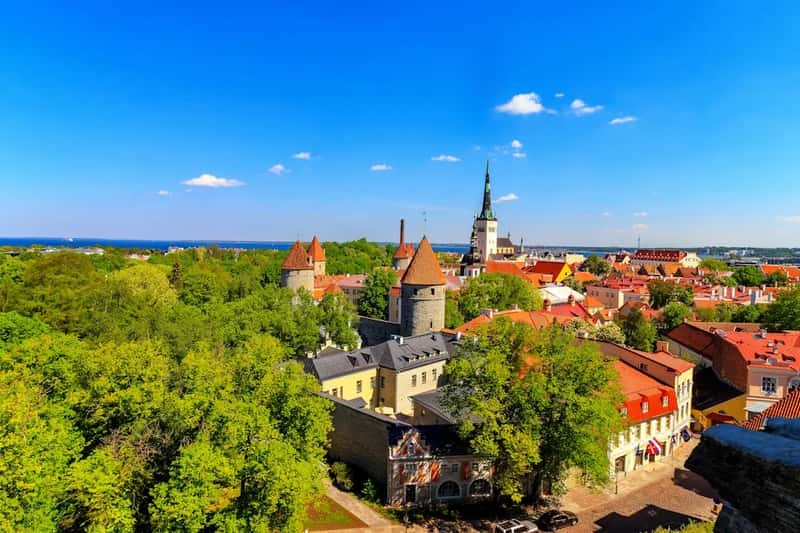
Tallinn is proof that a small Baltic capital can compete with the world’s most polished cities. Monocle’s Quality of Life Survey ranked Tallinn, Estonia tenth in the world, placing it alongside far larger and better-known European capitals in one of the most respected livability surveys published each year.
Tallinn’s medieval old town, combined with Estonia’s reputation as one of the most digitally advanced societies on earth, gives the city a unique blend of historic charm and modern efficiency. Its modest population keeps housing costs and commute times manageable, which is increasingly rare among European capitals that have grown expensive and congested in recent years.
Taken together, these eight cities make a simple point that’s easy to overlook amid all the noise about global megacities: livability rarely scales upward. The places doing it best this year, from Swiss lakesides to Baltic old towns, tend to be the ones that stayed small enough to get the fundamentals right.