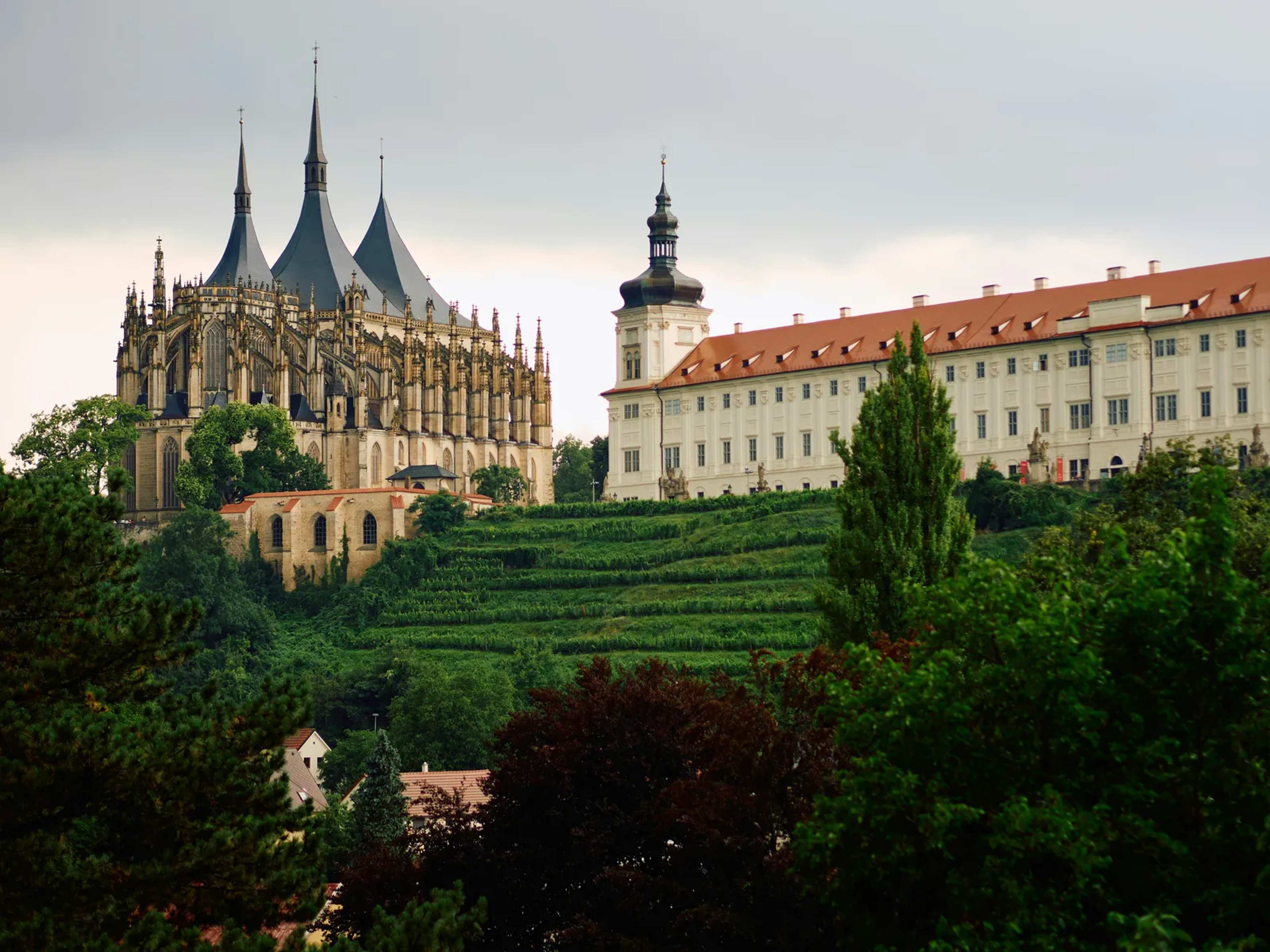
Remember when moving to a small mountain town or desert paradise felt like the ultimate pandemic dream? Working remotely from a quaint place with fresh air and lower costs seemed perfect. A lot of people did exactly that between 2020 and 2022, flooding into places previously reserved for retirees and tourists. These so-called zoom towns exploded with newcomers seeking space, scenery, and a simpler life.
Fast forward to today, and many of those same neighborhoods are looking surprisingly empty. What happened? The story of how these once-booming communities are facing a reversal is more complex than you might think. Let’s dig into what’s really going on.
The Pandemic Gold Rush That Reshaped Small Towns
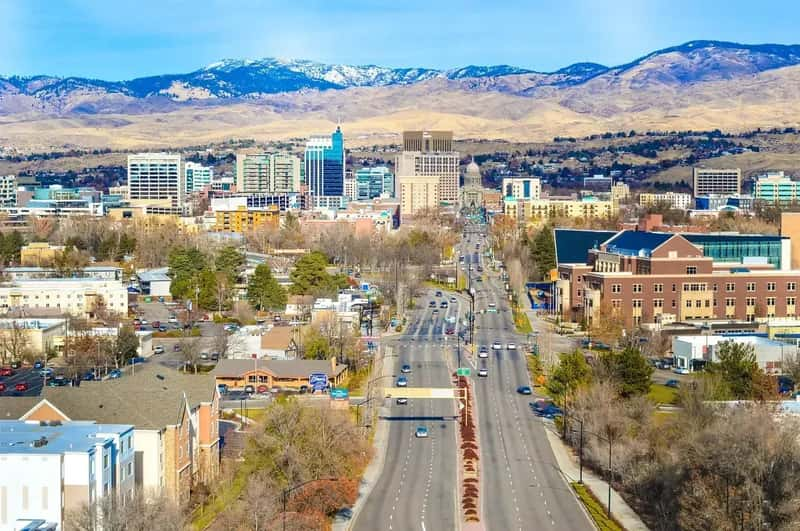
Zoom towns emerged as remote workers flocked to places for the promise of a cheaper cost of living, proximity to wildlife, or an overall higher quality of life. In 2020 alone, more than one-fifth of Americans moved or knew someone who moved. Places like Bozeman, Montana, Boise, Idaho, and small mountain communities across the West became magnets for people escaping crowded cities. Forty-one percent of workers were still fully remote or in a hybrid role in 2023, which gave them the freedom to relocate far from traditional urban centers. Housing prices in these towns skyrocketed as demand overwhelmed supply. Out-of-town buyers were able and willing to pay up to 30% more than locals, and many long-term residents were being outpriced and forced to leave their communities.
The Collapse of Remote Work Flexibility

The golden age of working from anywhere didn’t last. Thirty-one percent of employees reported that their company offers remote or hybrid working options in 2024, a negative 34% decreased from 2023. Major corporations started issuing return-to-office mandates with increasing severity. From corporate giants to smaller professional services firms, employers across the country are stepping up their in-person requirements in an attempt to move past the pandemic-related shift toward increased flexible work arrangements. Amazon made headlines by demanding workers return five days a week starting in early 2025. Companies like Salesforce and IBM followed suit with stricter policies. Forty-six percent of workers who currently work from home at least sometimes said they’d consider leaving their job rather than return to full-time in-office work if their current employer were to get rid of flexible work-from-home options. For many people who had relocated to zoom towns, this created an impossible choice.
Climate Reality Hits the Sun Belt Dream
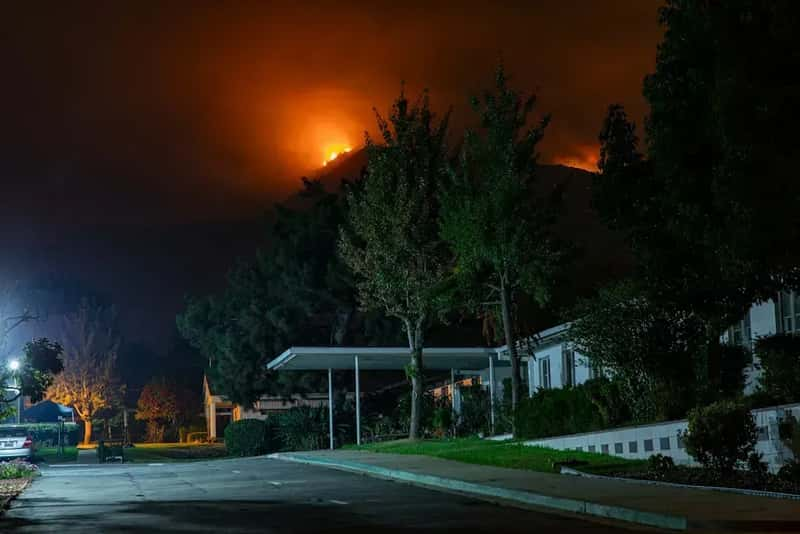
Here’s something many people didn’t account for when they moved south or west during the 2020 pandemic. Sun Belt migration is now skidding to a halt, according to a new working paper from the Federal Reserve Bank of San Francisco, as climate change makes warm places hotter and cold places more livable, more Americans are staying put in the North, while others are leaving the South. Extreme heat days increased dramatically in popular Sun Belt destinations. Coastal cities in Florida and the Gulf states are experiencing more frequent flooding, and wildfire season now stretches for months in the West, making homeownership riskier, which has a direct impact on housing values and quality of life. Insurance premiums in places like Florida and Louisiana have become prohibitively expensive for many homeowners. What seemed like paradise three years ago now comes with very real environmental and financial risks that are driving people away.
The Affordability Illusion Shatters

Places like Bozeman and Missoula have become national poster children for unaffordable housing, and in some cases becoming more expensive than even Seattle or Portland. The irony is brutal. People moved to these towns specifically because they were affordable. Roughly 80% of mortgage holders in Montana have rates that are 2% to 3% below the current mortgage rates, and soaring house prices have seen the average median cost more than double in less than a decade in most Montana cities. This created a frozen market where existing residents couldn’t afford to move even if they wanted to. In May 2025, the median price of a single-family home sold in the Bozeman city limits was $765,000, a 6.7% decline from the homes sold in May of 2024, signaling the beginning of a correction. Similar patterns emerged in Boise and other once-hot markets. The dream of affordable living evaporated almost as quickly as it appeared.
Empty Streets and Strained Infrastructure
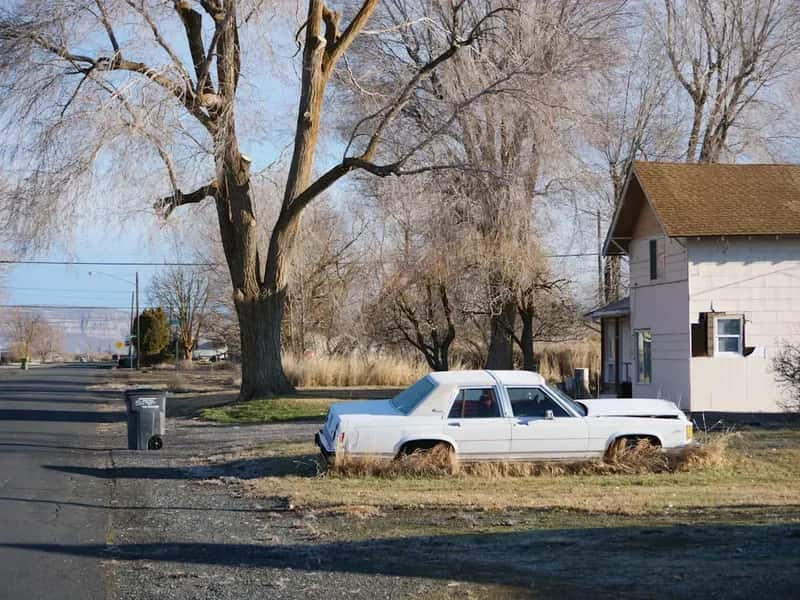
Some communities are experiencing rural forms of gentrification, where wealthy outsiders bought up real estate opportunities, driving up prices and making it difficult for locals to afford to live there, which led to problems such as overwhelmed schools and difficulties retaining local employees due to housing affordability issues. Small towns weren’t built for sudden population surges, and their infrastructure buckled under the pressure. Then came the exodus. These problems seem to persist even after remote workers leave these areas to return to downtown offices. What’s left behind in many zoom towns are neighborhoods that look oddly deserted, with homes that changed hands multiple times in just a few years now sitting empty or available for rent at prices locals still can’t afford. The vibrancy that newcomers were supposed to bring has faded, leaving communities grappling with the aftermath of a boom that went bust far too quickly. The lasting impact on these towns remains to be seen, but for now, many feel stuck between what they were and what they briefly became.