English has become the default language of international business, science, and travel, yet the places where it is spoken most fluently often surprise people. None of the countries on this list count English as a native tongue, and none rely on it out of geographic accident. Instead, each one has built the language into daily life so thoroughly that fluency has become almost a national trait rather than a school subject.
The rankings below come from the newest edition of the EF English Proficiency Index, a study built on millions of test results collected from adult learners around the globe. What stands out this year is not just who leads the pack, but how much the order has shifted compared to previous editions.
1. Netherlands
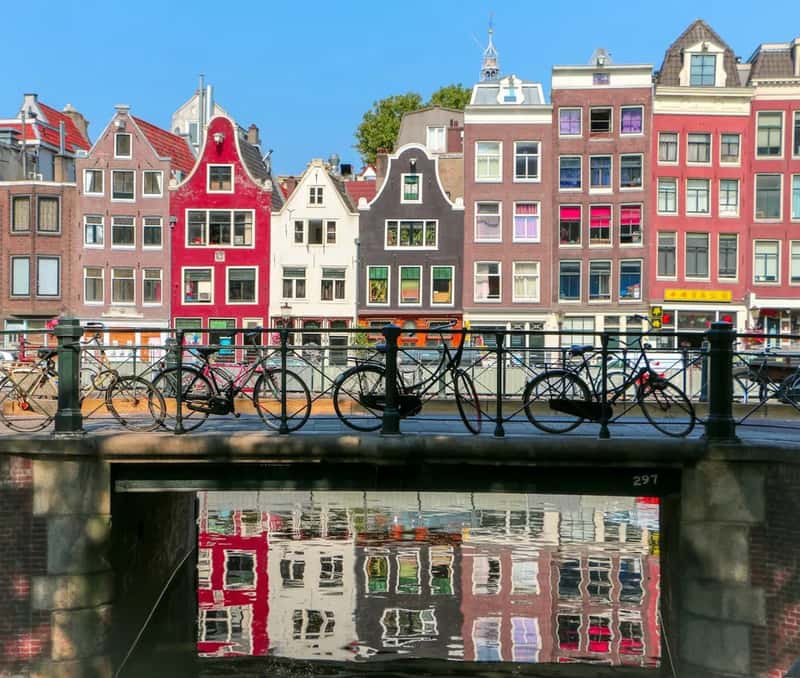
The Netherlands remains the undisputed leader in non-native English proficiency, and it is not a particularly close race. The Netherlands is the most proficient English-speaking country on Earth, topping the EF EPI 2025 with a score of 624, where English is taught from primary school and is near-universal in business, higher education and daily life. That kind of consistency across generations and institutions is rare.
What makes the Dutch case interesting is how little English feels like a foreign language there. Walk into any shop, university lecture hall, or government office in Amsterdam and you will find English spoken with almost native ease, and the country’s small size and heavy reliance on international trade have made English less of an academic subject and more of a practical daily tool. That practical framing, rather than pure classroom drilling, seems to be the real driver behind the gap between the Netherlands and everyone else.
2. Croatia
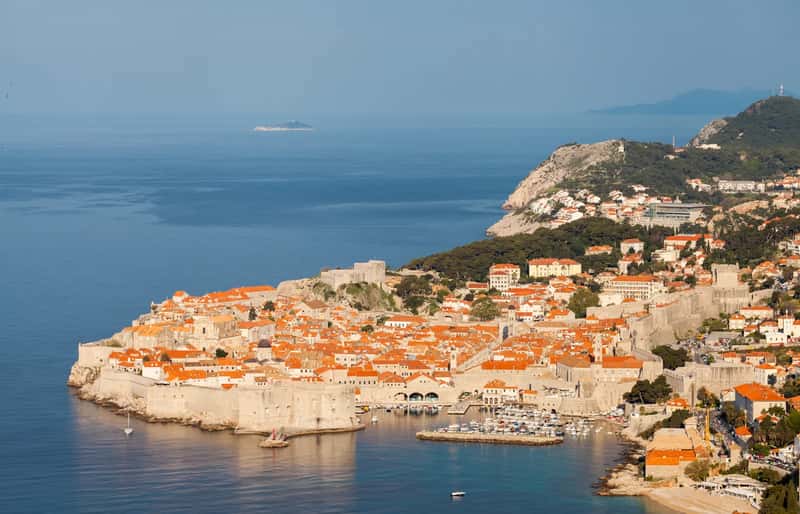
Croatia is the story of this year’s rankings, and arguably the most dramatic single-year shift EF has recorded in recent memory. Croatia achieved its best-ever result in the newly released EF English Proficiency Index 2025, rising from 11th place to 2nd and establishing itself as one of the strongest non-native English-speaking countries in the world. A leap of that size is almost unheard of for a country already tracked closely by EF for years.
That kind of jump in a single year is rare for any country tracked by EF. The rise reflects a mix of factors common across Central Europe, including heavy exposure to English-language media, tourism-driven demand for the language, and school systems that increasingly treat English as a core subject rather than an elective. Croatia’s climb suggests that proficiency gaps between established leaders and rising nations can close faster than expected once the right conditions align.
3. Austria
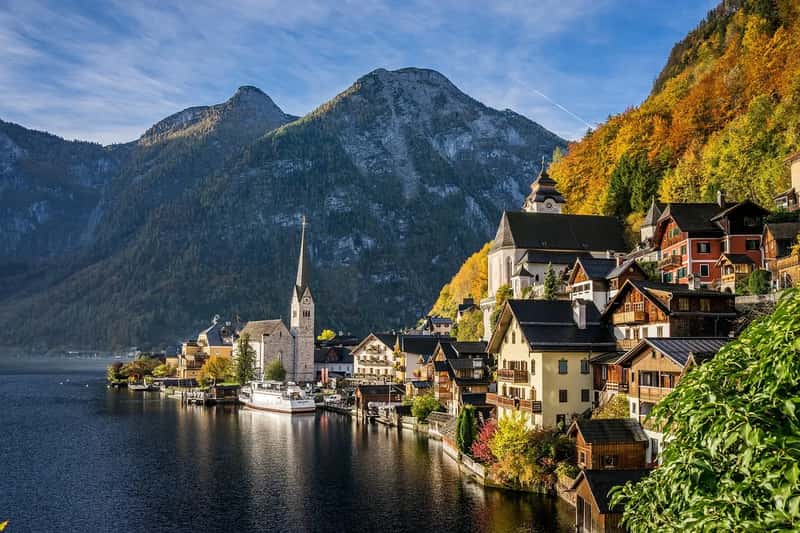
Austria has quietly become one of the most improved countries in the entire index. Austria climbed into third place in the 2025 edition with a score of 616, marking a notable jump from previous years, improving by 16 points, and that kind of gain in a single year is unusual among established high performers and suggests renewed investment in language education across Austrian schools. That is a meaningful shift for a country that was already considered strong.
Much of the momentum seems tied to higher education and regional business ties. Austrian universities increasingly offer degree programs in English, particularly in business and technical fields, drawing international students and pushing local students to sharpen their own skills, and the country’s close economic ties to Germany and the broader European Union also mean English frequently serves as the practical bridge language in professional settings. The pattern points to English functioning less as an academic requirement and more as a workplace expectation.
4. Germany
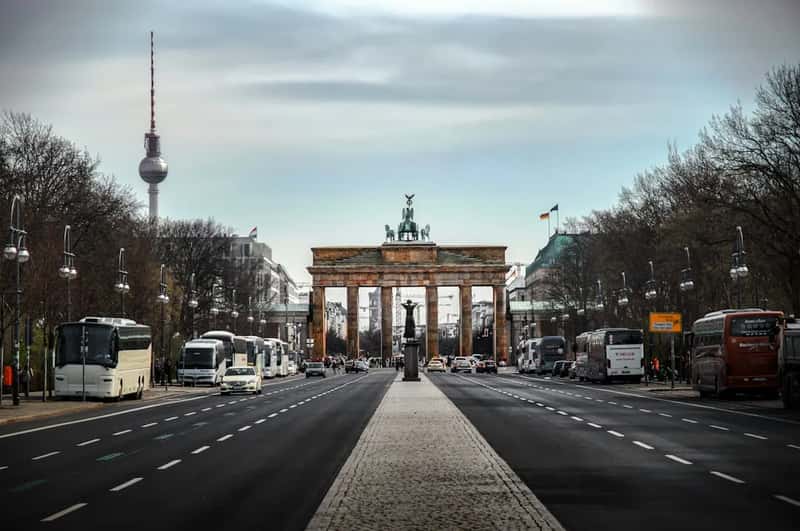
Germany’s rise this year caught the attention of researchers tracking the index closely. The Netherlands remains #1, followed by Croatia and Austria, both of which improved their rankings, while Germany climbed to #4 with one of the biggest gains in Europe. For a country of Germany’s size and economic weight, that kind of movement carries real significance for regional trends.
The specific numbers back up the shift. Germany posted one of the more impressive improvements in this year’s index, jumping to fourth place with a score of 615. Given Germany’s role as the largest economy in the European Union, its improved standing suggests English is becoming increasingly embedded in corporate and academic life well beyond the multinational hubs of Berlin or Frankfurt.
5. Norway
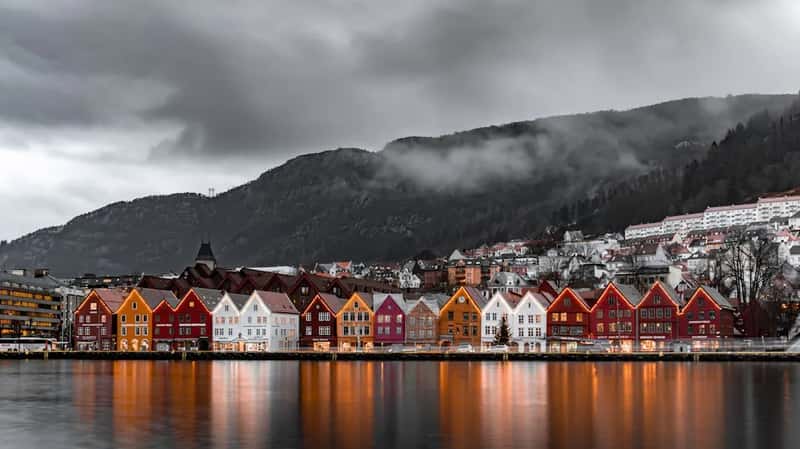
Norway continues its long streak as one of the most reliably strong performers in the index. According to the current EF EPI table, Norway holds a score of 613, keeping it firmly inside the very high proficiency band alongside its Nordic neighbors. This consistency over multiple years suggests Norway’s approach to English education is less about short-term gains and more about sustained, structural investment.
Norwegian schools introduce English early and maintain it throughout secondary education, while Scandinavian television and film culture leans heavily on subtitled rather than dubbed English content. That combination tends to produce adult populations who are comfortable not just reading English, but actually using it socially and professionally. Norway’s steady position near the top, year after year, reflects a system built for durability rather than a single standout push.
6. Portugal
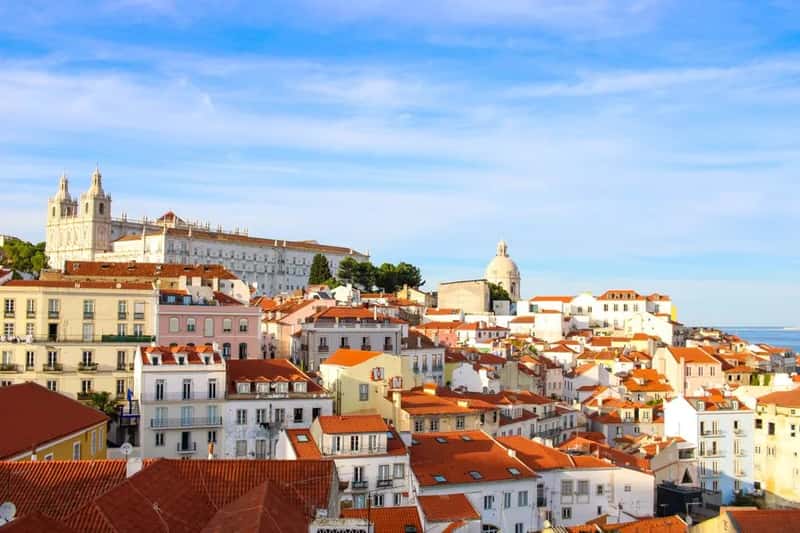
Portugal’s rise has been less dramatic than Croatia’s but arguably just as meaningful over time. Portugal has quietly become one of Europe’s strongest English-speaking nations outside the native-speaker world, ranking sixth globally with a score of 612, placing it well above the “High” proficiency threshold. That score places Portugal firmly among the continent’s most linguistically capable populations.
Regional patterns within the country also tell an interesting story. English proficiency in Portugal tends to concentrate in central urban regions, particularly around Lisbon, where international business and tourism create constant everyday demand for the language. As with several other countries on this list, geography and economic openness appear to reinforce classroom learning rather than replace it.
7. Denmark
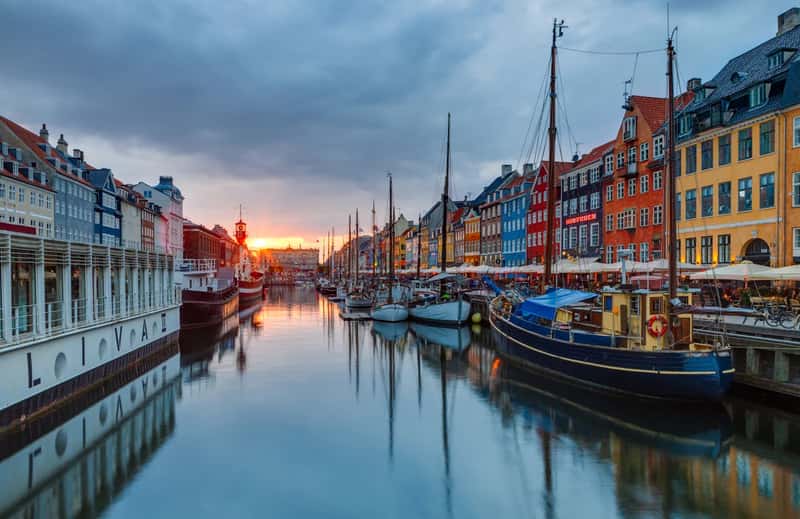
Denmark rounds out the top seven, closing out a Nordic-heavy upper tier of the rankings. Denmark has consistently ranked among the world’s best non-native English-speaking countries, and 2025 kept that streak alive, coming in seventh globally with a score of 611, edging out fellow Nordic neighbors Sweden and Norway by a slim margin. The margins at the top of this index are often thin, and Denmark’s edge over its neighbors this year was no exception.
Denmark’s strength seems rooted in habits that start early and never really stop. Danish media culture leans heavily on English-language content, and the country’s education system integrates English instruction from primary school onward. That blend of formal schooling and informal exposure through film, television, and music appears to be a common thread among nearly every country on this list, not just Denmark.
Taken together, these seven countries share a few clear patterns. Nearly all of them are small or mid-sized European nations with strong trade ties, heavily subtitled rather than dubbed media, and school systems that treat English less as a foreign language and more as a practical, everyday skill. Singapore, long a fixture near the top of these rankings, was removed from the 2025 edition entirely after being reclassified as a native English-speaking country, which opened space for countries like Croatia and Germany to climb sharply. Whether these particular rankings hold steady next year or shuffle again, the underlying lesson seems consistent: fluency tends to follow exposure, and exposure tends to follow economic and cultural openness to the outside world.