A great metro is more than a way to get from A to B. It shows you how a city thinks, how it spends its money, and how it treats the people who ride every morning. Some systems are enormous, some are historic, and a few are simply a pleasure to use.
This list mixes all three qualities. I’ve picked five networks that stand out for scale, heritage or sheer usefulness, and I’ve leaned on recent figures wherever they exist. Numbers for fast-growing systems change quickly and sources don’t always agree, so I’ve flagged where the data is soft.
1. Shanghai Metro: The Biggest Network on the Planet
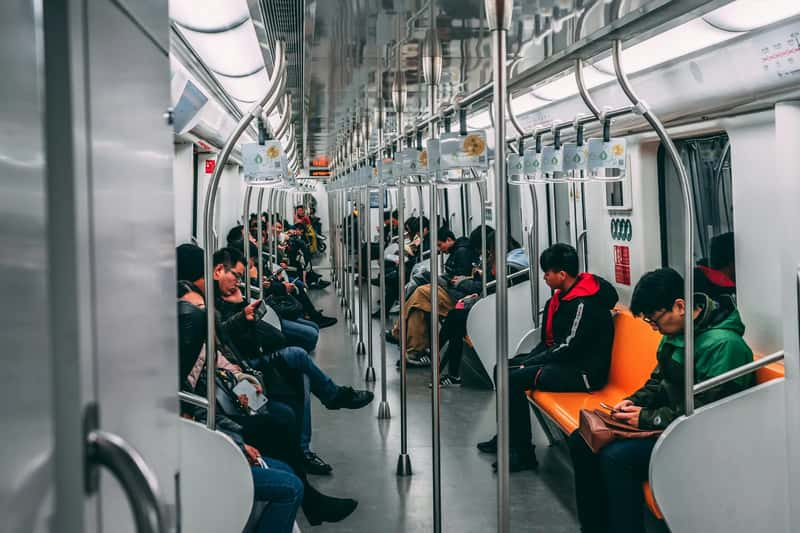
Shanghai’s metro opened in 1993 with a single line of just 4.4 kilometers, and it has grown at a startling pace since. According to the Shanghai Metro’s official data cited for December 2025, the network has 21 lines and 523 stations, with 906 kilometers of operating mileage including the maglev.[1] Older or differently measured figures put the total lower, so treat any single number as a snapshot rather than a fixed record.
Scale shows up in the passenger counts too. Shanghai ranked first in the world by annual ridership, with 3.88 billion rides in 2019.[2] One tracker lists average daily ridership of 10.03 million in 2023 and a single-day record of 13.39 million in March 2024.[3] For a visitor, that means frequent trains, English signage and lines that reach both airports, the high-speed rail terminals and the Bund. It’s a lesson in what a state-backed building program can deliver in a few decades.
2. Tokyo Subway: Precision on a Staggering Scale
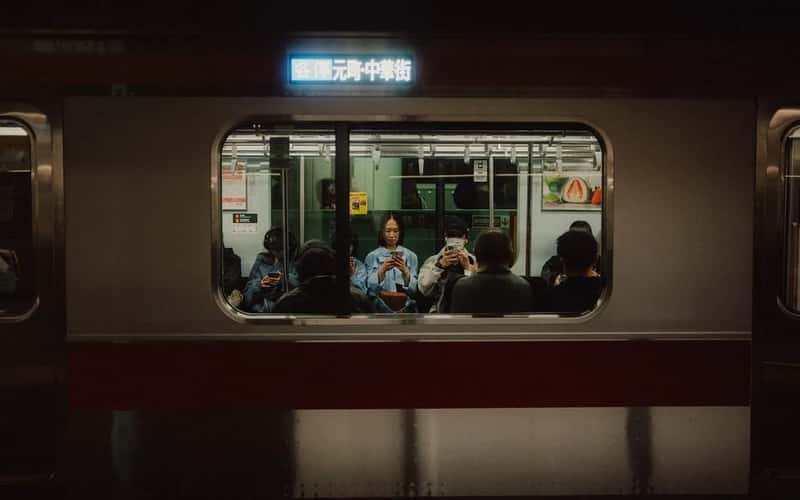
Tokyo’s subway is the system that other cities quietly try to copy. It opened in 1927 as the Tokyo Underground Railway, the first subway in Asia.[4] Today it has 13 lines and 285 stations, with a combined length of about 304 kilometers.[5] That’s modest next to Shanghai, but the way it’s used is remarkable.
Two operators run it, Tokyo Metro and Toei. Their most recent daily ridership figures are 7.04 million for Tokyo Metro and 2.60 million for Toei, both for FY 2025.[5] Here’s the catch for travelers. Prepaid rail passes let you move freely between the two networks, but a regular ticket holder has to buy a second ticket or a special transfer ticket.[6] A tap-in card makes this painless, and the trains remain famously punctual and clean.
3. Seoul Metropolitan Subway: Smart, Sprawling and Always Moving
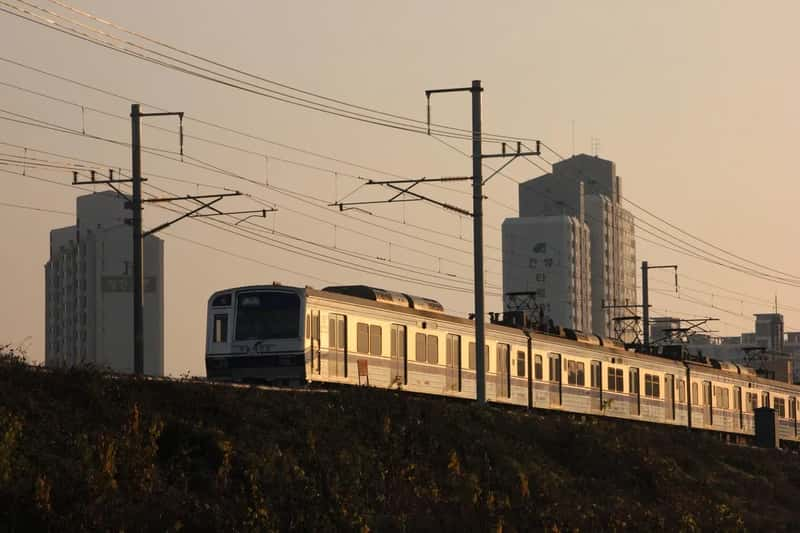
Seoul’s network started late but caught up fast. Line 1 began operating in 1974, with through-service onto Korail’s suburban railways.[7] The wider system now counts 24 lines and 656 stations, and about 1,302 kilometers of track across all lines.[7] That total includes commuter rail, so it isn’t directly comparable with a pure urban metro figure.
The star is Line 2, the green loop. It carried about 1.96 million passengers a day in 2024, or roughly 719 million over the year.[8] Its main loop is the third longest subway loop in the world, after Moscow’s Big Circle Line and Beijing’s Line 10.[8] Ride it once and you’ll pass through most of Seoul’s famous districts without changing trains.
4. Moscow Metro: A Palace Under the Street
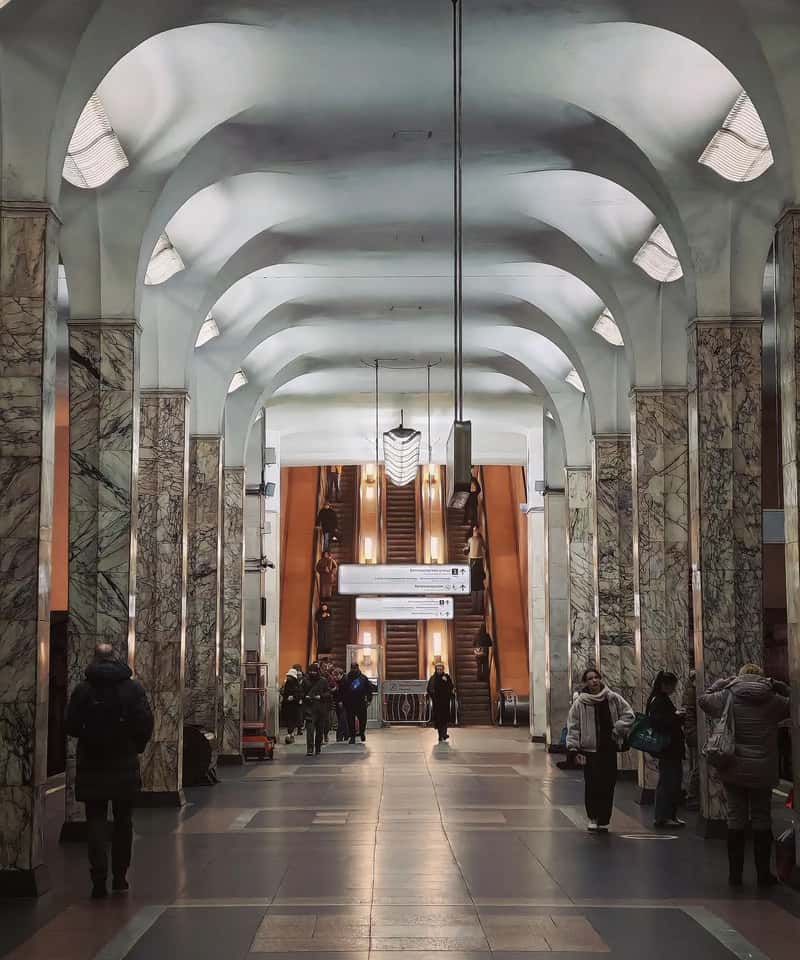
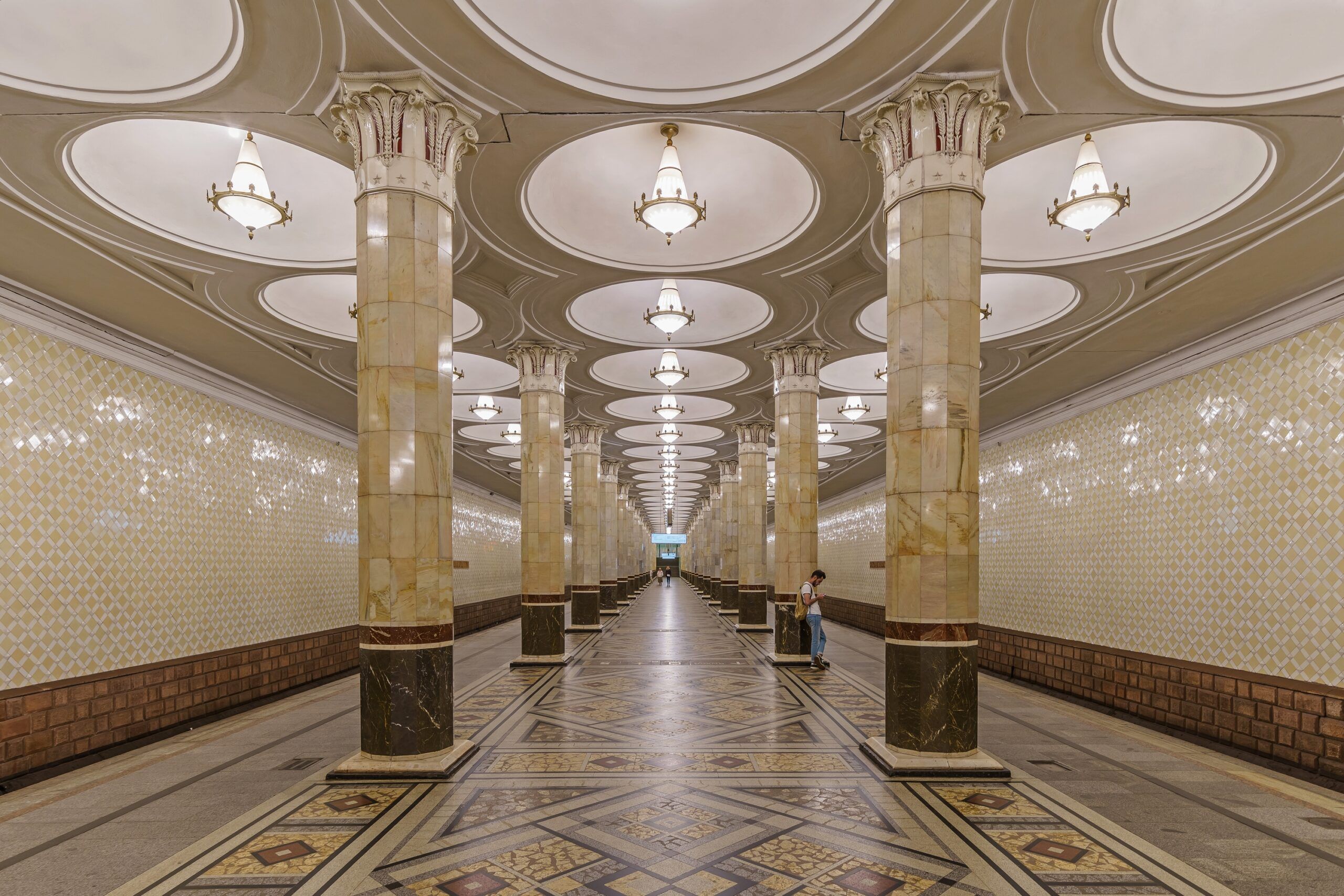
Moscow’s metro opened in 1935, and it was designed to impress as much as to move people. Many early stations feature marble, chandeliers and mosaics, which is why riders treat a trip as a sightseeing tour. It’s still among the few systems where the architecture is as big a draw as the transport.
The network keeps growing, too. The Big Circle Line is 70 kilometers long with 31 stations and three electric depots, making it one of the biggest metro construction projects completed worldwide in recent decades.[9] The newest addition, the Troitskaya line, opened in September 2024.[10] One travel guide puts the system at more than 250 stations and around 415 kilometers, with more than 7 million passengers a day on the metro alone.[10] That’s a secondary source, so treat the exact numbers as approximate.
5. London Underground: The Original and Still Essential
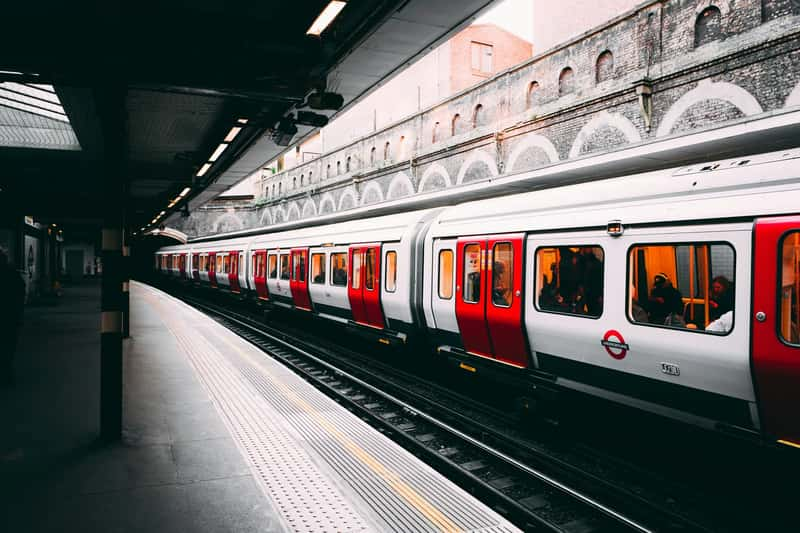
London gets a place on any list like this for history alone. The Underground opened in 1863 as the world’s first underground passenger railway, and the city’s tunnels, platforms and station designs carry that long story. Harry Beck’s diagrammatic Tube map, first published in the early 1930s, went on to shape how almost every other metro draws its lines.
The Tube today runs 11 lines serving roughly 270 stations, and it isn’t perfect. Its tunnels are narrow, some stations are cramped, and weekend engineering works can disrupt a journey. Still, the density of connections is hard to beat, and riding the older lines is a real encounter with urban history. For a first-time visitor, a contactless card makes the whole thing easy.
Conclusion: What Makes a Metro Worth Riding
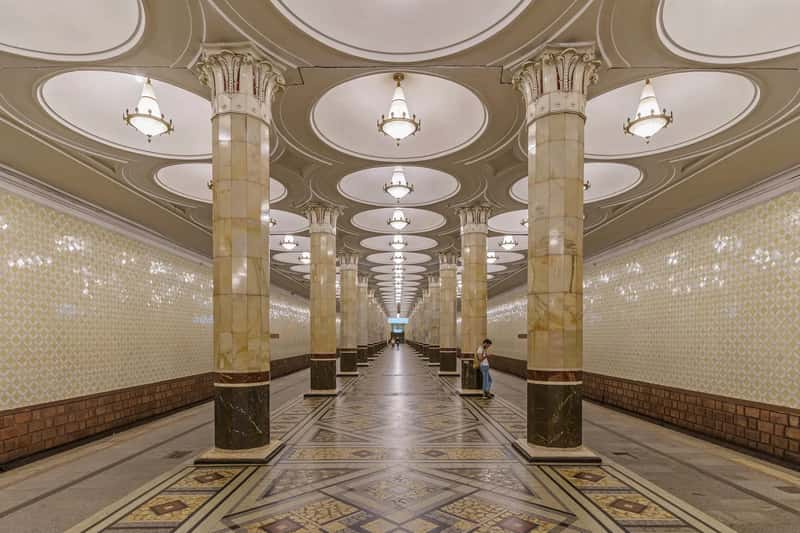
These five systems win for different reasons. Shanghai offers raw scale, Tokyo offers precision, Seoul offers a smart and sprawling grid, Moscow offers architecture, and London offers heritage. Pick any of them and you’ll learn something about the city above ground before you even surface.
A few cautions apply when comparing them. Network length and ridership depend on whether you count commuter lines, maglevs or light metro, and published numbers vary by source and date. Treat the figures here as a guide, and check the operator’s own site before you plan a trip. The best metro, in the end, is the one that gets you somewhere interesting without making you think about it.