Mexico welcomes millions of travelers every year, drawn by its beaches, ancient ruins, colorful markets, and food that genuinely lives up to the hype. Yet first-time visitors often arrive with outdated assumptions, whether about safety, money, or simple logistics that have quietly changed in the past couple of years.
This guide walks through the practical realities you need before you land, from paperwork at the airport to how much cash to keep in your pocket. None of this is meant to scare you away. Mexico remains one of the most rewarding destinations in the world, but knowing what to expect makes the difference between a relaxed trip and a series of avoidable headaches.
Getting Your Entry Paperwork Right
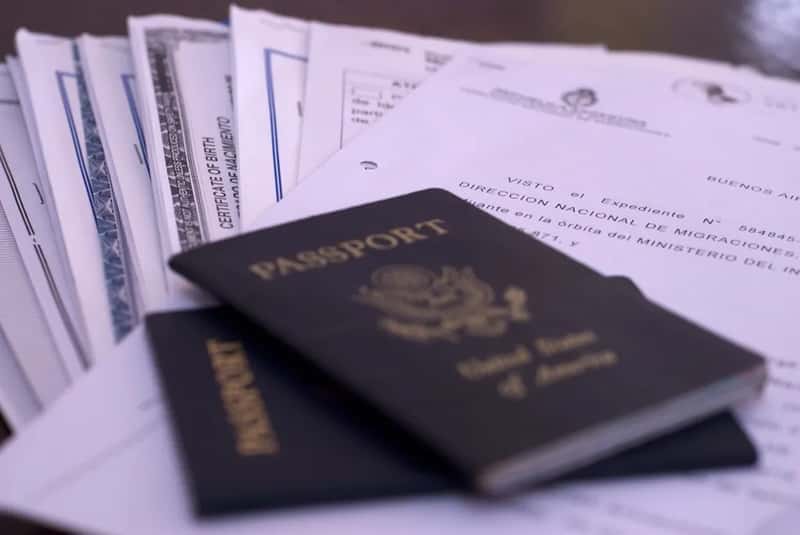
Most visitors from the United States, Canada, the United Kingdom, and much of the European Union do not need a visa to enter Mexico for tourism, but they do need something called the FMM, or Forma Migratoria Múltiple. The FMM officially serves as a record of your entry into Mexico, and it is not a visa, although you will often see it referred to as such on social media. It is required for all non-Mexican citizens visiting for up to 180 days. If you’re flying in, the process is largely automated now. If you flew into Cancún, Mexico City, Puerto Vallarta, or Los Cabos a few years ago, you remember the frantic scramble for a pen on the airplane to fill out the FMM, but in 2026 flight attendants no longer hand these forms out.
The fee itself is modest but worth knowing about in advance. The FMM fee is set annually in January by Mexico’s immigration authority, and the 2026 fee is 983 pesos, approximately 54 US dollars. If you fly in, this is typically bundled into your airline ticket, so you won’t pay anything separately at the airport. Land border crossings work a bit differently and still require a printed form and a stamp from an immigration office, so don’t assume the digital process at airports applies everywhere. One detail that catches people off guard: overstaying your FMM triggers a digital log of the infraction, and Mexico’s immigration authority increasingly issues administrative bans ranging from one to five years, forbidding re-entry. Keep your stamped document until you leave the country, and if plans change, address it at a local immigration office before your authorized stay expires.
Understanding Mexico’s Safety Picture
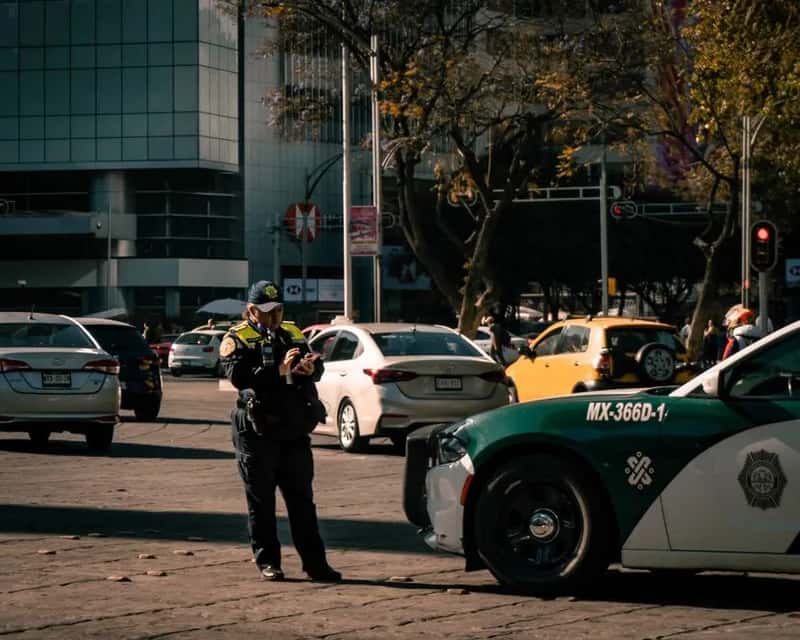
Safety in Mexico isn’t a single story, it’s thirty-two different stories depending on which state you’re in. The U.S. State Department currently rates Mexico at Level 2, advising travelers to exercise increased caution due to terrorism, crime, and kidnapping. That said, six states remain at Level 4, meaning do not travel: Colima, Guerrero, Michoacán, Sinaloa, Tamaulipas, and Zacatecas, and these should be avoided for leisure travel. Meanwhile, popular tourist zones tell a different story. Cancun, Los Cabos, Mérida, Oaxaca City, Puerto Vallarta, and central Mexico City are still active tourist destinations.
What makes Mexico somewhat unusual is the granularity of the guidance. Mexico is the only country where the U.S. State Department publishes a separate advisory level for each of its 32 federal entities, and that granularity is the most useful piece of information a traveler can have, the one most often lost when search engines flatten everything to a single Level 2 line. Practical precautions matter too. The State Department advises travelers to avoid traveling between cities after dark, use dispatched taxis or app-based ride services, and avoid traveling alone in remote areas. Before you book anything, check the specific advisory for your destination rather than treating Mexico as one uniform risk zone, and consider signing up for the State Department’s STEP program so you can receive real-time alerts during your stay.
Money Matters: Currency, Cash, and Cards
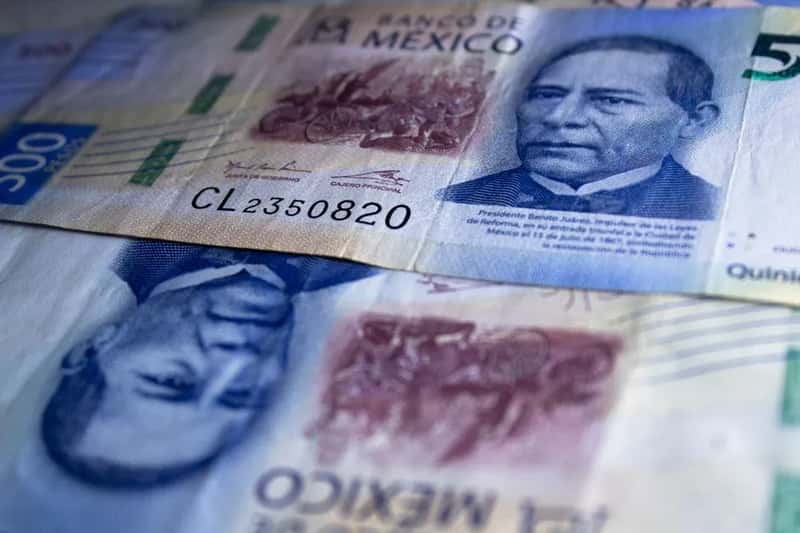
The Mexican peso has strengthened noticeably compared to a few years back, which changes the budgeting math for many travelers. Mid-2026 trading has the exchange rate hovering close to seventeen and a half pesos to the dollar, with the peso trading little changed at 17.5 per USD in July. The old assumption that Mexico is automatically cheap needs an update, since the peso has strengthened meaningfully compared to a few years ago, making Mexico less of a bargain than travelers might remember from pre-pandemic trips. On the plus side, inflation has been easing somewhat, with Mexico’s annual inflation rate easing to 3.37 percent in June 2026 from 3.94 percent in May, the lowest reading since December 2020.
Cards and cash both have their place, but pay attention to how you use them. The rule is to always pay in pesos rather than accepting a merchant’s offer to charge you in dollars, since declining that dynamic currency conversion protects you from inflated exchange rates. ATMs inside banks tend to offer better rates than standalone machines or airport kiosks. Every airport has currency exchange kiosks advertising no commission, but the catch is they typically use a rate 8 to 15 percent worse than the interbank rate. Withdrawing cash from a bank-affiliated ATM once you’re in the city center is usually the smarter move, and keeping a mix of small peso bills on hand will save you trouble for taxis, tips, and market stalls that don’t take cards.
Tipping Etiquette Locals Actually Appreciate

Tipping culture in Mexico runs deeper than a polite gesture, it’s often a core part of how service workers earn a living. In many sectors, tips are not just a bonus but a primary source of income. Even with significant minimum wage increases, rising to approximately 315 pesos per day for most of the country, many service roles still rely on the generosity of travelers to supplement their base pay. Restaurants generally expect a tip regardless of what’s printed on the bill, and because beach destinations tend to see more foreign tourists, it’s customary to tip between 15 and 20 percent there.
Currency choice matters more than most visitors realize. It’s best to tip in pesos in Mexico, since tipping in U.S. dollars creates an added hurdle for the recipient, who then needs to find somewhere to exchange dollars for pesos and pay a fee to do so. For quick reference, 10 pesos is the standard tip for taxi drivers who help with luggage, while housekeepers typically receive 25 to 50 pesos per day and bellhops a similar amount. Bartenders usually get a small amount per round rather than a percentage. If you only have dollar bills left and no way to reach an ATM, that’s acceptable in a pinch, but try to keep a reasonable stock of small peso notes for these everyday moments.
Water, Food, and Staying Healthy

Stomach troubles are the most common health complaint among visitors to Mexico, and they’re almost entirely preventable with a few habits. Tap water in Mexico is generally not safe to drink for tourists, even in hotels and restaurants, so it’s best to drink only sealed bottled water, avoid ice unless it’s made from purified water, and use bottled water to brush your teeth. Even in major cities, the caution holds. Even in big cities like Mexico City, Guadalajara, or Monterrey, it’s a good idea to stick to bottled or filtered water, since the tap water might meet official safety standards but can still upset your stomach.
Vaccines aren’t mandatory for entry, but a few are worth discussing with a doctor before you go. While there are no mandatory vaccines for entry, health organizations like the CDC recommend several to protect against common illnesses, including Hepatitis A for most travelers. Mosquito-borne illness is a regional concern rather than a nationwide one, so it’s worth checking conditions for your specific itinerary. Beyond the checklist, simple habits go furthest: prioritize food safety by consuming fully cooked foods, avoiding raw seafood from questionable sources, opting for bottled drinks, exercising caution with ice, and maintaining good hand hygiene to prevent travelers’ diarrhea.
Getting Around Once You Arrive
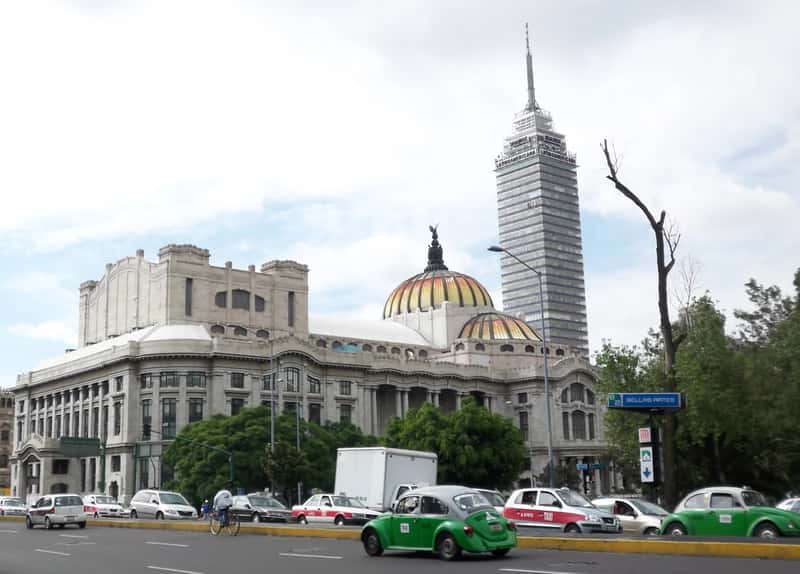
Transportation choices in Mexico carry more safety weight than in many other destinations. Rather than hailing a cab off the street, official guidance leans firmly toward pre-arranged options. The State Department advises travelers to use dispatched taxis or app-based ride services and avoid traveling alone in remote areas. This applies whether you’re heading from the airport to your hotel or moving between neighborhoods at night, and it’s a habit worth adopting even in destinations that feel entirely relaxed during the day.
Intercity travel deserves its own consideration, particularly if your itinerary includes overnight buses or long highway stretches. Government employees traveling in Mexico may not travel between cities after dark, may not hail taxis on the street, and must rely on dispatched vehicles, including app-based services and regulated taxi stands. Following that same standard as a tourist isn’t overly cautious, it’s simply sensible. Within well-established resort areas and city centers, walking and app-based rides tend to be straightforward, but always confirm your route and driver details before getting in a vehicle, especially after dark.
Language and Everyday Communication

Spanish is the official language, and while many people in heavily touristed areas speak at least functional English, that’s far from guaranteed once you step outside resort zones or major hotel districts. Learning a handful of basic phrases, greetings, numbers, and polite requests, goes a remarkably long way in restaurants, markets, and taxis. It also signals respect, which tends to be returned with warmer service and more patience when communication gets tricky.
Embassies and consulates have leaned into this reality by offering practical language tools for visitors during high-traffic periods. Key phrases in Spanish and English can help during your stay in Mexico, and it’s worth saving these to your smartphone so you can easily access them in an emergency. Translation apps work well as a backup, but don’t rely on them entirely in areas with spotty cell coverage. A local SIM card or eSIM, inexpensive and widely available, solves both the connectivity and the communication problem at once.
Weather, Regional Differences, and What to Pack
Mexico’s size means its climate varies enormously depending on where you land, and packing for Cancun is a very different exercise than packing for Mexico City or the mountains near Oaxaca. Coastal regions run hot and humid for much of the year, while highland cities like Mexico City and San Cristóbal de las Casas can turn surprisingly cool in the evenings, even during summer. Layering is your friend, and checking the specific regional forecast for your destination beats assuming the whole country behaves like a beach resort.
Sun exposure and heat are more of a daily risk than most visitors expect, particularly along the Yucatán coast and in desert regions of the north. Avoiding direct sun during peak hours from 10 a.m. to 4 p.m., wearing lightweight clothing, a wide-brimmed hat, and sunglasses, and applying sunscreen with SPF 30 or higher every two hours all help prevent heat exhaustion and dehydration. Comfortable, closed-toe shoes are worth packing too if you plan on exploring ruins, jungle trails, or cobblestone colonial streets, where sandals quickly become impractical.
Respecting Local Culture and Customs
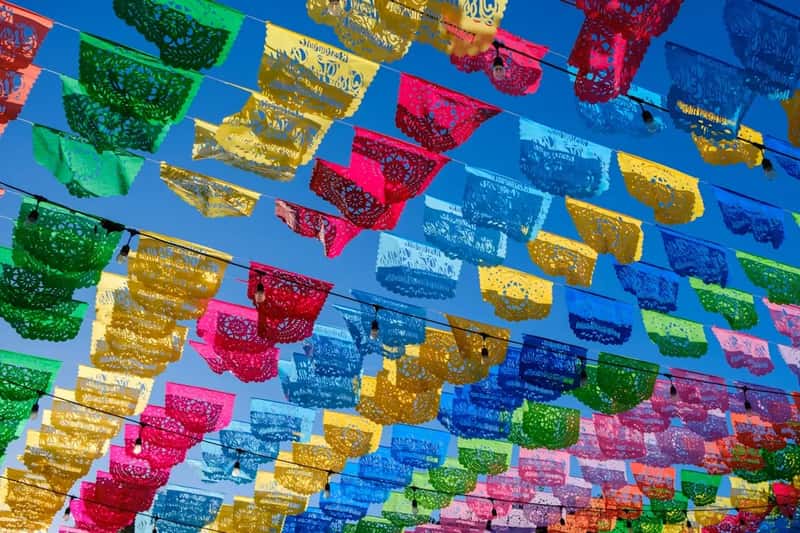
Mexican hospitality tends to be warm, expressive, and relationship-oriented, and a little cultural awareness smooths over most first-time misunderstandings. Greetings matter more than in many Western countries, a friendly hello and some small talk before getting straight to business, whether at a shop counter or a hotel front desk, is generally appreciated. Punctuality is treated somewhat more loosely in social settings than in business ones, so don’t be alarmed if a casual meetup starts later than planned.
Bargaining is common and expected in open-air markets, but it’s rarely appropriate in restaurants, pharmacies, or established retail stores. Dress modestly when visiting churches or smaller towns outside major tourist hubs, since overly casual beachwear can come across as disrespectful away from the coast. Showing genuine curiosity about regional food, history, and traditions, rather than treating the country as a single homogenous experience, tends to open doors and conversations that a purely transactional traveler mindset never will.
Final Thoughts Before You Go
Mexico rewards travelers who do a bit of homework before arrival, whether that means sorting out your FMM in advance, checking the specific safety advisory for your destination, or simply packing enough sunscreen and peso cash to get through the first day comfortably. None of these considerations are complicated on their own, but together they separate a trip full of minor frustrations from one that runs smoothly from the moment you land.
What ultimately makes Mexico special isn’t the paperwork or the exchange rate, it’s the culture, the landscapes, and the people you’ll meet along the way. Handle the practical details early, then let yourself actually enjoy the parts of the country that brought you there in the first place.