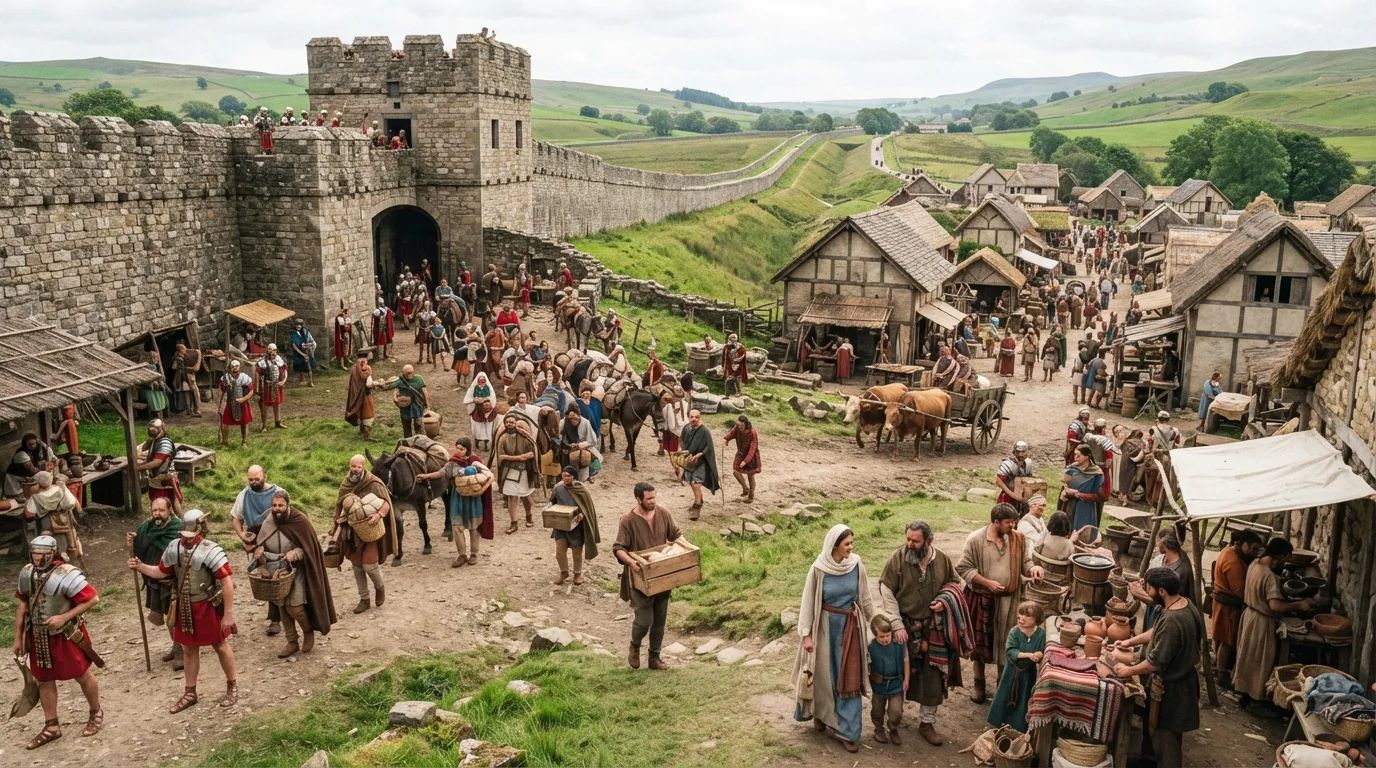
Picture the edge of the Roman Empire and you probably see a lonely wall, a few shivering legionaries and hordes of barbarians waiting in the mist. The real frontier was far noisier. Letters, shoes, tombstones and bathhouse ruins show a crowded, multilingual and surprisingly bureaucratic world.
People there wrote birthday invitations, complained about the beer supply and fussed over socks. And the people behind those letters were not who you’d expect. Here’s what the archaeology actually says.
#10 – It Wasn’t Just a Wall
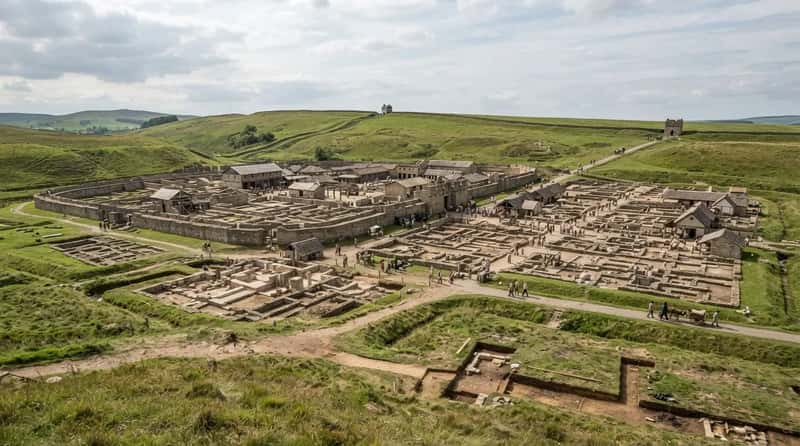
The “frontier” was a whole working landscape, not a single line of stone.
Hadrian’s Wall gets the fame. Work began around AD 122, and it ran roughly 73 miles (117 km) across northern Britain.
But the wall was only one piece of a bigger machine. Forts, roads, ditches, watchtowers and supply depots all worked together. Small gateway forts called milecastles sat at regular intervals along the line, with turrets in between.
Some of the best-known forts, like Vindolanda, sat on an older road just behind the wall. Civilian settlements grew up right outside the fort gates.
Fast Facts
- Construction started around AD 122, under Emperor Hadrian.
- The wall ran about 73 miles (117 km), roughly 80 Roman miles.
- Milecastles stood about one Roman mile apart, with two turrets between each pair.
- Today the wall is part of a UNESCO World Heritage listing.
The frontier was less a fence and more a long, busy corridor of garrisons, roads and markets.
That changes the question. This wasn’t “the end of the world”. It was a place people planned, supplied and lived in for generations.
But the people inside those forts weren’t who you’d expect…
#9 – Most Soldiers Weren’t Roman
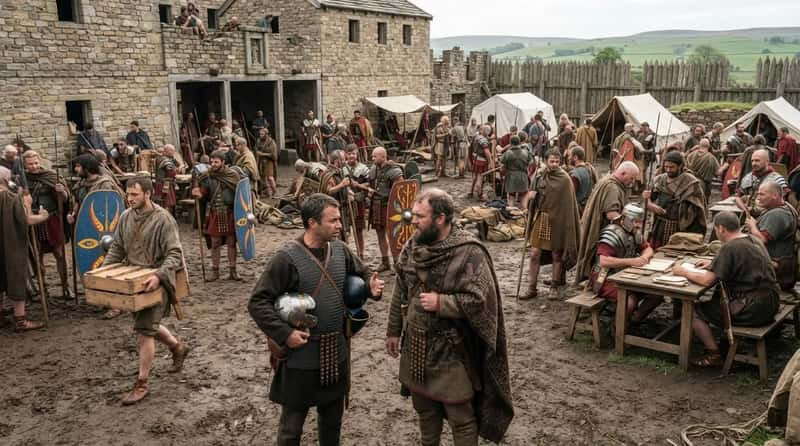
Many of the troops guarding the frontier came from far away and weren’t born citizens.
Much of the frontier garrison was made up of auxiliaries. These soldiers were recruited from provinces across the empire, not from Italy.
Units named after peoples such as the Batavians and the Tungrians, from the area of today’s Netherlands and Belgium, are recorded at Vindolanda. A soldier might serve a very long way from home.
These garrisons were a real mix. Different languages, customs and gods all shared one fort.
Latin was the common language of command and paperwork, but for many of the men using it, it was a second language.
And the best proof of who these men were comes from something unexpected: their mail.
#8 – Their Letters Survived
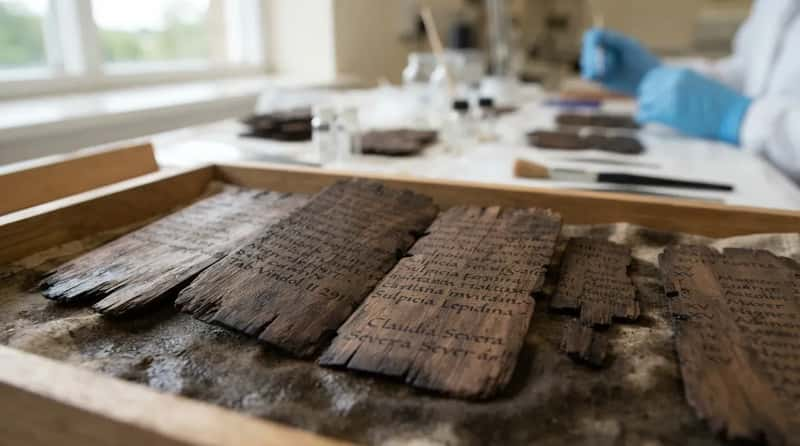
Some of the most personal writing from the Roman world was found in a muddy fort in northern England.
At Vindolanda, archaeologists found thin wooden writing tablets covered in ink. They record everyday business, not great speeches.
There are duty rosters, supply lists and private notes. Together, the tablets turned a faceless garrison into named people.
The best-known example is a birthday party invitation sent by a woman named Claudia Severa to another officer’s wife, Sulpicia Lepidina. It dates to around AD 100.
The greeting at the end is often highlighted as being in a different hand. Many scholars believe Severa wrote it herself.
At a Glance
- The first tablets turned up at Vindolanda in the 1970s.
- They are ink on thin slivers of wood, not carved stone or scratched wax.
- The invitation names 11 September as the party date.
- Topics range from duty rosters to personal greetings.
Officers’ wives lived at the frontier and threw parties, which cuts against the “men only” picture.
Of course, there were also much less glamorous notes in that archive…
#7 – Mum Sent Socks
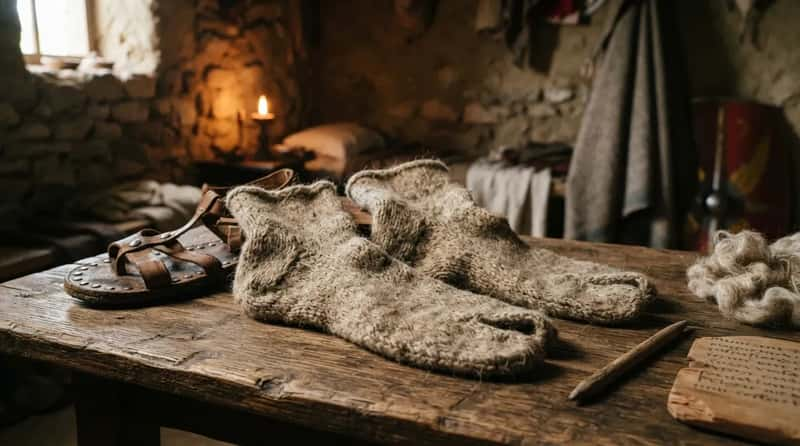
One of the frontier’s most revealing documents is basically a packing list.
A letter found at Vindolanda accompanies a parcel sent to a soldier. It mentions socks, sandals and underpants.
It’s mundane, and that’s exactly why it hits home. Somewhere far from a damp, chilly posting, someone was thinking about a soldier’s feet.
Northern Britain was wet and cold, so warm clothing was no luxury. Other tablets mention cloaks and clothing items too, a sign that supply lines carried far more than weapons and grain.
- Soldiers relied on parcels and networks of family and friends.
- The army supplied a lot, but not everything.
And if socks were a concern, you can guess what else soldiers worried about…
#6 – The Beer Problem
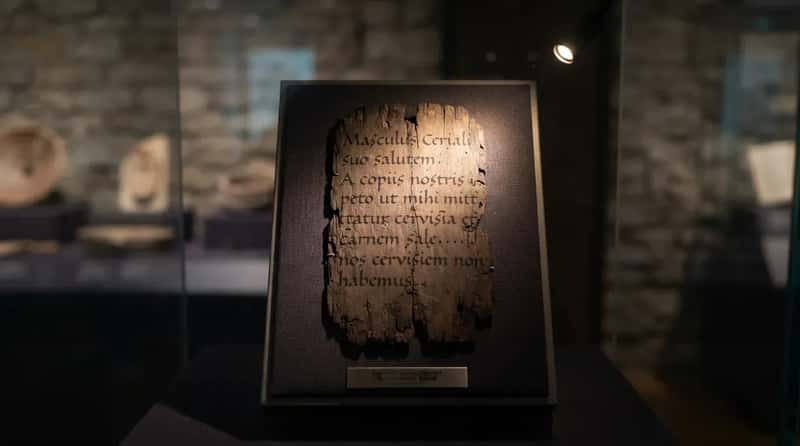
Even on the edge of an empire, supplies could run short, and soldiers noticed.
One Vindolanda tablet is a short complaint from soldiers who say they have no beer. They ask for some to be sent.
Don’t picture only wine. Beer was part of life in the northern provinces.
Grain, especially bread and porridge, formed the base of the diet. Meat, imported goods and local produce added variety.
Keeping a fort fed was a logistical operation. Food, drink and equipment had to be gathered, stored and delivered.
Turns out the empire’s northern garrison had very recognizable gripes about missing refreshments.
The army also worked with local farmers and traders. Soldiers were not self-sufficient.
But not everyone in the fort was thinking about beer. Some were busy sizing up the locals…
#5 – The Insults Were Real
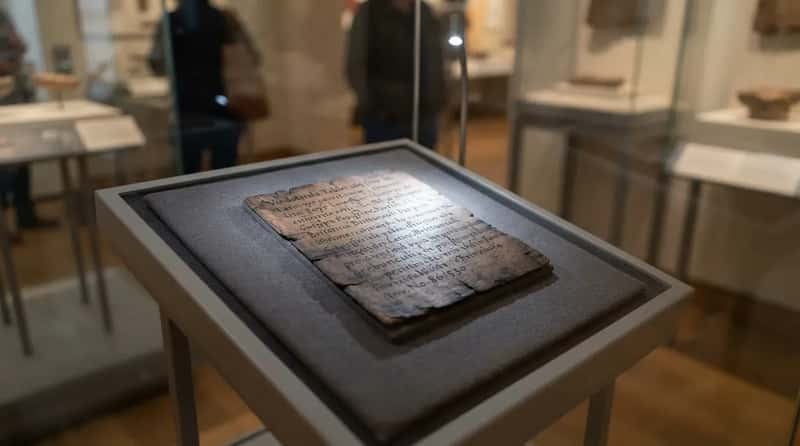
Roman officers wrote bluntly about the people living beyond the line.
A Vindolanda report from around AD 100 gives a military assessment of local fighters. It uses a dismissive nickname often translated as “wretched little Britons”.
It’s an uncomfortable reminder of how Roman soldiers viewed outsiders. The writer sounds practical and unimpressed.
The same report comments on how those fighters operate. It reads like an officer’s field notes, not a poem.
That matters because the Roman frontier wasn’t only friendly trade and birthday cards. There was a real military relationship underneath.
Roman soldiers left behind casual, even insulting, commentary on the people they policed.
Still, the picture isn’t just hostility. Contact across the line was constant, and it wasn’t always violent.
And that brings us to the biggest argument about the wall itself…
#4 – The Wall Was a Checkpoint
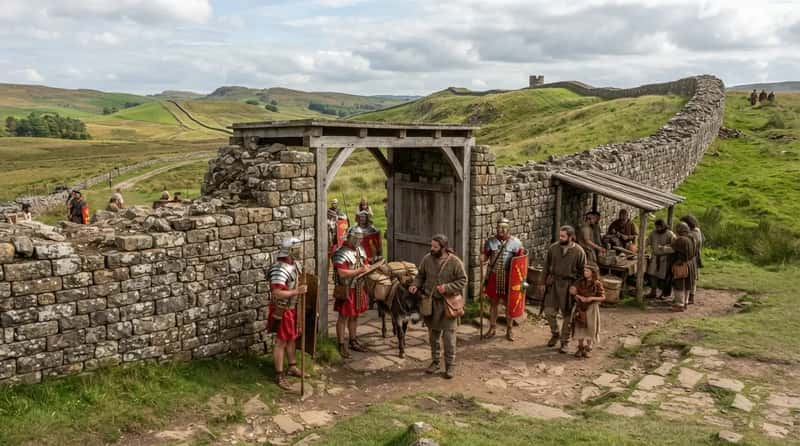
Many historians now argue the wall worked less like a barrier and more like a controlled door.
Most visitors imagine an impenetrable defensive line, but the evidence points elsewhere. The milecastles had gateways, so people and goods could pass through.
That suggests monitoring. Soldiers could watch movement, check who crossed and potentially collect payments.
Scholars still debate exactly how this worked, and the details of any taxes or tolls are not fully documented. The more defensible point is that the wall organized movement. It didn’t simply stop it.
- The wall gave Rome visibility and control, even if it couldn’t stop every crossing.
- Soldiers could watch the line without fighting constantly.
If you think the wall was a bit overrated as a defense, wait until you hear who lived in its shadow…
#3 – Families Lived There Too
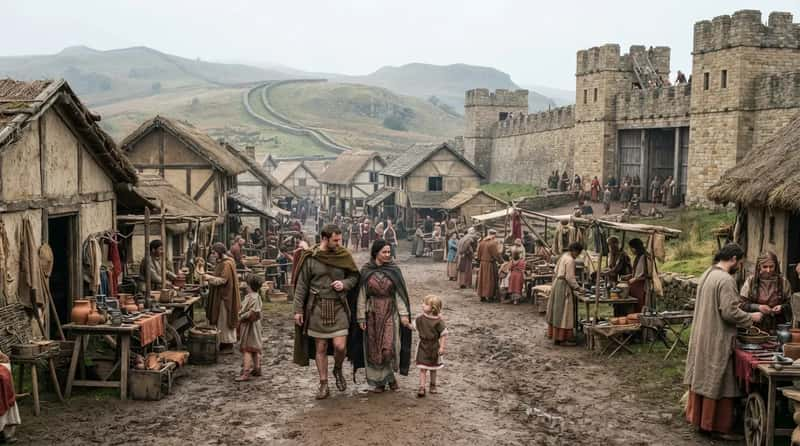
Soldiers weren’t supposed to marry, yet families clearly existed around the forts.
Roman soldiers were generally not allowed to marry legally while serving. That rule is usually said to have lasted until the early third century.
Real life didn’t follow the rule neatly. Civilian settlements called vici grew outside forts, and they housed traders, craftspeople and relatives.
Evidence from Vindolanda includes children’s shoes, a hint that kids were part of daily life nearby.
Quick Compare
- On paper: serving soldiers could not legally marry.
- On the ground: vici filled up with partners, children, traders and craftspeople.
- In the evidence: small shoes at Vindolanda and mixed-heritage couples on tombstones.
The frontier was full of partners, children and merchants, not just men in armor.
A tombstone from South Shields shows how mixed this world was. It commemorates Regina, a former slave of British origin, and her husband Barates, who came from Palmyra in Syria.
The inscription includes both Latin and Palmyrene text.
And that’s still not the most surprising place the frontier reached…
#2 – The Frontier Was Everywhere
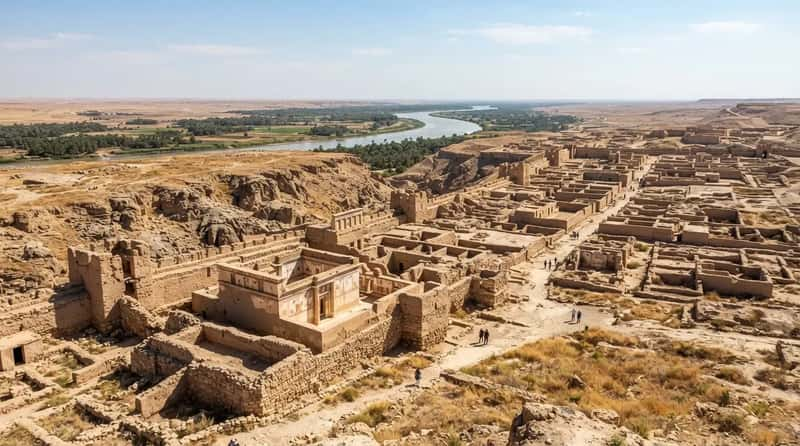
Britain’s wall was only one corner of a border that stretched across three continents.
Rome had frontiers along the Rhine and Danube rivers, in the deserts of the east and in North Africa. Each looked different.
In northern Europe, the frontier system included river lines and long stretches of timber and earth defenses. Several of these sites are now recognized together as a UNESCO World Heritage listing.
Out east, near the Euphrates, stood Dura-Europos, a garrison city where residents worshipped many gods.
The empire’s edge was a patchwork. A fort in a desert faced very different challenges from one in the rain.
But the most human part of the frontier story is what happened after the service ended…
#1 – Many Stayed
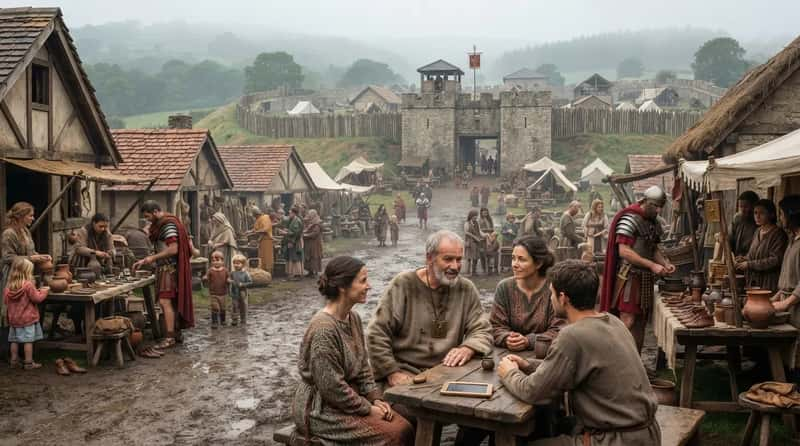
For many veterans, the frontier wasn’t a place to escape. It became home.
After long service, auxiliary soldiers could receive citizenship. Their families also gained benefits through official documents.
Many men had spent decades near the same forts. They knew the area, and they often had relationships there.
It makes sense that some stayed. The evidence suggests a blended community where soldiers, locals and newcomers lived side by side.
The frontier didn’t just separate cultures. Over generations, it mixed them.
Even the survival of our evidence reflects that daily life. Leather shoes and wooden writing tablets survived because of the conditions in the ground.
Put it all together, and the truth looks very different from the myth.
The Bottom Line
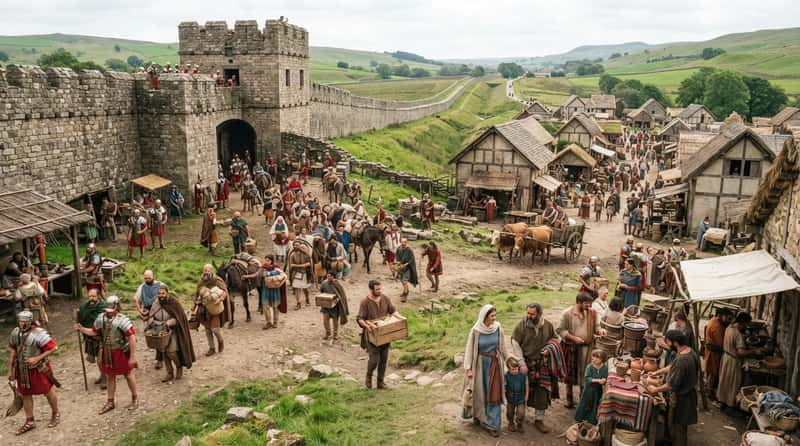
Life on the Roman frontier wasn’t just cold, grim guard duty. The wall worked more like a controlled gateway than a sealed barrier. The garrisons were multinational, supplied by long logistics chains, and tied to families and civilian towns.
Their letters reveal everyday worries: parcels, parties, missing beer and warm socks. The most surprising truth is how ordinary, and how mixed, border life actually was.
Which of these surprised you most, and do you think the wall was more about defense or control? Tell us in the comments.