There’s a strange gap between what happens at the check-in counter and what actually goes on behind the wall separating passengers from the ramp. Most flyers hand over their suitcase, watch it disappear on the belt, and never think about it again until they’re standing at the carousel. The people who load, sort, and stack those bags for a living see a much different picture, one shaped by tight connection windows, tossed suitcases, and habits that quietly make their jobs harder.
None of what follows is meant to scare anyone off checking a bag. It’s simply what baggage handlers keep noticing, trip after trip, and wish more travelers understood before they zip up their suitcase and walk away from it.
1. Overpacking until the zipper becomes the weak point
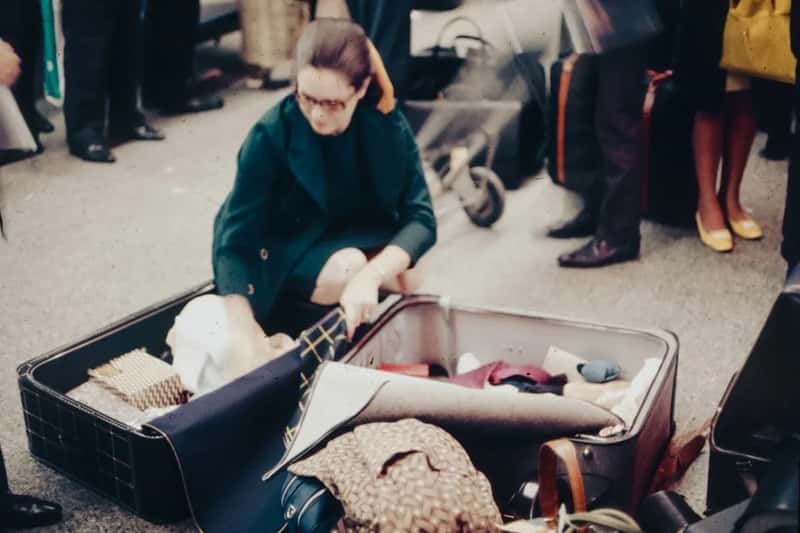
Stuffing a suitcase to the absolute brim feels efficient at home, but it puts constant strain on the one component holding everything together. Overpacking feels harmless in the moment, but it puts constant strain on the one component holding everything together.[1] Handlers see the result constantly: a burst zipper on the belt or a bag that has to be pulled aside for manual processing.
Certain packing habits show up again and again, and they almost always lead to the same outcomes: a burst zipper on the belt, a bag stuck in manual processing, or gear that jams an entire loading line.[1] A bag that’s merely full, rather than fighting to stay closed, survives the trip in far better shape.
2. Trusting a fragile sticker to do the heavy lifting
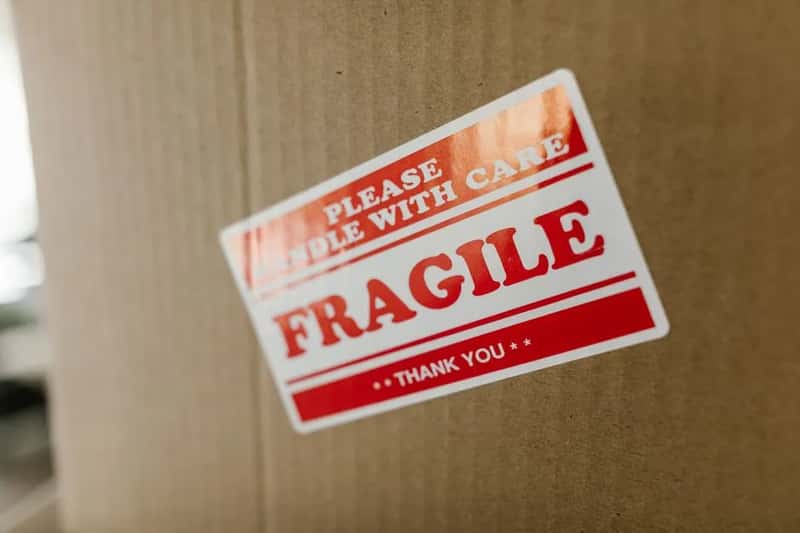
Fragile stickers feel like a reasonable insurance policy, but most handlers will tell you they barely register. Slapping a fragile sticker on your bag often does nothing, especially since so many travelers use them on things that aren’t fragile at all, which trains handlers to tune the label out entirely.[2] One handler who spent eleven years on the ramp put it bluntly, noting that I have worked as a baggage handler for 11 years and I constantly see checked bags with fragile stickers. I think passengers believe that if they put a fragile sticker on their checked bags that will somehow make a difference in how the bag is treated. Trust me, It won’t.[3]
If something genuinely needs care, the better move is saying so out loud at drop-off rather than relying on a label. If something inside genuinely needs care, telling the airline staff directly at drop-off works far better than trusting a sticker nobody believes anymore.[2] Wrapping the item in bubble wrap and keeping it away from the suitcase walls still matters far more than any sticker ever will.
3. Skipping proper identification on the bag itself
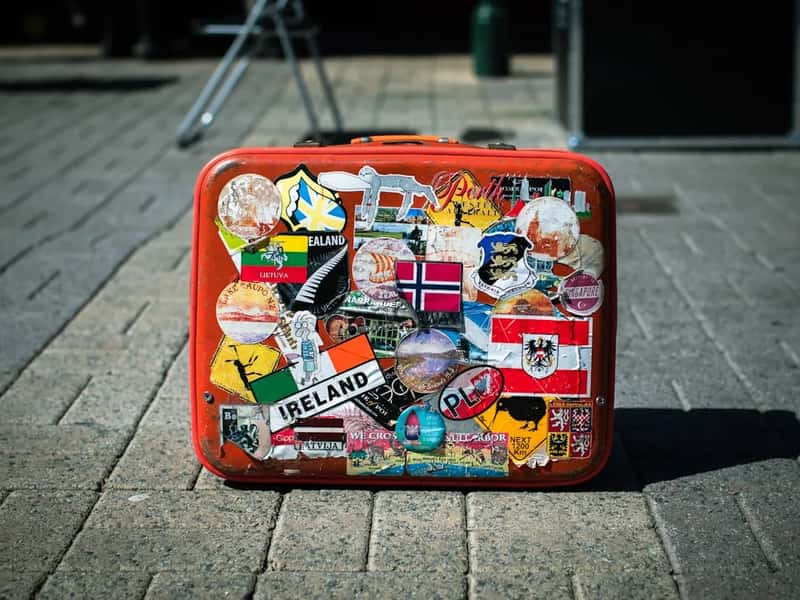
A surprising number of suitcases roll off the plane with no name, phone number, or distinguishing mark anywhere on them. Handlers see this confusion play out constantly, especially on connecting flights where dozens of similar bags land within minutes of each other. Not labeling your luggage makes it much harder to spot on the belt, and standing there scanning a black suitcase that looks like everyone else’s causes delays for other passengers too. A single bright strap or tag solves a problem most travelers don’t realize they’re creating.[4]
It’s also worth putting contact details in at least two spots inside and outside the bag. While you’re at it, make sure your name and phone number are attached to the bag in at least two locations … just in case.[5] A generic black hard case is nearly impossible to tell apart from a dozen others on a crowded carousel.
4. Letting straps, buckles, and pockets dangle loose

External straps and compression buckles are handy for packing, but left loose they turn into a mechanical headache for the people loading the belt. External straps and pockets can be handy for organizing gear, but when they hang loose they interfere with the mechanical side of baggage handling. Handlers are given strict instructions to load bags by weight, size, and shape, and dangling compression straps or loose external pockets throw off an otherwise smooth load, with one bad shape holding up an entire line.[1]
This is especially true for backpacks, which cause more than their fair share of trouble on the ramp. Backpacks can pose a multitude of problems for baggage handlers so be sure to tuck in those straps and do up all of those zips to avoid tears and snagging. “They get caught more often than normal luggage,” writes a handler on Reddit. “Once an airport representative walked across the airport, picking up every zipper he found. There were thousands.”[6]
5. Packing jewelry, electronics, and one-of-a-kind keepsakes in the hold
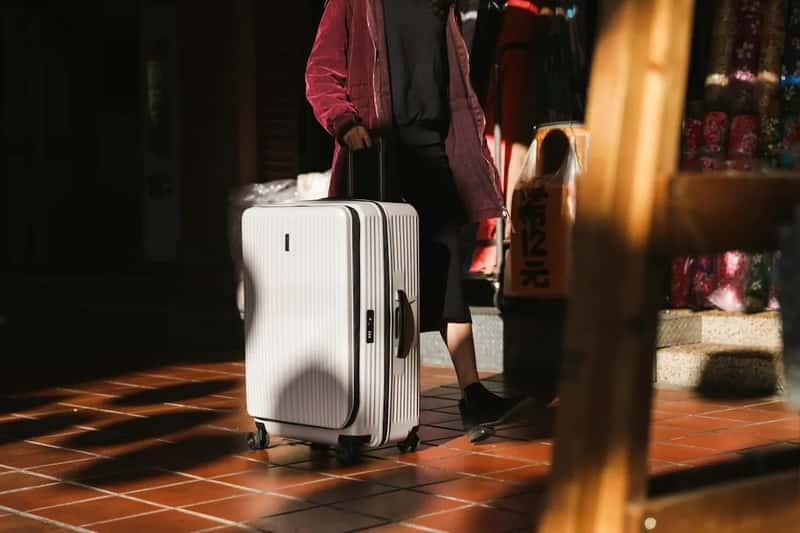
Sentimental and valuable items end up in checked bags every single day, often without much thought about the risk involved. Sentimental items go into checked bags every day. Handlers say most flyers underestimate exactly what they’re risking. Jewelry, electronics, and one-of-a-kind souvenirs still show up in checked bags constantly, and handlers say that’s a gamble most travelers wouldn’t take if they understood the odds.[7]
The scale of the problem is significant. Industry data compiled by SITA found that 36 million checked bags were delayed, mislaid, misdirected, pilfered or stolen[8] in a recent year alone. For passengers, that’s rarely just an inconvenience, since the cost of lost luggage is deeply personal – cherished souvenirs, essential work equipment, and keepsakes that simply can’t be replaced.[7]
6. Packing power banks and spare lithium batteries in checked bags
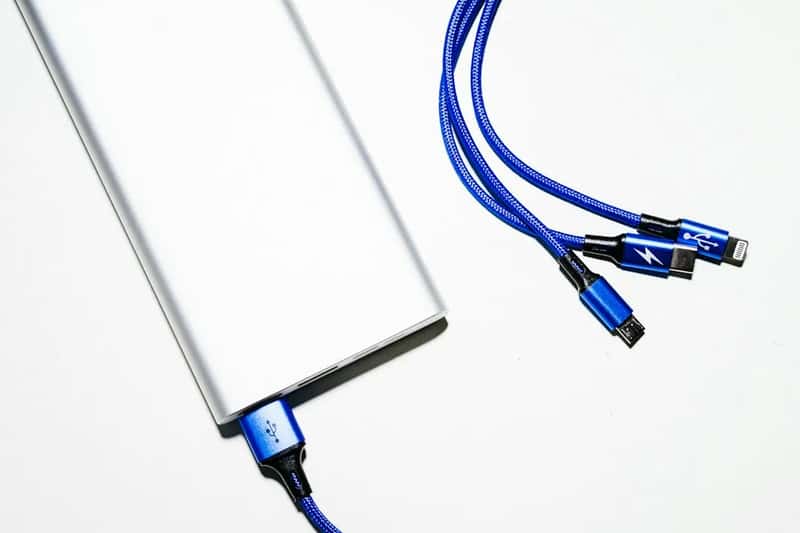
This is one habit that changed for good reason, and recently. As of March 2025, TSA rules prohibit passengers from packing portable chargers, power banks, and cellphone battery charging cases with lithium-ion batteries in checked luggage, a rule that also covers spare external lithium batteries.[7]
The rule wasn’t written in a vacuum. The change followed real incidents, including one where an exploding power bank was blamed for a fire that burst out on a plane in South Korea in January, forcing the evacuation of all 179 passengers and six crew.[7] Any spare battery pack now belongs in a carry-on, not the hold, where a fire would be far harder to detect and contain.
7. Assuming an expensive suitcase earns gentler treatment
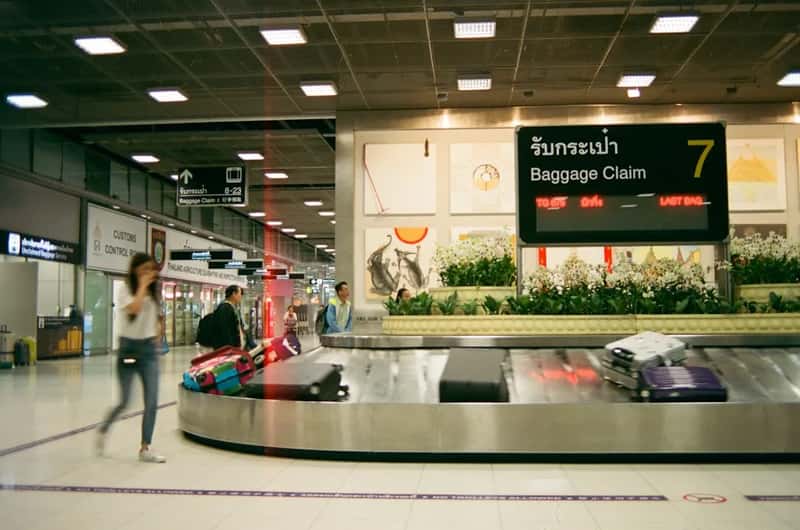
Designer luggage owners often expect their bag to move through the system a little more carefully than a battered duffel. It doesn’t work that way. Designer luggage owners often expect their bag to be handled differently than a $40 duffel bag. It isn’t, and nobody on the ramp is checking the label. Luggage moves fast, gets stacked hard, and takes the same hits on the belt no matter what it cost.[2]
Speed on the ramp simply outranks sentiment. Handlers say the priciest bags they see get scuffed just as quickly as the cheapest ones, because speed matters more than sentiment during a turnaround.[2] A hard-shell case with four spinner wheels and a reinforced handle will hold up better than price alone ever could.
8. Treating priority tags like decoration instead of a real system
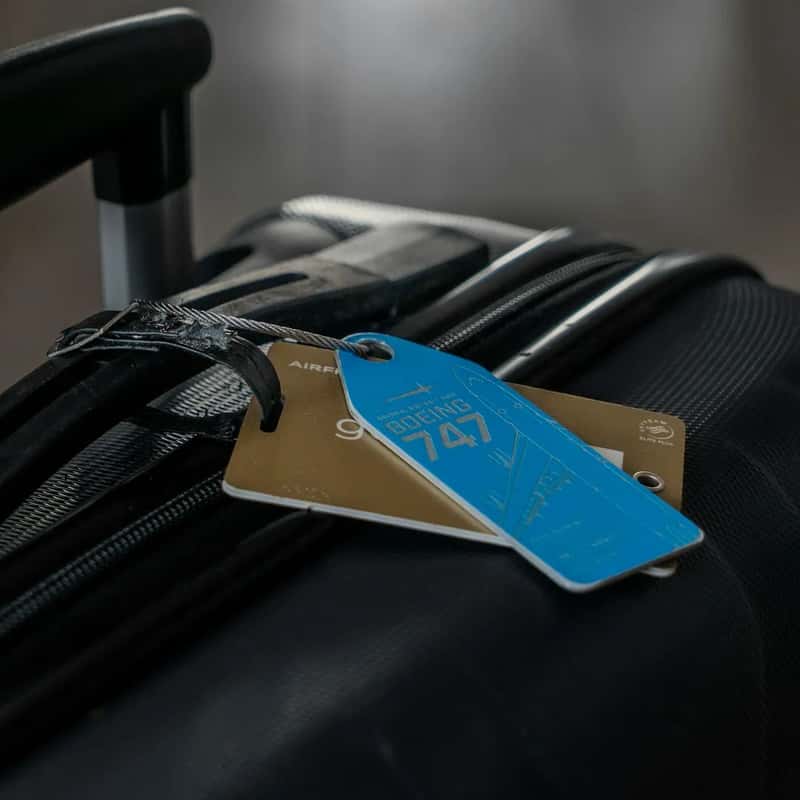
A tag with fancy lettering doesn’t automatically mean fast-track treatment, and trying to fake one rarely ends well. Some flyers assume any tag with fancy lettering gets special treatment.[7] The system is more particular than that, since priority tags are tied directly to booking class and tracked electronically rather than judged by appearance.
Handlers notice attempted shortcuts more often than passengers might think. One longtime handler described it plainly, saying Many passengers try to weasel their luggage into the first-class cart. Sometimes it works, most of the time it doesn’t and it’s a great satisfaction in the bag room to tear a false priority tag off of someone who’s only paid regular fare.[6] Genuine priority status, earned through fare class or frequent flyer tier, is the only version that actually moves a bag faster.
9. Choosing the wrong style of suitcase for the trip
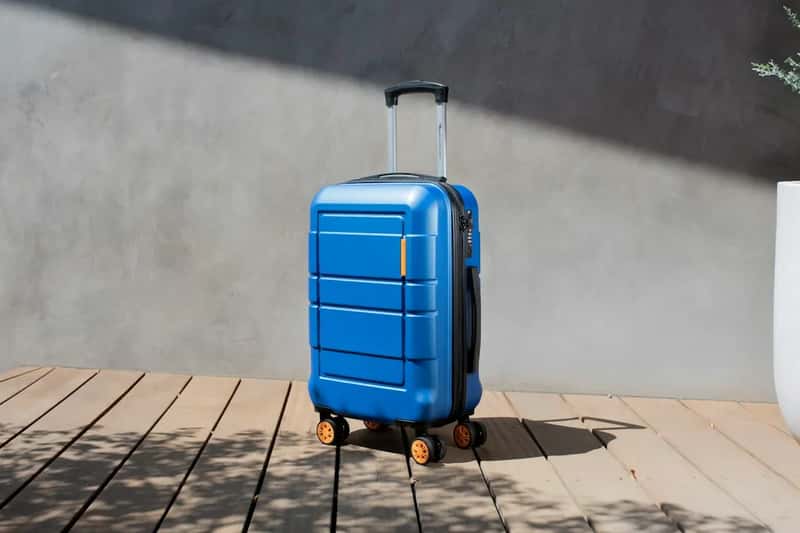
Not every bag is built for every kind of travel, yet most people buy one suitcase and use it for everything from a weekend trip to a three-week overseas haul. Not every suitcase is built for every kind of travel, yet most people buy one bag and use it for everything from a weekend road trip to a three-week international haul. Choosing the wrong bag is one of the biggest packing mistakes travelers make, and you can do everything else right but it won’t matter if the piece of luggage itself is subpar.[4]
The shape and build of the case matters just as much as its size. One handler on Reddit advises: “Get something robust and something that rolls.” He suggests a four-wheeled hard case as they are light and easy to manoeuvre and stack, as well as being far more likely to keep contents safe. His other top tip is to choose a suitcase with a reinforced handle so it doesn’t snap easily.[6]
10. Assuming a checked bag is untraceable once it’s out of sight
Once a suitcase disappears down the belt, it’s easy to assume there’s no way to know what happens to it in between. That assumption isn’t quite accurate anymore, and it can actually work in a traveler’s favor. One frequent flyer who tracks his own luggage found that “Through personal testing, I found that bags with tracking devices are handled more carefully by baggage handlers who may notice the tracking notification,”[8] according to comments shared with Forbes.
There’s a practical reason a tracker changes behavior on the ramp. It’s true that less-than-honest baggage handlers will avoid tracked bags because they’re afraid they could bring evidence home. So a notification acts as a deterrent.[8] Dropping a small tracker inside the bag before check-in gives a traveler real visibility into where their luggage actually is, rather than just hoping it turns up.
Weight limits deserve one more mention, since they trip up more travelers than almost anything else on this list. Most carriers cap economy checked bags at 50 pounds domestically, with international routes sometimes allowing up to 70 pounds depending on the airline and cabin class. Going over that threshold usually triggers a fee somewhere between 50 and 200 dollars, and most carriers simply refuse a bag once it crosses 100 pounds regardless of what a passenger is willing to pay.
None of these habits require special equipment or extra money to fix. They mostly come down to small decisions made before a bag ever reaches the counter, from how it’s packed to what gets left dangling on the outside. The next time a suitcase gets handed over, a little more attention to these details can be the difference between a smooth trip through baggage claim and a long wait watching an empty carousel.