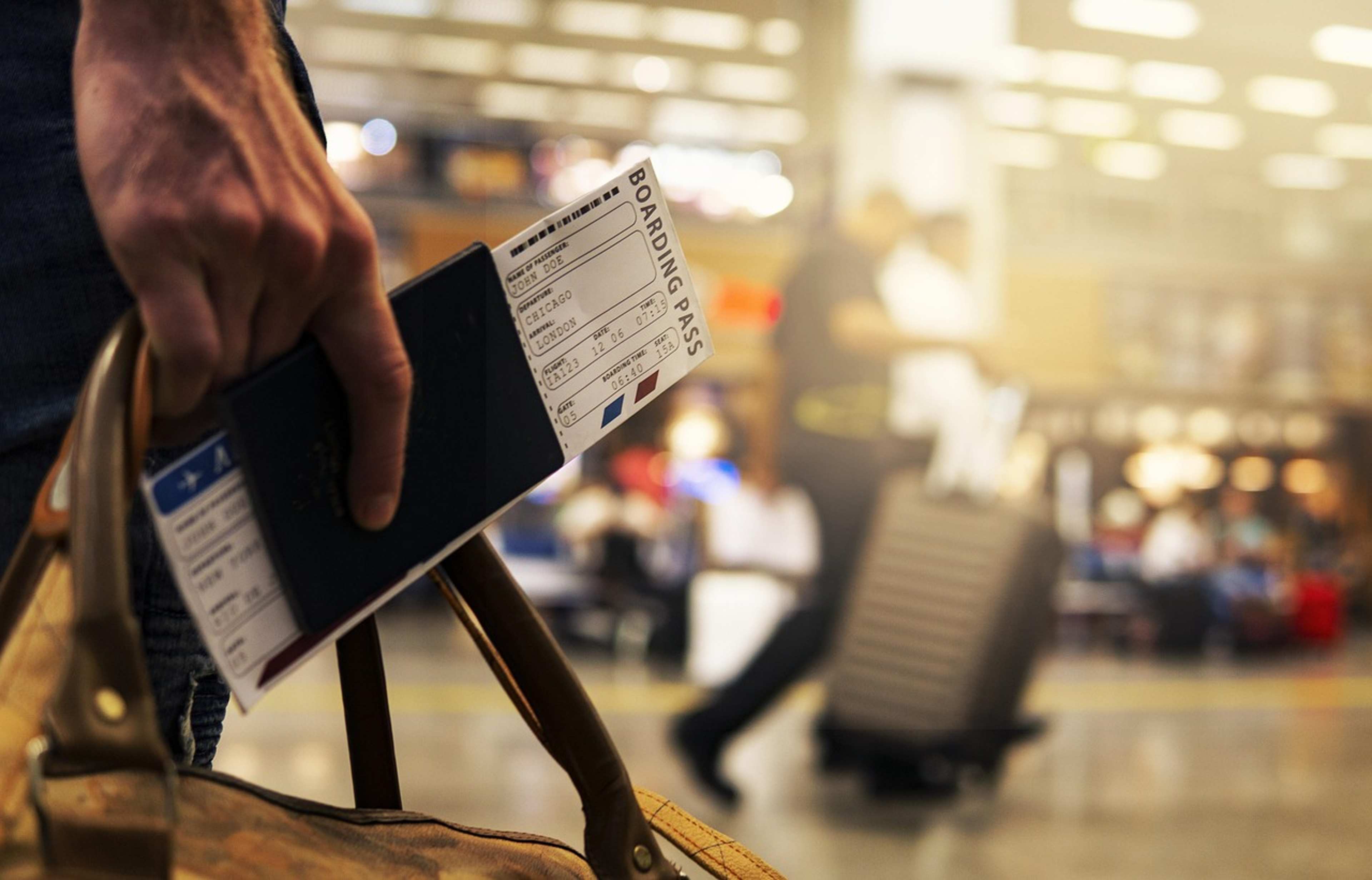
Baggage handlers see thousands of suitcases a day, and after enough shifts hauling bags through rain, heat, and tight connection windows, they start to notice patterns. Certain packing habits show up again and again, and they almost always lead to the same outcomes: a burst zipper on the belt, a bag stuck in manual processing, or gear that jams an entire loading line. None of these problems require expensive equipment to avoid. They mostly come down to small choices travelers make before they ever reach the airport.
Here are five packing habits that handlers consistently flag as avoidable headaches, along with why each one causes more trouble than most travelers realize.
1. Stuffing the Suitcase Until the Zipper Becomes the Weak Point
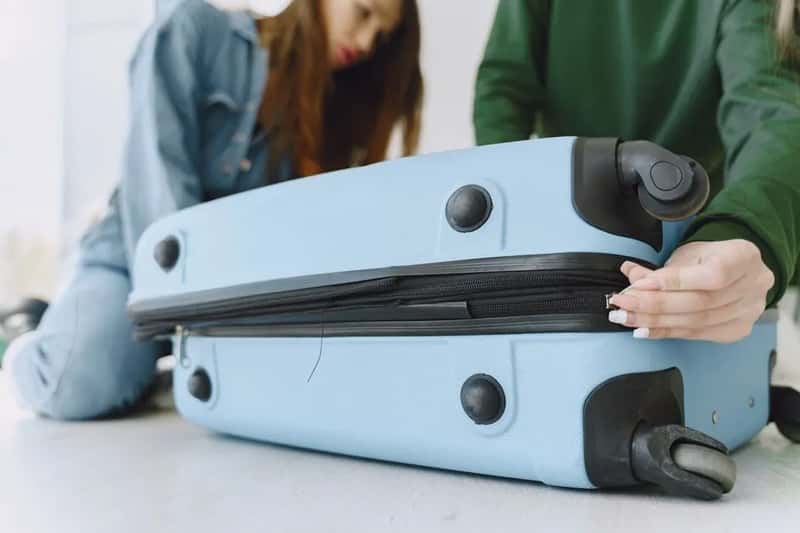
Overpacking feels harmless in the moment, but it puts constant strain on the one component holding everything together. When a bag is stuffed too full, the zipper is the first thing to fail, and if it splits mid-transfer, everything spills onto belts, carts, and even the tarmac in front of other passengers.[1] Handlers develop a sense for this almost instantly, since a straining, bulging bag looks different from one packed with a little breathing room.
The mechanical reason is straightforward. Most likely you are putting too much tension on the zipper by packing your suitcases too full, and it’s obvious that this will increase wear and tear.[2] Airlines have noticed the same pattern from a liability standpoint too, since carriers assume no liability for preexisting damage, including minor cuts, scratches, and broken zippers as a result of over packing, or for wear and tear resulting from ordinary handling of baggage.[3] Leaving a bit of slack in the zipper track, rather than forcing it shut, goes a long way toward avoiding an ugly surprise at baggage claim.
2. Leaving Old Flight Stickers and Tags Stuck to the Shell

A suitcase covered in destination stickers from years of travel might look like a badge of honor, but it actually works against the traveler at the scanning stage. That collage of destination stickers on a well-traveled suitcase might look charming, but barcode and RFID scanners rely on clean surfaces to read tags correctly, and old adhesive labels confuse the system more often than travelers assume.[4] The tech behind modern sorting systems is precise, and it does not distinguish between a decorative sticker and a routing code.
The consequence is more serious than a cosmetic issue. Keeping previous flight tags on your luggage increases the risk of routing errors, as baggage scanners may pick up the wrong barcode, so travelers should remove any old stickers, barcodes, or airline tags before checking in.[5] A bag that cannot be scanned automatically does not simply get flagged and sent along anyway. A bag that can’t be read automatically doesn’t just sit there quietly waiting, and if it can’t be scanned automatically, it can end up in manual processing, which adds more human touchpoints and increases the odds the bag misses a tight connection.[4]
3. Tying Ribbons or Charms Over the Barcode Tag
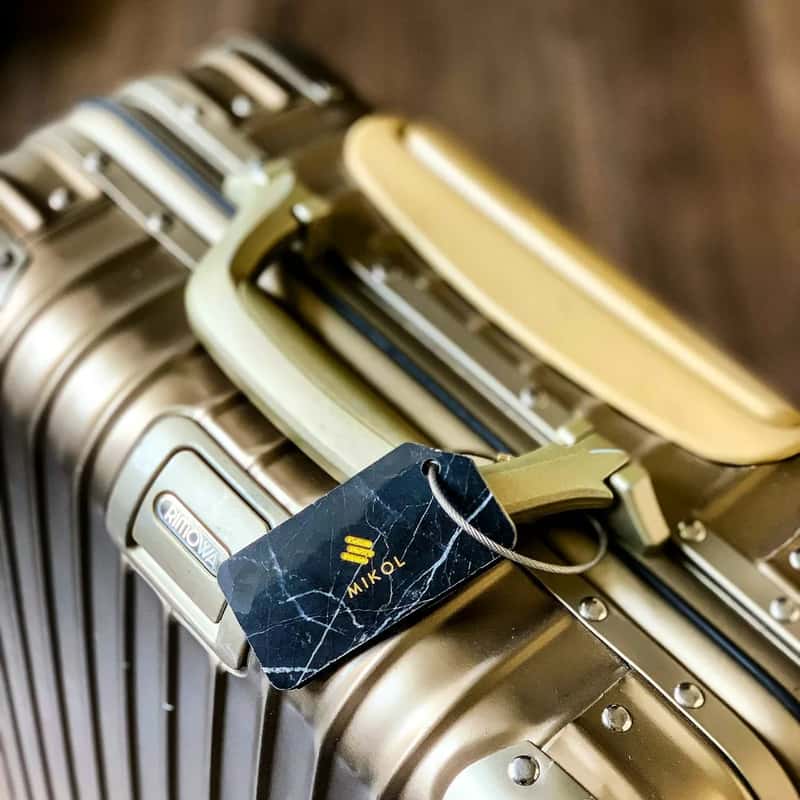
Ribbons, colorful yarn, and luggage charms are popular ways to make a bag easy to spot on the carousel, but they can accidentally cover the exact tag the sorting system needs to read. The problem isn’t the ribbon itself; it’s what happens when the scanner can’t read the tag underneath it, since if the bag can’t be scanned automatically, it can end up in manual processing, which could mean the bag doesn’t make it to the flight.[1] It is a strange twist: the same decoration meant to help identify a bag can be the very thing that keeps it from reaching the plane on time.
Handlers describe this as one of the more frustrating scenarios because it is entirely preventable. A decoration meant to help your bag get found is often the exact reason it gets stuck behind schedule.[1] Tying a ribbon to a handle rather than wrapping it around the tag itself, or choosing a distinctive luggage strap instead, keeps the identification without risking a scan failure.
4. Letting Straps, Pockets, and Compression Buckles Dangle Loose
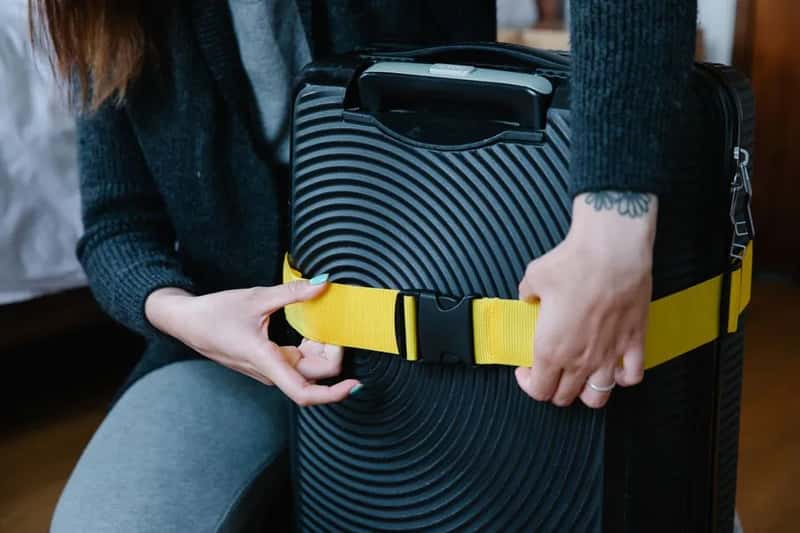
External straps and pockets can be handy for organizing gear, but when they hang loose they interfere with the mechanical side of baggage handling. Handlers are given strict instructions to load bags by weight, size, and shape, and dangling compression straps or loose external pockets throw off an otherwise smooth load, with one bad shape holding up an entire line.[6] A single awkwardly shaped bag can slow down loading for everyone behind it on the belt.
The same physics apply to anything hanging off the outside of a bag, not just straps. Loose buckles and dangling pulls are prone to snagging on conveyor machinery and baggage carts, and that snagging is exactly what tends to snap zipper pulls or straps off entirely. Tucking in every strap and cinching down compression buckles before checking a bag takes only a few seconds and prevents a problem handlers say they see constantly.
5. Gate-Checking Strollers and Car Seats Without Wrapping Them

Parents rushing to board often hand over a stroller or car seat at the jet bridge without a second thought, but that unwrapped gear creates real friction further down the line. A cheap plastic wrap or gear bag prevents dangling buckles from snagging on conveyor machinery, and the gear that seems too big to lose track of is often the gear that jams the entire system.[1] Odd-shaped items do not move through automated systems the same way a standard suitcase does, and handlers notice the difference immediately.
The mechanical issue is simple but disruptive. Strollers, car seats, and odd-shaped gear cause real problems when they’re not wrapped, since straps catch on belts and buckles get stuck.[6] A gate-check bag or even a layer of stretch wrap, often available for a small fee at check-in counters, keeps buckles contained and prevents the entire loading rhythm from grinding to a halt behind one piece of gear.
None of these five habits require special equipment or a change in how much someone packs for a trip. They are mostly about presentation and preparation: leaving a little slack in the zipper, peeling off old tags, keeping ribbons away from barcodes, tucking in loose straps, and wrapping bulky gear before it goes to the belt. Baggage handlers cannot control how a bag is packed, but travelers can, and a few extra minutes before departure is often the difference between a suitcase that sails through the system and one that ends up delayed, damaged, or stuck behind the scenes in manual processing.