Ask someone from Wisconsin, Minnesota, or the Dakotas about proper road trip eating, and you’ll get an answer with the seriousness usually reserved for religion or hockey rules. There’s a logic to it, built from decades of long, flat drives between small towns where the right snack decision can make or break a four hour stretch of highway. Outsiders tend to laugh at first, then quietly start following the same rules once they’ve tried it themselves.
1. Cheese curds only count if they squeak
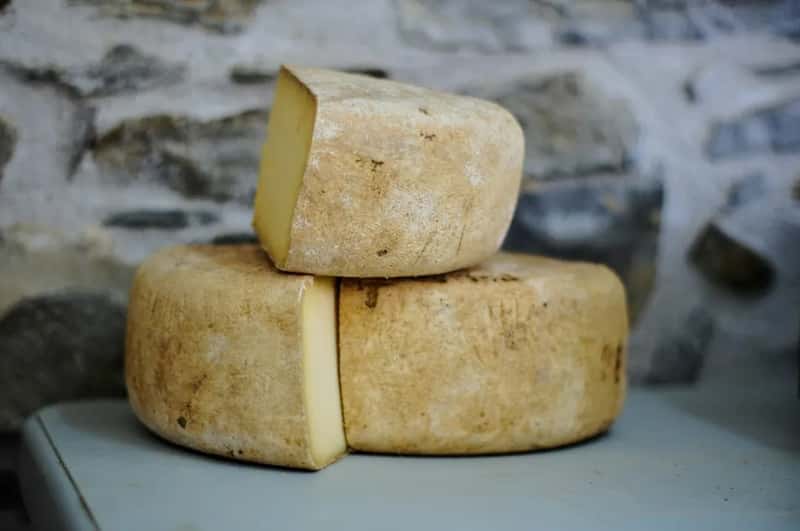
In Wisconsin and much of the surrounding region, a cheese curd that doesn’t squeak against your teeth is considered barely worth eating. The squeak is a freshness marker, a sign that the curd was made recently enough that its protein structure hasn’t relaxed yet, and locals treat it as a genuine quality test rather than a quirky bit of folklore.
This obsession is directly tied to the region producing more cheese than any other state in the country, so curds show up at gas stations, roadside stands, and supper clubs with the same casualness other places reserve for chips. Travelers from outside the dairy belt are often baffled that anyone can tell freshness by sound alone, but ask any road tripper mid drive and they’ll insist it’s obvious.
2. A Kwik Trip stop is not optional, it’s a checkpoint
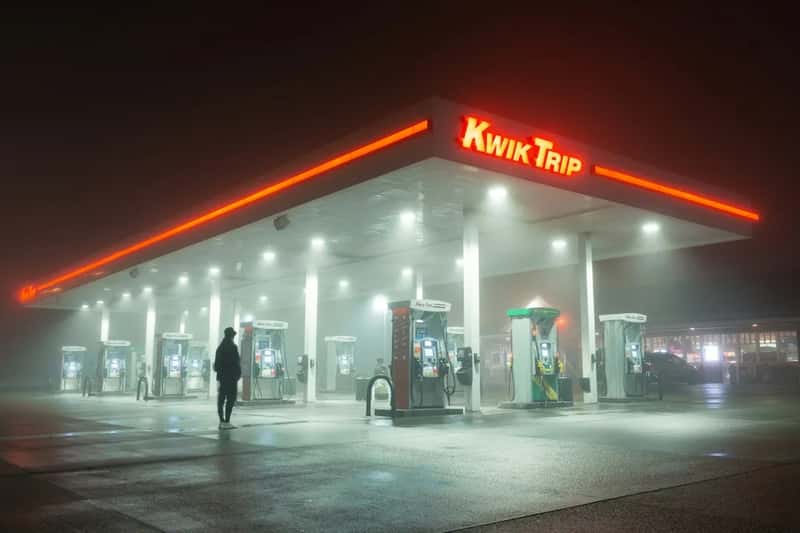
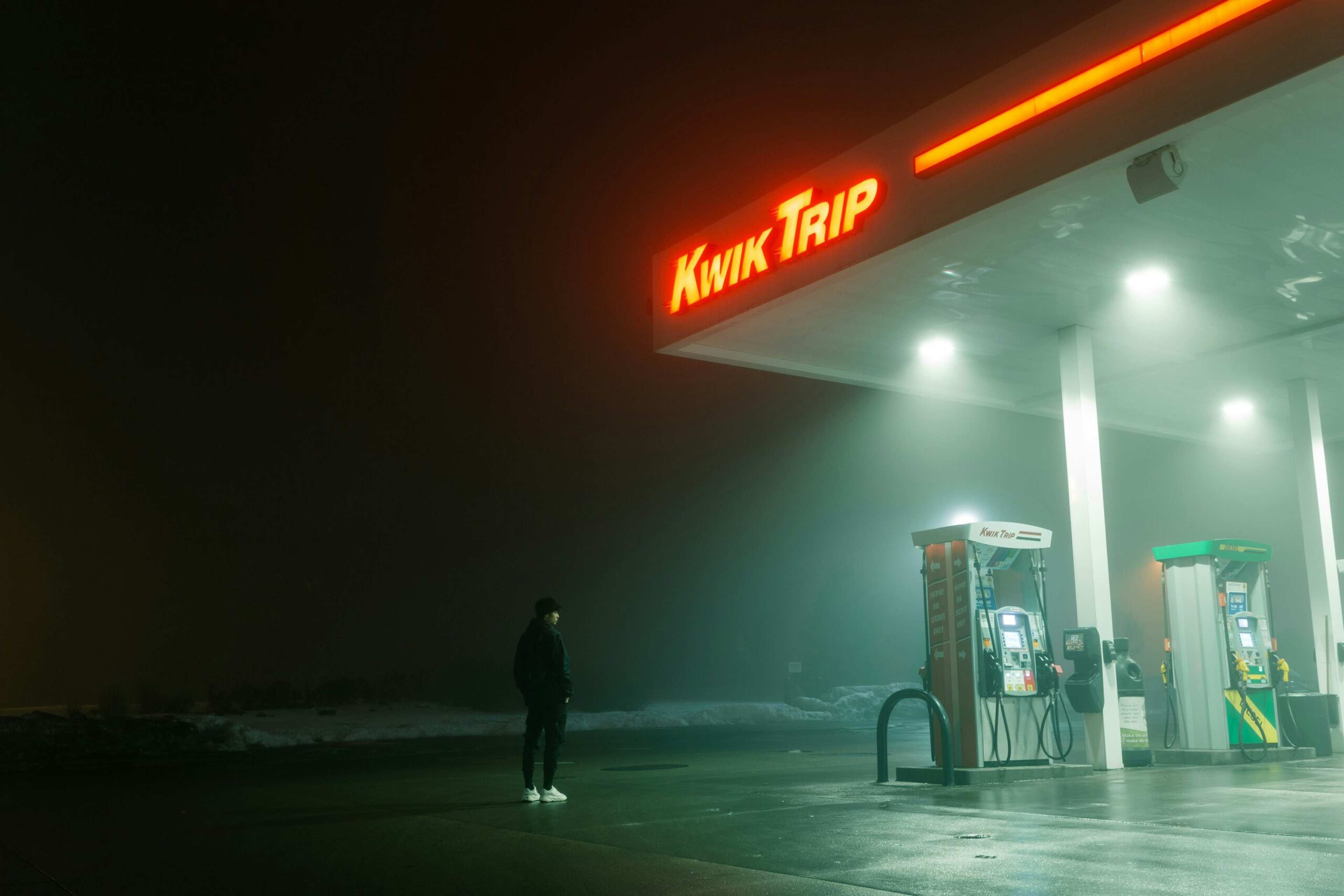
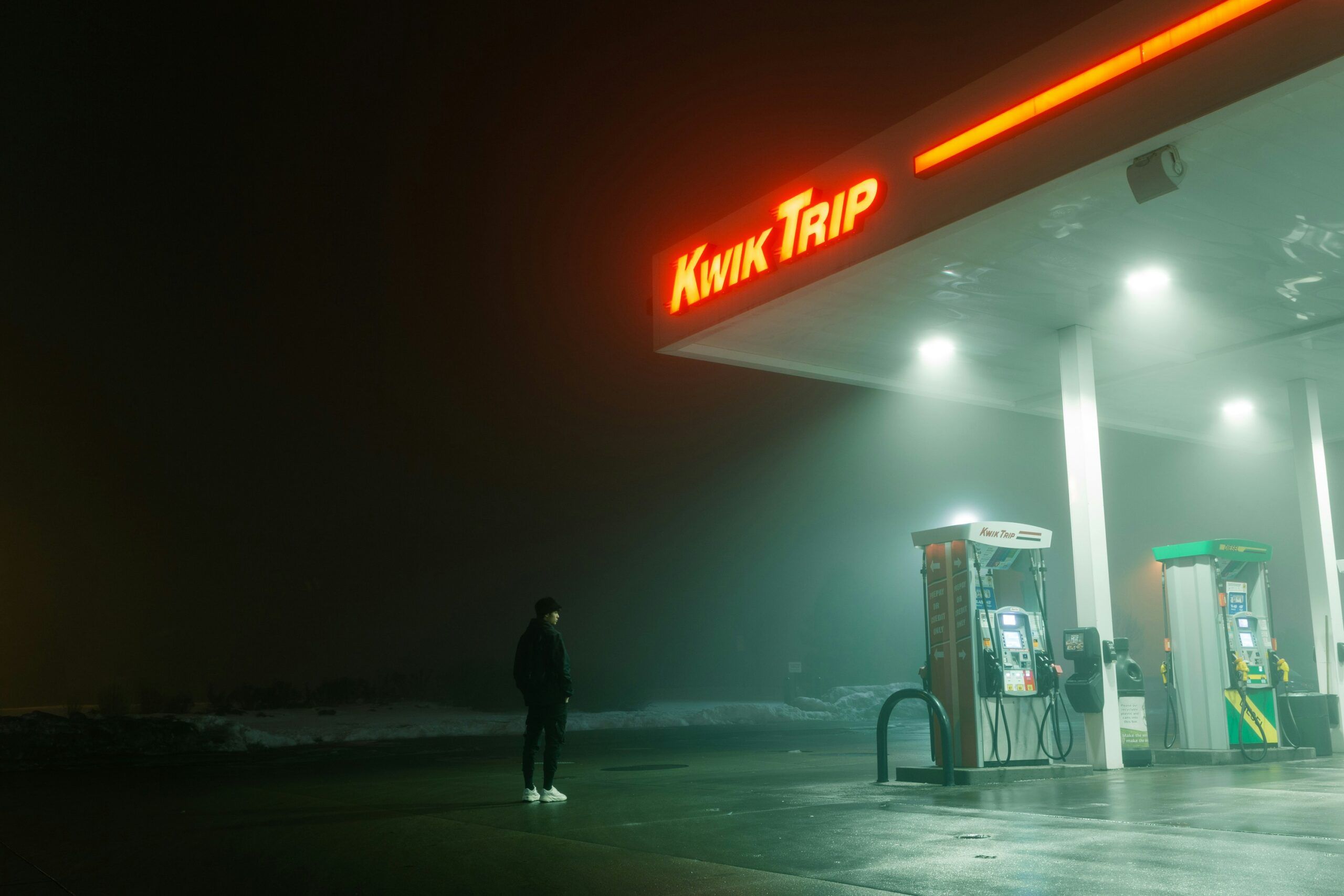
For people driving through Wisconsin, Minnesota, Iowa, or the Dakotas, skipping a Kwik Trip on a road trip is almost unthinkable. Kwik Trip is a chain of convenience stores founded in 1965 in Eau Claire, Wisconsin[1], and it has grown into something closer to a regional institution than a typical gas station. The Wisconsin-based regional gas station chain has become a cultural icon in the area thanks to its focus on affordable prices, crave-worthy food and kind workers.[2]
Part of the loyalty comes down to freshness, since Kwik Trip produces more than 80% of the products sold in its stores, supplied by its own bakery, commissary, dairy and distribution center.[3] Non-locals are often confused by the fierce devotion, not realizing that the chain has a Facebook fan group with over 150,000 followers posting their love of the place hourly[4], a level of enthusiasm rarely seen for a fuel stop anywhere else in the country.
3. It’s hotdish, never casserole
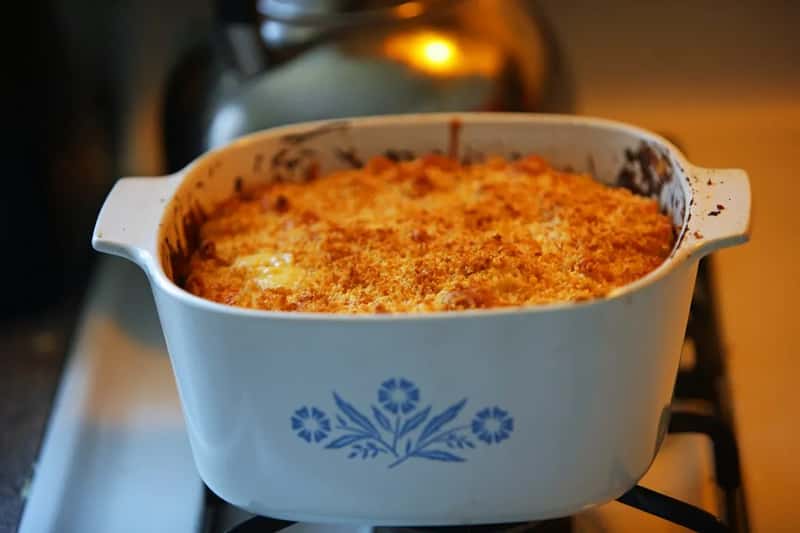
Calling it a casserole in Minnesota or the Dakotas during a road trip will earn you a polite but firm correction. Hotdish is the regional word for the same basic dish, typically a starch, a protein, a canned soup binder, and a crunchy topping, but the terminology is treated as a point of identity rather than a synonym.
Families packing hotdish for long drives usually keep it in the same dented pan that has made the trip a hundred times before, reheated at a rest stop or eaten cold without complaint. Visitors who use the word casserole in front of a Minnesota grandmother tend to learn the rule the hard way, usually through a raised eyebrow rather than actual anger.
4. Bars belong in the cooler, not cookies
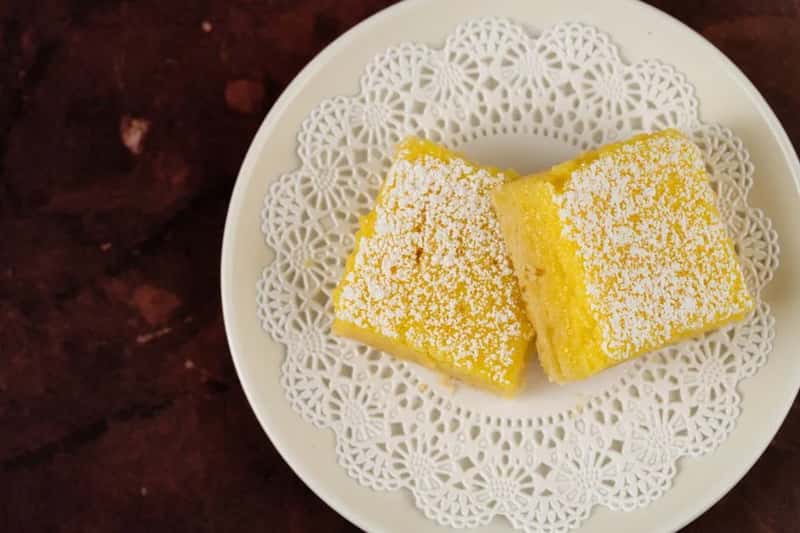
Ask for road trip dessert in the Upper Midwest and you’ll almost always get bars instead of cookies, things like seven layer bars, Special K bars, or lemon bars cut into neat squares. The preference isn’t random since bars travel better in a cooler, stack cleanly, and don’t crumble the way a cookie tin does over a bumpy county highway.
There’s also a practical baking tradition behind it, as bars can be made in bulk in a single sheet pan for a big family trip without anyone standing over a cookie sheet all morning. People from outside the region sometimes assume bars and cookies are interchangeable, which tends to surprise anyone who grew up watching a cousin guard the last brownie bar in the back seat.
5. A Culver’s detour is basically mandatory
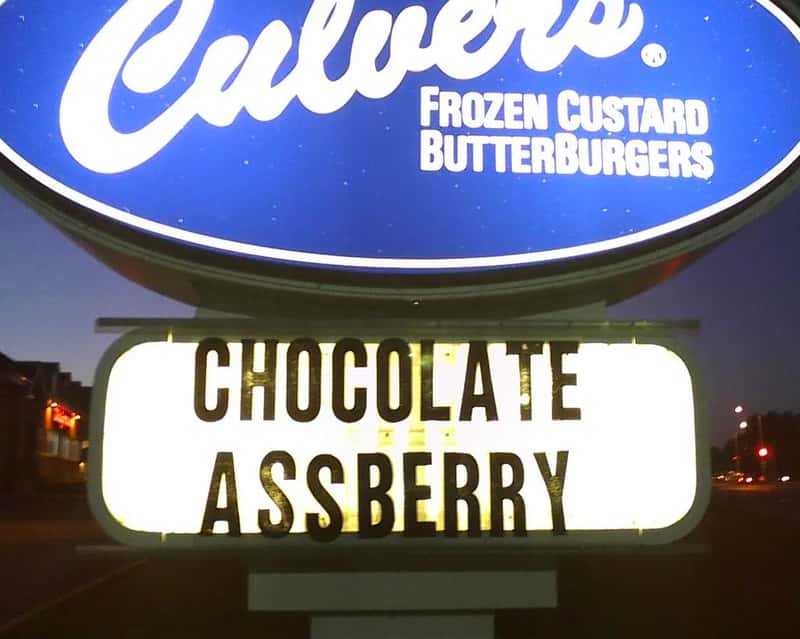
For Upper Midwest road trippers, spotting a Culver’s sign from the highway is treated less like a coincidence and more like an obligation. The chain was founded by Craig Culver with his wife, Lea, and parents, George and Ruth, on July 18, 1984, in Sauk City, Wisconsin.[5] The signature item, the ButterBurger, has roots that go back further than the restaurant itself, since Charlie Nagreen served hamburgers fried in butter at the Seymour fair in 1885, and the butter burger was popularized by the restaurants Solly’s Grille and Krolls’ beginning in 1936.[6]
Culver’s took that older Wisconsin tradition and turned it into a full menu that leans on regional pride, and it has consistently worked to broaden its menu by finding inspiration in Wisconsin’s supper clubs with items such as hand-battered North Atlantic cod and genuine Wisconsin cheese curds.[5] The chain has grown well beyond its home state too, with a total of 1,000 restaurants in 26 states as of April 2025[7], though most road trippers outside the Midwest still treat it as a novelty rather than a required stop.
6. Thermos coffee beats gas station coffee, no exceptions
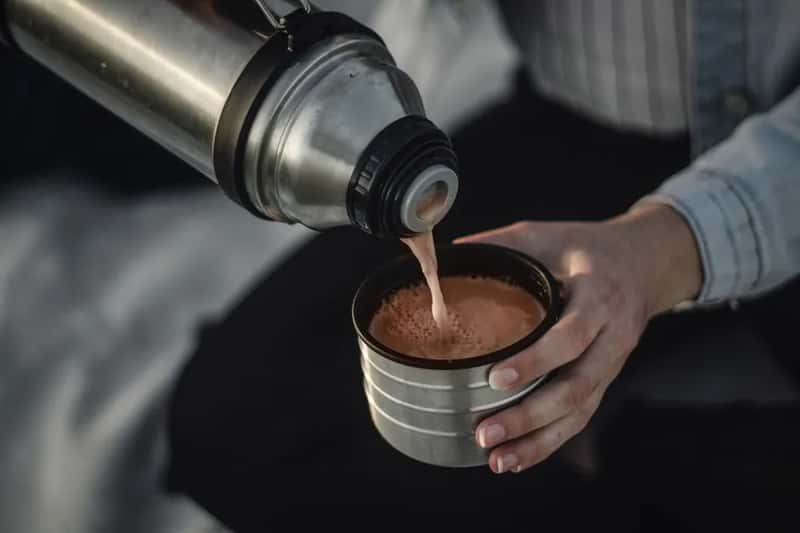
Long before Kwik Trip’s coffee bar became a fixture, families across the region were brewing a pot before sunrise and pouring it into a thermos for the road. The habit isn’t about saving money so much as trust, since a homemade brew is considered more reliable than whatever is sitting in a gas station carafe by mid morning.
This isn’t a knock on gas station coffee itself, since Kwik Trip in particular has built a strong reputation around its food and beverage program. Still, the thermos habit runs deep enough that some travelers pack it purely out of ritual, even when they know a decent cup is waiting twenty minutes down the road.
7. Booyah or a soup stop counts as a real meal, not a snack
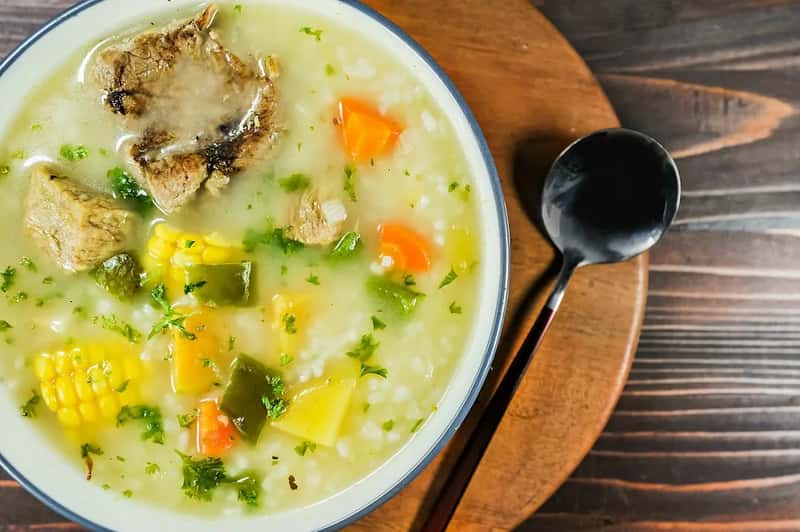
In parts of Wisconsin and Minnesota with strong Belgian and Scandinavian roots, a road trip that passes through booyah season without stopping feels like a missed opportunity. Booyah is a slow-simmered meat and vegetable soup traditionally served at church fundraisers and community festivals, and locals will happily reroute a trip to catch one while it’s still being served.
Outsiders often assume soup is a side dish or an afterthought on a road trip, something you grab if nothing else looks appealing. In this region it’s treated as filling, warming, and worth the detour, especially on a cold fall or early spring drive when a burger just doesn’t sound as good.
8. Pop goes in the cooler, and don’t call it soda
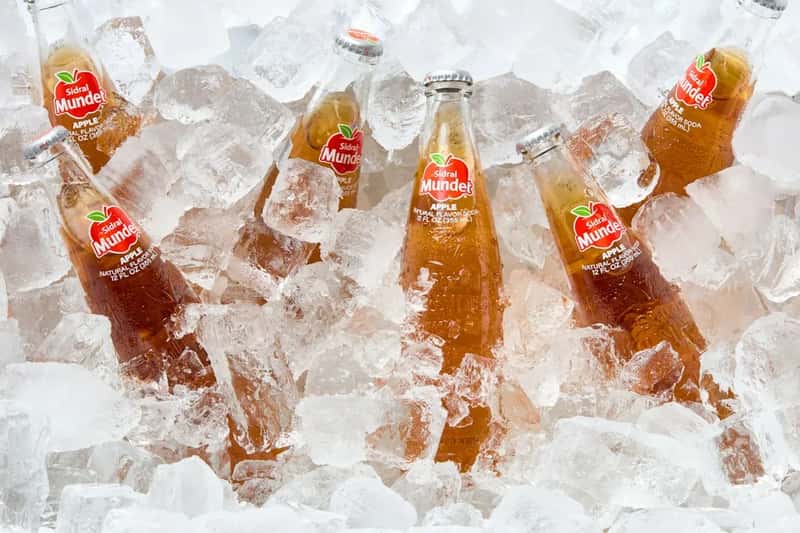
The regional preference for the word pop over soda isn’t just a dialect quirk, it’s practically a loyalty test on road trips. Coolers packed for long drives are stocked with pop, usually a mix of cola, root beer, and orange, and calling it soda out loud tends to draw a few confused glances from anyone in the front seat.
This naming rule extends to restaurant orders too, where asking for a soda in a small town diner along the highway might get you a genuinely puzzled pause before the waitress catches on. It’s a small thing, but it’s one of those road trip habits that visitors notice immediately and locals barely think about at all.
9. Jerky and string cheese beat candy for the drive
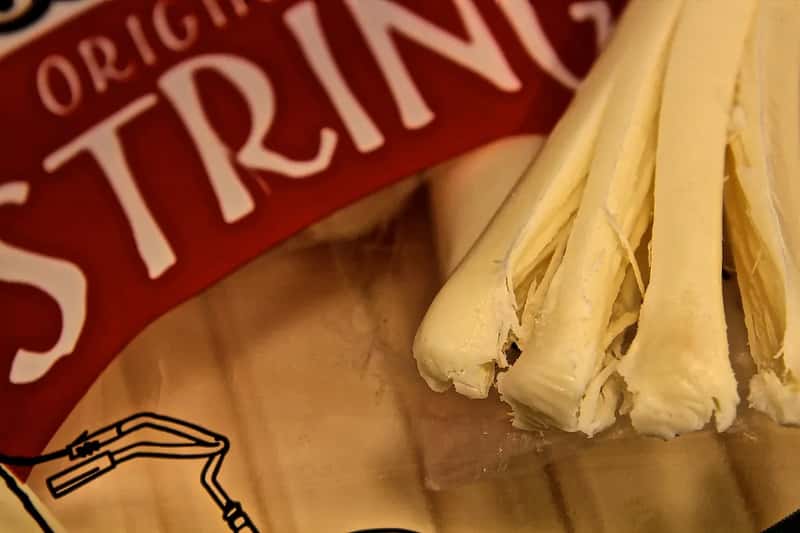
While candy dominates road trip snacking in a lot of the country, Upper Midwest travelers tend to lean toward jerky, string cheese, and crackers instead. The logic is practical, since these snacks don’t melt in a hot car, don’t leave sticky hands on the steering wheel, and actually keep you full through a long stretch of highway.
This preference also lines up with the region’s dairy and meat processing history, where good jerky and cheese are easy to find at nearly any gas station or small town shop. Visitors who show up with a bag of gummy candy sometimes get a look that says they clearly haven’t done this drive before.
10. A kringle or bakery stop is worth the extra miles
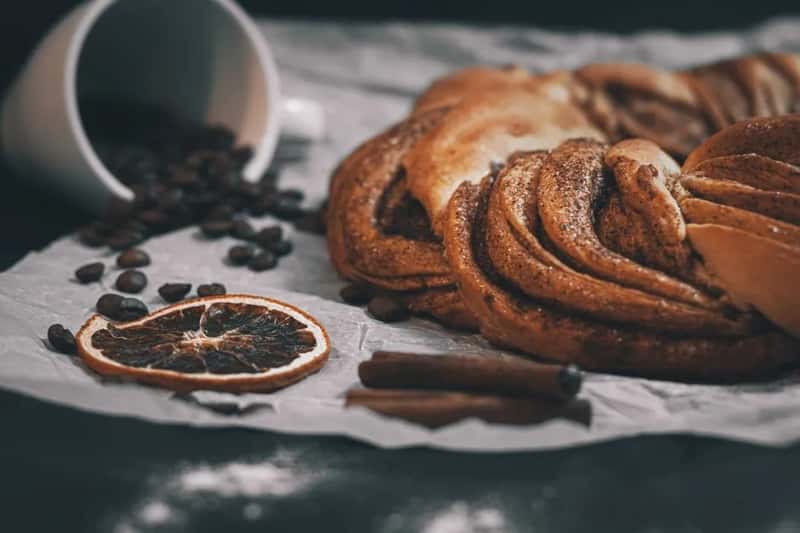
Door County, Wisconsin’s kringle, a flaky Danish pastry filled with fruit or nut fillings, has become enough of a road trip landmark that people will plan an entire route around picking one up. The pastry traces back to Scandinavian immigrants who settled in the region, and bakeries there still treat the recipe with the kind of seriousness usually reserved for family heirlooms.
The same devotion applies to small town bakeries throughout Minnesota and the Dakotas, where a fresh long john doughnut or a still-warm cinnamon roll is considered a legitimate reason to add twenty minutes to a trip. People unfamiliar with the region sometimes see this as excessive, but for locals, a good bakery stop is simply part of doing the drive right.
None of these rules are written down anywhere official, yet they get passed along from one road trip to the next with a surprising amount of consistency. Whether it’s the squeak of a fresh curd or the quiet insistence on calling it pop, these habits say something about a region that takes its food seriously, even when the food itself is humble. Anyone driving through for the first time might roll their eyes at first, but most end up following the same rules by the second stop.