Cruises sell the dream hard: all-you-can-eat everything, tropical ports, no driving, no cooking, just pure vacation. And then the bill arrives. Millions of Americans step off the gangway every year wondering how a “deal” cruise somehow cost them $4,000 more than the advertised price – or worse, how they nearly missed the ship in a foreign port wearing flip-flops and a sunburn. The mistakes that cause it all are almost always the same ones, made by the same types of passengers, on every sailing.
What’s wild is that most of these aren’t rookie errors. Repeat cruisers walk straight into several of them too – because the ship is designed to make spending feel effortless and the surprises don’t show up until it’s too late. A few of the ones lower on this list are genuinely jaw-dropping. Keep reading.
#12 – Flying In the Same Morning Your Cruise Departs
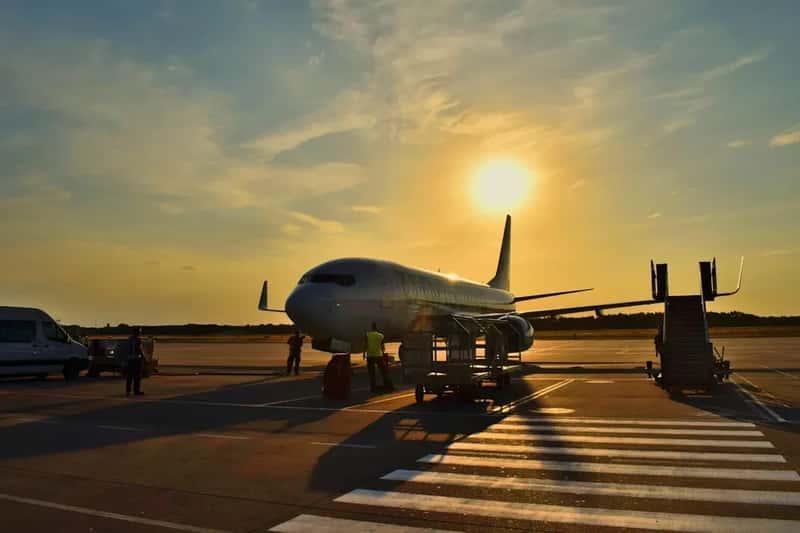
This mistake ends vacations before they begin. The logic seems fine – land at noon, board at four, what could go wrong? Everything. Flight delays, cancellations, missed connections, and lost luggage don’t negotiate with departure schedules. And the ship has zero interest in your airline’s mechanical issues. It leaves on time, every time, whether you’re standing on the pier or still circling in a holding pattern over Atlanta.
Missing your ship at the home port means booking last-minute flights to catch it at the next stop – at full price, on zero notice, in a foreign city. That scramble can easily cost $500 to $1,000 before you’ve unpacked a single bag. Fly in the day before and turn it into a bonus night in the departure city. A decent airport hotel and a good dinner beats watching your cruise ship shrink on the horizon.
Fast Facts
- Flight delays affect roughly 1 in 5 U.S. domestic flights – not a rare edge case.
- Ships depart on schedule regardless of passenger circumstances; no airline delay exceptions.
- Catching the ship at its next port typically requires a same-day international flight booked at peak prices.
- A pre-departure night near the port costs far less than a missed-ship scramble flight abroad.
- Most cruise lines recommend arriving at the departure city at least one day early.
#11 – Buying the Drink Package Without Doing the Math

The drink package pitch is seductive: one flat rate, unlimited beverages, no thinking required. But the math almost never works the way passengers imagine it will. Most packages run $70 to $100 per person per day before gratuity. To break even, you need roughly five to seven premium drinks every single day of the sailing – including port days when you’re off the ship exploring for six hours.
That’s where the package quietly falls apart. Port days slash your onboard consumption, and many cruise lines cap usage at 15 drinks per day, so you can’t “make up” a slow day with a big sea day. If you’re someone who genuinely drinks heavily every day and stays aboard during ports, the package can pay off. For everyone else, the math usually doesn’t. Calculate your real daily average before you commit – then decide with actual numbers instead of vacation optimism.
Quick Compare
- Royal Caribbean Deluxe Package: $56–$120/person/day (plus 18% gratuity) – break-even is roughly 5–6 drinks daily
- MSC Premium Extra Package: $80–$100/person/day – 15-drink daily cap; budget-tier packages eliminated as of April 2025
- Carnival CHEERS!: ~$70+/person/day with 20% service charge – covers drinks up to $20 each
- Norwegian “More at Sea”: Costs roughly $210 extra in gratuities alone on a 7-night sailing
- Paying à la carte: Best for light drinkers or anyone spending 4+ hours off the ship on port days
#10 – Leaving Your Phone Off Airplane Mode at Sea

This one has produced phone bills that passengers describe with the kind of stunned disbelief usually reserved for car accidents. The moment your ship leaves the dock, your phone can connect to “Cellular at Sea” – a maritime network that is absolutely, completely separate from your domestic unlimited plan. Roaming charges through that network can run $10 or more per megabyte. Your “unlimited” plan covers you on land. It means nothing out on the water.
The brutal part: your phone doesn’t have to be actively used to rack up charges. Incoming calls rolling to voicemail, received texts, and background app refresh can all generate usage while the phone sits on your nightstand. The fix takes three seconds – Airplane Mode on, then Wi-Fi on through the ship’s network. That’s it. A passenger who skips that step and returns home to a four-figure phone bill is not an urban legend. It happens on nearly every sailing.
#9 – Skipping Travel Insurance Because “Nothing Will Go Wrong”

This is the optimism tax, and it is brutal. Most U.S. health insurance plans – including Medicare – provide little to no coverage outside the country. Medicare coverage effectively ends once you’re more than six hours out to sea. That means a heart attack, a fall on deck, or a serious illness puts you entirely on your own financially unless you have a dedicated travel policy in place before you board.
Medical evacuations from cruise ships are never cheap. According to Allianz Travel Insurance, medical evacuation costs can range from $15,000 to over $200,000 depending on distance and medical equipment required – and that’s just transport, not treatment. A solid third-party cruise insurance policy typically costs just a small fraction of the total trip price, and it covers medical care, evacuation, trip cancellation, and missed connections. Buy it early, before a named storm forms in the Gulf and makes hurricane coverage unavailable. The window closes faster than most people realize.
Worth Knowing
- Medicare provides no meaningful coverage more than 6 hours from a U.S. port.
- A helicopter medevac from a Caribbean cruise can run $50,000–$100,000 for transport alone.
- Air ambulance to home country from international waters: up to $200,000+.
- Most cruise lines do not cover emergency transportation costs – that falls entirely on the passenger.
- Travel insurance must typically be purchased before a named storm forms to include hurricane cancellation coverage.
#8 – Treating the Cruise Fare Like It’s All-Inclusive
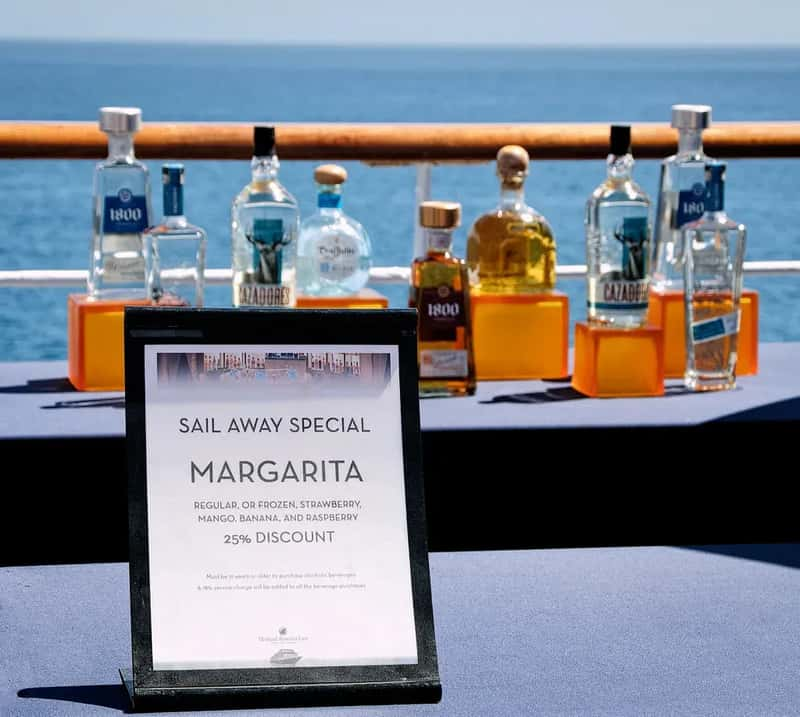
This is probably the most widespread and most expensive misconception in cruising. Passengers board expecting the fare to cover everything and watch their onboard account balloon day by day without fully understanding why. Drinks, specialty dining, Wi-Fi, shore excursions, and automatic daily gratuities are all charged separately – and they add up fast without anyone handing you a running total.
Daily gratuities on Royal Caribbean run $18.50 per person per day for standard staterooms, while Norwegian charges $20 per person per day for most cabins. On a 14-night sailing with two people, that’s over $500 in gratuities alone before you’ve ordered a single cocktail or stepped foot in a specialty restaurant. Budget for the real number, not the advertised fare. The cruise isn’t expensive by accident – the pricing model is specifically built to separate the base cost from the extras that most passengers consider essential.
#7 – Not Pre-Booking Entertainment and Specialty Dining

Modern megaships have Broadway-caliber shows, Michelin-trained chefs, thermal spa suites, and rooftop cinemas – and most first-time cruisers assume they can just show up and get a seat. They can’t. The best experiences on large ships sell out days or weeks before departure, and onboard waitlists move slowly when 5,000 other passengers had the same idea.
Many cruise lines open dining and entertainment reservations 60 to 90 days before sailing – the same window when pre-cruise pricing discounts are deepest. Miss that window and the tasting menu you wanted is fully booked, the spa is waitlist-only, and you’re planning your evenings around what’s left rather than what you actually wanted. Pull up the cruise planner the moment it opens and treat it like a dinner reservation at a popular restaurant. Because that’s exactly what it is.
At a Glance: What Sells Out First
- Broadway-style shows and headliner entertainment (free, but capacity-limited)
- Specialty restaurant tasting menus and chef’s tables
- Thermal spa suites and couples’ spa packages
- Escape rooms, virtual reality experiences, and behind-the-scenes tours
- Pre-cruise drink package discounts – often 20–50% less than onboard pricing
#6 – Eating Every Meal at the Buffet

The buffet is right there, it’s free, it’s always open, and it has everything. It’s also a wall-to-wall crowd during peak hours on a megaship, with lines that stretch past the soft-serve machine and into the pool deck. Plenty of passengers spend an entire 7-night sailing eating at the same chaotic buffet every morning and afternoon without realizing the ship has four other complimentary venues that are quieter, better plated, and equally included in the fare.
Main dining rooms, casual bistros, poolside grills, and café-style spots exist on nearly every large ship – and most passengers walk past them without a second look because the buffet is familiar. On day one, download the ship’s app or grab a deck map and actually locate every complimentary dining option. The food is already paid for. There’s no reason to fight for a seat next to the sneeze guard when a sit-down alternative is 50 feet away with open tables.
#5 – Booking Every Excursion Through the Cruise Line

Cruise line excursions come with one genuinely valuable benefit: if your tour runs late, the ship will wait for you. That peace of mind is real, and for complex or remote itineraries, the premium can be worth it. But for most popular port-day activities – snorkeling, city tours, beach clubs, zip lines – the exact same experience is available through local operators at dramatically lower prices.
Third-party shore excursion providers routinely offer savings of 25 to 40 percent compared to cruise line pricing for comparable tours – and sometimes close to 50 percent less for the identical trip. Research the port before you board, read recent reviews on travel forums, and decide which excursions genuinely need the ship’s safety net and which ones are fine on your own. The savings on a week-long sailing with multiple port days can easily cover a specialty dinner.
Why It Stands Out: Cruise Line vs. Third Party
- Cruise line: Ship waits if tour runs late – genuine peace of mind for remote ports
- Third party: Typically 25–40% cheaper for the same activity; sometimes up to 50% less
- Third party: Smaller group sizes common – vs. 30–60 passengers on a cruise line bus tour
- Cruise line: Better cancellation policy if the ship can’t dock due to weather
- Best strategy: Book independently for simple beach or city stops; use the cruise line for remote or logistics-heavy destinations
#4 – Cutting the All-Aboard Time Too Close

Every sailing has them: the pier runners. Passengers sprinting down the dock, bags swinging, ship horn already sounded, crew watching from the railing with the specific expression of people who have seen this exact scene a hundred times before. The all-aboard time is not a guideline or a general suggestion. The ship leaves. It has always left. It will leave again.
Being left behind in a foreign port isn’t just humiliating – it means booking last-minute international flights to catch the ship at its next stop, overnight hotels, and a vacation that is functionally over. Traffic jams, cab shortages, and tours that run long are all routine and completely indifferent to your schedule. The rule that experienced cruisers swear by: be back at the ship at least 60 to 90 minutes before the posted all-aboard time. Never trust a tight turnaround. The port will still be there next time.
#3 – Traveling Without a Valid Passport Book
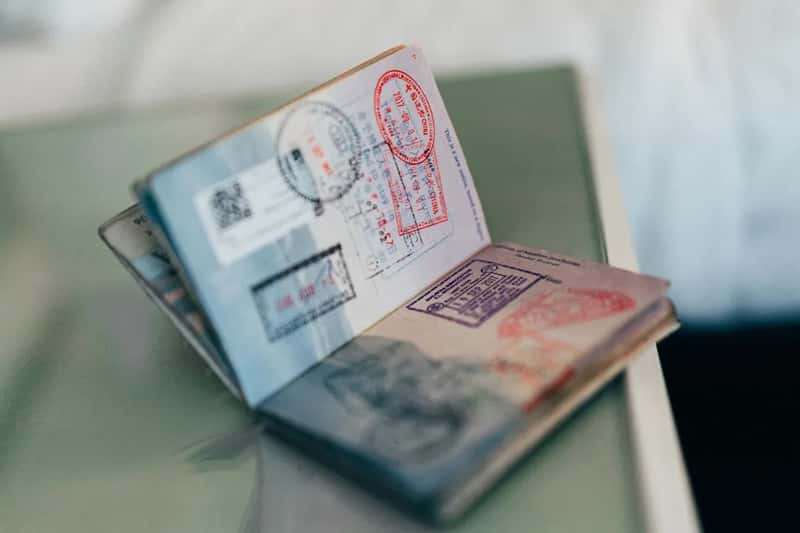
A passport card looks almost identical to a passport book, and it works fine at land border crossings. It is useless if you miss your ship in a foreign port and need to fly home. Only the full passport book is accepted for international air travel. Passengers who don’t know this distinction learn it in the worst possible setting – standing in a foreign airport with no options and a flight they cannot board.
Even a technically valid passport book creates problems if it’s expiring soon. Many countries require at least three to six months of validity remaining at the time of entry – meaning a passport that expires in four months might get you rejected at the gangway in a Caribbean port. Standard U.S. passport renewal takes four to six weeks; expedited service runs two to three weeks and costs an extra $60. Check the expiration date on your passport right now, before you book anything. It’s the kind of detail that feels minor until it isn’t.
#2 – Ignoring the Onboard Account Until Checkout Morning
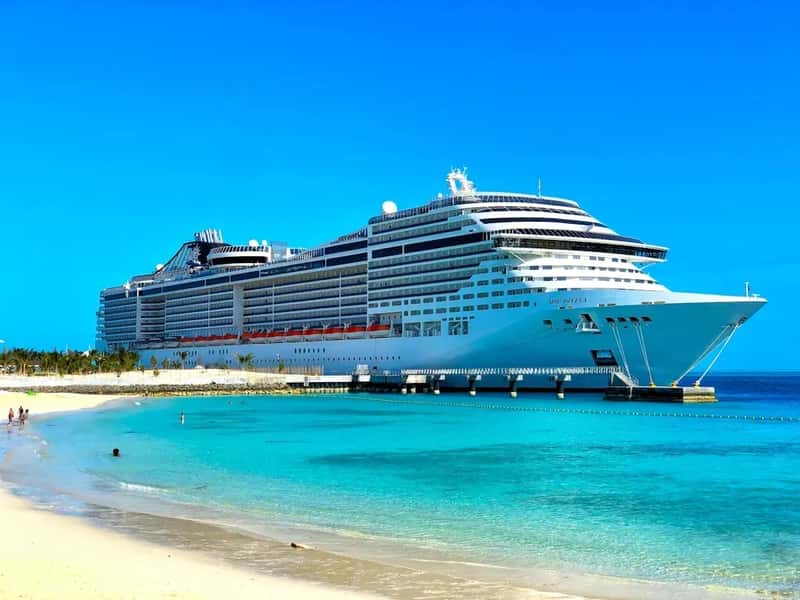
Cruise ships have perfected the art of frictionless spending. Your cabin card taps against a reader, a receipt prints, and somehow it doesn’t feel like money changing hands. That’s the point. Drinks, spa treatments, specialty coffees, Wi-Fi upgrades, and gift shop impulse buys accumulate invisibly while you’re having a great time – and the full picture doesn’t arrive until a paper invoice slides under your cabin door at 2 a.m. on the final night.
The shock is real and it happens to experienced cruisers too. Daily gratuities, specialty dining surcharges, premium beverage upgrades, and port-day excursion charges can quietly push a “budget” cruise into a $3,000-plus trip for two before anyone noticed the drift. Most cruise line apps let you check your running balance in real time. Check it every single day – not the morning you disembark when there’s nothing left to do about it. Awareness is the only tool that actually works here.
“The surprise isn’t that people get sick on cruises – it’s how fast a simple visit can turn into a four-figure bill once you add tests, meds, and after-hours care.”
Terry Boynton, co-founder and president of Yonder Travel Insurance
#1 – Assuming Your Travel Credit Card’s Coverage Is Enough
This is the most dangerous myth in all of cruising, and it costs passengers dearly every year. Premium travel credit cards advertise “travel protection” prominently, and millions of cardholders read that phrase and assume they’re covered for a cruise the way they’d be covered for a canceled flight. They are not. Nearly every credit card travel benefit lacks meaningful medical coverage – which is precisely the most critical protection when you’re at sea, far from any hospital, or facing an emergency evacuation.
A credit card might reimburse a canceled trip under limited conditions. It almost certainly will not cover a medical evacuation – costs for which run from $15,000 for a ship-to-shore transfer all the way to $200,000 or more for an air ambulance from international waters – emergency surgery in a foreign hospital, or the cost of flying home after a serious illness. A comprehensive third-party cruise insurance policy covers all of it – medical care, evacuation, trip cancellation for a wide range of reasons, and optional Cancel for Any Reason flexibility. It’s not glamorous, it doesn’t photograph well, and nobody posts it on Instagram. It’s also the single smartest purchase in the entire cruise-planning process.
Fast Facts: Credit Card “Coverage” vs. Real Cruise Insurance
- Credit card trip protection: Typically covers trip cancellation or interruption under narrow conditions – not medical emergencies at sea
- Credit card medical benefit: Usually $0 – most cards carry no emergency medical or evacuation coverage
- Ship-to-shore medevac: $5,000–$20,000; international helicopter airlift: $40,000–$100,000+
- Recommended evacuation coverage: At least $150,000 per person for international cruise travel
- Cruise line insurance: Often caps evacuation benefits below $50,000 – far short of real-world costs
- Third-party travel insurance: Covers medical, evacuation, cancellation, and optional Cancel for Any Reason – typically a small fraction of trip cost
Almost every mistake on this list shares the same root: something that seemed fine in the planning phase turning into a real consequence once the ship leaves port. The fixes are almost always cheaper, faster, and easier than the mistake itself – a little research, a few pre-trip bookings, and one three-second swipe into Airplane Mode. Cruise smart and the only surprise you’ll come home with is how good the whole thing actually was. Drop your own cruise horror story in the comments. You are absolutely not alone.