You picked the city, found a casita with a pool, and the deposit has cleared. Most snowbirds think the hard part is over right there. It isn’t. The real surprises show up afterward, in the lease, the pricing calendar, the pharmacy network and the fine print on “all fees included.”
Some of these surprises cost hundreds of dollars. One can put your health coverage at risk. And the sneakiest one has nothing to do with the house at all. We’ll count down from the sticker shock to the thing you should check before you sign anything.
#13 – The Price Range Is Wild, and Location Is Only Half the Story
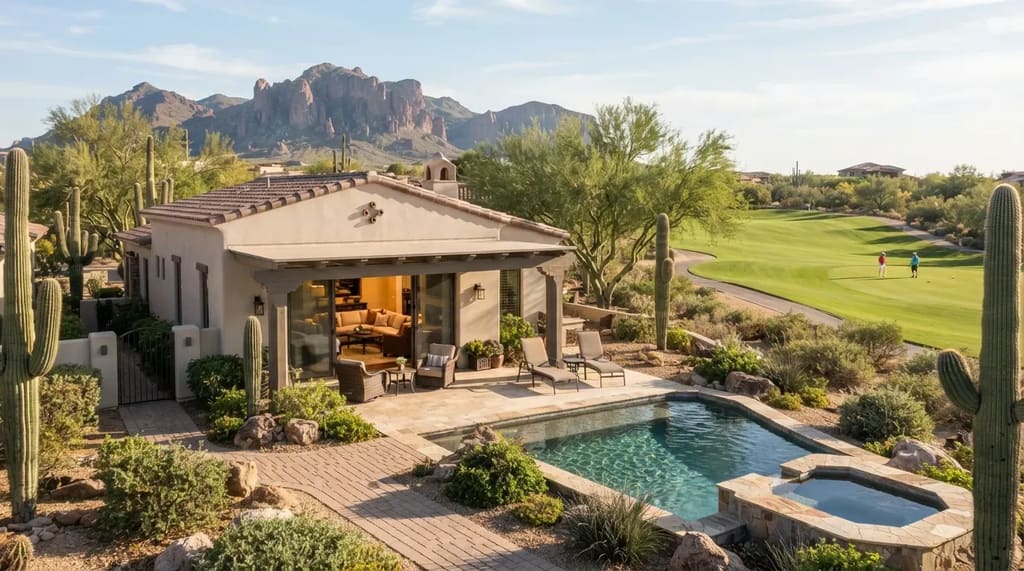
Ask ten snowbirds what they pay and you’ll get ten different answers. Monthly rates in the Phoenix and Scottsdale market typically run from $1,500 to $5,000, depending on location and amenities. That’s a $3,500 swing for the same months on the calendar. Another Arizona housing guide puts typical monthly snowbird rentals at $1,800 to $4,500.
So what drives the spread? Properties near healthcare facilities, golf courses and outdoor recreation see the highest demand. A casita ten minutes from a hospital and a fairway can cost far more than a similar one across town. Check what you’re actually paying for before you fall for the pool photos.
At a Glance
- Phoenix and Scottsdale monthly rentals: about $1,500 to $5,000
- Another Arizona guide: about $1,800 to $4,500 a month
- Priciest pockets: near hospitals, golf courses and outdoor recreation
- Biggest price lever after location: amenities like pools
But the calendar can move the price even more than the zip code.
#12 – One RV Resort Charges About 23% More in January Than in October
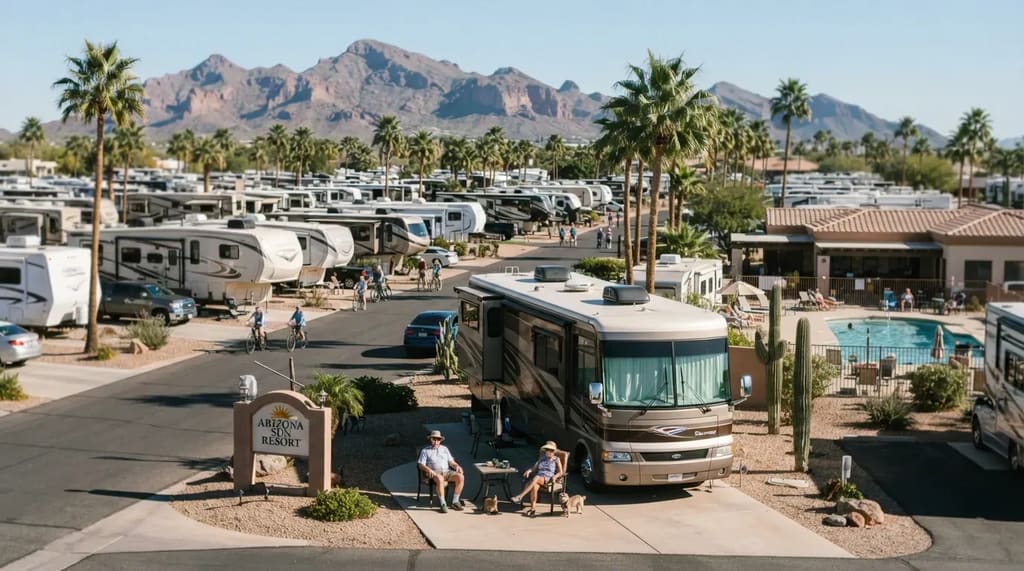
Peak season has a hard edge. For Phoenix and Scottsdale rentals it runs November through March, and Phoenix gets an extra boost from spring training in March.
One Phoenix-area resort park shows how sharp the jump can be. It listed $1,180 a month for October to December and $1,450 a month for January to March. That’s roughly 23% more for the heart of winter than for the fall months. The same park offered $4,850 for the whole November-to-March stretch, so booking the full season saved money on that rate sheet.
Still, the price on a vacation-rental site can look nothing like these numbers.
#11 – Listing Sites Can Show Totals That Dwarf Typical Monthly Rents
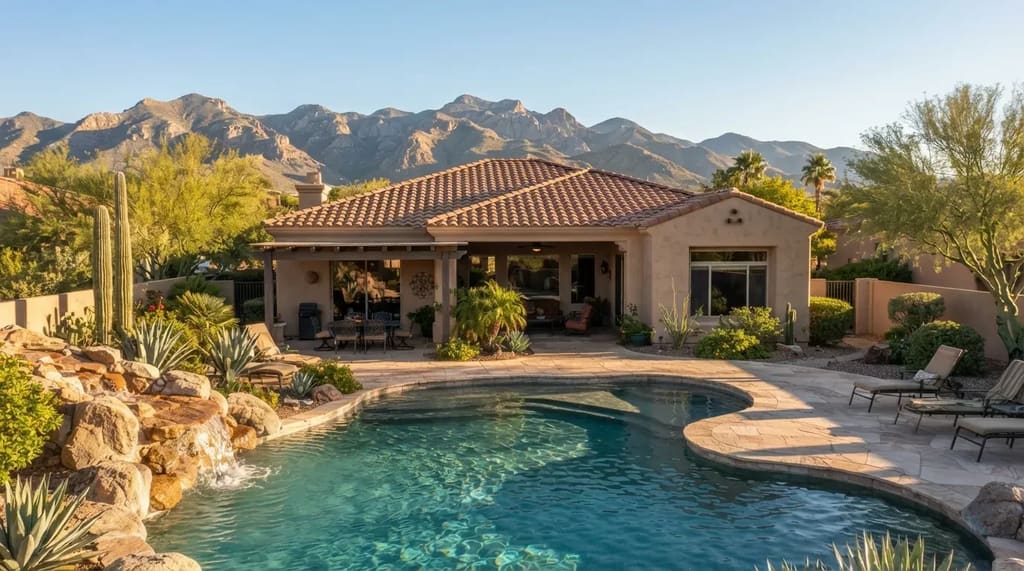
Scroll a big vacation-rental site and the math gets strange fast. One East Tucson house with a pool showed $238 a night, or $6,668 for 28 nights, with all fees included. An Oro Valley home listed $8,779 for 28 nights. Meanwhile, the market guide above puts typical monthly snowbird rentals far lower.
Those are different kinds of homes, so the gap isn’t a scam. It does show why the platform price is only a starting point. For a stay of three months or more, a direct monthly quote usually deserves a look, though some snowbirds will argue the point. Compare current listings for 30 days or more, because furnished winter properties are priced differently.
Quick Compare
- East Tucson pool house: $238 a night, $6,668 for 28 nights, fees included
- Oro Valley home: $8,779 for 28 nights
- Typical Phoenix and Scottsdale monthly snowbird rent: $1,500 to $5,000
Whichever price you pick, the length of your stay changes your legal protection, and the cutoff is shorter than you’d think.
#10 – Stay Under 30 Days and the Deposit Rules Change
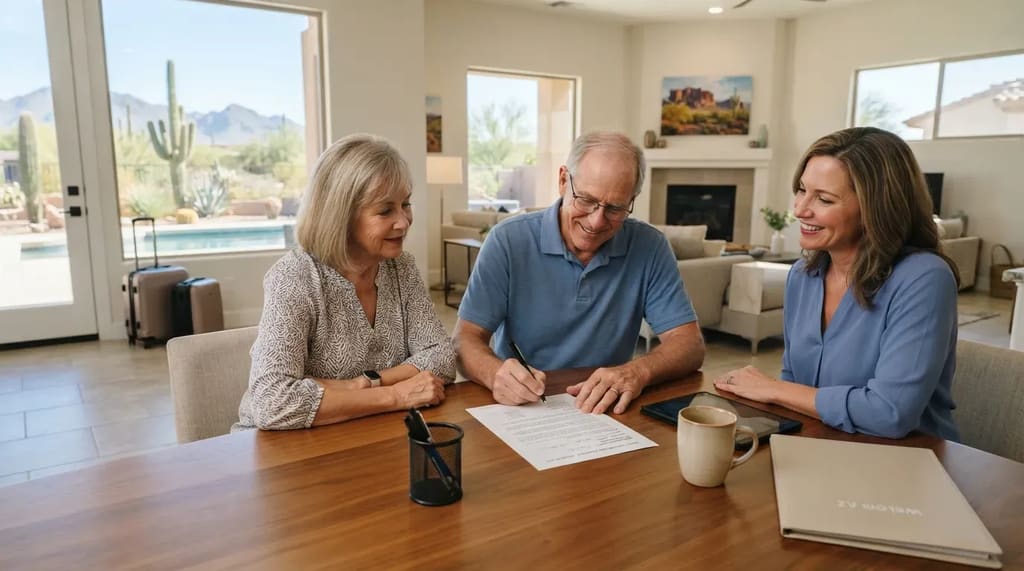
Many snowbirds assume the same protections apply to every rental. They don’t. Arizona short-term rentals, meaning stays under 30 days, follow different security deposit rules. A four-week winter booking and a five-month lease are not treated the same way.
That matters when you book in chunks, like December in one place and February in another. Each booking may come with its own terms and its own refund rules. Read every agreement as its own document.
Once you’re past that line, the next rule gets interesting, because the state caps how much a landlord can hold.
#9 – Arizona Caps the Deposit, and a Pet Fee Doesn’t Get Around It

Here’s a protection a lot of renters never use. Arizona law bars a landlord from demanding or receiving security, including prepaid rent, of more than one and a half months’ rent.1 If you pay $2,000 a month, the most you can be asked to put down is $3,000. That cap covers pet, cleaning and security deposits combined.
Watch the “non-refundable” label. Arizona law requires written disclosure of nonrefundable fees, and if they aren’t properly disclosed, they’re treated as refundable. Sources disagree on how far that exception stretches, so ask for every fee in writing. If a landlord holds your money, the deadline to return a deposit is 14 days, not counting weekends and holidays, after you hand back possession and ask for it.2
The deposit is only one piece of the money picture, and rent itself has fewer guardrails than you’d expect.
#8 – There’s No Rent Control, and Month-to-Month Can Change in 30 Days
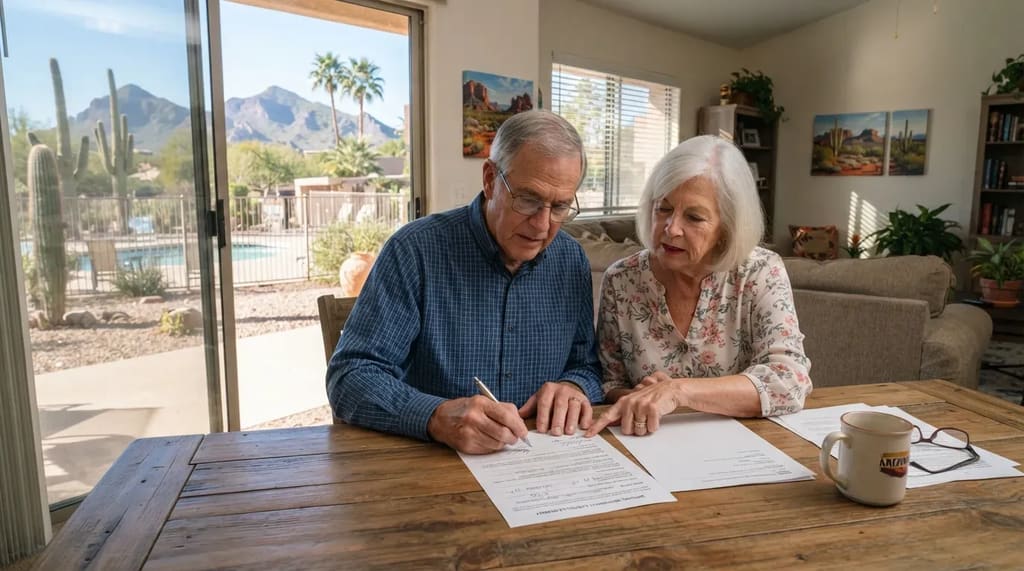
Arizona is not a rent-control state. There are no rent caps, and local rent control is preempted by state law.1 That’s why a rate you were quoted in October isn’t automatically safe in January on a flexible deal.
For month-to-month tenancies, landlords must give 30 days’ written notice before raising rent, but there’s no legal limit on how much it can rise. The same notice period works for you, since either side can end a month-to-month agreement with 30 days’ written notice. A fixed-term lease for the whole season avoids both surprises.
Fast Facts
- No statewide rent cap, and local rent control is preempted
- Month-to-month rent hikes require 30 days’ written notice
- There’s no legal limit on the size of the increase
- Either side can end a month-to-month deal with 30 days’ written notice
- A fixed-term seasonal lease locks in the rate
Not every winter home has walls, though, and one cheaper option has a catch most people miss.
#7 – A $180 Desert Permit Covers a Whole Season, With One Big Catch
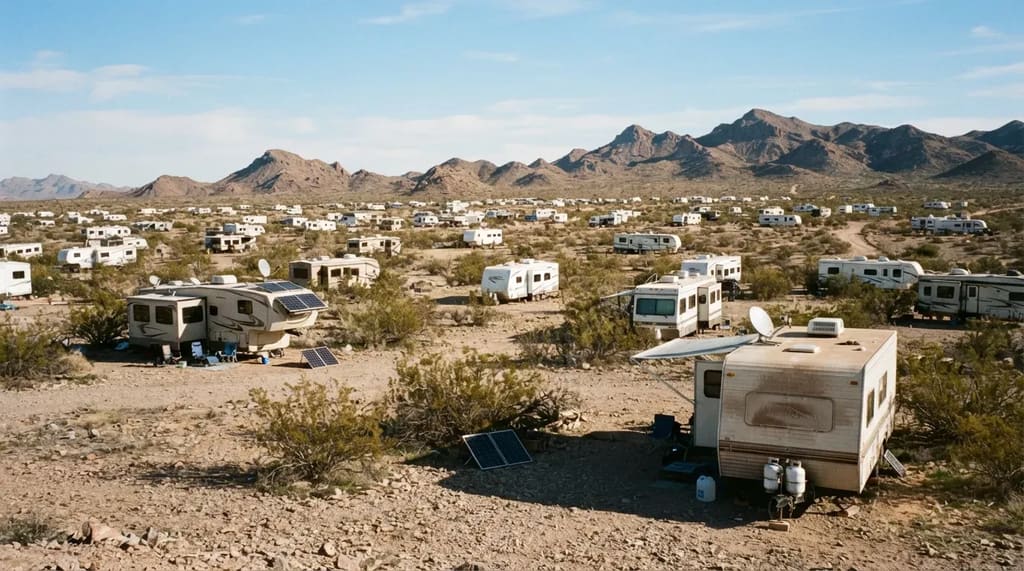
Some snowbirds skip rentals altogether. In the Quartzsite area, a single $180 permit covers continuous stays at any local Long-Term Visitor Area from September 15 through April 15.3 That’s roughly $0.86 a night, and it explains why so many RVers winter in the Arizona desert on the cheap.
The catch is simple: no hookups. You’ll need your own solar, your own water runs and your own patience. A resort site with a pool and pickleball, by contrast, runs about $450 to $600 or more a month.
Wherever you land, the pharmacy question comes next, and it trips up more people than the lease does.
#6 – Your Usual Pharmacy May Not Exist Where You’re Going

Daily medications are the quiet snowbird headache. Part D and Medicare Advantage drug plans typically use pharmacy networks, and preferred pharmacies can mean lower out-of-pocket costs. A chain that’s on every corner in Ohio may be hard to find in the Valley.
One planner’s advice is to make sure your Part D plan’s preferred pharmacies exist in both places. The same source notes that mail-order prescriptions often give snowbirds the most reliable solution. Fixing this in October is easy. Fixing it at a pharmacy counter in January is not.
Medications aren’t the only thing hiding in the fine print, so look at your lease next.
#5 – The Lease Is Where the Real Costs Hide
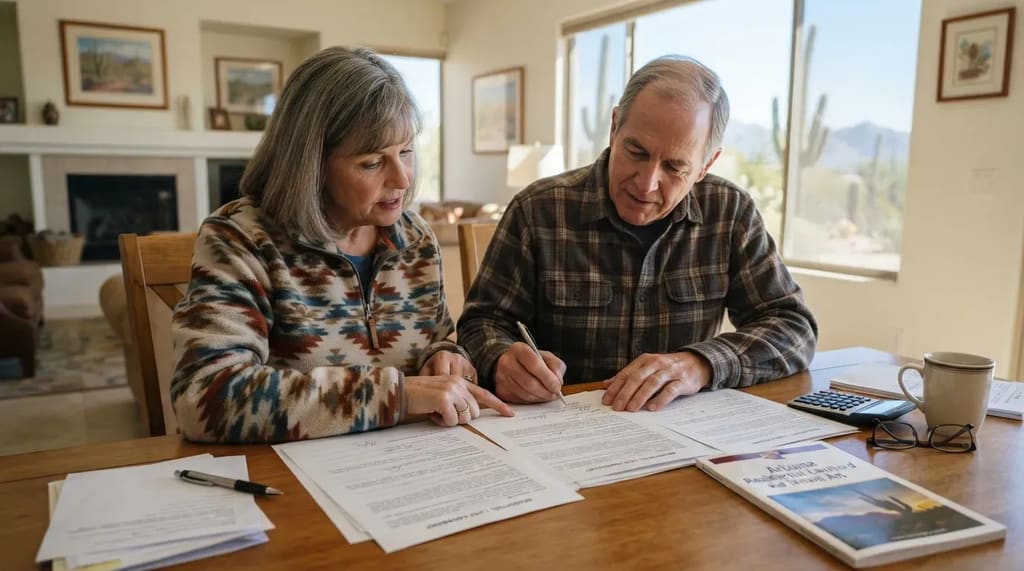
The Arizona Attorney General’s office has a short checklist, and most snowbirds skip half of it. Make sure all fees and costs are in the lease, and never sign an agreement with blank spaces. Get a copy of the signed lease.4 Those aren’t tips for the careless. They’re the basics.
Ask about utilities in particular. At one Phoenix-area resort, electric goes in your name for stays of a month or more. Ask about entry rules too. Landlords must give 48 hours’ notice before entering a rental during the tenancy, which helps if a maintenance visit shows up unannounced.
Next up is the one that makes people rethink their packing list.
#4 – “Warm” in January Means About 68°F, and the Evenings Cool Fast
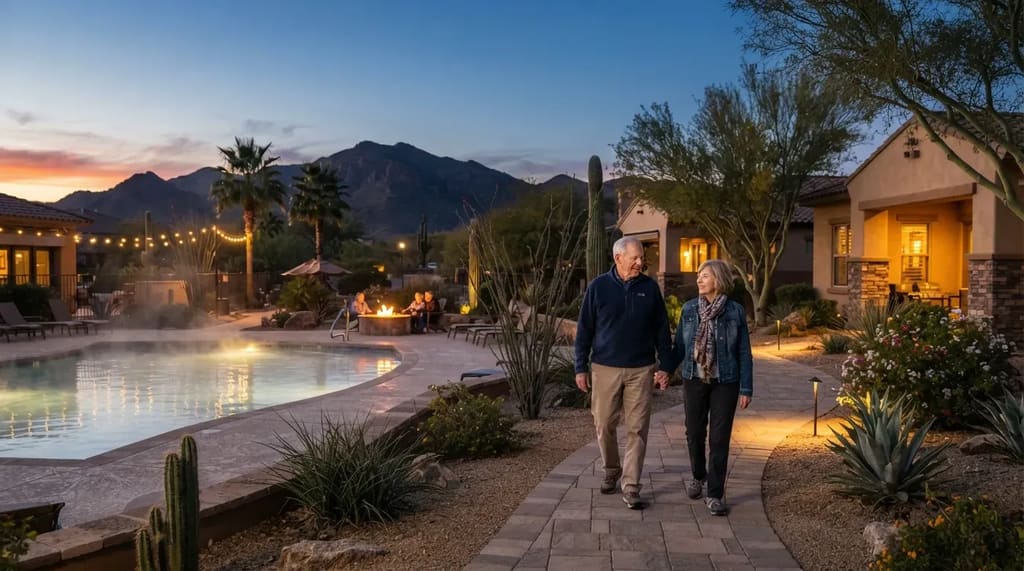
Arizona in winter is sunny, but it isn’t a swimsuit climate all day. For Phoenix, days are sunny and dry, often around 68°F, and evenings cool off fast enough that you’ll want a jacket for a walk after dinner. Mesa gets the same January highs. Tucson and the higher desert can run cooler, so check the local forecast for your area.
That changes what you should ask about a rental. A heated pool matters far more in January than in July, and so does a fireplace. Ask whether the pool heater costs extra and whether it keeps up on a 40-something-degree night.
Warm weather also brings out scammers, and this one is a classic.
#3 – Fake Listings Copy Real Ones, and Remote Renters Are Easy Targets
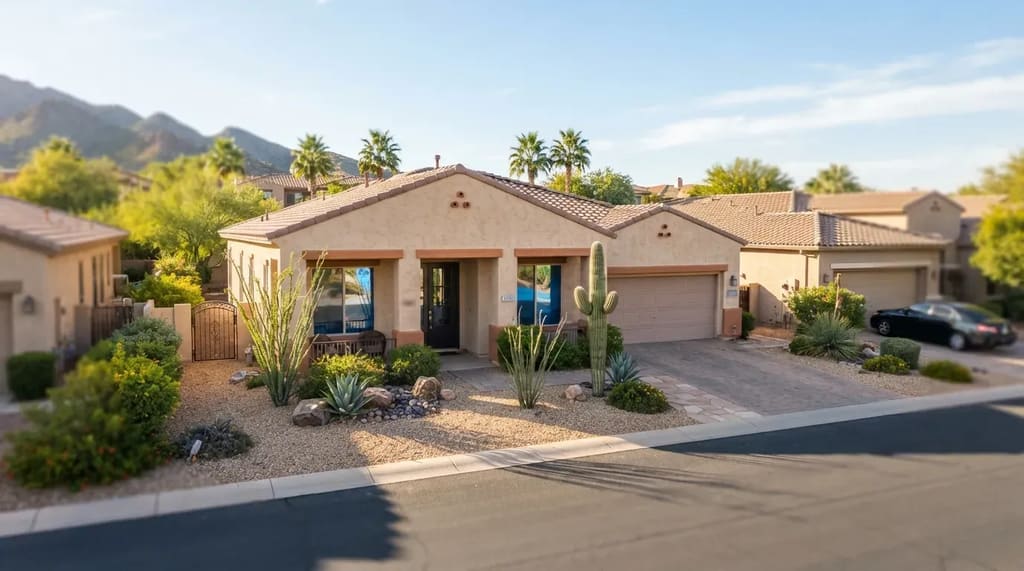
Snowbirds often rent from a thousand miles away. That’s exactly what scammers count on. The Arizona Attorney General warns that scam artists post fake listings or copy legitimate ones, tricking people into paying before they see the property.4 Some also want your personal and banking information to steal your identity.
Related Stories From Travelbinger

The red flags are specific. Officials say to be skeptical of prices well below what comparable properties charge, and to check the address and drive by to confirm it exists. Upfront fees and payments sent overseas are other warning signs.5 If you can’t be there, ask for a live video walk-through and confirm the owner through county records.
Scams can drain your wallet. The next risk targets your lungs, and most winter visitors have never heard of it.
#2 – A Desert Illness Many Winter Visitors Have Never Heard Of
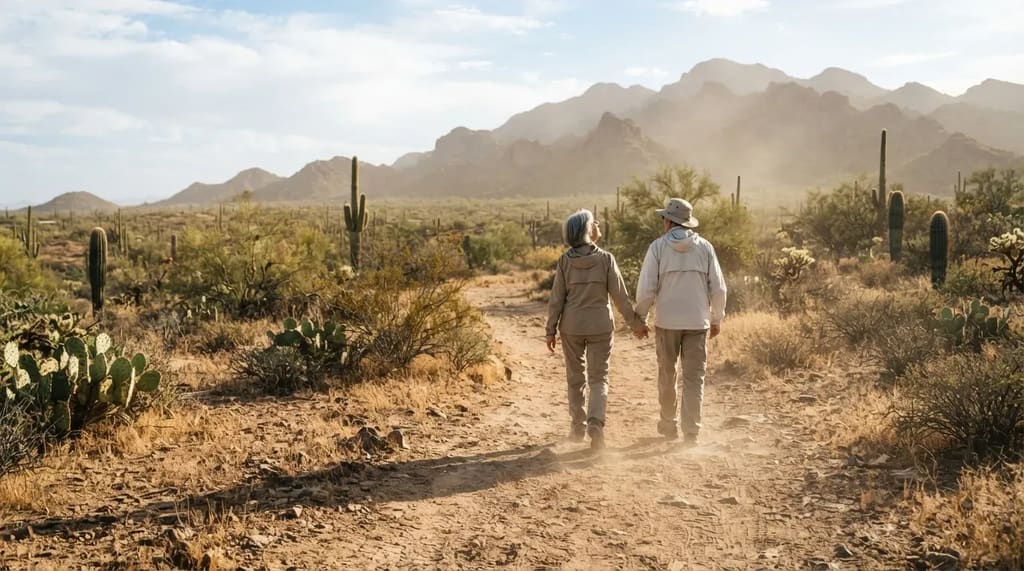
Meet Valley Fever. It comes from a fungus in desert soil, and anyone who breathes in the spores can get it.6 Plenty of people never notice it. For others, the symptoms are real: cough, fever, chest discomfort and deep fatigue.
Here’s the part that surprises snowbirds. If a cough, fever or deep fatigue lasts more than a week or two, tell your provider you’ve been in Arizona, even after you’re back home. A doctor in Michigan may never think to ask. Say the word “Arizona” out loud. This isn’t a reason to skip the desert, just a reason to speak up.
Worth Knowing
- The cause is a fungus that lives in desert soil
- You catch it by breathing in the spores, not from other people
- Symptoms can start one to three weeks after exposure, per the CDC7
- Lingering cough, fever or fatigue after a trip is your cue to mention Arizona
But the biggest hidden risk isn’t an illness. It’s a coverage rule, and it’s the last one on the list.
#1 – Your Medicare Advantage Plan May Have a Clock Running

This is the one that can hurt most. A recent report describes a retiree whose planned seven-month Arizona winter ran into a rule she didn’t know existed. It warns that without a qualifying traveler benefit, seven consecutive months in Arizona can cost a person the coverage she kept up north.8 Many Medicare Advantage plans are tied to a local service area and network, even though Medicare itself doesn’t pause at a state line.
Original Medicare is different. It works with any Medicare-accepting provider anywhere in the United States, with no service area to check.8 That’s one reason many Arizona seniors with a snowbird lifestyle choose Original Medicare with a Medigap supplement. Your plan’s yearly paperwork spells it out: the Evidence of Coverage states whether a visitor or traveler benefit exists and where it applies.
Renting in Arizona is easy until it isn’t. Rates swing from $1,500 to $5,000, January can cost about 23% more than October at one resort, and rent can rise on 30 days’ notice. The scariest items aren’t on the lease at all.
A sunny winter is worth planning for. Read the lease, verify the listing and call your insurer first, so the only surprise left is how fast the evenings cool off.
- PayRent Arizona Landlord-Tenant Guide: https://www.payrent.com/landlord-tenant-laws/state/arizona/arizona-landlord-tenant-laws
- Nolo Arizona Landlord-Tenant Laws: https://www.nolo.com/legal-encyclopedia/overview-landlord-tenant-laws-arizona.html
- RV Travel Quartzsite LTVAs: https://www.rvtravel.com/understanding-quartzsites-long-term-visitor-areas-pay-expect-1232/
- Arizona AG Rental Scams: https://www.azag.gov/press-release/attorney-general-mayes-warns-consumers-about-rental-scams
- KJZZ Arizona AG Scam Warning: https://www.kjzz.org/business/2025-05-19/watch-out-for-unusually-low-prices-check-rental-home-location-to-avoid-scams-arizona-ag-says
- CDC About Valley Fever: https://www.cdc.gov/valley-fever/about/index.html
- CDC Valley Fever Symptoms: https://www.cdc.gov/valley-fever/signs-symptoms/?CDC_AAref_Val=https%3A%2F%2Fwww.cdc.gov%2Ffungal%2Fdiseases%2Fcoccidioidomycosis%2Fsymptoms.html
- Medicare Advantage Snowbird Report: https://finance.yahoo.com/healthcare/articles/she-bought-482-000-arizona-160037451.html