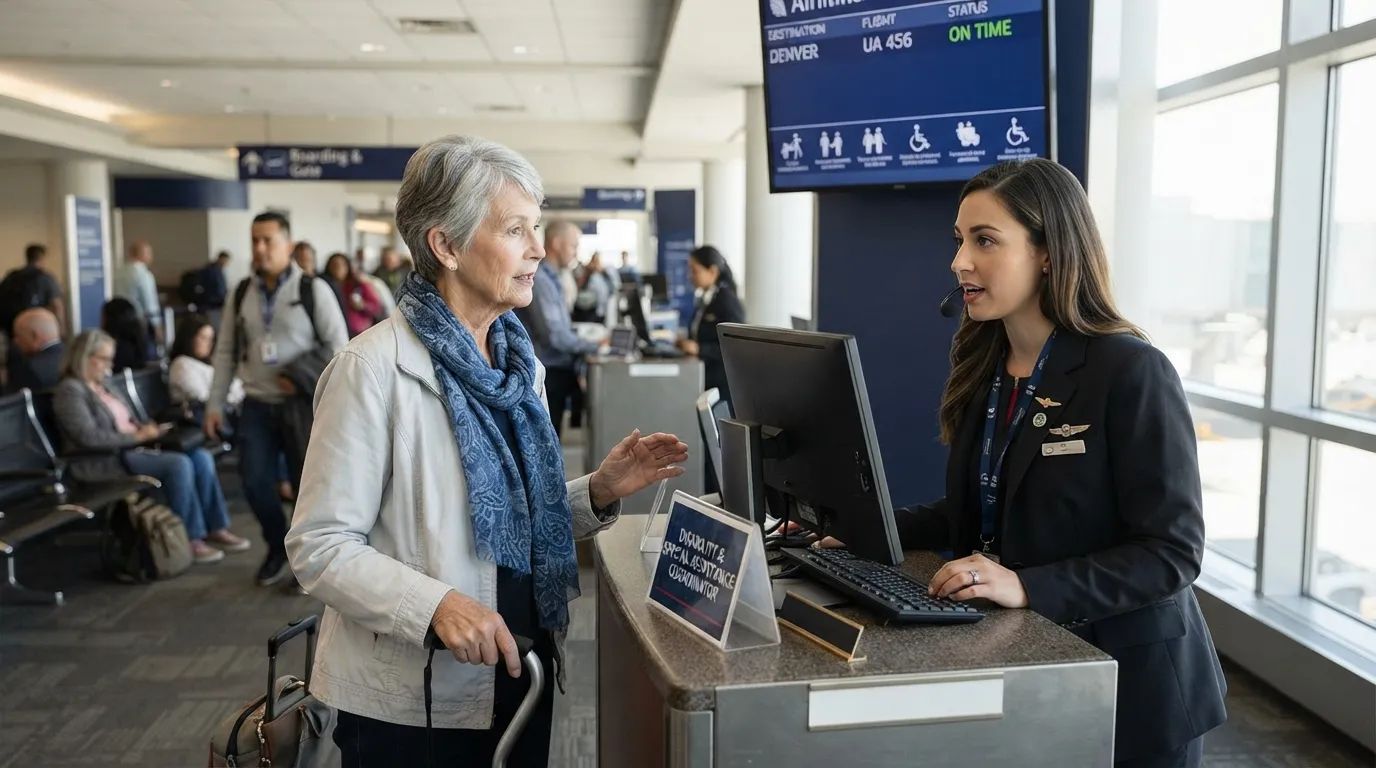
Most people assume airlines quietly look after solo travelers over 70 when a gate change shuffles the plane. They don’t, because the federal test for early boarding is need, not age.
We went through DOT rules, airline contract language and consumer reporting to sort the real fixes from the myths. The surprise isn’t what airlines skip, it’s the rights hiding in plain sight, and the strongest one is saved for last.
#14 – Your Age Is Not the Trigger
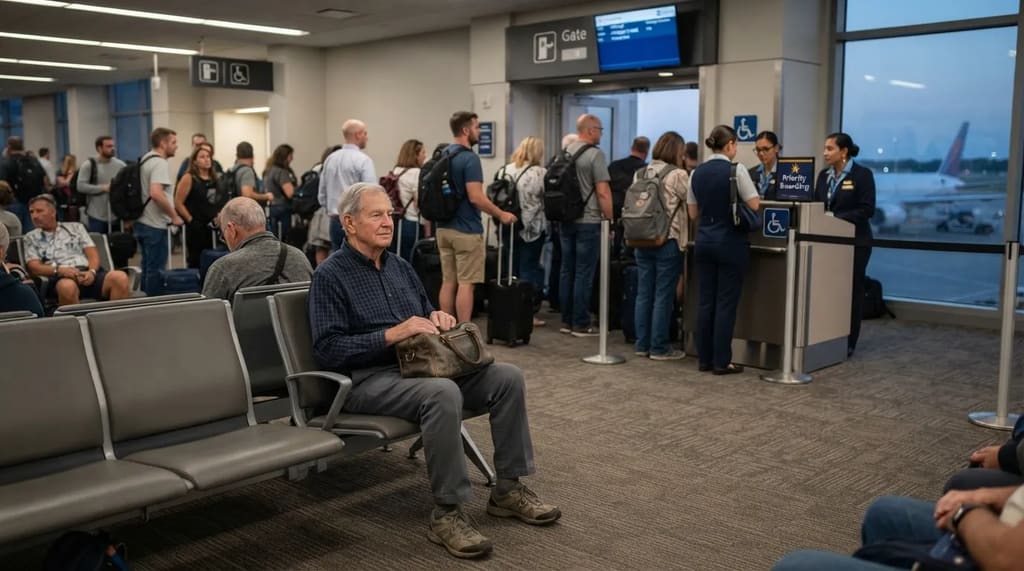
The first fix on this list is the one nearly everybody gets wrong: no seat-map fix starts at age 70.
One consumer guide notes that turning 65 doesn’t move you up the line, and neither does 75. Reporting on boarding teams says the early-boarding lane people imagine for older travelers isn’t an official lane.
Picture a 74-year-old flyer waiting politely at a crowded gate for an invitation that was never coming. The rules simply don’t work that way.
Federal rules do require airlines to let a passenger with a disability board first if they identify themselves at the gate as needing extra time or help.1 The trigger is what you need, not how old you are.
So every fix below runs on a stated need. A new gate number sometimes means a new plane and sometimes just a new door, and either way the airline won’t guess what you need.
But the real trouble starts when the plane itself changes, and that’s #13…
#13 – The Swap That Resets the Whole Cabin
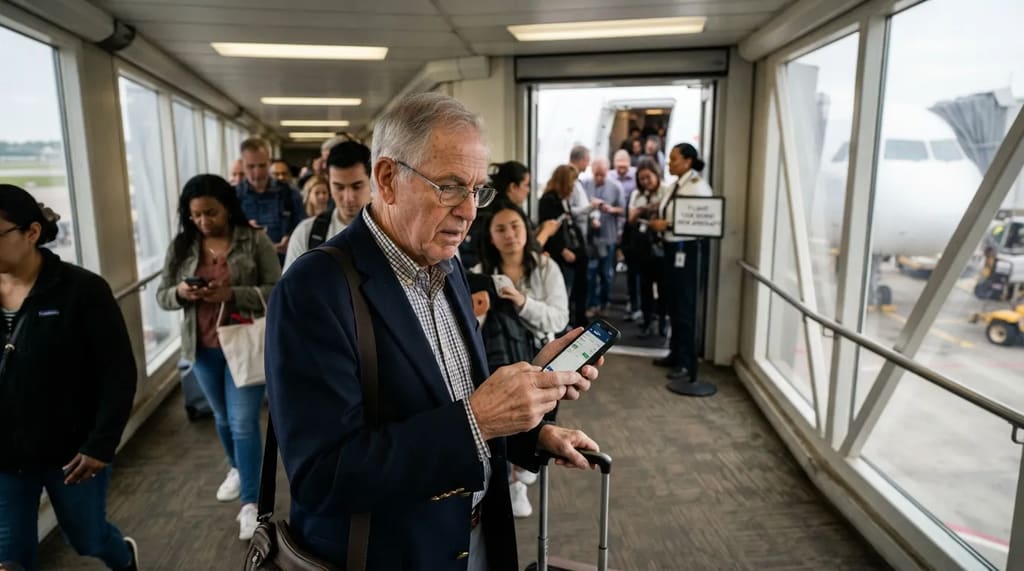
A new gate may be just a new door, but a new aircraft can wipe the seat map clean.
An aircraft swap can reset a flight’s entire seat map and reassign the cabin. Airlines change equipment for ordinary operational reasons, and the replacement plane rarely matches the original layout.
Airline systems reassign the affected passengers automatically. That automatic pass often leaves good seats temporarily unclaimed on the new map.
For a solo flyer, that cuts both ways. The system fills your row for you, and unless you’ve flagged a need, it has little reason to honor an old preference.
Think of it as a deck reshuffled while you wait in the jet bridge line. Your old seat is a card that may no longer be in the pack.
And your old seat number may not even exist on the new plane, which brings us to #12…
#12 – The Seat Number That Simply Vanishes
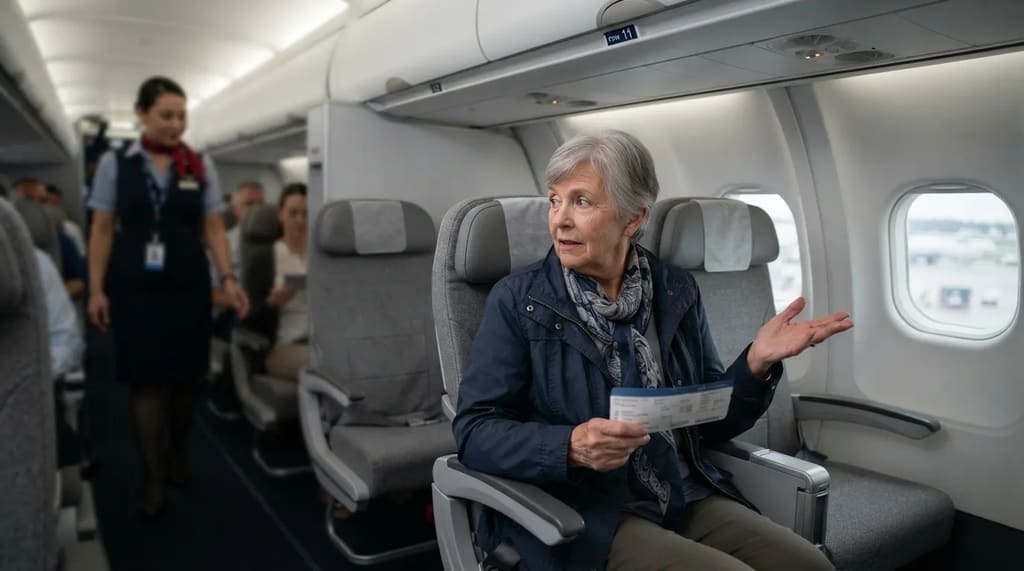
Your confirmation says 12A, and the replacement plane may not have a 12A.
One travel guide points out that a 737-800 and a 737-900 have different cabin layouts, so a seat on your confirmation can vanish on the replacement aircraft. That’s not a glitch, just how the cabins are built.
Delta’s terms say it may substitute aircraft and change seat assignments as its operations require, in its sole discretion.2 One review of the policy says the airline doesn’t even need a reason.
Airlines still prefer not to move people around, because it creates angry passengers. So they avoid it unless it’s necessary.
Fast Facts
- A different seat count on the map is a clear signal of a swap.
- The replacement aircraft rarely matches the original configuration.
- A 737-800 and a 737-900 have different cabin layouts.
- Delta’s terms allow aircraft substitution and seat changes at its discretion.
The contract language gets blunter at #11…
#11 – The Fine Print Says Your Seat Was Never Promised
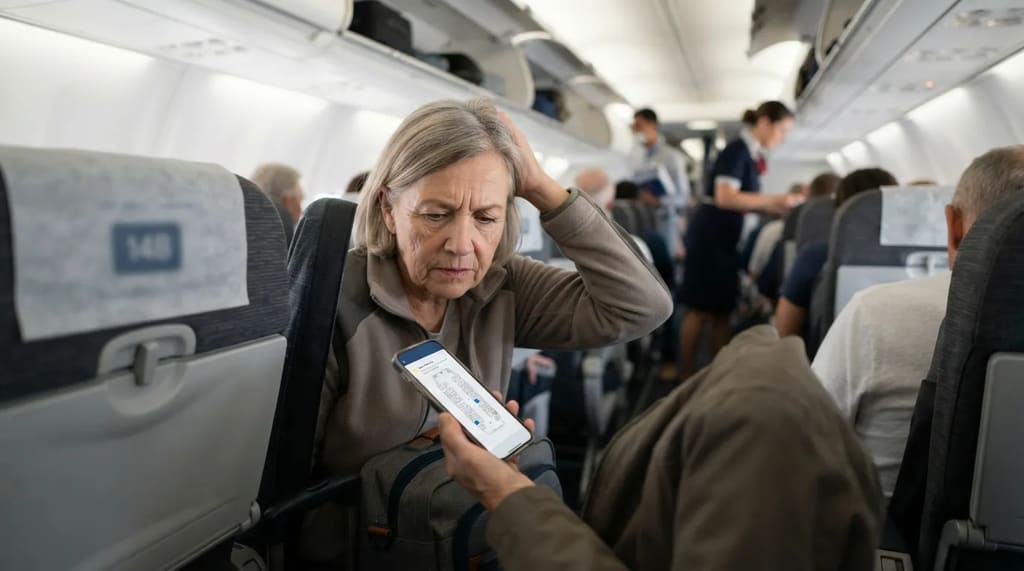
Here’s the uncomfortable truth: a seat assignment is a working plan, not a guarantee.
American says seat assignments are not guaranteed and may change for operational, safety or security reasons.3 Delta’s terms say it isn’t liable for changing seat assignments or aircraft types.2
One guide says United and Delta honor original assignments unless operational necessity forces a change. Neither explicitly guarantees a specific seat in its fine print.
Another analysis says even paid seat assignments are legally provisional, because carriers reserve the right to change them without notice during equipment swaps. Most people don’t realize that when they click “select.”
Whether you get money back depends on exactly what you bought, and that’s #10…
#10 – The Seat Fee You May Be Owed
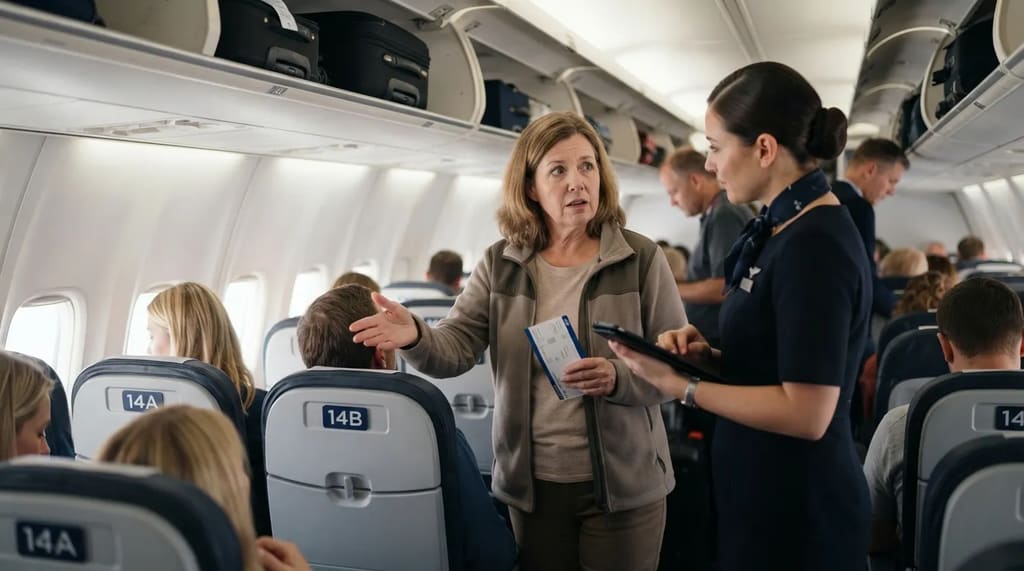
If you paid extra for a specific seat and lost it, you may be owed that money back.
DOT says consumers are entitled to a refund of ancillary fees when the service was unavailable through no fault of their own. One consumer reporter explains that a passenger on a basic ticket who pays a fee to select a seat may be entitled to a refund if the airline doesn’t provide it.
If seat selection came bundled into a higher fare, a move from window to middle generally earns no refund under federal rules. The reason is that the seat wasn’t bought as a separate fee, and you’re still in the same cabin.
One recent report says that under Delta and United Economy Plus rules, a passenger who pays for a seat category and gets moved into a standard seat is entitled to that fee back. Check your own airline’s wording before you count on it.
A bigger refund right kicks in when the whole cabin changes, and that’s #9…
#9 – The Downgrade Rule Most People Never Use
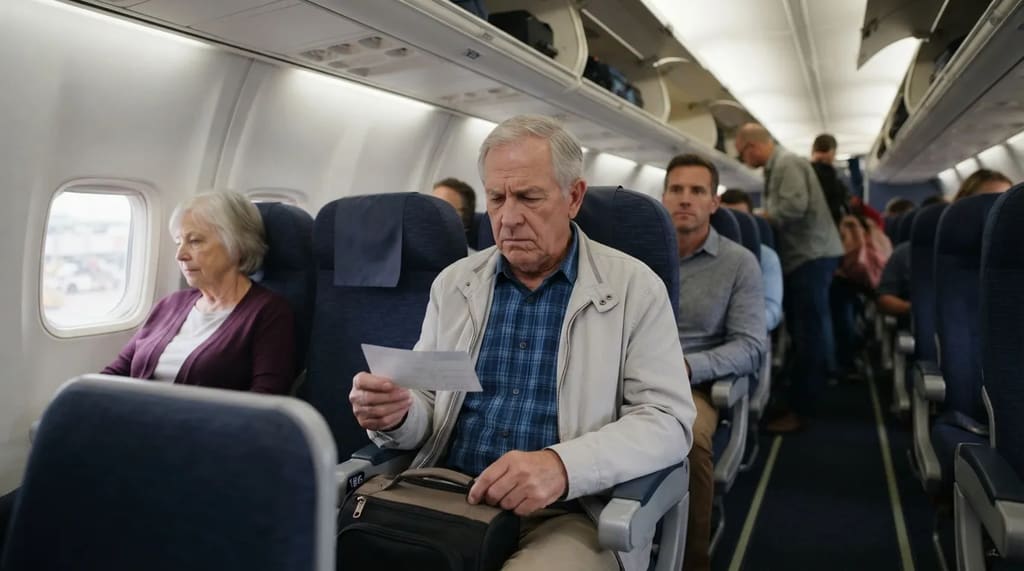
When the class of service changes, a federal refund rule applies.
DOT says a passenger involuntarily moved to a lower class of service is entitled to a refund if that leads them to decide not to travel.4 That’s the walk-away option.
If you keep flying, you don’t get the full fare back, but the airline must refund the difference between the original and downgraded fares. Most people never file for it.
One guide says that moving from an aisle to a middle seat in the same class is generally not a downgrade. That’s the gap most solo travelers fall into.
Quick Compare
- Different cabin: fare-difference refund.
- Same cabin, worse seat: usually only a separately paid seat fee.
- Seat fee bundled into your fare: generally nothing back for a window-to-middle move.
Sometimes a person, not a computer, makes the call, and that’s #8…
#8 – The Agent Rebuilding the Cabin by Hand
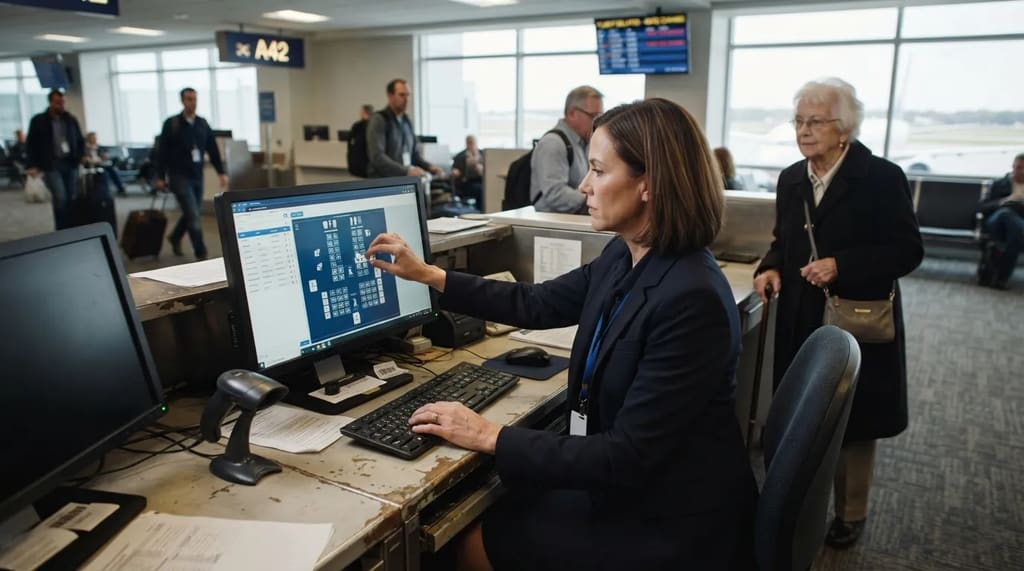
After a swap, a large share of passengers may be reseated by an actual human being.
One seat-hunting guide says agents reassign a large share of passengers by hand, and travelers standing nearby sometimes end up in a better seat as a byproduct. That’s not a promise, it’s an opening.
Cancellations, misconnects and aircraft changes free up seats all day, and carriers reassign them in a defined order rather than at random. So the shuffle has rules, even if passengers never see them.
We found no published version of that order. So what an agent can do for you often depends on what you tell them.
Stay where the agent can see you. State your need in one sentence, before the line forms.
But the airline you fly changes the rules of the game, as #7 shows…
#7 – Basic Fares and the Seat You Get Last
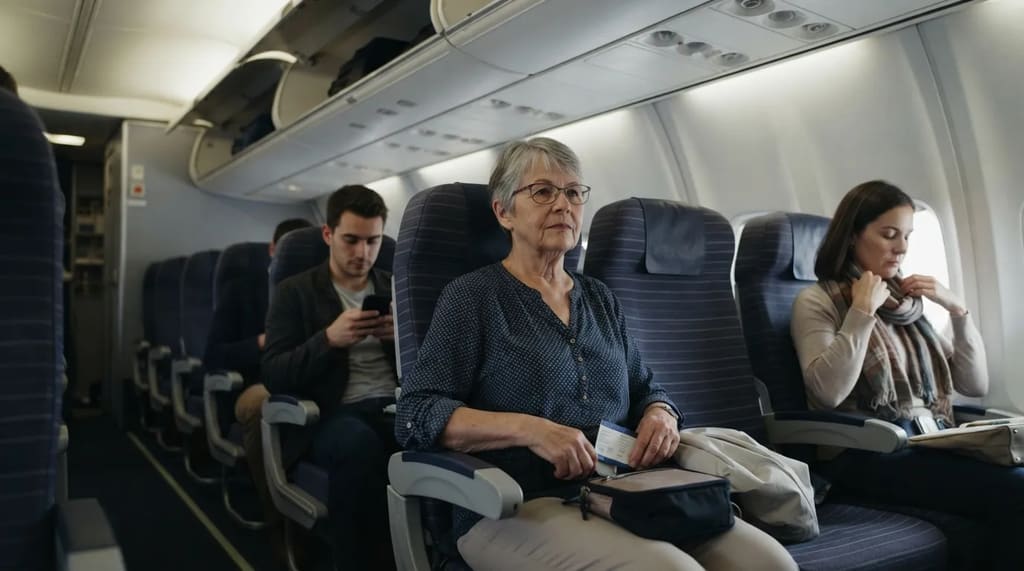
If you booked the cheapest fare, the airline may not pick your seat until the last minute.
Fee-disclosure wording reported by The Points Guy says a seat is included in your fare, and you aren’t required to buy a seat assignment. That sounds fair until a plane swap.
On many carriers, passengers without complimentary seat selection are assigned a seat at check-in or some point before boarding. After a swap, that can mean whatever is left.
One recent guide says Southwest began assigned seating in January 2026. It also says Southwest has no special boarding for seniors.
Even a seat you hold can be taken back, and #6 explains how…
#6 – Priority Seats Can Be Taken Back
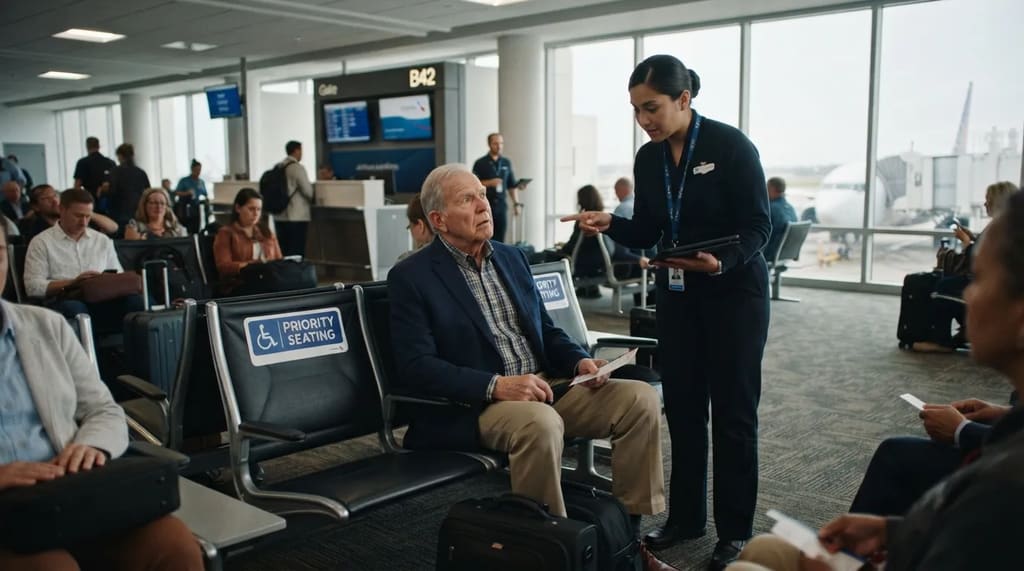
The aisle seat you’re sitting in might be a priority seat, and priority seats come with a catch.
Under Air Carrier Access Act rules, airlines may designate an adequate number of seats as priority seats for passengers with a disability.1 5 Not every airline does it the same way.
Everyone else assigned those seats must be told they can be reassigned if needed to provide a required seating accommodation.5 That means a gate-side reshuffle can legally cost you the seat.
Worth Knowing
- Priority seats are set aside for passengers with a disability.
- Anyone else assigned to one can be moved if an accommodation requires it.
- The rule ranks need, not age.
- Airlines don’t all designate these seats the same way.
This isn’t age discrimination, just the law ranking need. If you’re the one with the need, the same rule protects you.
That rule works only if someone hears you ask, and #5 is where most people slip…
#5 – Preboarding Only Happens If You Say the Word
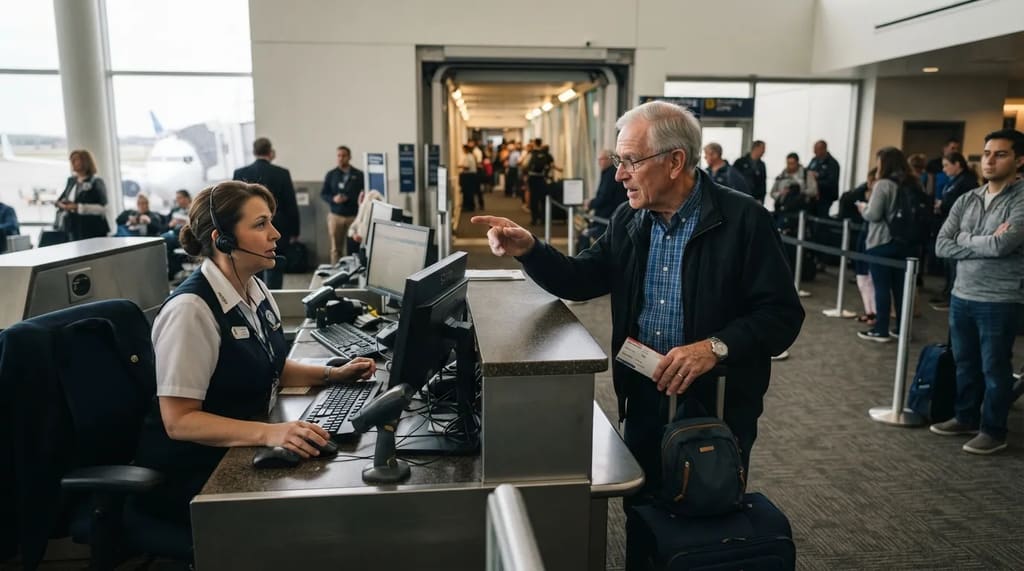
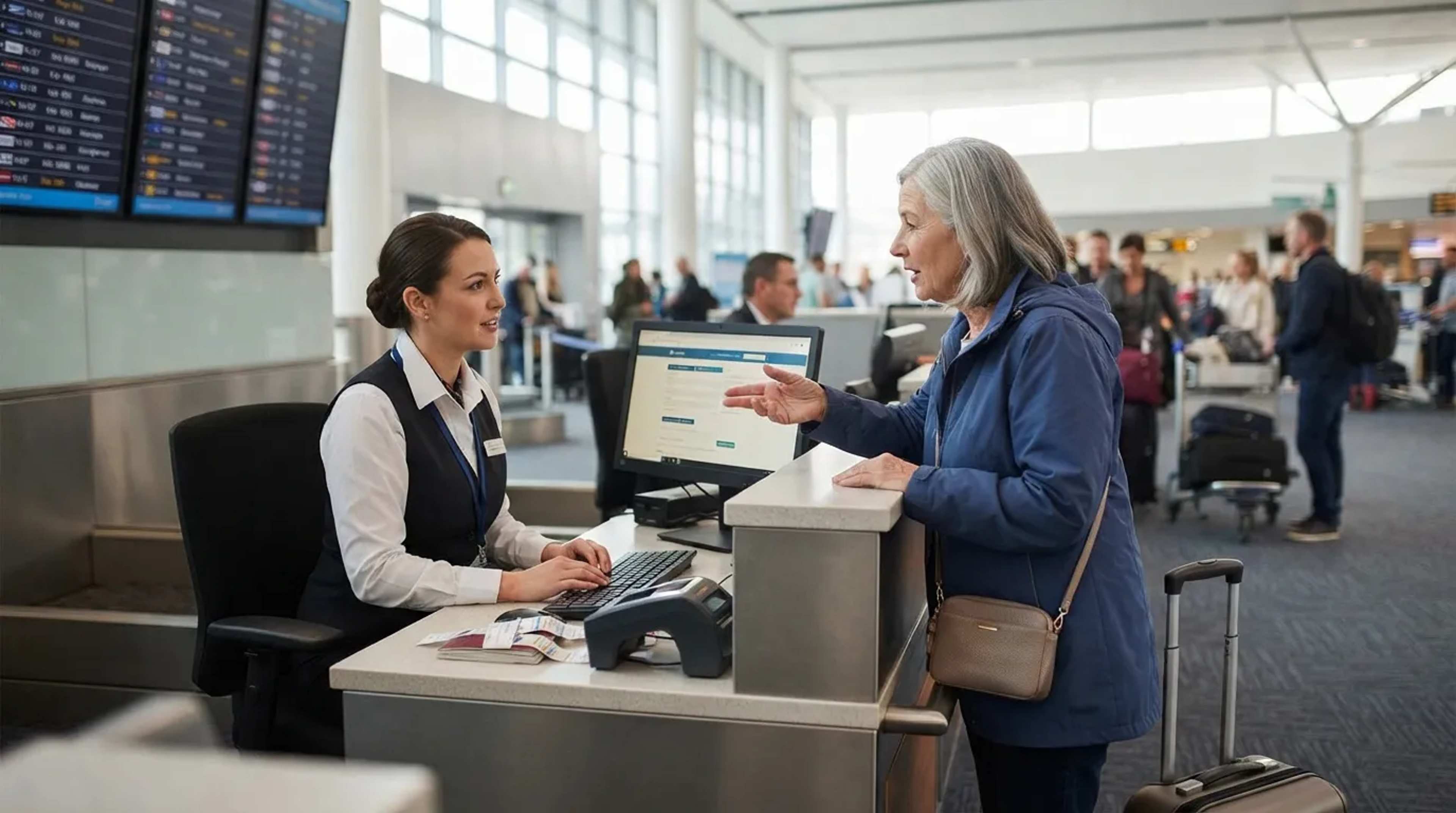
Nobody will offer you early boarding, and staying quiet is the biggest mistake at the gate.
According to one guide, the gate agent won’t offer preboarding unprompted, so you have to ask before boarding starts. You don’t need paperwork.
If you wait until your zone is called, the preboarding window has already closed. For ordinary requests like this, a gate agent can’t demand a doctor’s letter.
Here’s a verdict some readers will argue with. One guide says that if you truly need extra time, skip the paid fee and ask for preboarding, which you don’t buy.
Early boarding can still end badly in the wrong seat, and #4 shows why…
#4 – The Armrest That Decides Whether You Can Sit Down
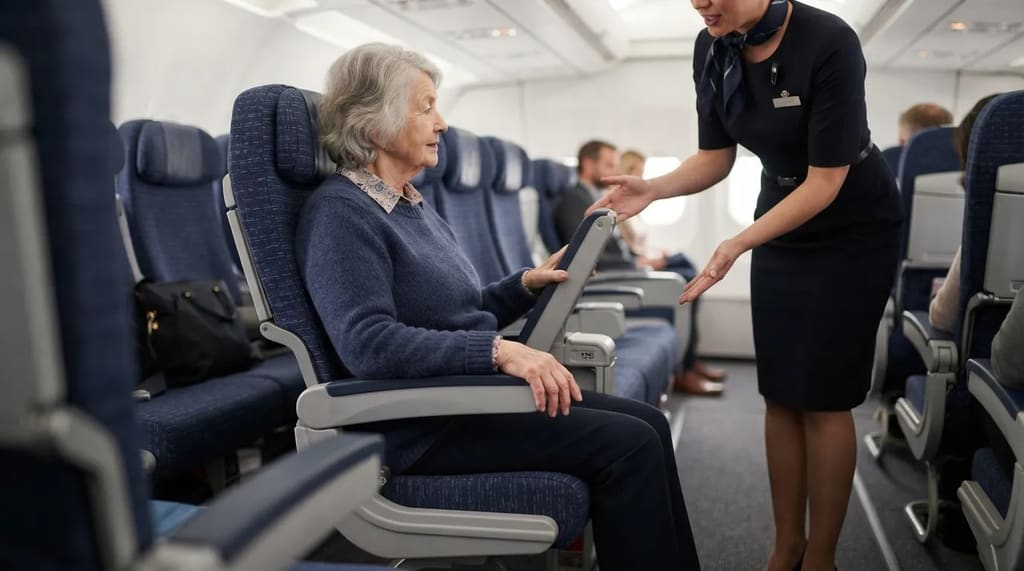
An aisle seat is not always a usable aisle seat.
One consumer guide says to tell the airline about a need for a movable-armrest aisle seat when booking, or at least 48 hours before departure. That’s a request most people never make.
The same guide says to ask the gate agent to double-check that the assigned seat actually has one. Since a replacement aircraft rarely matches the original configuration, that re-check costs nothing.
After a swap, assume nothing about the seat’s features. Ask the agent to confirm them out loud.
If the first agent still says no, there’s a move most travelers never try, and it’s #3…
#3 – Ask for the Specialist by Title
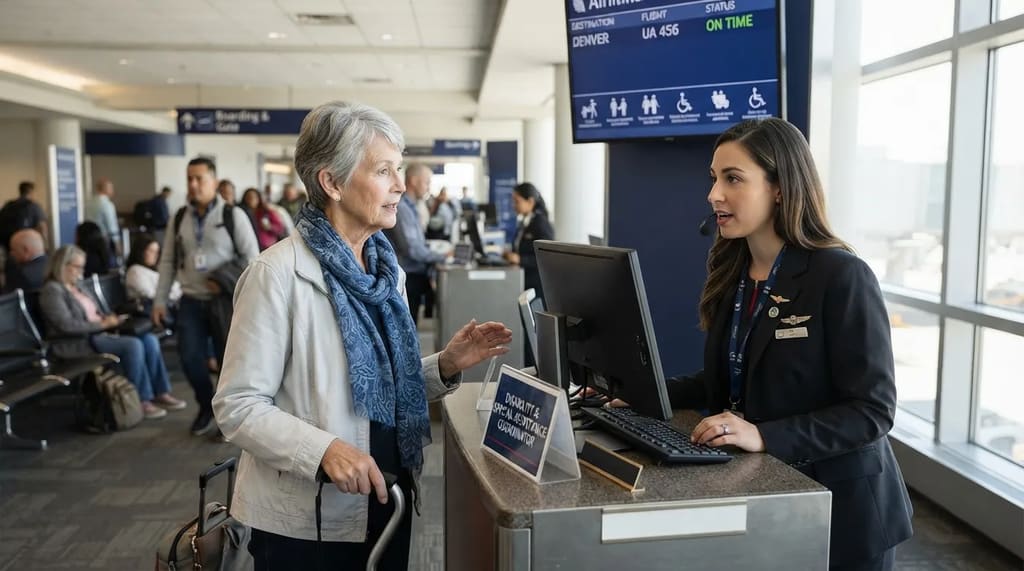
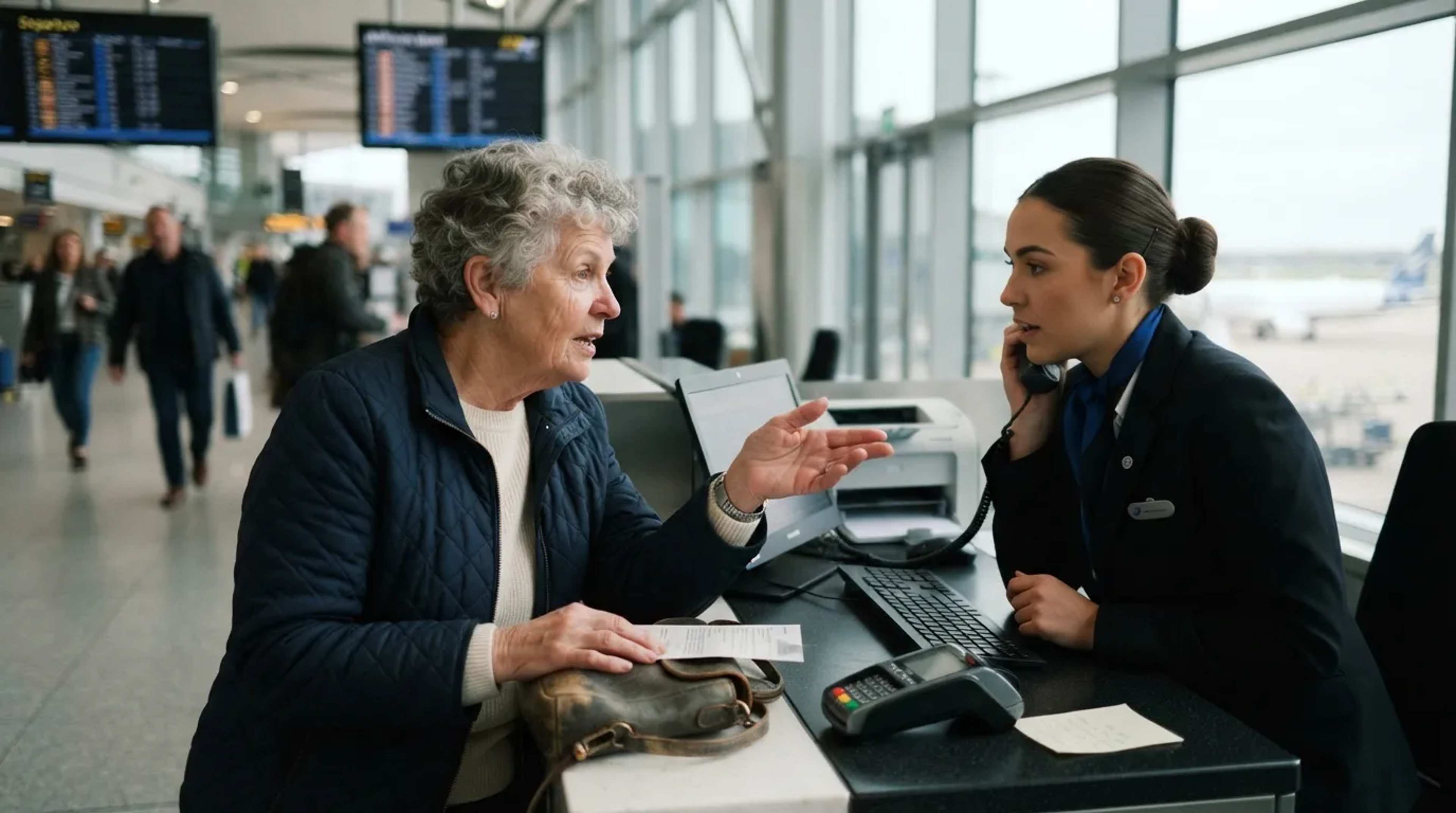
When the first answer is no, the next move isn’t arguing. It’s asking for someone else.
Related Stories From Travelbinger

One guide suggests naming the request and asking for the airline’s disability specialist by title. It sounds formal because it is.
You don’t need a wheelchair to qualify, because the test is needing additional time or assistance. DOT’s tips say to tell gate staff about any help you need, including preboarding, carry-on help or help moving within the aircraft.6
Waiting until the gate leaves the agent trying to move other people. The guide’s advice is to request the seat when you book and contact the airline directly if the seat map doesn’t work.
Whatever they decide, what you do in the next ten minutes decides whether you get paid back, and that’s #2…
#2 – The Paper Trail That Wins Refunds
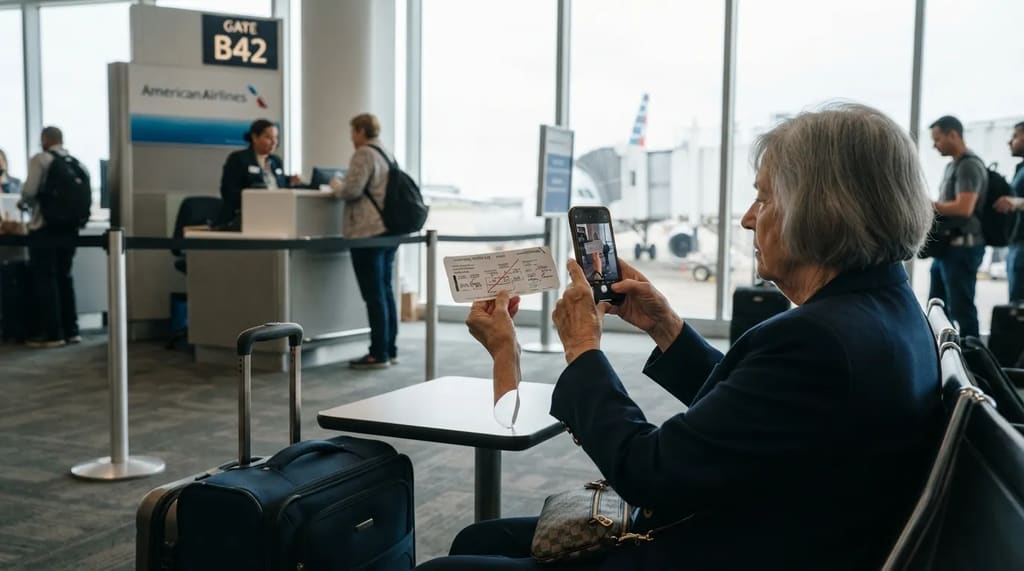
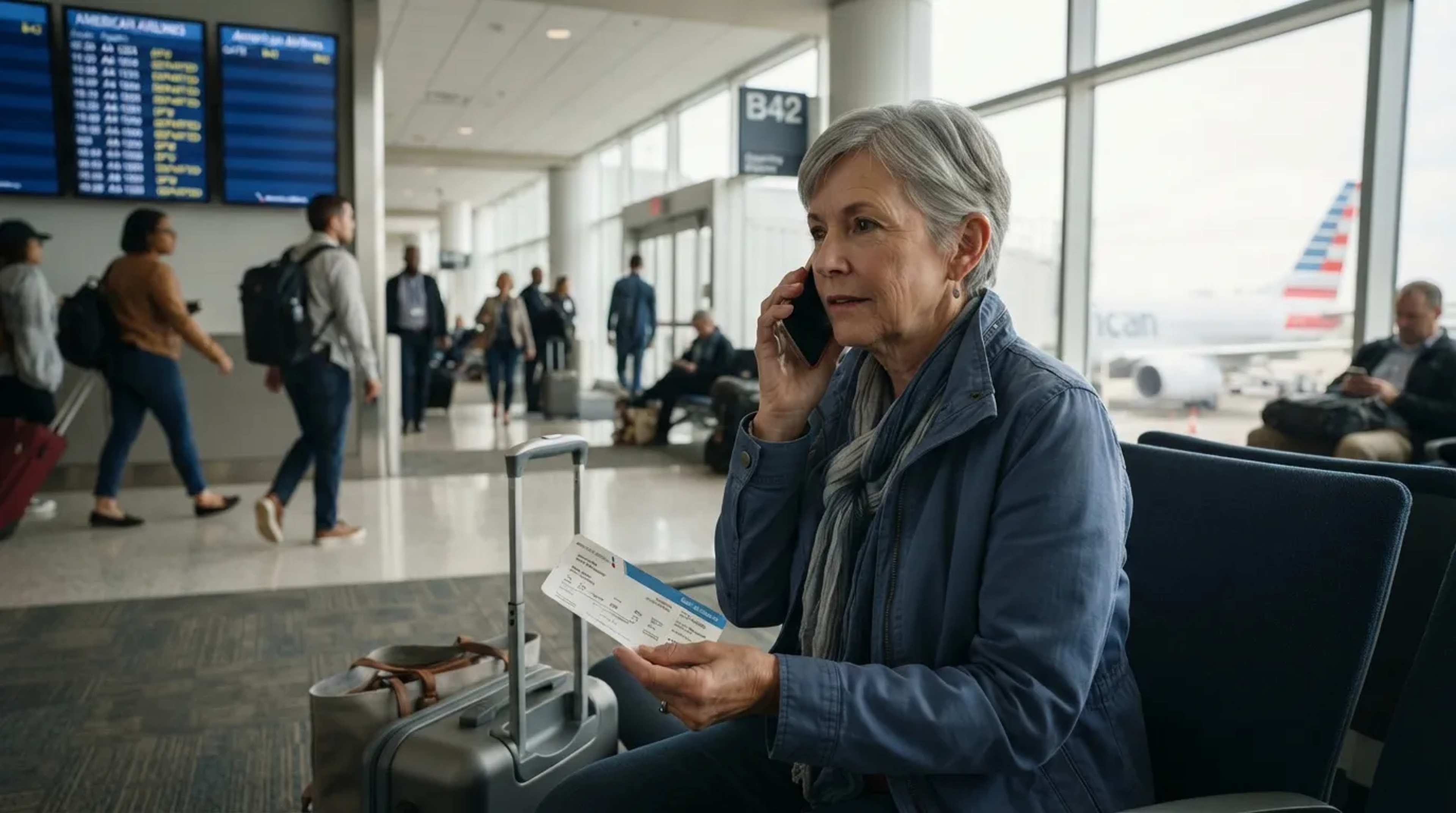
If you get moved, the evidence you gather at the gate matters more than your argument.
A consumer rights lawyer told CNN to get a written reason for the downgrade and document everything, including a photo of the new seat, the boarding pass and any airline communication. Do it before you leave the gate area.
Experts say downgrade refunds can be tricky because airline pricing is dynamic. American’s published terms refund an involuntarily downgraded passenger 40% of the ticketed fare on the affected segment.
A complaint before DOT challenges that provision. The airline maintains that customers may reject downgraded travel and request a refund instead.
But the strongest fix on this list is one most solo travelers have never heard of, and it’s #1…
#1 – The Seat Map Doesn’t Show Every Seat
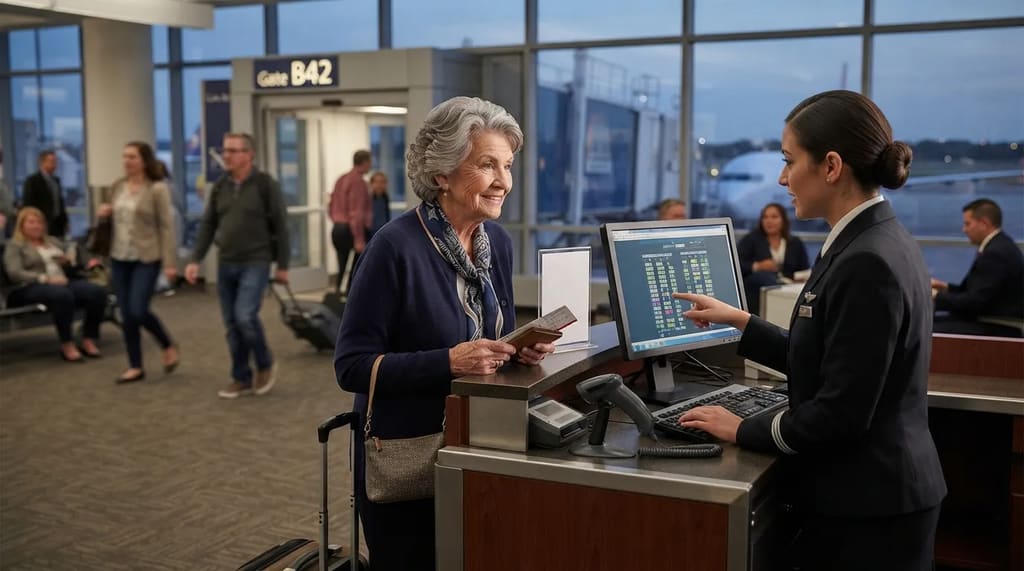
The best seat for you may not appear on the seat map at all.
Under Air Carrier Access Act guidance, an airline must provide a priority seat to an entitled passenger who requests it and checks in at least one hour before scheduled departure.7 That clock matters if a gate change is coming.
The airline must assign any seat not already given to another passenger that fits the traveler’s needs, even if that seat isn’t available to the general public. Most people don’t realize it.
In one example from the manual, that means a bulkhead seat or another seat with more legroom on the side of the aisle that best suits the passenger. You’d never find it by scrolling the map.
The catch is real, though: these rights belong to qualified passengers with disabilities who identify themselves and ask, not to everyone over 70, so if that’s you, ask again after the gate change instead of trusting the old assignment.
The Bottom Line
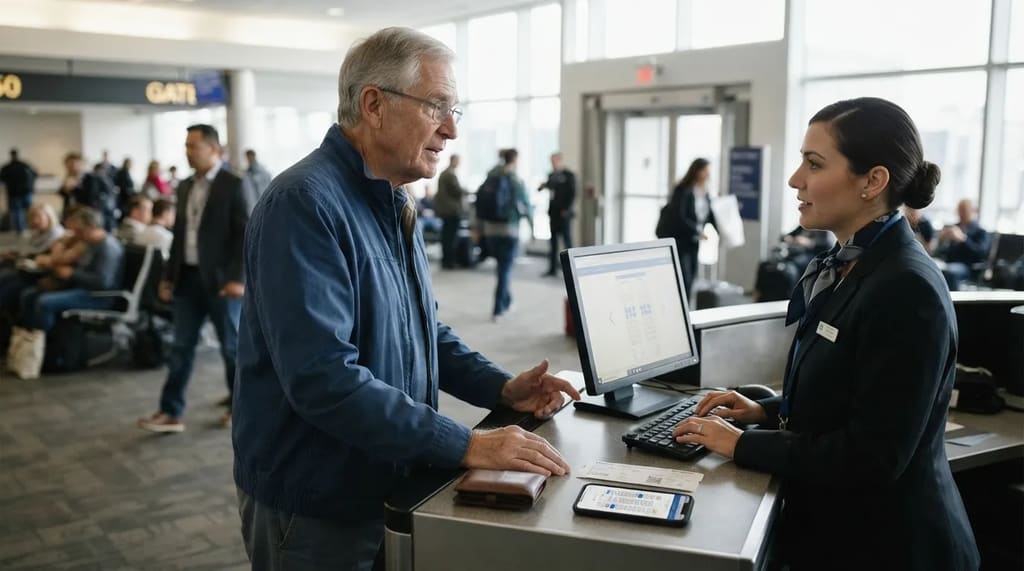
Age doesn’t trigger a single seat-map fix. Need does, and only when you say it plainly and early.
The protections are narrow but real: refunds for lost seat fees, fare-difference refunds for downgrades, and a duty to seat qualified passengers in seats the map may not show. The traps are quiet: swaps that reset the cabin, contracts that promise no seat, and a 40% refund formula now under challenge.
At a Glance
- Ask for preboarding before boarding starts, not when your zone is called.
- Request priority seating at least one hour before departure.
- Photograph the new seat and boarding pass before leaving the gate.
- Name any separate seat fee you paid when you ask for a refund.
You can’t control the gate change. You can control the one sentence you say at the desk.
When the plane changed on you, what did the gate agent actually do about your seat?
- eCFR Part 382 Preboarding: https://www.ecfr.gov/api/versioner/v1/full/2022-02-22/title-14.xml?chapter=II&part=382&subchapter=D
- Delta Contract of Carriage: https://www.delta.com/us/en/legal/contract-of-carriage-dgr
- American Main Cabin Seats: https://www.aa.com/web/i18n/travel-info/experience/seats/main-cabin.html
- DOT Refunds Final Rule: https://www.federalregister.gov/documents/2024/04/26/2024-07177/refunds-and-other-consumer-protections
- ACAA Priority Seating Method: https://www.corada.com/documents/guide-to-acaa/priority-seating-method
- DOT Passenger Disability Rights: https://www.transportation.gov/sites/dot.gov/files/2022-07/508_Airline_Passengers_with_Disabilities_Bill_of_Rights_07072022_ADA.pdf
- ACAA Technical Assistance Manual: https://www.corada.com/documents/guide-to-acaa/chapter-5-assisting-air-travelers-with-disabilities-boarding-deplaning-and-during-the-flight