You probably think the hardest part of flying coach is the seat. It isn’t. A calm, cheap, on-time trip is usually won days earlier, through small habits that frequent flyers repeat without thinking. First-timers tend to discover them at the gate, with a line of strangers breathing down their necks.
Some of these habits cost nothing. A couple will start arguments in the comments. And several only became true in the last two years, so even people who fly a few times a year may be working from an outdated playbook. Start with #15, because it can stop a trip before it begins.
#15 – They Check Their ID Months Ahead, Because the Security Line Is a Terrible Place to Find Out
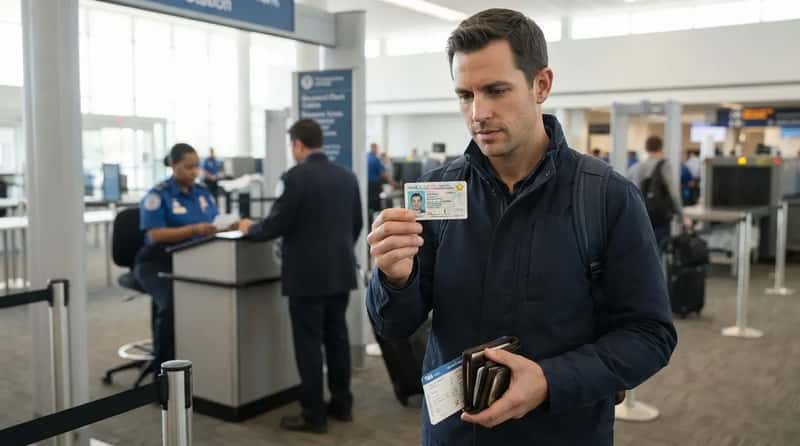
One of the most stressful moments of a trip can happen before you’ve bought a single airport coffee. TSA began enforcing the REAL ID Act on May 7, 2025. Travelers 18 and older now need a REAL ID-compliant license or another accepted ID to board domestic flights. Seasoned flyers look for the star on their license long before they book.
Skipping that check has a price. Starting Feb. 1, 2026, travelers without acceptable ID who still want to fly can be referred to a $45 alternative verification option called TSA ConfirmID. Even then, clearance isn’t guaranteed and delays are likely. That’s why veterans treat their ID like a boarding pass.
Fast Facts
- A REAL ID is marked with a black or gold star in the upper right corner of the card.
- A U.S. passport or passport card is also an accepted ID at the checkpoint.
- The $45 ConfirmID fee covers a 10-day travel window, so a longer trip can mean paying twice.
- TSA recommends paying ahead on Pay.gov instead of at the airport, to avoid delays and missed flights.
Next comes a rule change that undid nearly two decades of airport habit.
#14 – They Keep Their Shoes On, but Still Dress for the Old Rule
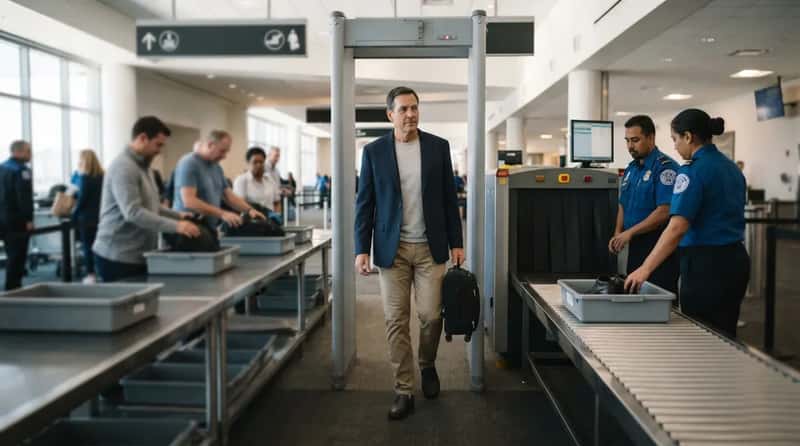
For nearly two decades, the gray bin and the shoe shuffle were part of every flight. The routine grew out of the 2001 shoe bomb attempt on an American Airlines flight from Paris to Miami. As of July 8, 2025, passengers can generally keep their shoes on at TSA checkpoints.
Here’s what first-timers miss: “generally” doesn’t mean “always.” Passengers who set off an alarm at a scanner or metal detector must still remove their shoes for additional screening. At smaller airports without advanced body-imaging technology, officers may still ask for shoes off. So veterans skip the complicated boots and keep it simple.
#13 – They Book Direct, Because the Refund Clock Starts the Second They Pay

Here’s a federal rule most first-timers have never heard of. Under a U.S. Department of Transportation rule, you can cancel a flight to, from, or within the U.S. within 24 hours of booking and get a full refund, not a voucher. The catch is that you must book directly with the airline, at least 7 days before departure. It covers every fare type, including basic economy.
Book through a third-party site and the rules change. Many big online agencies voluntarily offer a similar window, but that’s company policy, not federal law. Experienced travelers book, spend a day price-checking, and cancel if something better turns up. It’s a free safety net hiding in plain sight.
#12 – They Read the Seat Map Like a Contract, Not a Suggestion
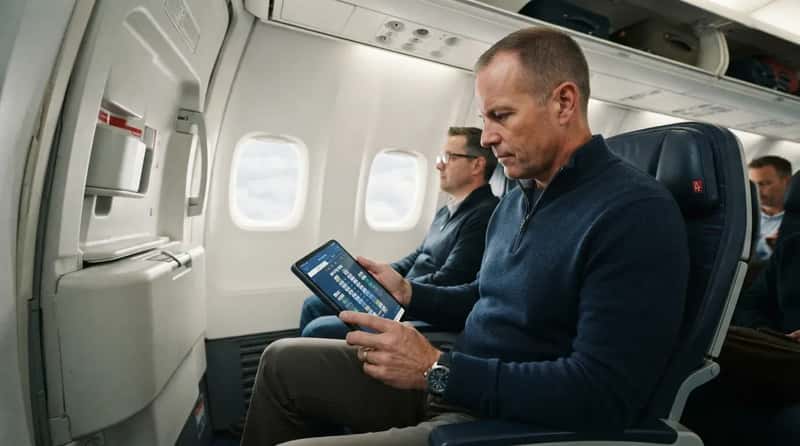
Everyone looks at seat numbers. Veterans look at what’s in front of them. Most major U.S. carriers cluster between about 30 and 32 inches of pitch in standard economy. Ultra-low-cost carriers can run closer to 28 inches in exchange for lower base fares. That gap is the difference between knees that fit and knees that don’t.
Pitch also isn’t the same as legroom. A slimline seat at 30 inches can feel roomier than a thicker, padded seat at 32. Fixed armrests, tray tables, and exit structures can all change how a seat actually feels. Many travelers crown the exit row the best seat in coach, while others say the restrictions make it overrated.
#11 – They Price the Whole Trip, Not Just the Ticket
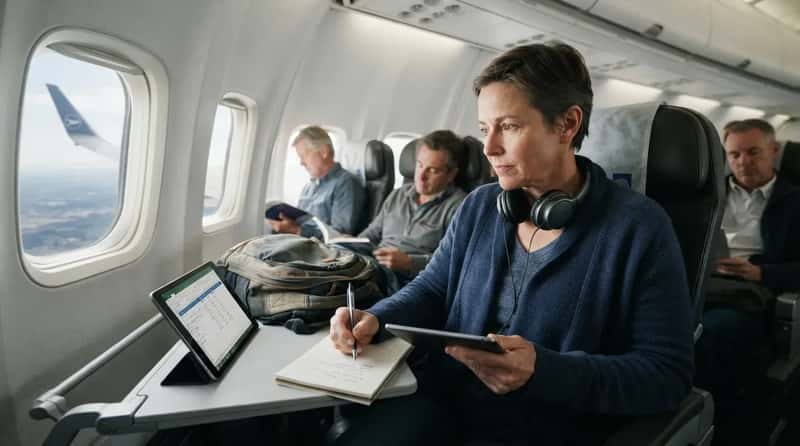
The cheapest fare on the screen often isn’t the cheapest fare in real life. Basic economy tends to carry the most restrictions, and the rules on seat selection, bags, and changes vary by airline. A fare that looks $40 cheaper can lose that edge once you add a bag and a seat fee. Experienced coach travelers total up everything they’ll actually need before they click buy.
This is where the debate gets heated. Plenty of travelers swear basic economy is the smartest deal in the sky. Some frequent flyers call it a false economy for anyone checking a bag or traveling with family. The honest answer depends on your trip, and veterans do the math instead of trusting the headline price.
Quick Compare
- Basic economy: the lowest sticker price, but seats, bags, and changes are often restricted or extra.
- Standard economy: a higher fare that usually buys more flexibility, though the details differ by airline.
- The tiebreaker: add your bag fee and seat fee to the cheap fare, then compare the two totals.
#10 – They Pack an Under-Seat Kit, Because the Overhead Bin Is a Lottery
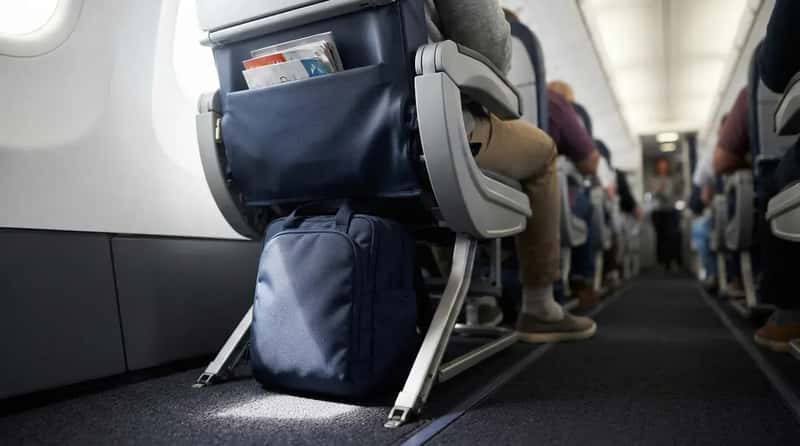
Picture a passenger climbing over two strangers mid-flight to dig for a phone charger. Their bag is six rows back. Veterans never end up in that scene. They keep everything they’ll need in one bag at their feet: headphones, snacks, a charger, medications, and ID.
The logic is simple. Bin space is first come, first served, and boarding groups decide who wins. Personal-item size limits also vary by airline, so experienced flyers measure before they pack. A bag that slides under one airline’s seat can fail another airline’s sizer at the gate.
#9 – They Download Everything Before Leaving Home, Because In-Flight Wi-Fi Is a Gamble
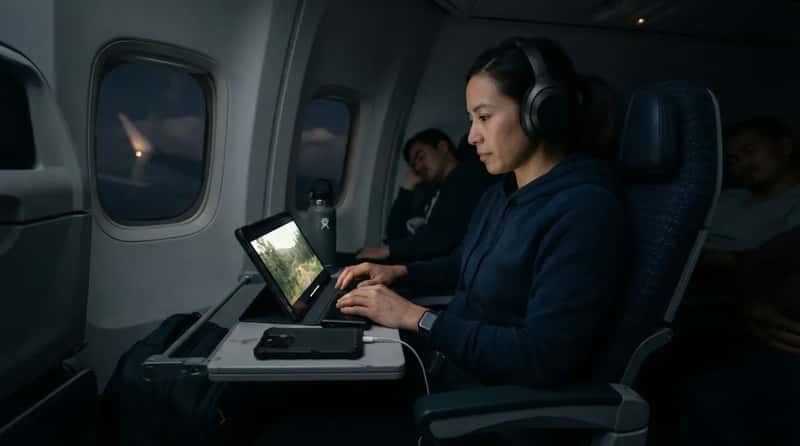
First-timers board assuming the plane will have a connection. Veterans board assuming it won’t. They download shows, podcasts, playlists, and maps before they leave the house. Wi-Fi availability and speed vary by airline and aircraft, which is exactly why they never count on it.
The smartest version of this habit is also the simplest. They screenshot the boarding pass, hotel address, and confirmation numbers so everything works offline. A dead signal in a terminal or a crashed airline app suddenly matters much less. This one habit may prevent more panic than any gadget.
#8 – They Bring an Empty Water Bottle and Fill It After Security
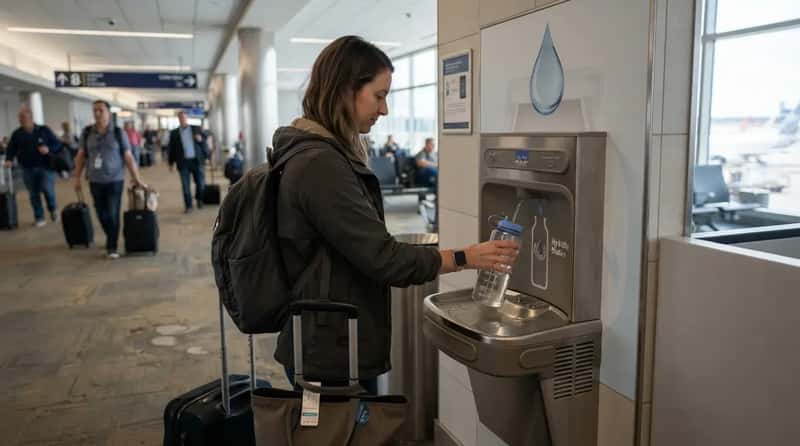
Airport water is priced like a luxury item. Experienced travelers pay nothing. The liquids rule is still in place, so a full bottle won’t make it through the checkpoint. An empty one sails through, and they fill it at a fountain or refill station on the other side.
It’s about more than saving a few dollars. Cabin air is notoriously dry, and long flights leave many people feeling parched and foggy. Veterans sip steadily from takeoff to landing. First-timers wait until they’re thirsty, then flag down the cart.
#7 – They Stand Up and Walk, Even When It Feels Awkward
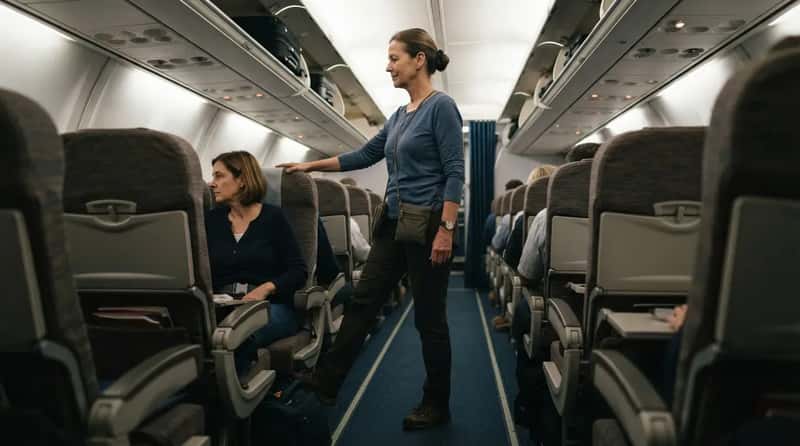
Sitting still for hours has a downside most people shrug off. The CDC lists blood clots as a health concern tied to long-distance travel. Its general advice for long trips is to move your legs often and walk around when you can. Veterans take that seriously, even on a cramped flight.
That’s why many of them pick an aisle seat. They can stand without climbing over anyone. First-timers often stay frozen for hours rather than ask a neighbor to move. Experienced flyers know a polite “excuse me” costs far less than a stiff, aching trip.
Worth Knowing
- The CDC links the higher clot risk to travel of about 4 hours or longer.
- Its advice is to get up and walk the aisle every 2 to 3 hours when you can.
- Seated calf stretches and ankle circles count when the seatbelt sign is on.
- Loose, comfortable clothing helps, which is one more reason veterans skip stiff jeans.
#6 – They Recline Slowly, or Not at All
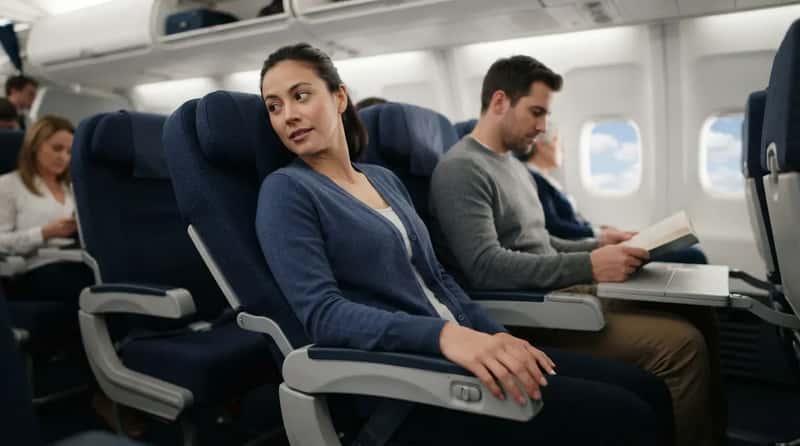
Few topics split passengers like the recline button. Seat pitch has tightened over the decades as airlines fit in more rows. That’s why a sudden recline can feel like an attack on the person behind you. Some say it’s your right. Others call it the rudest move in coach.
Veterans split the difference. They glance behind them and recline slowly. They keep the seat upright during meals, and many skip it entirely on short flights. The seat is built to recline, but experienced travelers know who pays for it: a stranger’s knees.
#5 – They Know When the Airline Owes Them Cash, Not a Voucher
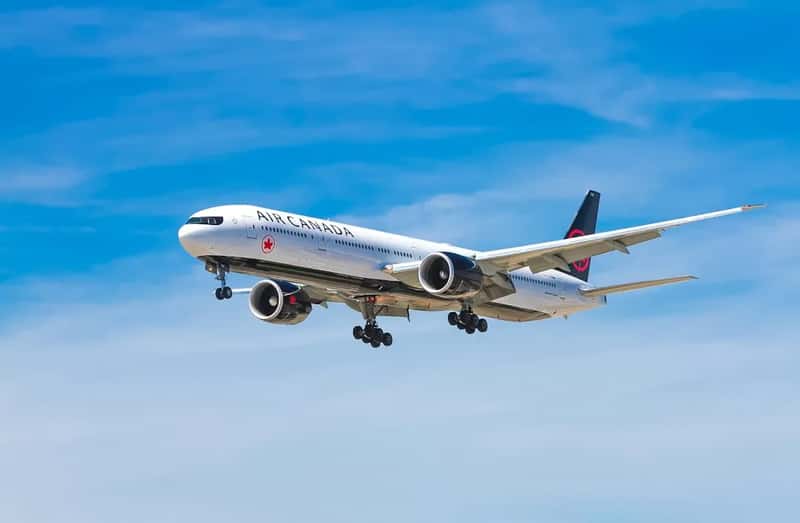
The old playbook was to take whatever the airline offered. Not anymore. New DOT rules that took effect in late 2024 require airlines to issue automatic refunds, not vouchers, when they cancel a flight or significantly change it and you decline the alternative. The same goes for significant delays, defined as 3 or more hours on domestic flights and 6 or more on international ones.
Experienced travelers read the offer before they say yes. They screenshot cancellation notices and delay messages. They don’t accept a voucher out of habit, because they know the rules changed. First-timers often don’t realize they have a choice at all.
#4 – They Dress in Layers, Like They’re Crossing Three Climates
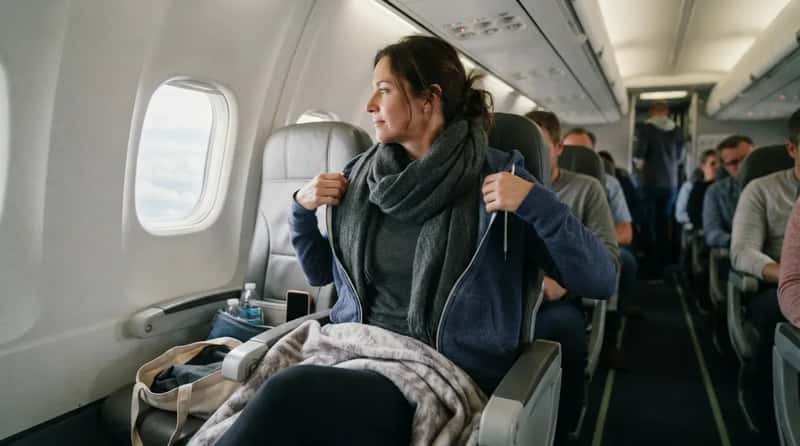
An icy terminal, a stuffy cabin, a humid arrival. Experienced coach travelers dress for all three at once. They wear a light sweater or hoodie they can peel off, and they never count on the airline for a blanket. Cabin temperatures swing, and layers solve it for free.
A big scarf is the secret weapon. It works as a blanket, a pillow, and an eye mask, and it fits in a personal item. Stretchy, comfortable pants beat stiff jeans on any flight over a couple of hours. A lot of comfort lives in the clothes, not the seat.
At a Glance
- Base layer: a soft, breathable tee that handles a warm gate.
- Middle layer: a zip hoodie or light sweater that comes off in seconds.
- Secret weapon: an oversized scarf that doubles as blanket, pillow, and eye mask.
- Bottom half: stretchy pants and easy slip-on shoes.
#3 – They Treat PreCheck as a Habit, Not a Splurge
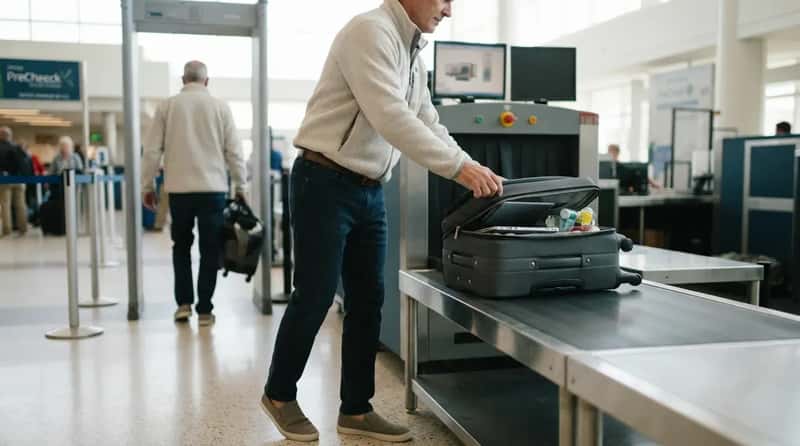
Veterans love a shortcut. TSA PreCheck lets you keep your shoes, belt, and light jacket on, and leave your laptop and liquids in your bag. That means fewer bins, less repacking, and less chaos at the end of the belt. Frequent flyers say it’s the difference between a calm checkpoint and a frantic one.
Here’s the hot take. With shoes now staying on for most travelers, some argue PreCheck has lost its edge. Experienced flyers disagree, because the other perks still matter. One thing it doesn’t change: you still need proper identification.
#2 – They Never Check a Power Bank, and They Know the Rules Are Tightening
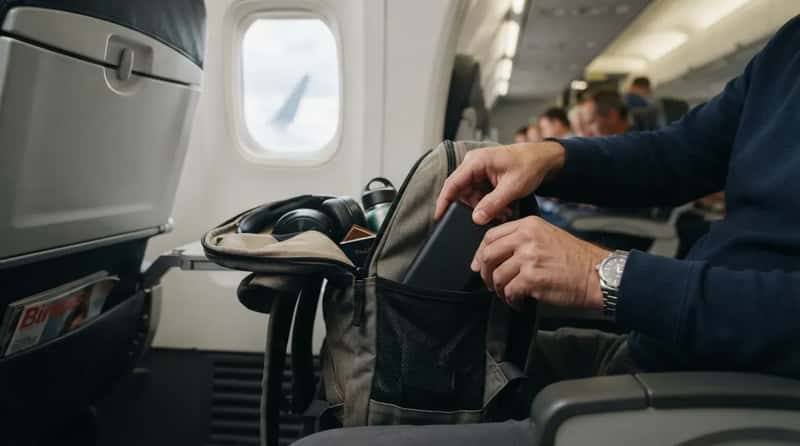
Here’s the mistake that gets bags pulled and flights delayed. Spare lithium batteries and power banks belong in your carry-on, not your checked bag. Aviation rules treat battery fires seriously, and the cabin is the safer place for them because crew members can respond quickly.
Experienced travelers also keep up with changing policies. Some carriers have tightened how and when power banks can be used in flight. A habit that was fine last year may need adjusting this year. Veterans check their airline’s current policy before they fly.
#1 – They Stay Calm and Kind When the Whole Trip Falls Apart
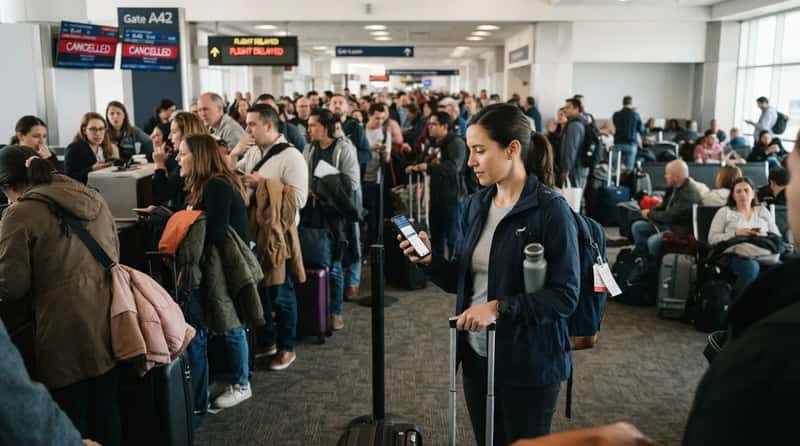
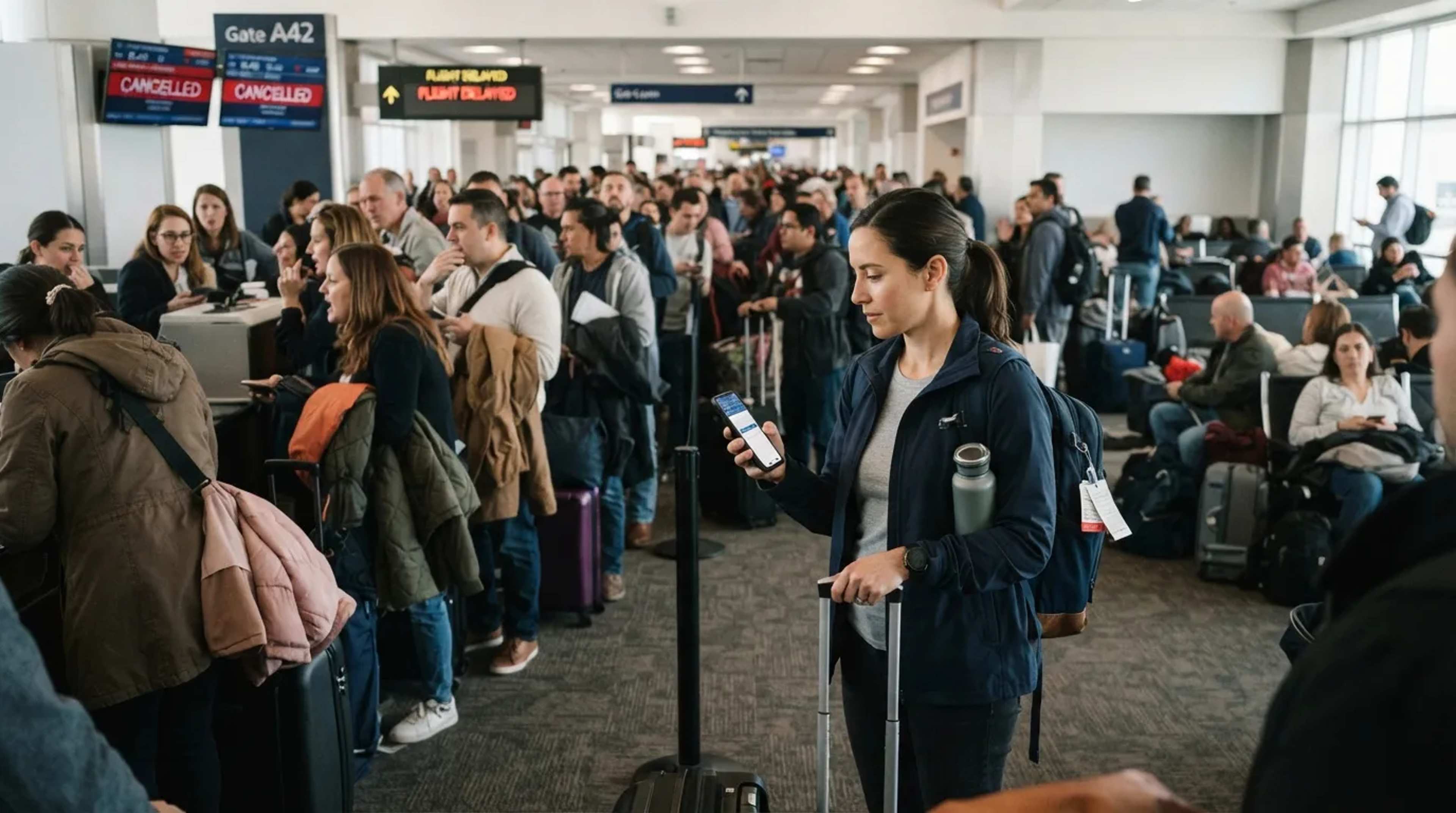
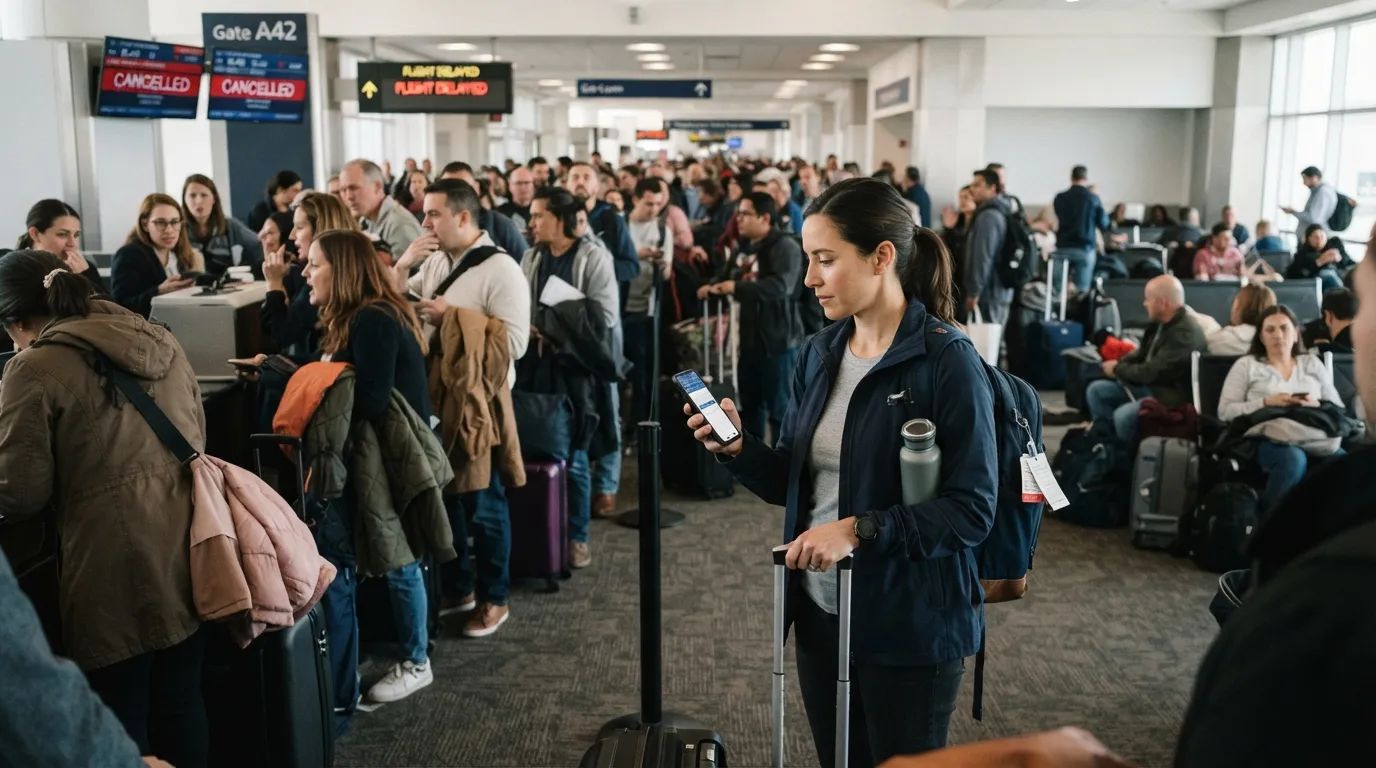
Picture a canceled flight and a gate line sixty people deep. Somewhere in that crowd, one traveler isn’t arguing. They’re already on the airline app, scanning the next flights. Experienced coach travelers know the person behind the desk handles angry passengers all day, and a calm, specific request almost always lands better than a shouting match.
This habit ties all the others together. They know their refund rights, they have screenshots ready, and they know exactly what they want. First-timers panic. Veterans simply ask for the next flight, and mean it.
None of these habits are secrets, and most of them are free. They’re just things nobody mentions until a delay, a fee, or a stranger’s elbow teaches you the hard way. The best coach travelers don’t have better seats. They have better routines, and they stay kind when the plan falls apart. Which one did you learn the hard way?