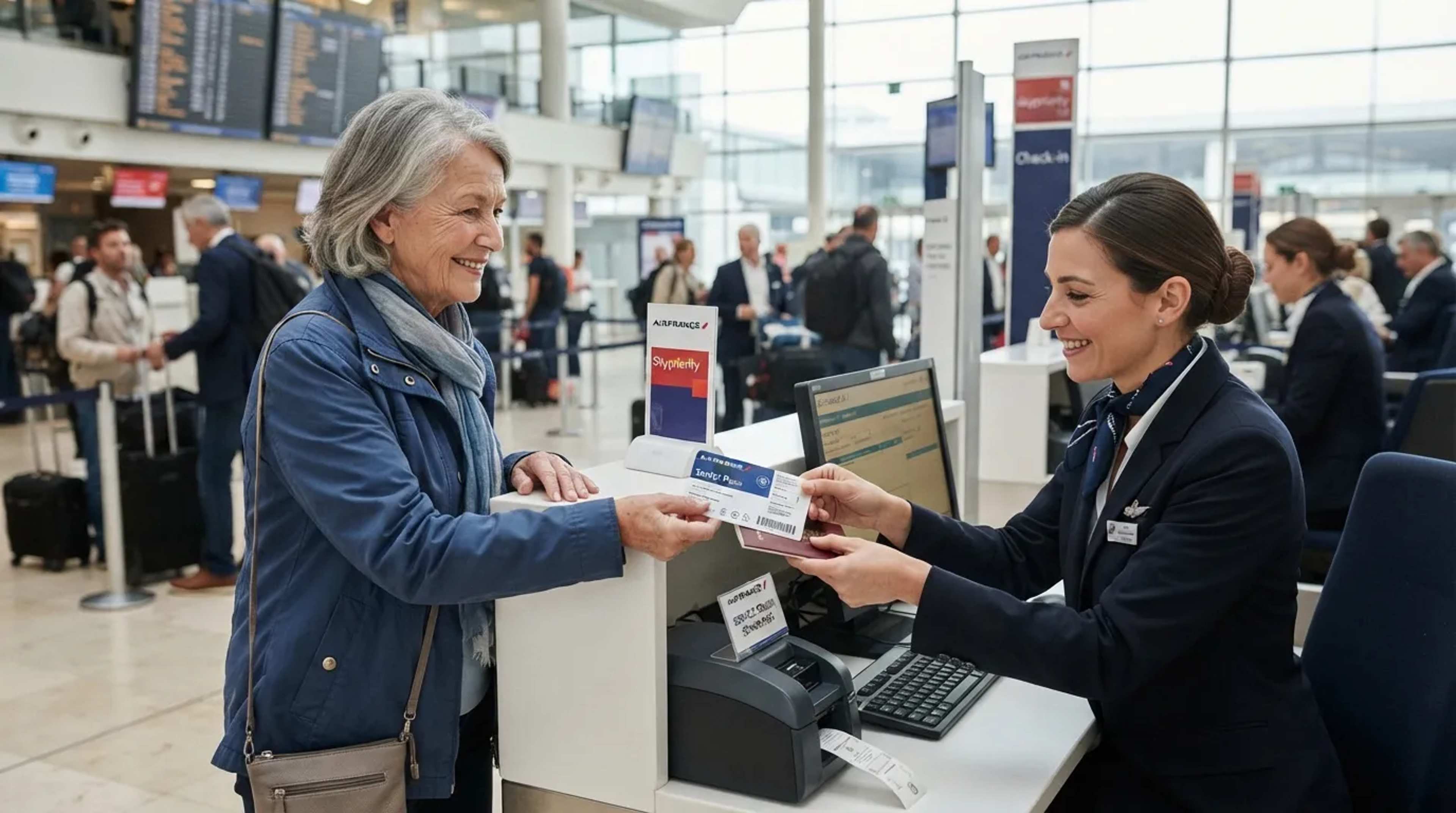
The brochure shows one big, friendly price. Then the bill grows in small, polite pieces: a drink here, a tip there, an “optional” excursion every afternoon. Two tours priced alike can end up hundreds of dollars apart once the extras are counted, and this list shows where those dollars hide.
Some of these charges can be avoided outright and others can only be planned for. Experienced travelers know which is which before the deposit goes in. One item here runs on a deadline counted in days and guards the biggest sum you could lose. The smallest is a glass of wine at dinner, so that is where we start.
#15 – Wine, Beer and Soft Drinks With Dinner

The dinner is on the itinerary. The drink beside it may not be.
Published terms from tour operators commonly state that wine and other beverages are not included with meals. The exclusions often name alcoholic or other beverages, so the wording reaches past alcohol. The bill lands on your room or at the table.
Over a two-week itinerary, the cost builds through repetition, not through any single large charge. The line to read in the inclusions list is the one about beverages, since coffee and soft drinks are sometimes caught in the same exclusion.
Asking at the first group dinner what the table covers takes a minute and settles the question for the rest of the trip.
Drinks only come up at the meals the operator pays for, and on many itineraries a fair number of lunches and dinners are not among them.
#14 – Lunches and Dinners Left Off the Itinerary

Operator terms commonly exclude meals other than those specified in the tour description. Lunch is the usual gap. Some published terms state that lunch is not included in most cases.
Where you eat matters as much as how often. Coach stops tend to sit near major attractions, and dining at tourist-oriented restaurants there typically costs more than eating in local neighborhoods.
Walking a few blocks from the stop is worth the effort on most days. The group’s restaurant is picked for convenience, and the prices reflect that.
#13 – Laundry, Phone Calls and Internet Access

Operator terms file these under personal expenses, and laundry, telephone calls and Internet access appear by name among the items the tour price does not cover. Each charge is small, which is why the total tends to go unnoticed until the final bill.
Hotel laundry is usually priced by the piece, so a week of shirts and socks costs far more than washing a few items in the sink overnight. Quick-dry clothing makes that easy.
Worth Knowing
- Laundry is typically billed per item, so small loads add up fast
- Sink-washing quick-dry clothes overnight costs nothing
- Phone calls and data abroad are billed by your carrier, not the tour
- Ask at check-in whether Wi-Fi is free in your room or only in the lobby
Check your phone carrier’s international plan before you leave. Calls and data abroad are billed by the carrier, and the tour has no part in them.
Those are charges you meet on the road, but some fees come due before you leave home, starting with the passport itself.
#12 – Passport, Visa and Vaccination Costs
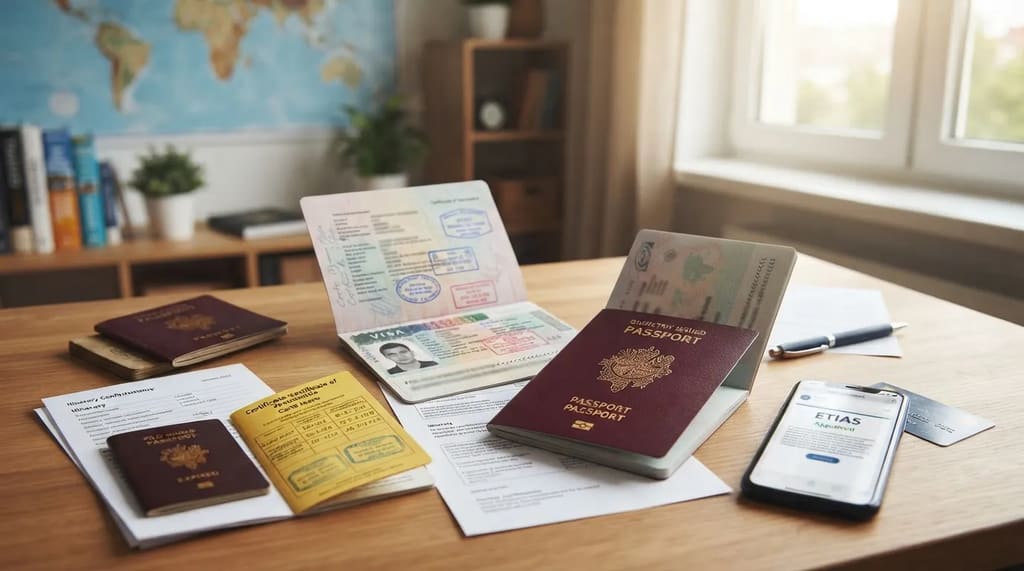
Tour terms put government paperwork on the traveler’s side of the ledger, including passports, visas and vaccinations. The operator may help you apply, but the fee still goes to the government or the clinic.
- A new or renewed passport, if yours expires too close to the trip date
- A visa or electronic entry authorization for each country on the route
- Vaccinations or health documents a destination asks for
Handle these before the final payment is due. Processing times are outside your control, and a late passport can cost you the whole trip.
Documents get you across the border, but the airline decides what your suitcase costs on the way.
#11 – Checked Bag Fees on Your Tour Flights
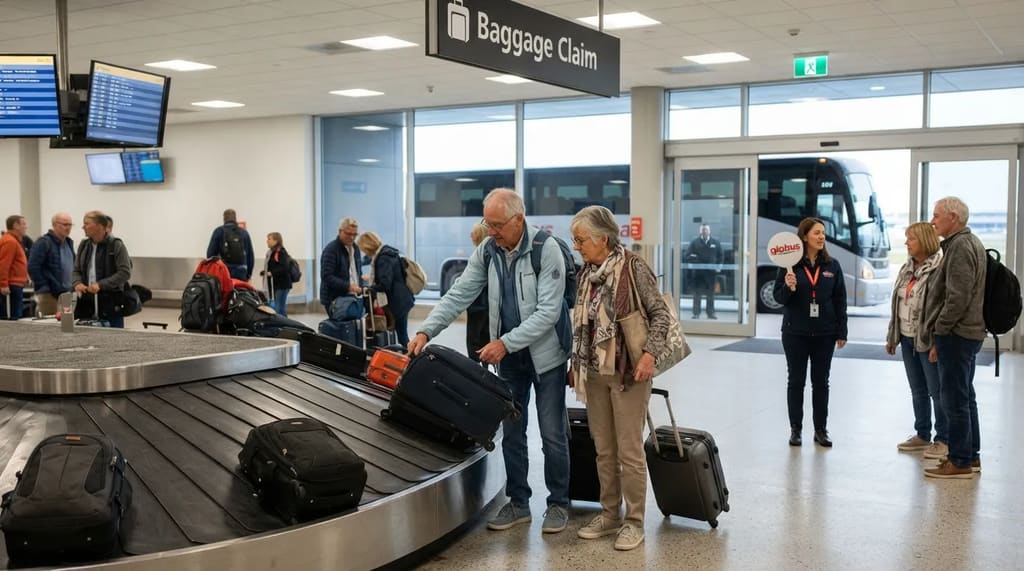
Globus’s terms state that baggage fees are not included in the airfare price, and the company accepts no liability for additional fees.1 Other operators list airline baggage charges among their exclusions too. A flight bought through the tour company does not change that.
Airlines charge bag fees per flight. An itinerary can include air travel within the trip that is not part of the package unless the itinerary says so, so a tour with internal flights can bill your suitcase more than once.
If your itinerary has internal flights, carry-on only is worth the discipline. The saving repeats on every leg, and you will not be waiting at a carousel with a coach idling outside.
#10 – Entrance Fees and Sightseeing Not on the Itinerary

The coach stops at the famous place. That does not mean your ticket is paid.
Many group tours use a base-price-plus-add-ons model, and entrance fees to certain attractions may sit outside the initial cost. Operator terms draw the line at the itinerary: sightseeing not included in it, and expenses not listed on it, are the traveler’s to pay.
Look for the word admission or entrance beside each named attraction. Where it is missing, ask whether the group goes inside or only stops outside.
Quick Compare
- Admission or entrance listed: the ticket is part of your tour price
- Attraction named, no admission mentioned: ask if the group goes inside
- Listed as optional or not on the itinerary: priced separately and paid on the ground
Admissions are paid on the ground, whereas the airline ticket is settled before departure and is left out of many tour prices altogether.
#9 – The Airfare Add-On and Airline Change Fees

International airfare is commonly excluded from the tour price. Some operators offer air packages, and airport taxes appear on exclusion lists as well.
Buying air through the operator is convenient, but it is not automatically safer. Globus’s schedule for air tickets lists the full ticket amount plus a processing fee as the cancellation charge.1
Terms from at least one operator disclaim responsibility for airline fees caused by itinerary changes, even when the company made the flight arrangements or cancelled the tour. That one sentence tells you more about the add-on than the fare does.
Air arrangements end at the airport, and any extra hotel nights you add at either end of the trip are booked and priced separately.
#8 – Resort Fees on Nights You Book Yourself

Resort fees are almost always charged per room, per night, and not per person. They are concentrated at resorts, casinos and upscale city hotels. On a tour the hotels are the operator’s concern, so your exposure is the nights you add before or after, where you are the customer.
The Federal Trade Commission’s fee rule took effect May 12, 2025. It requires hotels to show the full price, including mandatory fees, in the first price a guest sees. It does not ban resort fees or cap what a hotel can charge.2
So compare three-night totals before choosing between two hotels, and do not trust a low headline rate. Parking and incidental charges may still be listed separately, which means the total shown may not be the last number.
#7 – Arrival-Day Transfers and Unplanned Hotel Nights
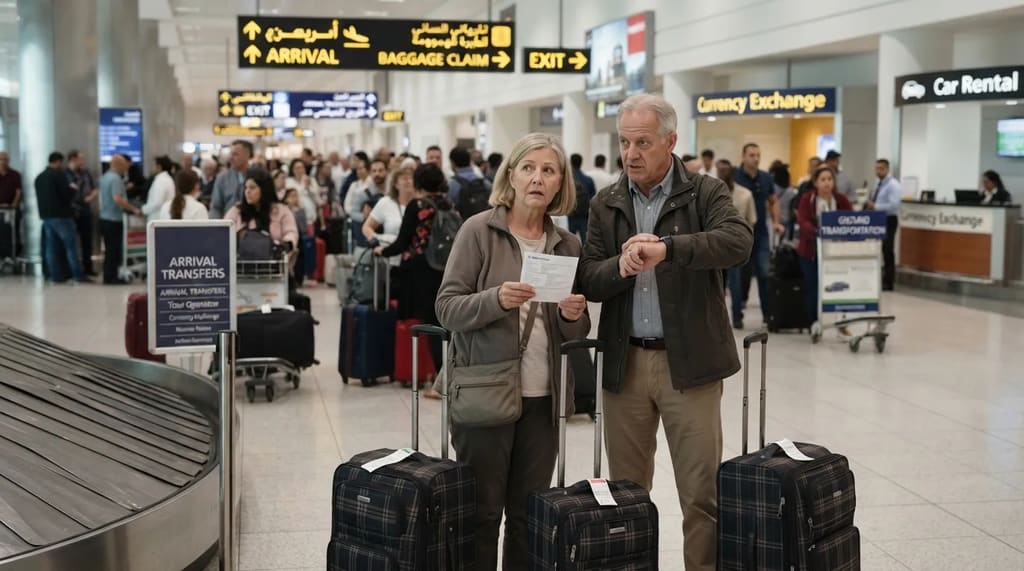
Some operators exclude transfers and baggage handling between airport and hotel on arrival and departure days, along with any overnight on land caused by changes in flight schedules. Both charges fall on the days when you are most tired.
Before booking, get written answers on three points:
- Whether a transfer is included when your flight is not the group flight
- Who pays for a hotel night if the airline changes the schedule
- Whether porter service at the hotel is covered
The second point connects to the airline change fee covered under the air add-on. The same schedule change that triggers the airline’s charge can also leave you paying for a night on land.
A driver who meets you at the airport is also the first person on the list of those a tour expects you to tip.
#6 – Tips for Guides, Drivers and Local Staff

Tips for local guides, drivers and the tour leader are generally not included in the tour price. Some terms add gratuities to hotel personnel as well. The recipients multiply with the length of the trip.
Estimates in travel guides vary widely, so the useful figure is the one your own operator suggests. Ask for the suggested daily amount in writing before you pay, and add it to the price you are comparing.
Tips are usually handed over in person, so plan to carry cash in small bills. Large notes are hard to break when a driver is loading the coach.
Tips are figured per person, whereas a hotel room is not, and that is the difficulty for anyone traveling alone.
#5 – The Single Supplement for a Room Alone

Single supplements add 25 to 100 percent to the base cost for solo travelers, according to travel guides. For anyone traveling alone, that makes it the largest add-on in this piece. A tip is the same whether you travel alone or with a friend, and this charge is not.
The charge exists because the hotel bills for the room whether one person or two sleeps in it. Many operators offer periodic waivers on select departures. Some also offer roommate matching.
- Departures with a waiver, which apply to certain dates and not to the whole tour
- Roommate matching, where the operator offers it
- Booking early; 3 to 6 months ahead is usually enough to avoid surcharges in shoulder season
A waived departure beats a nicer hotel or a longer itinerary. The saving is large, and the rest of the tour is unchanged.
#4 – Optional Excursions That Fill Empty Afternoons

Itineraries commonly pair mandatory sightseeing with free time for optional activities, and optional excursions are offered at each stop. They are priced separately, usually one stop at a time, so the total is hard to see until the trip is over.
Add the optional list to each tour’s headline price before comparing prices. That step puts two tours on the same footing.
Watch for excursions that are optional in name only. When the included schedule leaves hours open, the alternative can be sitting in the hotel. A full lunch plan matters here too, since an afternoon on your own also means a meal on your own.
Pay for one or two. Private evening concerts in a palace and behind-the-scenes tours are experiences you could not easily arrange yourself. Decline the ones that only fill time.
Excursions are bought one stop at a time on the road, but the deposit for the whole tour follows a schedule that starts long before.
#3 – Deposits That Turn Non-Refundable Early

Cancellation fees on escorted tours depend on the number of days before departure. Globus’s terms calculate the fee on the total of all services and fees on the invoice.1 That puts a single supplement or an air add-on bought through the company inside the amount at risk.
Related Stories From Travelbinger



Published schedules vary widely:
- Some make the deposit non-refundable on receipt, half the package cost non-refundable from 90 to 45 days out, and the whole package at 44 days or less
- Another forfeits a $500 per-person deposit at 75 to 45 days, then adds 25 percent of land costs at 44 to 30 days
- A third refunds deposits until final payment, less a 50 percent fee per person
Once the tour begins, refunds largely end. Some operators’ terms state that no refund is available after the trip commences or for an interruption. Trip cancellation insurance may be the only source of reimbursement.
Cancellation terms deal with money you have already paid, and they say nothing about a hospital bill in another country.
#2 – Medical Care and Evacuation Abroad

A tour price covers hotels, coaches and guides. It does not cover a doctor, a hospital stay or a flight home for medical reasons. Some operators say plainly that travel medical and evacuation insurance is strongly recommended.
Original Medicare generally excludes care abroad, with narrow exceptions.3 If you rely on it, a separate travel medical policy is usually how that gap gets filled. Confirm the details with your insurer or a licensed agent.
At a Glance
- In the tour price: hotels, coaches and guides
- Not in the tour price: doctor visits, hospital stays and a medical flight home
- Original Medicare: generally no coverage abroad
- Policy check: look for evacuation named in the coverage list
Evacuation is its own coverage, separate from hospital bills, and not every medical policy includes it, so look for the word by name. Some operators also ask for proof of medical and evacuation coverage if you bought it elsewhere.
Medical coverage, like the cancellation protection, comes with a purchase deadline that is easy to miss, because it is measured from the first deposit and not from the departure date.
#1 – Trip Insurance Bought After the Window Closes

Cancel-for-any-reason coverage and the pre-existing condition waiver are sold only for a short time after your first trip payment. Both are available only within 14 to 21 days of that payment.4 You can still buy a policy up to the day before departure, but you lose the time-sensitive benefits.
The waiver decides whether a medical claim is paid at all. Most policies look back 60 to 180 days before purchase for conditions that count as pre-existing.5 Allianz and AXA waive the exclusion only if you buy within 14 days of your first trip payment.6
- The waiver usually requires that you insure the full non-refundable trip cost and be medically able to travel when you buy6
- Cancel for any reason reimburses 50 to 75 percent of prepaid costs and requires cancelling at least 48 hours before departure4
- Standard cancellation covers only listed reasons, such as illness or a death in the immediate family
If you take regular medication or are being treated for anything, the waiver deserves the money before cancel for any reason does. The upgrade repays only part of the trip, while the waiver determines whether a health-related claim is paid.
The policy is the least expensive thing on this list to put right, yet it guards the largest amount. The cancellation fee is figured on the whole invoice, and the first deposit is the one that turns non-refundable earliest.
So read the exclusions page before the brochure. It is usually shorter and easier to read, and it holds the real price. Before your next deposit, copy each excluded item onto one sheet with a dollar figure beside it, and do the same for the tour you are comparing.
Those two totals are what you hold against each other, with the insurance deadline written across the top. Two tours that look alike in the brochure can look very different on that sheet.
What was the largest charge on a tour you took that was not in the headline price, and when did you first see it?
- Globus Travel Terms: https://www.globusjourneys.com/terms/
- PIRG FTC Fee Rule: https://pirg.org/edfund/articles/junk-fees-finally-new-protections-against-surprise-charges-for-event-tickets-hotels/
- AARP Medicare Abroad: https://www.aarp.org/medicare/does-medicare-cover-me-outside-the-us/
- CoverTrip Insurance Timing: https://covertrip.com/answers/when-to-buy-travel-insurance
- Insurance Lookback Periods Guide: https://www.insureyonder.com/travel-insurance-preexisting-conditions/
- Allianz Existing Conditions Waiver: https://www.allianztravelinsurance.com/travel/medical/existing-medical-conditions-coverage.htm